



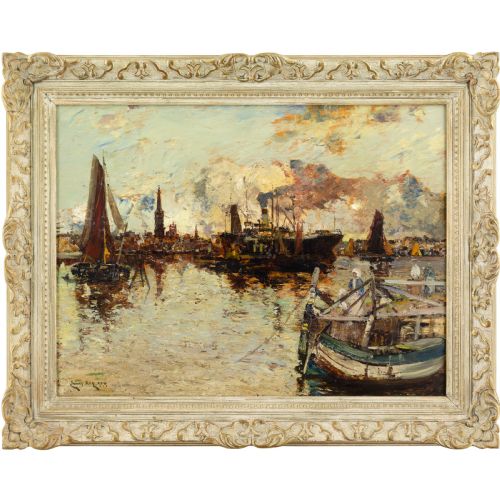
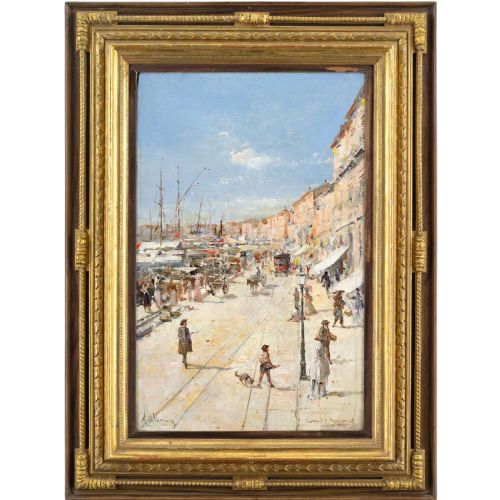
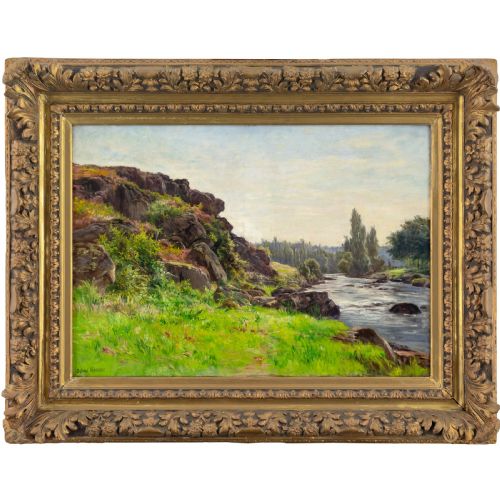
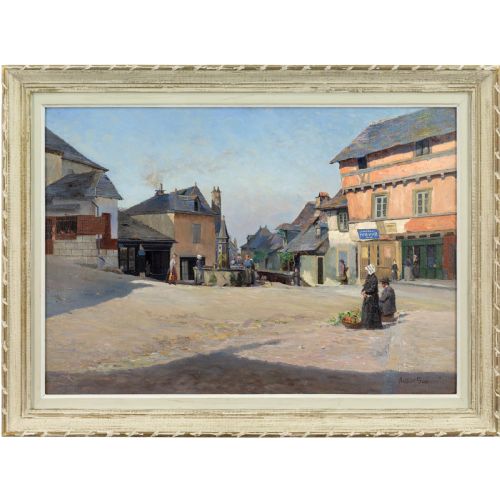
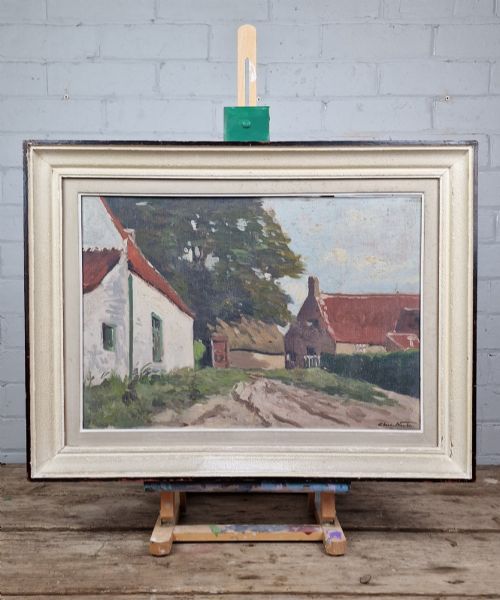
Framed Impressionist Landscape Painting
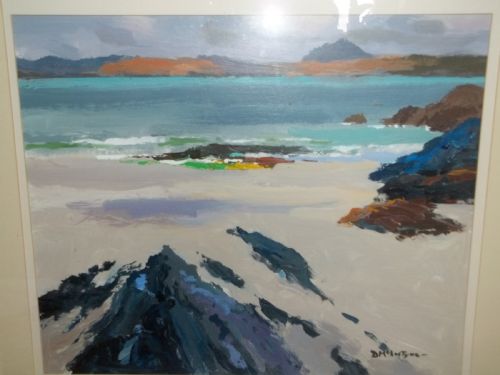
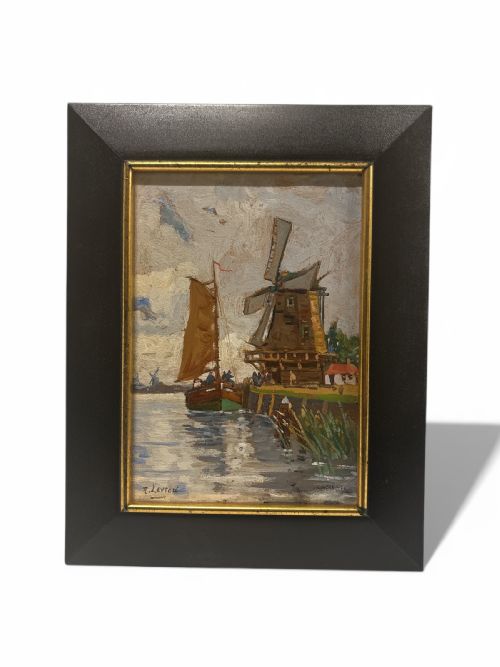
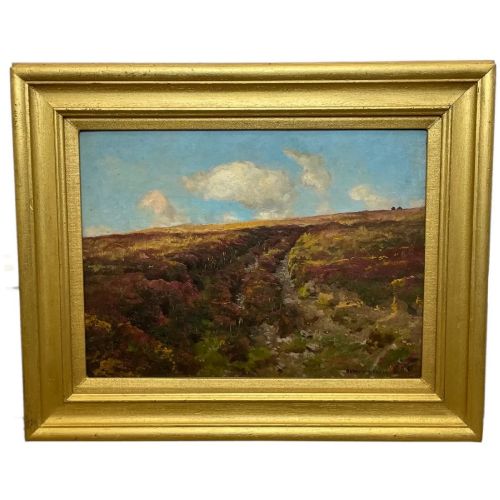
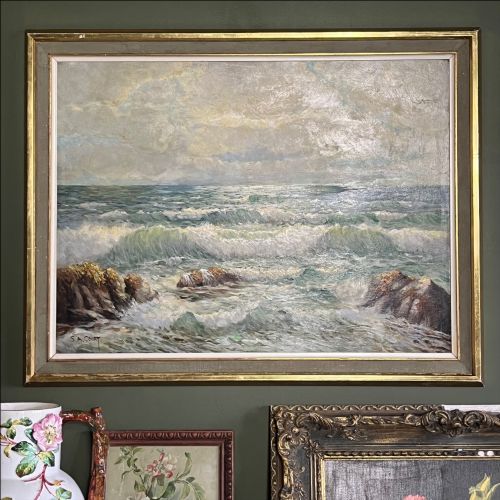
A framed impressionist landscape painting brings the open air inside, capturing light and atmosphere across canvas and board.
Framed Impressionist Landscape Painting
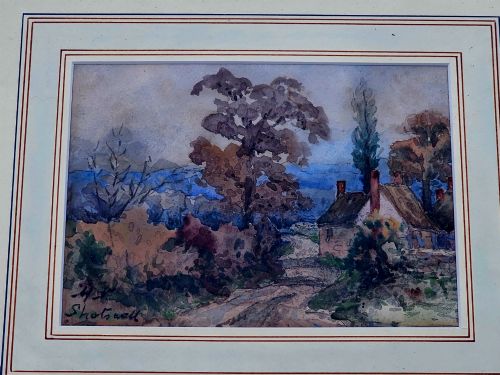
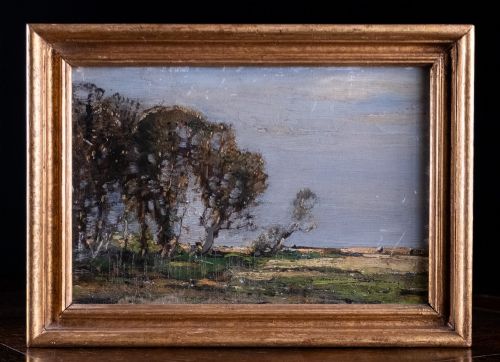
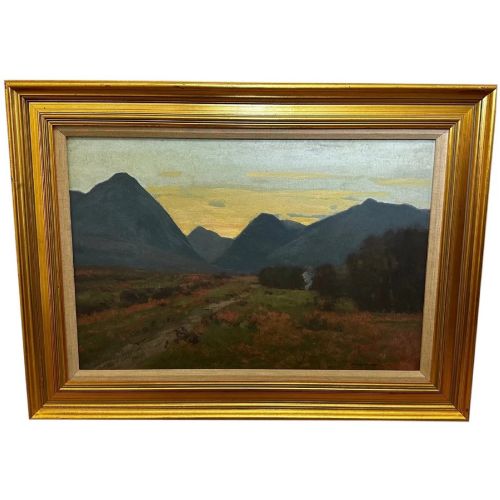
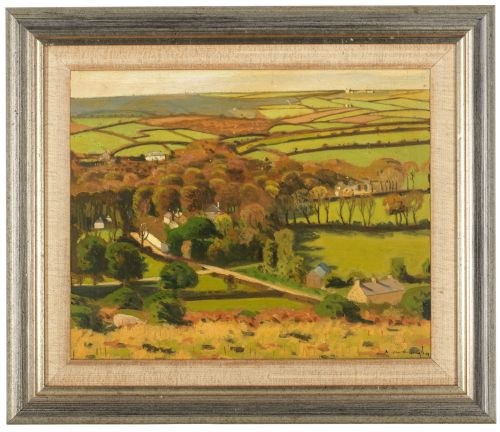
A framed impressionist landscape painting captures natural scenery, coastal views, and urban spots through loose brushwork and a focus on light. These works span from the nineteenth century through the mid-twentieth century, including British Impressionism, Post-Impressionism, and Modern British styles.
Buyers will find oil paintings on canvas and board alongside watercolours and works on paper, housed within wood, gilt, and gesso frames. Subjects range from Cornish harbours and pastoral fields to European cityscapes and marine scenes.
How They Were Made
Artists painted en plein air using oil paint and watercolour applied to canvas, board, and paper to catch transient effects of light and weather. Many works rely on visible, spirited brushstrokes that record the immediate visual impression of the subject.
Surviving pieces sit inside frames constructed from wood, often finished with moulded gesso and gilt layers that complement the palette and period of the artwork.
Listings feature works executed on canvas, board, and paper using oil paint and watercolour across multiple decades.
What Varies in Quality
The strength of a framed impressionist landscape painting depends on the confidence of the brushwork and the artist's ability to render light and atmosphere convincingly. Stronger examples display a clear command of tone and composition that brings depth to the scene.
Framing also influences the overall integrity of the piece, with period wood and gilt mouldings adding context that matches the era of the painting.
R Leyton·Clifford Hanney·Arthur Wardle·Sidney A. Court·Kershaw Schofield·George Houston·William Banks Fortescue·Robert Morson Hughes·James Kay·Augusto Alberici·Gabriel Mathieu·Arthur Gué·Charles Houben·Antonio DeVity·Clive Browne·Paul Bret·Lucy Pratt·Willem Bos·Henri Ottmann·Ernest Higgins Rigg·John Hodgson Lobley·Harry Kluge·Sir Alfred East·Donald McIntyre
The Framed Impressionist Landscape Painting Glossary
- En plein air
- Painting outdoors directly from nature to capture the changing qualities of light and atmosphere. This method defines much of the impressionist approach.
- Gesso
- A plaster-like mixture applied to wood frames as a base for gilding and ornamentation. It provides a smooth surface for decorative details.
- Post-Impressionism
- An artistic development that extended impressionist techniques while rejecting its limitations for greater emotional and structural expression. Artists explored bolder forms and symbolic colours.
- Gilt wood
- Timber frames covered with a thin layer of gold leaf or metal powder. This finish adds a reflective border to the artwork.
Framed Impressionist Landscape Painting: Frequently Asked Questions
What is an impressionist landscape painting?
An impressionist landscape painting focuses on the natural world through loose brushwork and an emphasis on shifting light rather than strict realism. These works record outdoor scenes, from coastal views to rural fields.
Created across various decades, these paintings use oil or watercolour to translate the immediate atmosphere of a location onto canvas or board.
How do I hang a framed oil painting?
Hang a framed oil painting using sturdy picture hooks rated for the combined weight of the canvas and its wooden frame. Secure the hanging wire or rings firmly to the wooden stretcher bars.
Keep the painting away from direct sunlight and steady moisture sources to protect both the canvas and the gilt or gesso frame.
How can I tell the age of the frame?
The age of a frame often shows in the construction of the wood, the composition of the gesso, and the wear on the gilt surface. Hand-carved or moulded details match the manufacturing methods of the period.
Examining the backboards, fixings, and nail types also helps date the frame alongside the painting it houses.
Where were these landscape paintings created?
These landscape paintings were created across Britain, France, Italy, Belgium, and the Netherlands, often painted on location in coastal towns, rural villages, and urban centres.
Artists travelled to places like Cornwall, Sicily, and Antwerp to record specific regional light and topography.