


Framed Horse Portrait
A framed horse portrait captures the strength and character of equine subjects through centuries of fine art tradition.
Framed Horse Portrait
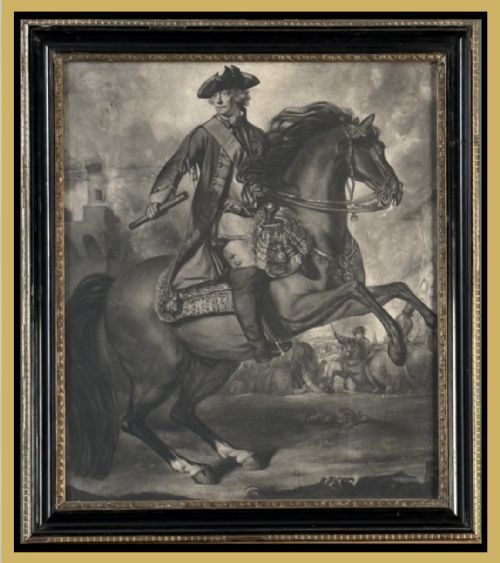
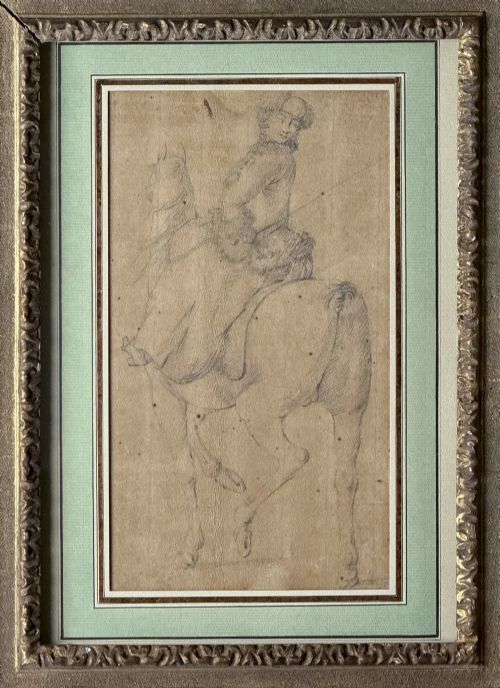
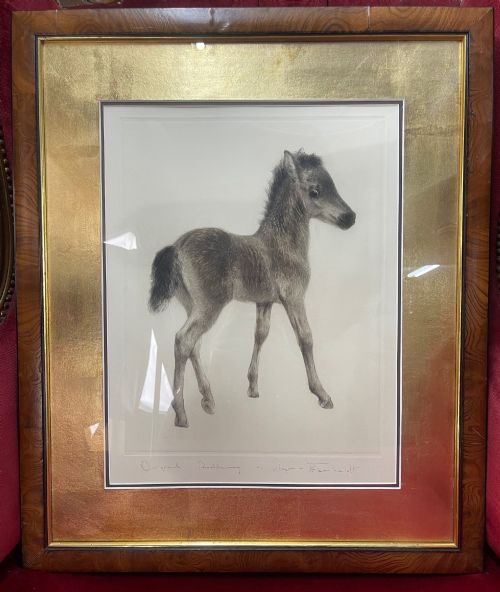
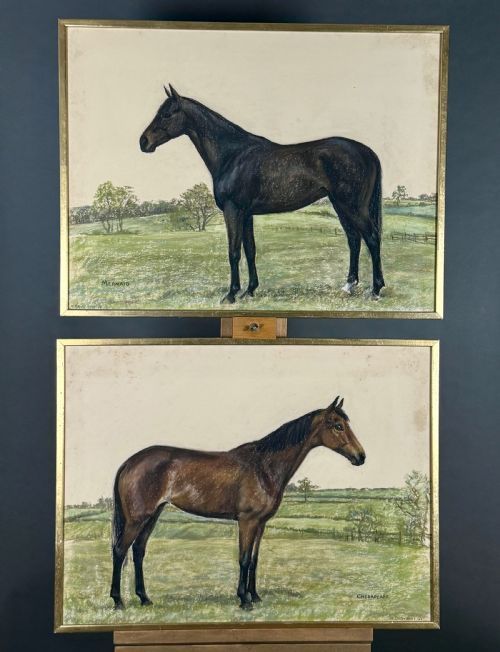
A framed horse portrait brings traditional equine artistry into domestic spaces, ranging from intimate studies to large canvas works. Collectors searching this phrase encounter nineteenth-century oils and watercolours alongside twentieth-century pastel and drypoint depictions.
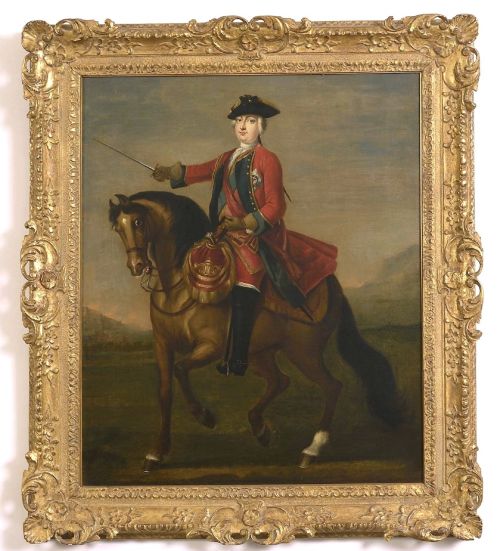
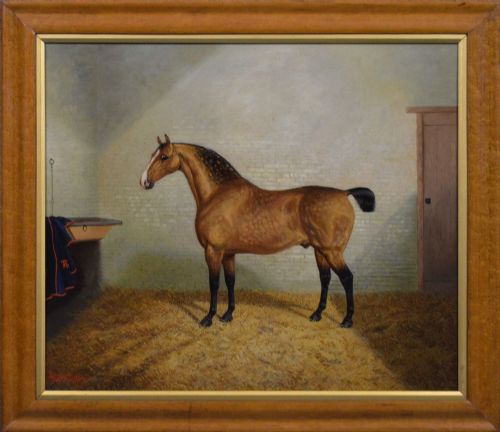
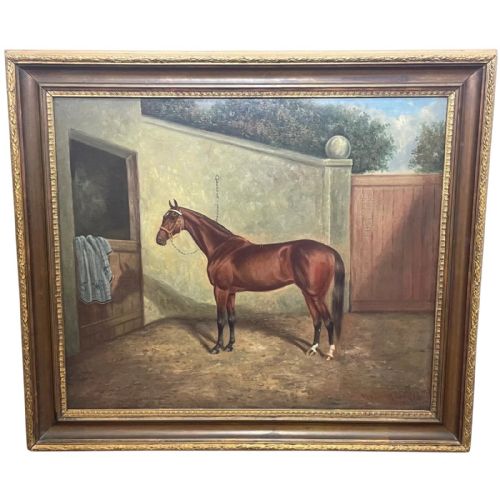
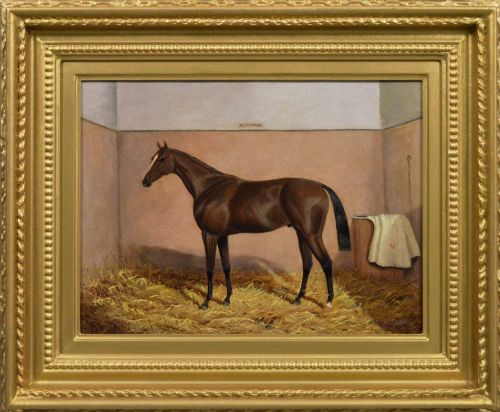
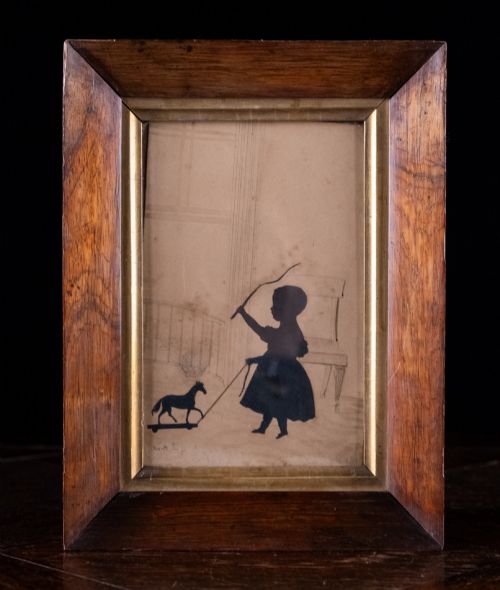
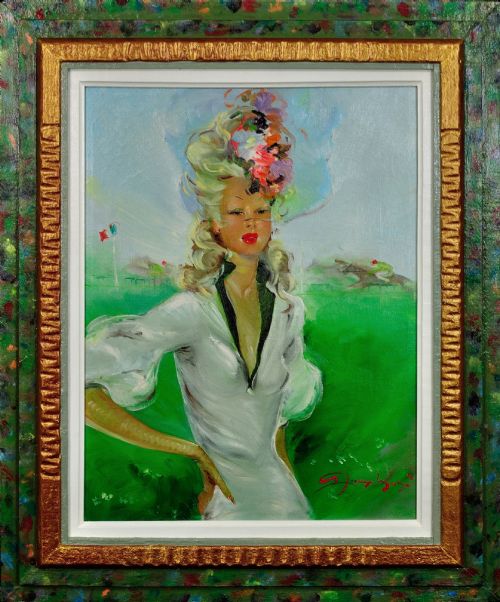
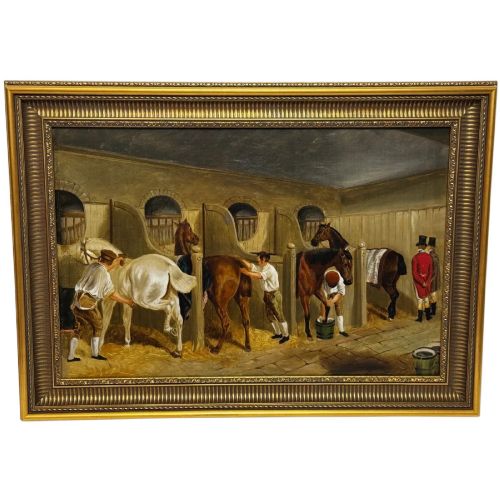
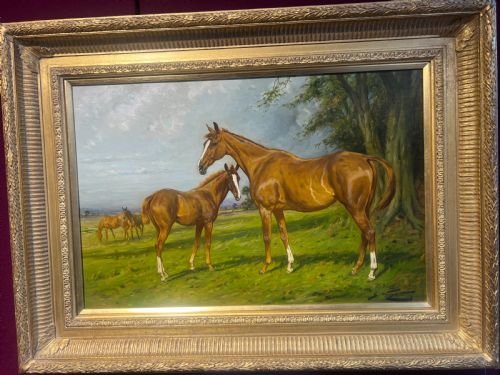
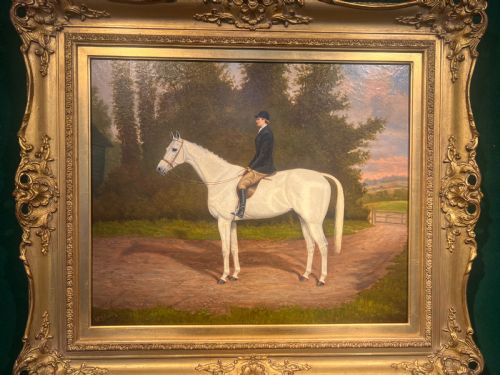
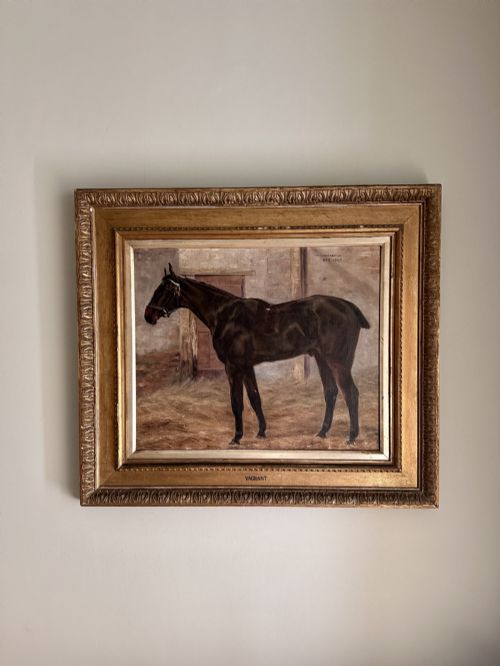
The selections span Victorian sporting art and Georgian studies, often depicting named racehorses, hunters, and working animals in pastoral or stable settings. These works record the changing relationship between humans and horses through distinct regional schools.
How they were made
Artists utilised oil paint on canvas or panel to build depth and texture within each framed horse portrait, often capturing the sheen of a coat or the landscape background with precision. Watercolour and pastel on paper offer lighter, more immediate interpretations of movement and form.
Framing typically involves wood and giltwood moulding, which protects the paper or canvas and complements the visual weight of the central artwork. Original mounts and glass frequently accompany works on paper from the Victorian and Edwardian eras.
Framed Horse Portrait Retail Price Guide 2026
Typical asking prices for framed horse portrait among the pieces listed under this phrase on Sellingantiques today, from the lower quarter to the upper quarter. They describe what is for sale here now, not the wider market.
Listings feature works spanning from the eighteenth century to the mid-twentieth century, utilising oil, pastel, and watercolour.
What varies in quality
Anatomy and proportion set the finest works apart from standard decorative pieces, requiring an artist to understand equine bone structure and musculature deeply. The handling of light across the subject creates a sense of life that distinguishes master painters from lesser contemporaries.
Provenance and documentation often elevate a piece, especially when the subject is a known racehorse or the creator holds a recognised standing in sporting art. The integrity of the original frame and surface preservation also influence the standing of any work.
Henry Barraud·Edward Fisher·Sir Joshua Reynolds·Kurt Meyer-Eberhardt·Albert Clark·Augustin Edouart·John Ferneley Senior
The Framed Horse Portrait Glossary
- Oil on canvas
- Pigments suspended in a drying oil applied to a stretched fabric support. This combination allows for rich blending and enduring colour depth.
- Giltwood
- Wood carved and coated with gold leaf or a gold-coloured metallic finish. It provides a traditional reflective border for classical paintings.
- Drypoint
- A printmaking technique where an image is scratched directly onto a metal plate with a sharp needle. This process produces velvety lines due to the displaced metal burr.
- Pastel
- A medium consisting of powdered pigment and a binder rolled into sticks. It produces vibrant, matte colour fields on paper supports.
- Mezzotint
- A printmaking process of the intaglio family where the plate is roughened to achieve rich tonal gradations. It is prized for velvety dark areas and subtle shading.
Framed Horse Portrait: Frequently Asked Questions
How do I date a horse portrait?
Dating relies on stylistic clues, framing methods, and the canvas or paper support material. Clothing styles of human figures or architecture in the background often narrow the decade.
Signatures, exhibition labels, and written provenance on the reverse provide definitive chronological markers. Comparing the brushwork to known periods helps verify the era of creation.
Where should I hang these pieces?
These works suit studies, libraries, and living rooms where traditional decor allows the rich tones of oil and gilt frames to stand out. Natural indirect light prevents fading on older pigments.
Keep pieces away from direct heat sources and moisture to protect wood panels and canvas tension over time.
What subjects are most common?
Racehorses and prized hunters dominate the older selections, frequently commissioned by owners to record famous victories. Working animals and rural landscape scenes also appear regularly.
More intimate pastel or drypoint studies often focus on foals or specific breeds without narrative backgrounds.
How do I care for antique frames?
Dust giltwood frames gently with a soft, dry brush to preserve the delicate metallic leaf without causing abrasion. Avoid liquid cleaners entirely.
Check the structural stability of the joints periodically and ensure hanging wire remains secure to support the weight safely.