
19th Century Horse Art
19th century horse art captures the enduring bond between humans and equines through oil paintings, watercolours, sculptures, and prints.
19th Century Horse Art
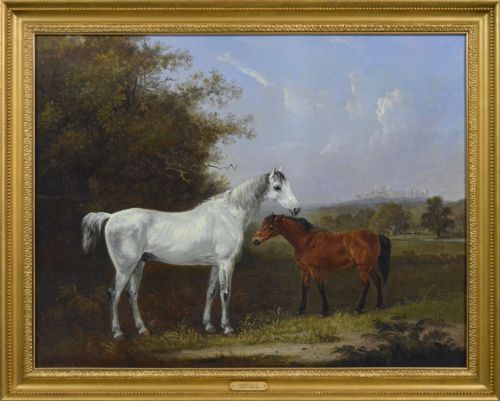
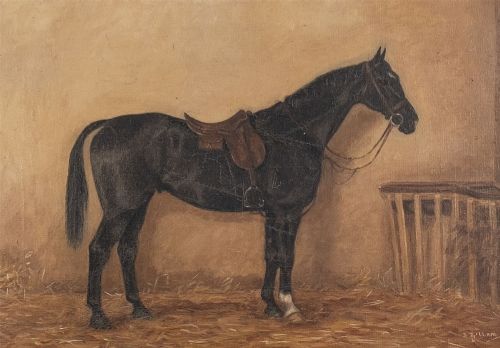
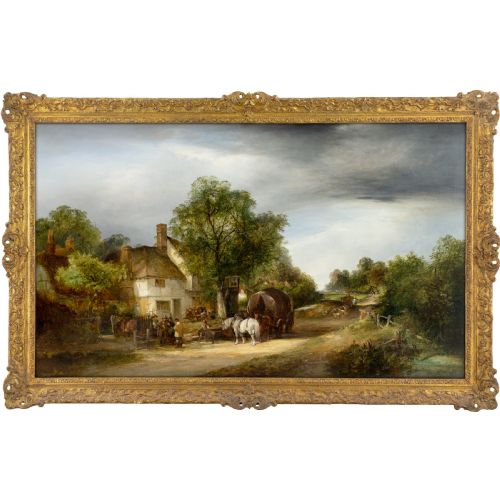
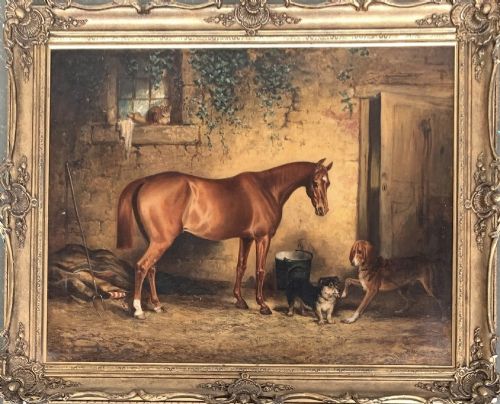
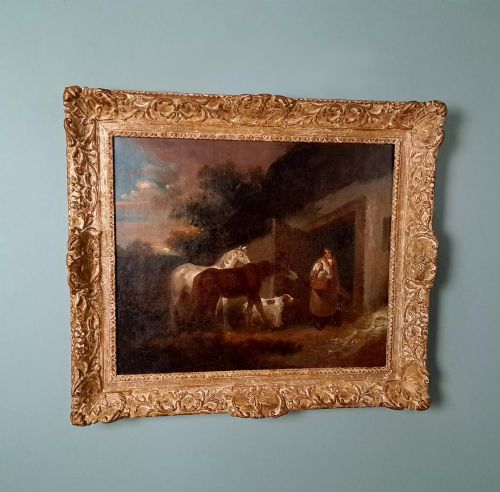
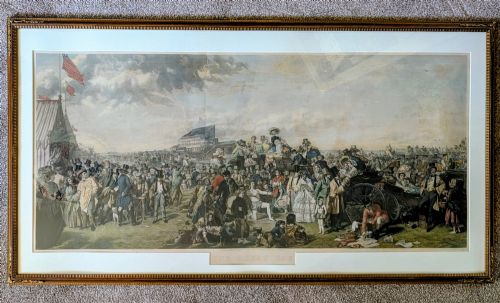
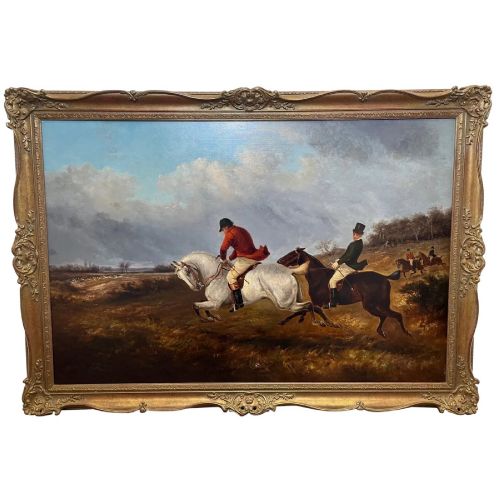
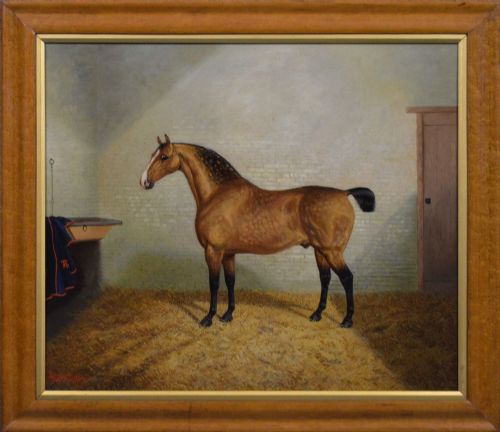
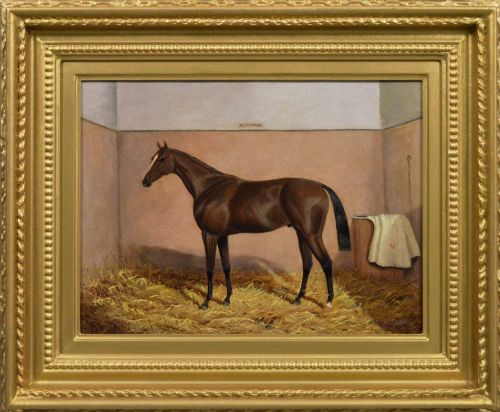
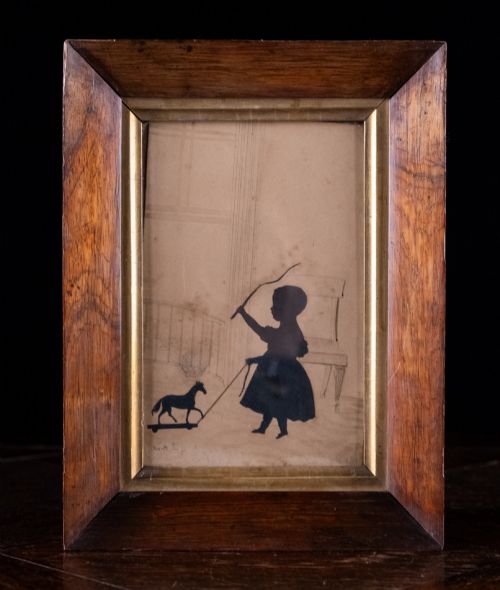
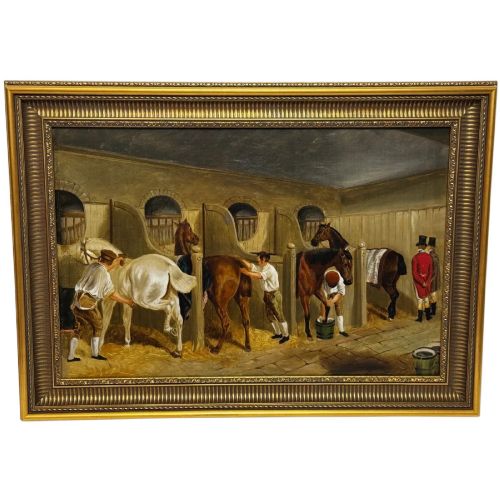
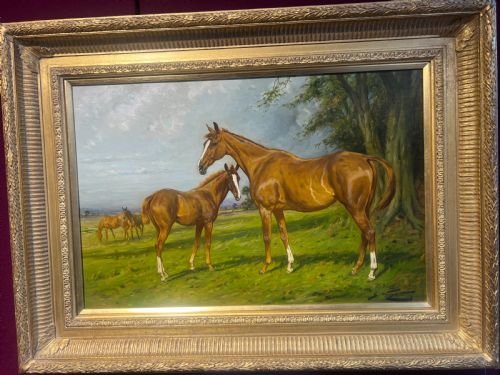
19th century horse art encompasses oil paintings, watercolours, prints, and wooden sculptures depicting equines in landscapes, stables, and sporting scenes.
Buyers frequently encounter Victorian equestrian oil paintings, rural farmyard watercolours, and folk art wooden sculptures originating from British and European makers.
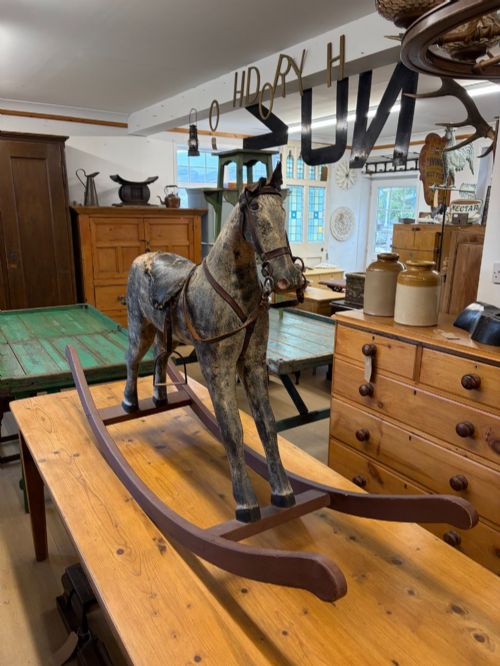
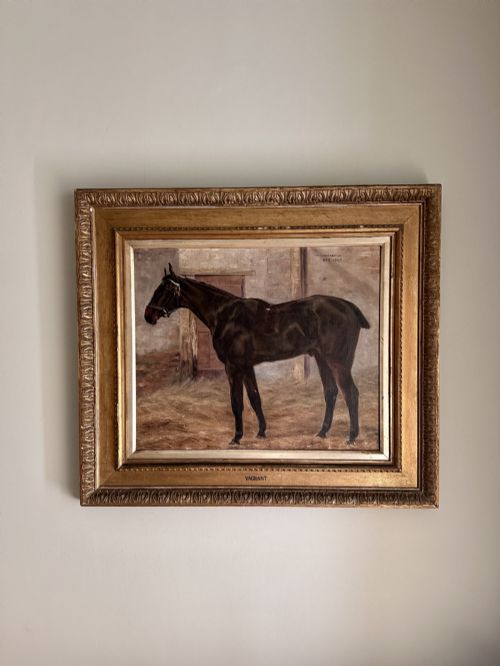
The selections range from detailed portraits of named racehorses and hunters to primitive rocking horses and lively hunting prints.
Materials and construction
Artisans applied oil paint and watercolour onto canvas and paper, frequently framing the finished works in carved giltwood.
Sculptors carved wood and cast bronze to create three-dimensional figures, ranging from primitive rocking horses to detailed Italian bronze pieces.
Several wooden horses retain their original painted harness details, offering a charming glimpse into historical play and folk craftsmanship.
Judging the range
Anatomy, proportion, and the accurate rendering of animal movement distinguish standard decorative pieces from accomplished works by recorded artists.
Original oil paintings on canvas by named painters carry greater artistic weight than mass-produced lithographs or later prints.
William Joseph Shayer Senior·Thomas Smythe·Albert Clark·Augustin Edouart·Henry Barraud·Fred Fitzpatrick·Edward Priestley·Thomas Walker Bretland·Albert Ludovici Jnr·Herman S Melville·Luigi Secchi·John Ferneley Senior·John Frederick Herring Jnr·Edward Lloyd of Ellesmere·George E Sharpe·Margaret Bernard·David Cox·Myles Birket Foster·James Hardy Jr
The 19th Century Horse Art Glossary
- Equestrian
- Pertaining to horses, horse riding, or horse art. This term frequently describes paintings and sculptures focusing on the animal.
- Giltwood
- Wood that has been covered with a thin layer of gold leaf. Antique frames are often made of this material.
- Provenance
- The documented history of ownership of an antique. This record helps establish the authenticity and origin of a piece.
- Lithograph
- A print method based on the non-mixability of oil and water. Artists used this technique to reproduce popular sporting images.
19th Century Horse Art: Frequently Asked Questions
What subjects appear in 19th century horse art?
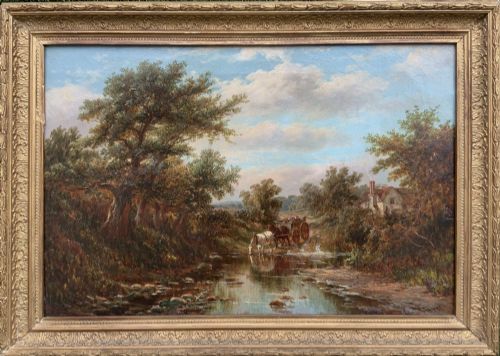
These works depict named racehorses, hunting scenes, farmyard tasks, and rural landscapes featuring horses and carts.
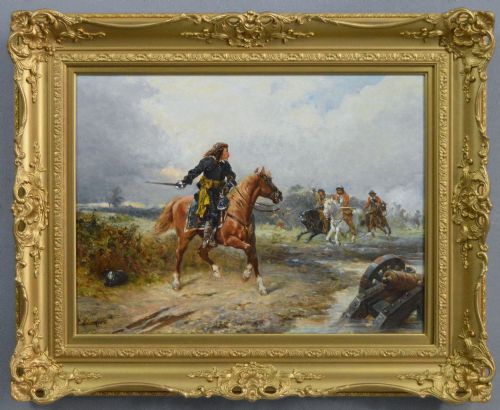
Artists also captured military subjects, royal processions, and simple domestic portraits of family pets in stables.
How were these artworks displayed originally?
Oil paintings and watercolours were framed in ornate giltwood and hung in country estates, town houses, and rural parlours.
Prints and engravings found a place in libraries and studies, while carved wooden horses served as toys or decorative folk art.
How do I identify the period of an oil painting?
Examine the canvas preparation, framing style, and the pigments used by the artist, cross-referencing named painters and dates.
Clothing styles of any human figures present and written inscriptions on the reverse also provide clues to the exact decade.
Are these pieces suitable for modern interiors?
Equestrian oil paintings and watercolours integrate easily into traditional and contemporary rooms as focal points above mantelpieces.
Smaller prints and sculptures suit bookshelves, hallways, and studies without overwhelming the surrounding space.