
Framed Horse Painting
A framed horse painting captures centuries of equestrian life, from stately racehorse portraits to bustling rural coaching scenes.
Framed Horse Painting
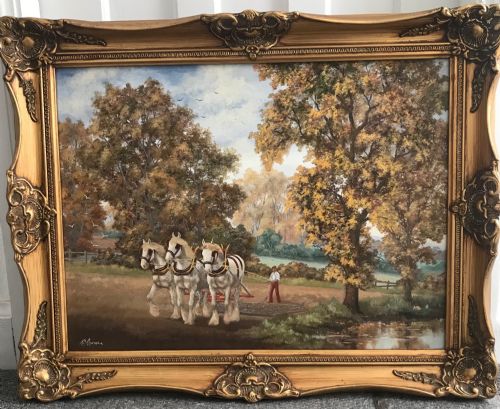
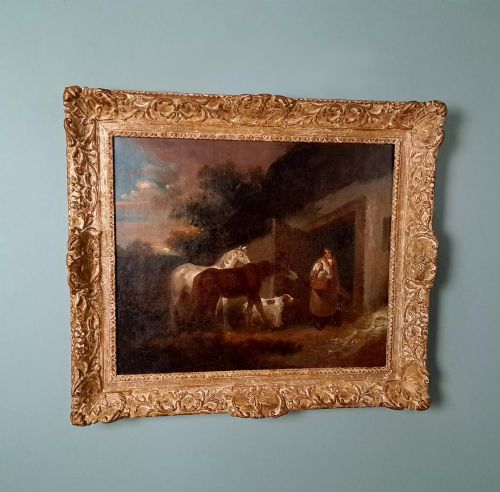
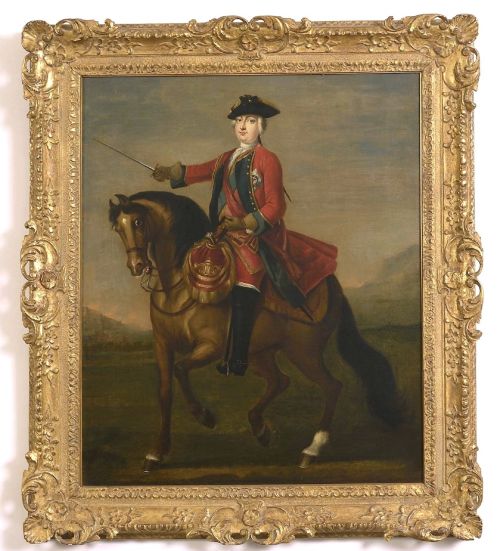
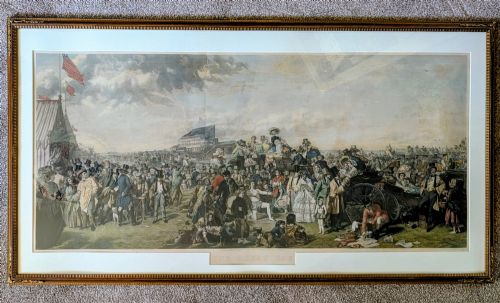
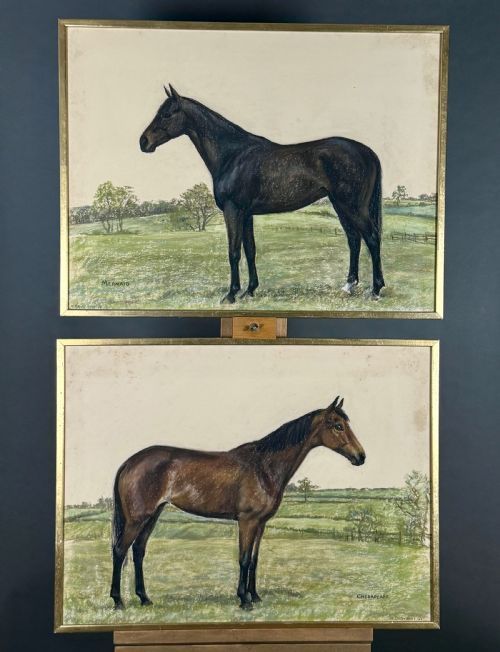
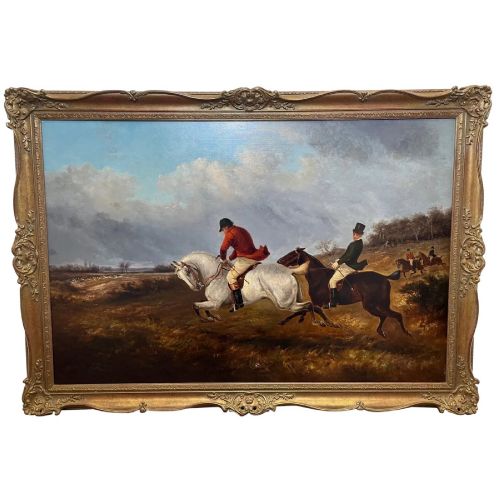
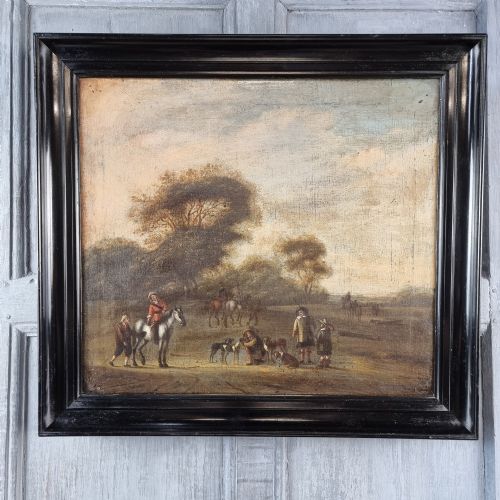
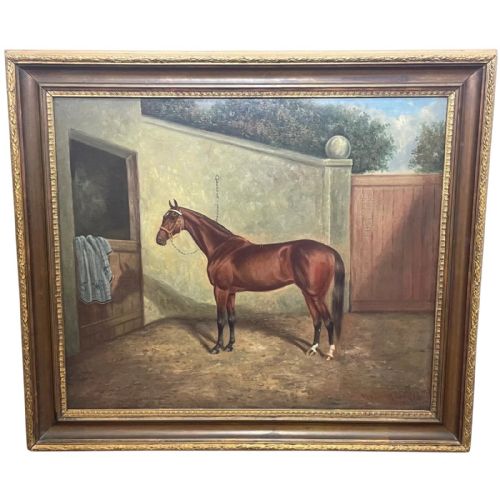
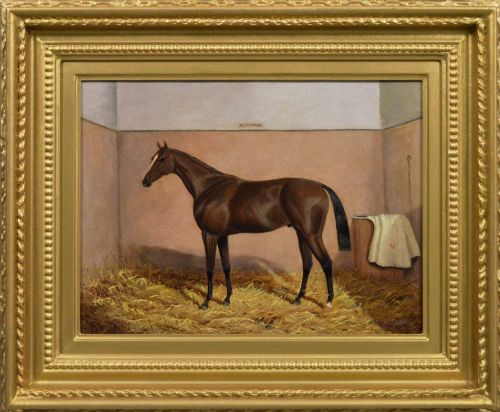
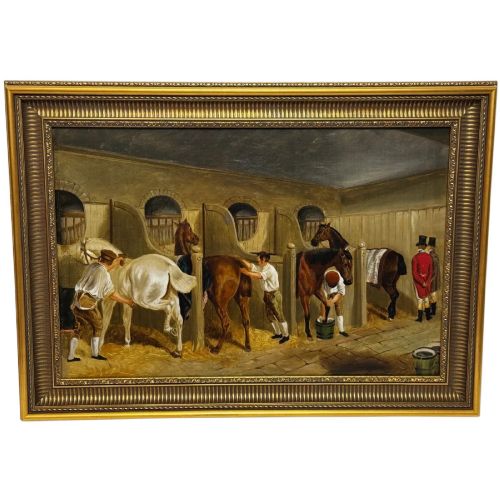
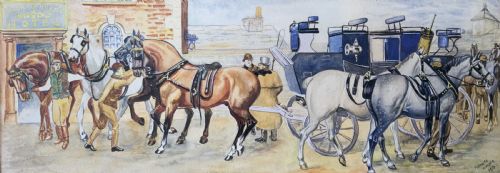
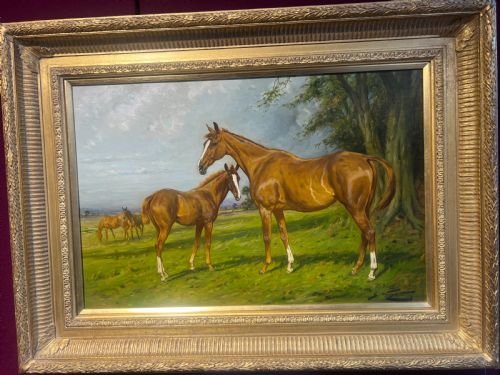
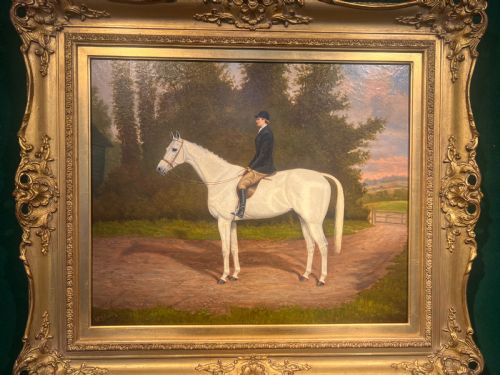
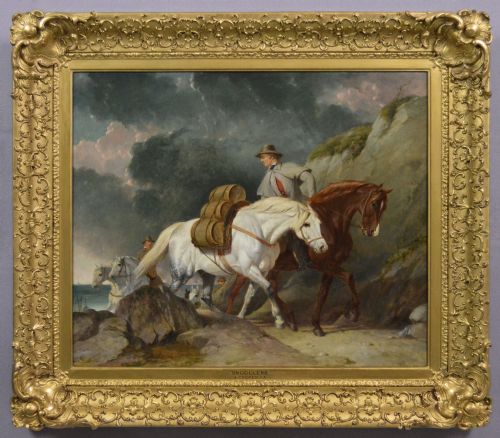
When you search for a framed horse painting, you encounter a rich tradition of equine art spanning multiple centuries and stylistic approaches. These works range from intimate nineteenth-century portraits of named racehorses and hunters to broader landscapes featuring ploughing teams, coaching scenes, and fox hunting subjects.
The nineteenth century and the Victorian era provide a substantial portion of these works, alongside later mid-century pieces and archival prints. Buyers frequently find canvases housed in period giltwood or simple oak frames that complement the traditional subject matter.
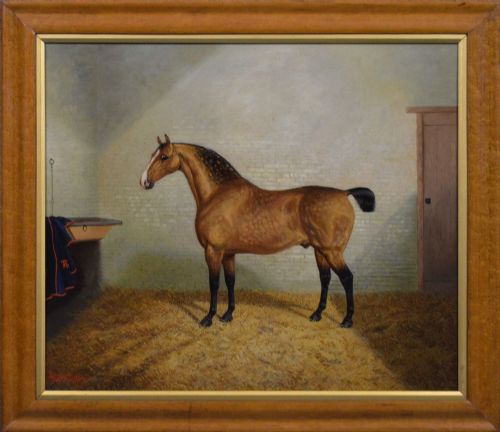
Subjects stretch from individual equine studies in stables to dramatic racing moments and rural village life involving working horses. Each piece reflects the enduring cultural bond between humans and horses across British and European art history.
Materials and technique
Oil on canvas remains the predominant medium for these works, allowing artists to build rich layers of pigment that capture the sheen of a horse coat and the textures of leather harness and stable straw. Painters utilised traditional ground preparations and layered glazes to achieve depth in musculature and atmospheric backgrounds.
Watercolour and pastel on paper appear frequently in studies and lighter illustrative works, offering a different immediacy of line and tone. These paper works often rely on glass protection within period frames to preserve delicate pigments.
Frames themselves form an integral part of the physical object, constructed from carved wood and finished with gilt leaf or left in natural oak tones. The interaction between the painted canvas or paper and its housing defines the complete visual artefact.
Several canvases quietly record steam locomotives chugging alongside galloping nineteenth-century horses, capturing the awkward technological race of the era.
Assessing quality and execution
Anatomical precision and the accurate rendering of equine movement separate exceptional sporting art from standard decorative pieces. Master painters capture the exact musculature, bone structure, and intelligent expression of the animal rather than relying on generic formulas.
The integration of the horse within its environment dictates the artistic success of the composition, whether in a stable interior, across an open hunting field, or on a racecourse. Brushwork confidence and the handling of light across hide and landscape reveal the competence of the hand behind the work.
William Joseph Shayer Senior·Thomas Smythe·Albert Clark·Abraham Cooper·Henry Barraud·John Alfred Wheeler·Thomas Walker Bretland
The Framed Horse Painting Glossary
- Equine portrait
- A painting dedicated specifically to recording the likeness, pedigree, and conformation of an individual horse. These commissions often celebrated famous racehunters, winners, or prized stallions.
- Giltwood
- Wood carved and coated with a thin layer of gold leaf or metallic gilt paint. This material forms the ornate, reflective borders typical of nineteenth-century picture frames.
- Sporting art
- A genre of painting focused on rural sports, horse racing, hunting, and shooting. It flourished in Britain throughout the eighteenth and nineteenth centuries.
- Grisette
- A term occasionally used to describe a grey mare or a specific regional working horse type. It appears in titles denoting specific local equine subjects.
Framed Horse Painting: Frequently Asked Questions
How do I identify the age of a framed horse painting?
Examination of the canvas support, stretcher bars, and framing materials often provides the first chronological clues. Pigment analysis and stylistic conventions of the period further refine the dating.
Signatures, dates inscribed on the reverse, and remnant gallery labels offer documentary evidence that helps place the work within an artist career or specific decade.
What subjects are most common in these paintings?
Individual portraits of named racehorses, hunters, and prize stallions dominate the traditional selection. These are complemented by coaching scenes, agricultural working horses, and hunting field landscapes.
Artists frequently placed animals within detailed stable interiors or expansive rural vistas, reflecting the economic and social importance of horses in past centuries.
How should I care for an antique oil painting?
Maintaining a stable environment away from direct sunlight and extreme humidity fluctuations protects the canvas and paint layers from degradation. Avoiding damp walls prevents mould growth on both the backing boards and the canvas.
Dusting should be done gently with a dry, soft brush, avoiding chemical cleaners or moisture on the painted surface or fragile gilt frames.
Are original frames important?
Period frames contribute significantly to the historical integrity and visual harmony of antique artworks. Matching the frame style to the era of the painting ensures the piece is presented as intended by its maker.
While frames can be replaced or restored over time, retaining original giltwood or oak mouldings preserves the complete artefact context.