
Framed Horse Oil Canvas
When you search for a framed horse oil canvas, you enter a tradition of equine portraiture stretching from bustling rural landscapes to meticulous stud records.
Framed Horse Oil Canvas
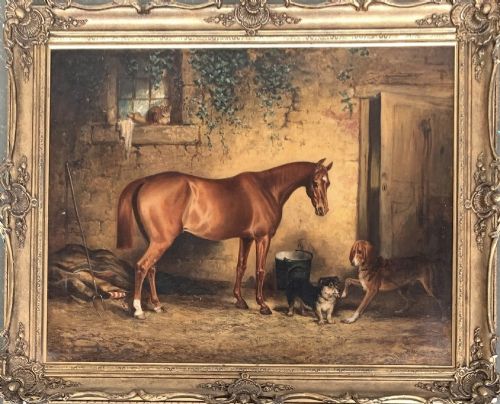
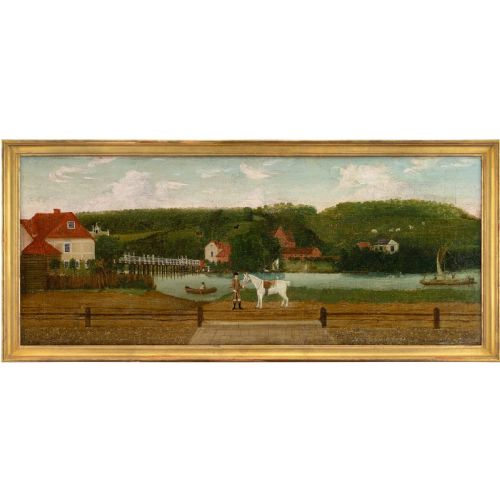
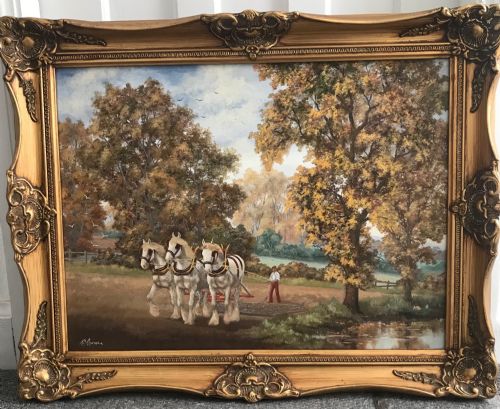
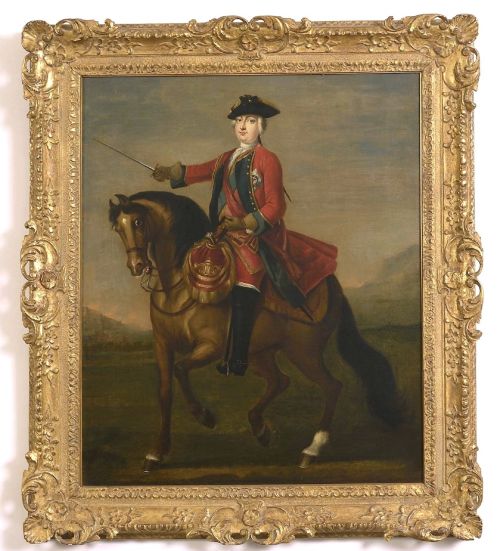
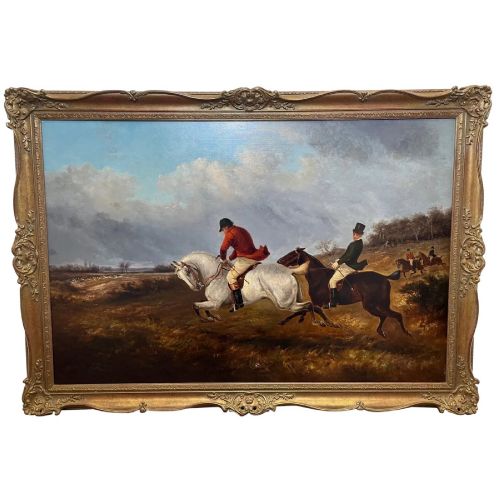
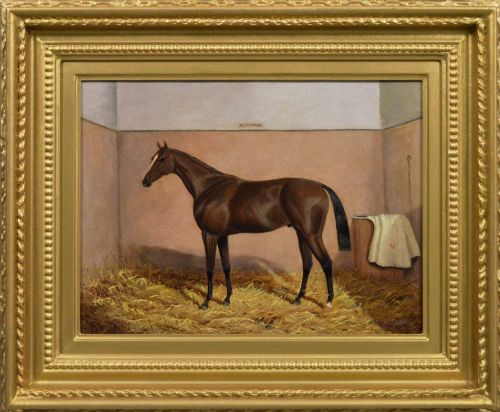
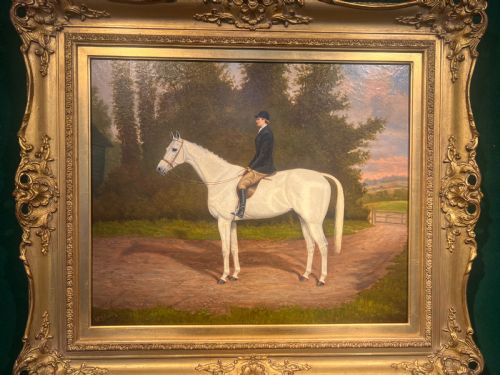
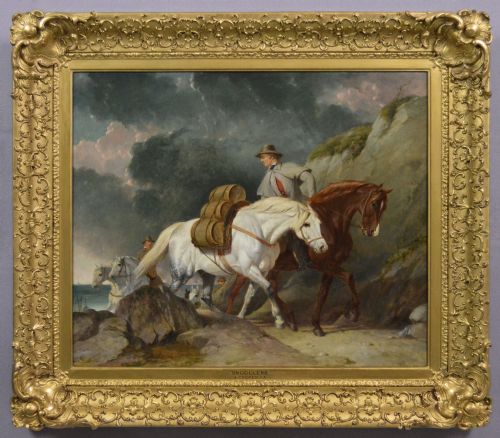
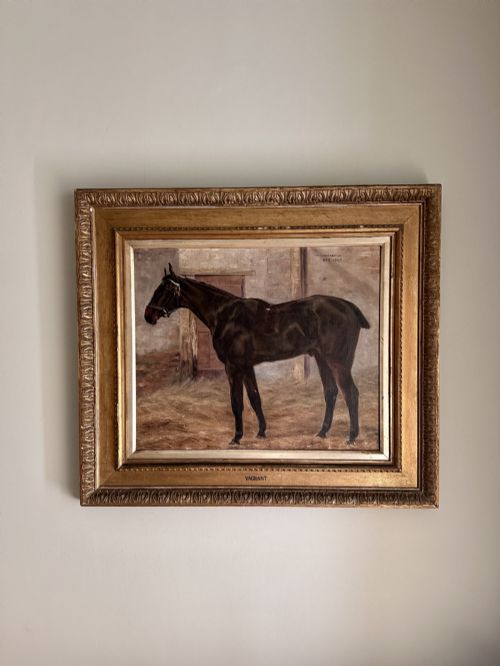
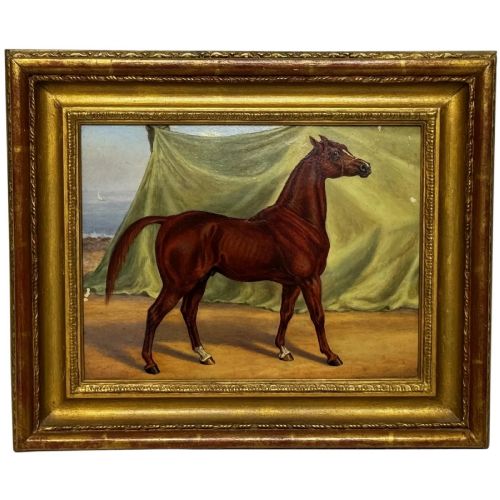
A framed horse oil canvas captures the enduring bond between humans and equines, spanning centuries of British and European rural life, racing, and sport. Buyers find themselves looking at detailed character studies of prized hunters, working shire horses, and legendary racehorses set within pastoral landscapes or stable interiors.
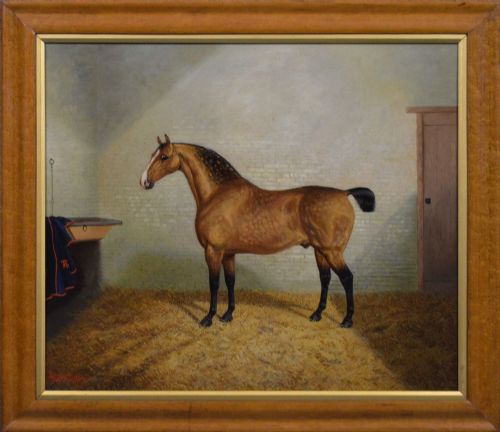
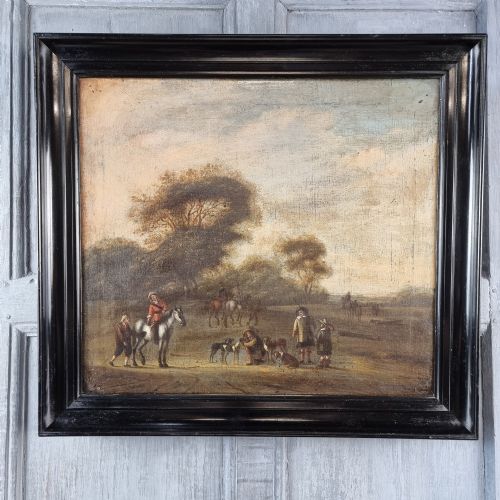
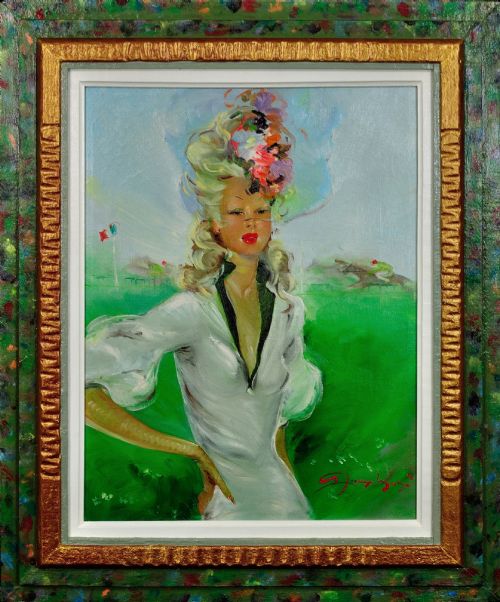
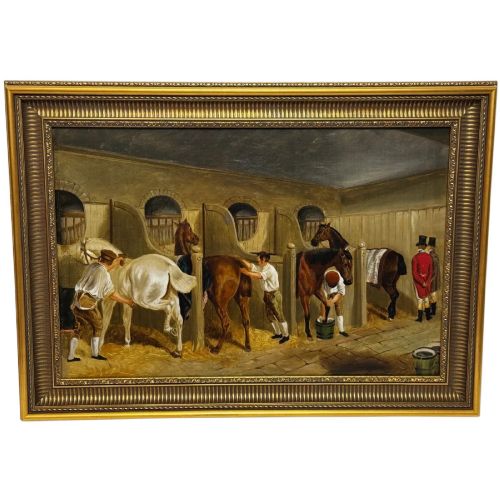
The pieces on this page lean heavily towards nineteenth-century Victorian sporting art alongside twentieth-century depictions, reflecting shifts from formal portraiture of named champions to broader scenes of rural labour and leisure. Whether depicting a solitary bay hunter or a bustling hunting stud, these artworks anchor equestrian history directly to the wall through traditional oil paints.
Common formats range from intimate cabinet portraits of individual mares to large-scale canvases recording specific racing winners and estate scenes. The survival of these works within their original or period frames preserves the complete historical object for modern collectors.
Materials and execution
The foundation of these works is woven canvas stretched over wooden frames, providing a stable, textured support for applications of oil paint. Artists built their compositions through successive layers of pigment and medium, allowing for deep tonal gradations in the depiction of musculature, glossy coats, and atmospheric landscapes.
Surrounding the canvas, frames fashioned from wood and finished in giltwood or plain timber complete the construction. These frames act as both structural support and aesthetic boundary, historically chosen to complement the domestic interiors where such sporting art traditionally hung.
Framed Horse Oil Canvas Retail Price Guide 2026
Typical asking prices for framed horse oil canvas among the pieces listed under this phrase on Sellingantiques today, from the lower quarter to the upper quarter. They describe what is for sale here now, not the wider market.
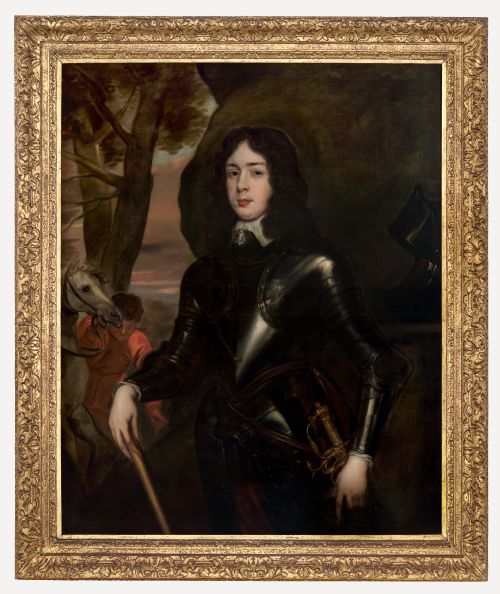
Listings feature works spanning the 17th, 18th, 19th, and 20th centuries, utilising oil on canvas and giltwood.
Distinctions in craftsmanship
Quality in a framed horse oil canvas rests primarily upon the artist's anatomical precision and ability to render equine movement convincingly. The finest works display a deep understanding of bone structure, light playing across a dappled coat, and the alert intelligence of the animal, whereas lesser examples rely on stiff formulae and static postures.
The handling of the surrounding landscape and background architecture also dictates the tier of a piece, with master painters integrating horse and habitat into a unified composition. Additionally, the originality and condition of the accompanying giltwood frame contribute significantly to the overall integrity of the piece.
Henry Barraud·Thomas Smythe·Albert Clark·Abraham Cooper·John Ferneley Senior
The Framed Horse Oil Canvas Glossary
- Canvas
- A heavy woven fabric stretched across a wooden stretcher bar to form the painting surface. It provides the necessary tooth and flexibility to hold thick applications of oil paint over centuries.
- Giltwood
- Wood carved and coated with a thin layer of gold leaf or metallic gilt finish. This material is standard for traditional picture frames designed to catch and reflect candlelight or natural room illumination.
- Equine art
- Depictions of horses across various settings including racing, hunting, and agricultural work. This genre requires specific knowledge of horse anatomy and deportment from the artist.
- Sporting art
- A specialised category of painting focusing on rural sports, horse racing, and the British countryside. It flourished in the eighteenth and nineteenth centuries to document prized animals and estates.
- Oil paint
- A slow-drying medium composed of pigments suspended in a drying oil such as linseed. Its flexibility allows artists to achieve subtle blending and rich surface textures.
Framed Horse Oil Canvas: Frequently Asked Questions
How do I date an old horse painting?
Dating relies heavily upon the clothing styles of any figures present, the architectural details in the background, and the construction methods of the canvas stretcher and wooden frame. Signatures, dates inscribed on the reverse, and stylistic markers tied to specific artistic periods also offer reliable clues.
Furthermore, the historical context of the subject matter, such as named racehorses or specific estate locations, often narrows the creation window to a precise decade.
Were these painted outdoors or in studios?
While artists occasionally made rapid compositional sketches or plein-air landscape studies outdoors, the final portraits of horses were almost exclusively completed inside studios. Painters worked from live sittings when possible, supplemented by detailed anatomical measurements and preliminary oil sketches.
For historical racehorses or deceased animals, artists relied on earlier portraits, owner commissions, and detailed stud records to ensure accurate likenesses.
Why are some horses shown in stables?
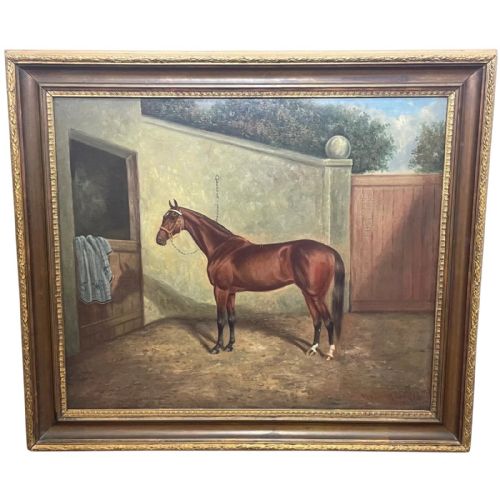
Stable scenes allowed artists to highlight the premium care, high status, and physical condition of prized hunters, racehorses, and carriage animals. These intimate settings focused attention directly on the conformation and grooming of the animal without the distraction of a broad landscape.
Such portraits served as visual records of valuable livestock for wealthy owners, functioning much like family portraits within country house collections.
How should I care for a canvas painting?
Protecting a canvas painting requires maintaining stable room temperatures and avoiding direct sunlight to prevent the oil paint from fading or cracking. Dust should be removed gently from the surface and the frame using a soft, dry brush without applying pressure.
Environmental extremes of high humidity and dry heat must be avoided to prevent the wooden stretcher and canvas from warping or slackening over time.