
Framed Horse Artwork
Framed horse artwork captures the power and presence of the animal through centuries of painting, drawing and printmaking.
Framed Horse Artwork
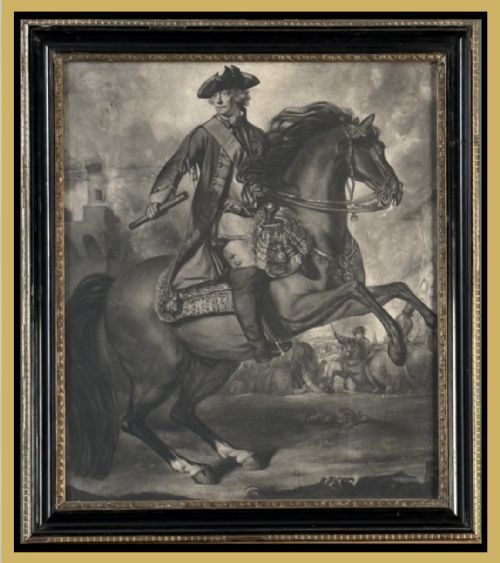
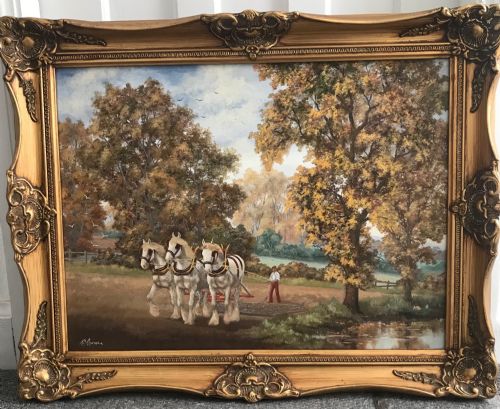
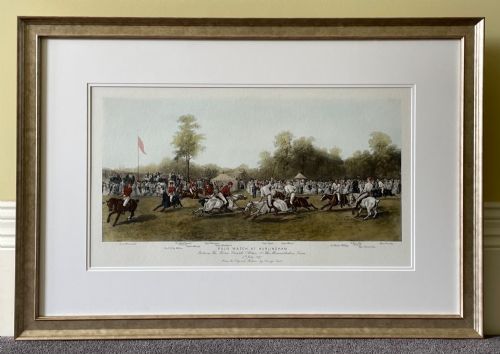
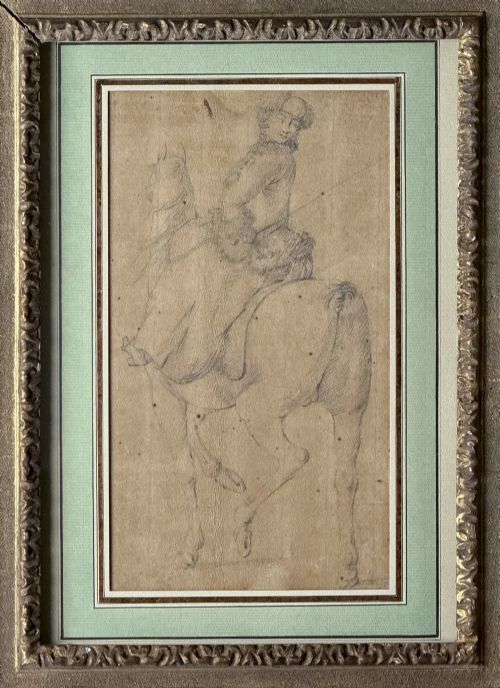
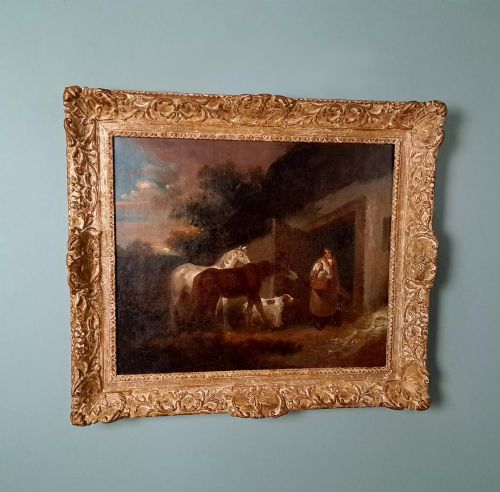
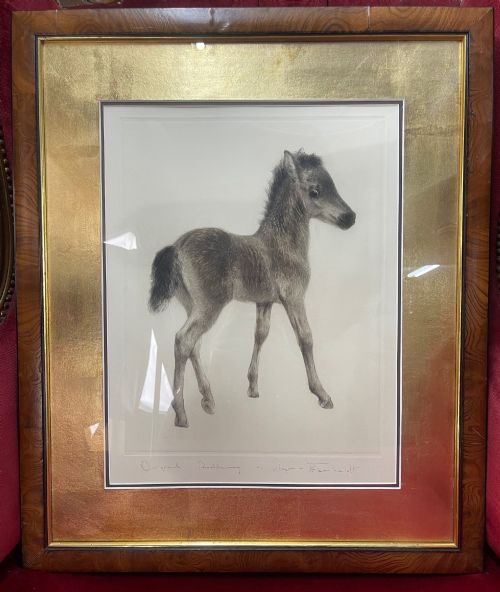
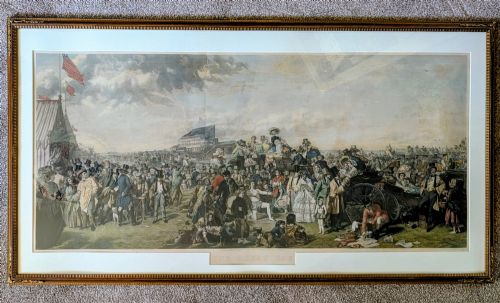
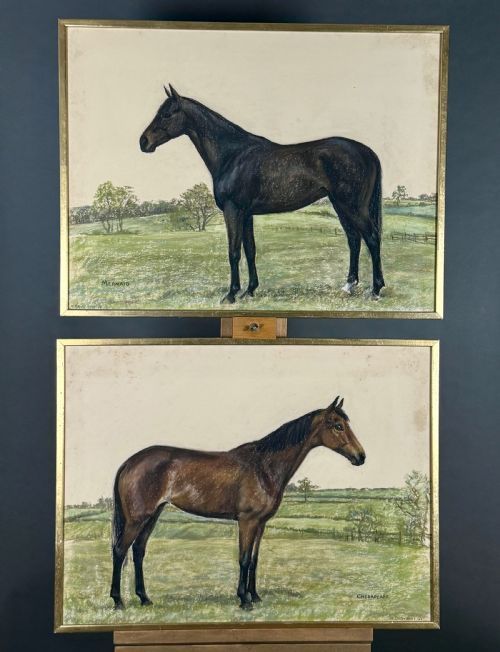
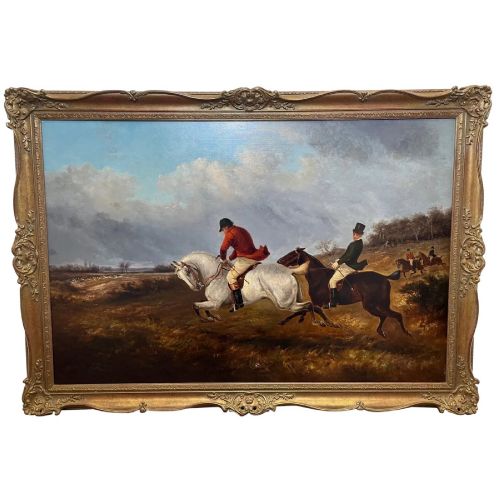
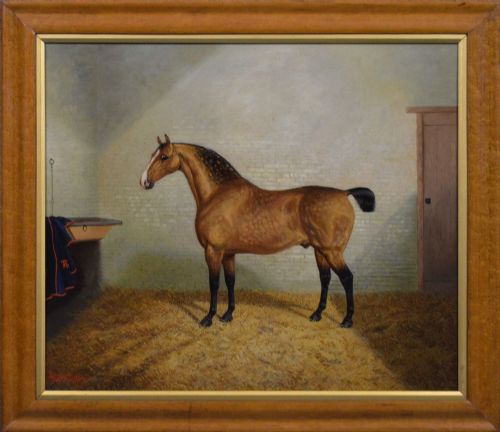
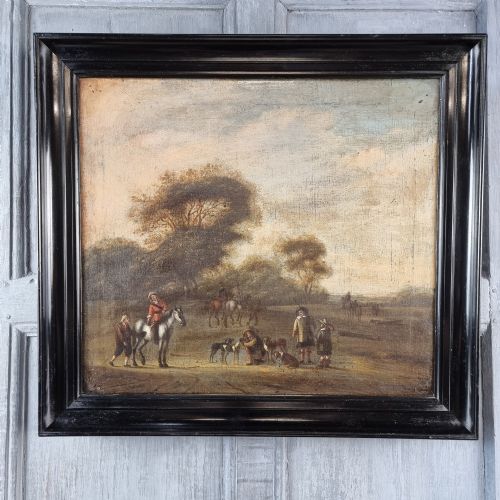
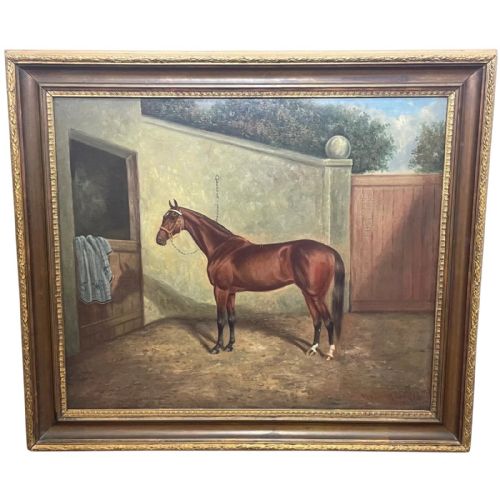
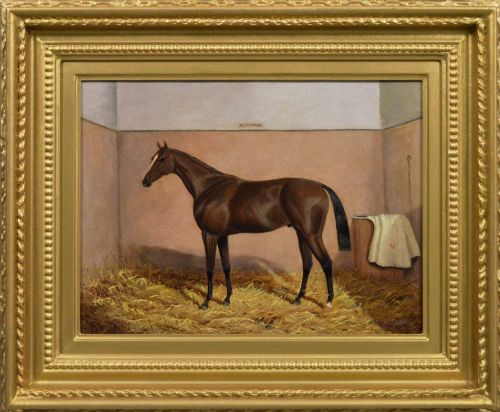
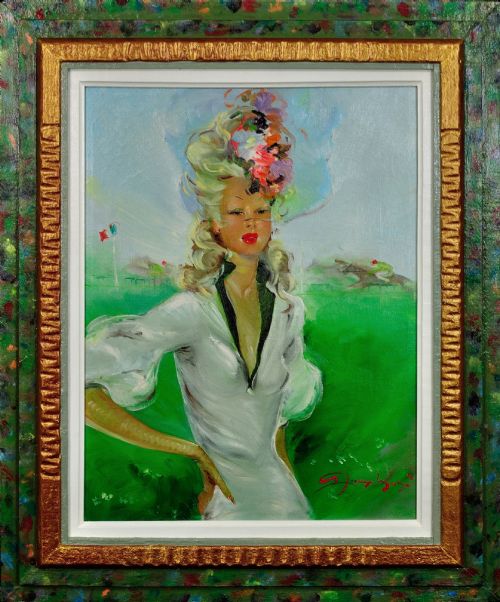
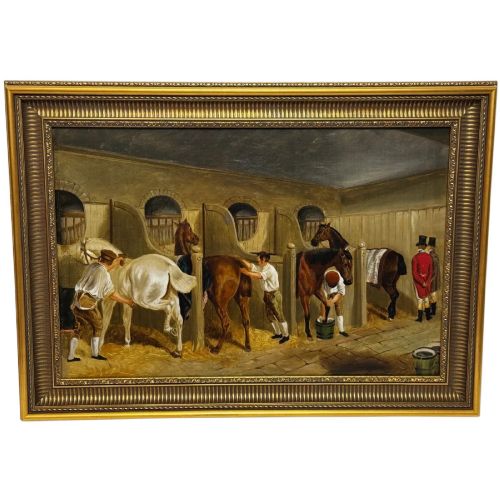
Framed horse artwork spans centuries of depiction, ranging from intimate nineteenth-century oil studies and Victorian sporting scenes to mid-century pastels and drypoints. When searching for framed horse artwork, buyers encounter diverse expressions of equine form, from working shires and racehorses to coaching scenes and tranquil stable portraits.
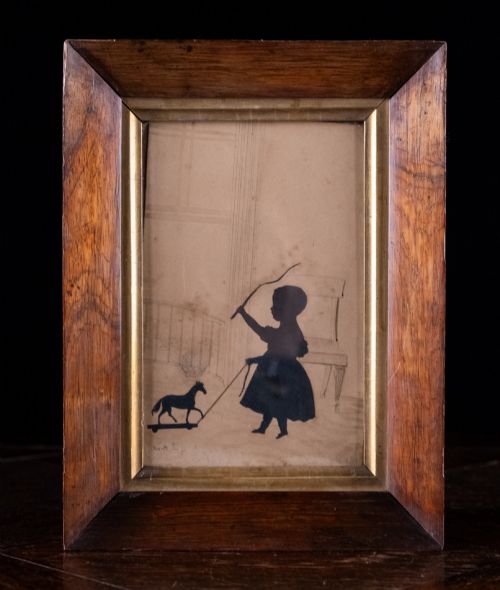
The selection includes original oils on canvas, delicate watercolours, charcoal drawings and period prints enclosed in wood, paper, glass and giltwood frames. These pieces document the shifting roles of horses in transport, agriculture, sport and portraiture across British and European traditions.
How They Were Made
Makers applied oil paint to canvas or wood panels, built up pastels on paper, and pulled drypoints or lithographs from plates and stones. Canvases stretch over wooden frames while works on paper sit behind glass, preserved within timber or ornate giltwood mouldings.
Traditional framing combines carved wood with gilded finishes or simple stained oak, protecting the fragile pigments and paper sheets from environmental damage while completing the visual presentation of the equine subject.
Listings feature mediums including oil on canvas, pastel on paper, watercolour, drypoint and lithograph across eighteenth, nineteenth and twentieth-century periods.
What Varies in Quality
Quality rests upon the artist's anatomical accuracy, brushwork control, and ability to convey the energy and temperament of the animal. Finer pieces demonstrate a deep understanding of equine muscle structure and movement rather than relying on stiff convention.
The integrity of the materials also defines the tier of the piece, seen in the preservation of the original paint layer, the crispness of a drypoint impression, and the period harmony between the artwork and its surrounding frame.
Edward Fisher·William Joseph Shayer Senior·Kurt Meyer-Eberhardt·Thomas Smythe·Albert Clark·Frederick Albert Clark·Augustin Edouart·Jean-Gabriel Domergue·Abraham Cooper·Henry Barraud·Fred Fitzpatrick·Ernest Payne·Edward Priestley·Philip Rideout·Edwin Henry Landseer·Dame Laura Knight·John Alfred Wheeler
The Framed Horse Artwork Glossary
- Drypoint
- An intaglio printmaking process where the artist scratches an image directly onto a metal plate with a sharp needle. This technique produces soft, velvety lines because of the metal burr raised along the groove.
- Mezzotint
- A tonal printmaking method where the printing plate is roughened uniformly and then scraped or burnished to create gradations of light and shade. It yields rich, deep darks and subtle mid-tones.
- Giltwood
- Wood that has been coated with a thin layer of gold leaf or gilt powder over a prepared gesso ground. It provides a luminous, reflective border for oil paintings and drawings.
- Equestrian
- Pertaining to horses, horse riding, or the representation of horses in art. The term encompasses everything from racing scenes to pastoral agricultural views.
Framed Horse Artwork: Frequently Asked Questions
What periods do these artworks cover?
The pieces span from the seventeenth century through the Victorian era into the mid-twentieth century. They reflect the changing aesthetic tastes of British and European schools over three hundred years.
Artists across these periods recorded the animal in working, sporting and racing contexts using the materials of their day.
How do I care for a framed horse painting?
Keep the artwork out of direct sunlight to prevent the fading of oil pigments, watercolours and paper. Maintain a stable indoor climate away from dampness and excessive heat.
Dust wooden and gilt frames gently with a dry cloth and avoid applying liquid cleaners to the painted or printed surfaces.
Are these pieces original or reproductions?
The selection includes both one-of-a-kind original oil paintings, pastels and watercolours alongside period prints, lithographs and drypoints. Each listing specifies the exact medium used to create the image.
Prints from earlier centuries often bear the signatures or plates of notable publishers and master engravers.
How were horses depicted in Victorian art?
Victorian artists focused heavily on sporting art, fox hunting, coaching scenes and individual portraits of prize racehorses. These works emphasised the muscular build, glossy coats and spirited nature of the animals.
Compositions frequently placed horses within detailed rural landscapes, stables or grand country estates.