

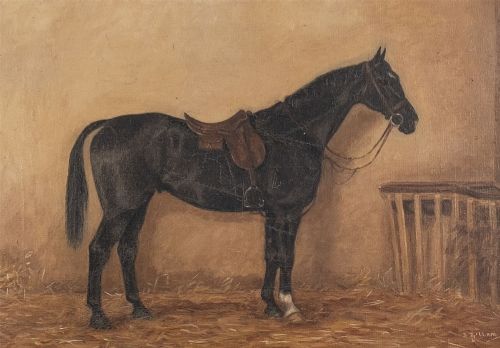


Black Horse Portrait
A black horse portrait captures the quiet power and striking presence of the animal, bringing character and depth to any wall it occupies.
Black Horse Portrait
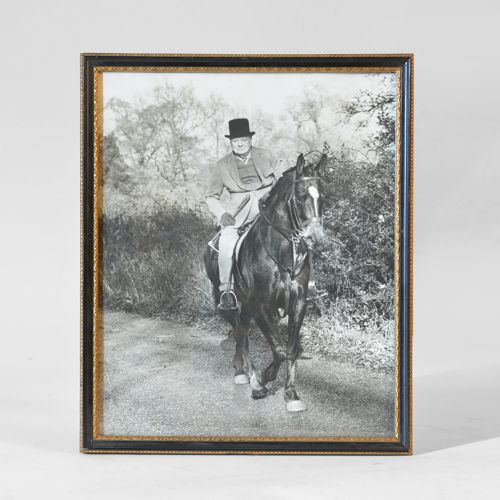
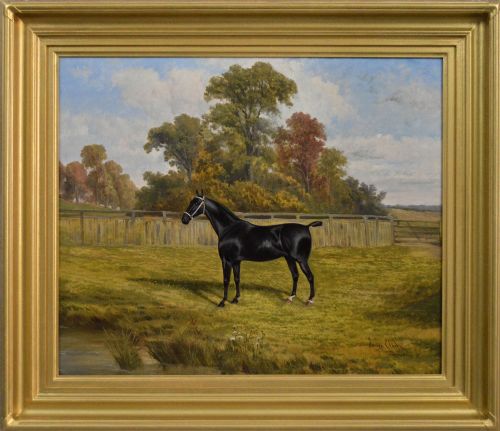
A black horse portrait represents a distinct corner of equine art, focusing specifically on the dramatic form and coat of the dark horse. When you search for a black horse portrait, you encounter works spanning from the eighteenth century through to the early twentieth century.
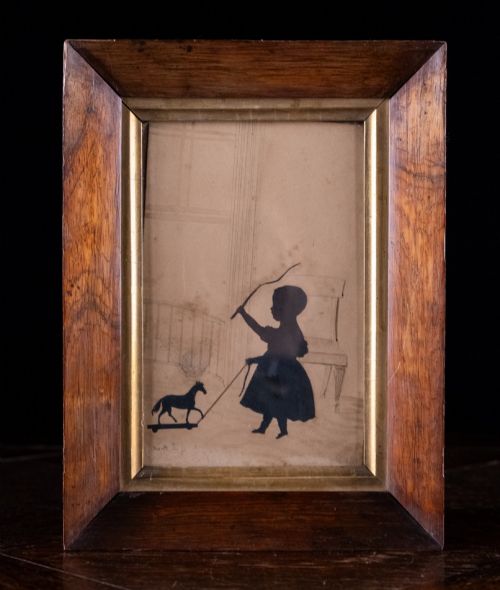
The selections on this page lean heavily towards oil paintings on canvas and framed paper works such as drawings, prints, and silhouettes. These pieces originate from various eras including the Georgian, Regency, and Victorian periods.
Subjects range from individual field studies and stable portraits to historic engravings and equestrian drawings. You will find both signed works by known artists and anonymous pieces capturing the spirit of the animal.
How they were made
Artists relied primarily on oil paint applied to canvas or wood panels, utilising the rich medium to capture the glossy sheen of a black coat. Ink and charcoal on paper appear in drawings and silhouettes, offering a different textural quality.
Many works are housed in their original frames, often constructed from wood and finished with gold leaf or gilt. Engravings and prints utilise traditional plate printing techniques on paper, sometimes enhanced by hand colouring or charcoal heightened with white.
Black Horse Portrait Retail Price Guide 2026
Typical asking prices for black horse portrait among the pieces listed under this phrase on Sellingantiques today, from the lower quarter to the upper quarter. They describe what is for sale here now, not the wider market.
Listings feature works spanning from the eighteenth century to the 1930s, utilising oil paint, ink, canvas, and gilt wood.
What varies in quality
Quality rests upon the skill of the draughtsman or painter in rendering the anatomy and movement of the horse convincingly. The subtlety with which light plays across a dark coat dictates the visual success of the piece.
The integrity of the materials, from the stable stretch of the canvas to the preservation of the paper and the craftsmanship of the gilt wood frame, shapes the overall standing of the work.
James Albert Clark·Augustin Edouart·Edward Fisher·Sir Joshua Reynolds·John Nost Sartorius
The Black Horse Portrait Glossary
- Oil painting
- A work executed with pigments suspended in a drying oil, typically applied to canvas or wood. This medium allows for deep, luminous tones particularly suited to capturing dark coats.
- Mezzotint
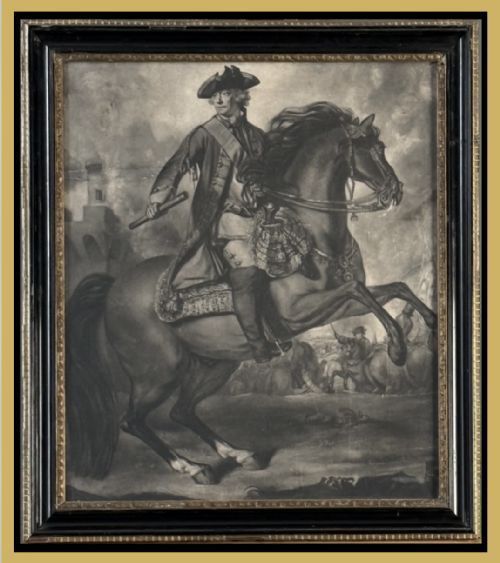
- A printmaking process of the intaglio family where the plate is roughened to achieve tones and rich darks. It produces velvety shadows ideal for dramatic equine subjects.
- Silhouette
- A solid shape of a subject, usually showing its profile, filled in with a dark colour. These are often cut from paper or drawn in ink.
- Gilt wood
- Wood that has been treated with a thin layer of gold leaf or gilt powder. It is commonly found on traditional frames surrounding antique artwork.
- Engraving
- A print made by cutting a design into a metal plate with a burin. The inked plate then transfers the crisp lines onto paper.
Black Horse Portrait: Frequently Asked Questions
How do I date a black horse portrait?
Dating relies on examining the materials, such as the type of canvas, paper, or framing techniques used by the maker. Stylistic cues from the period, alongside signatures or attribution notes, also help narrow down the era.
Familiarising yourself with the typical clothing styles or tack depicted in the artwork offers further chronological context for unrecorded pieces.
Where should I hang an oil painting?
Choose a wall away from direct sunlight and excessive moisture to protect the canvas and the pigments. Stable indoor temperatures prevent the wood and canvas from warping over time.
Ensure the piece is hung at eye level to properly appreciate the brushwork and the play of light across the dark subject matter.
How do I care for framed paper artwork?
Keep works on paper behind glass protected from direct ultraviolet light to prevent the ink and paper from fading. Maintain a consistent humidity level in the room to avoid mould growth or foxing on the paper.
Dust the frame gently with a dry cloth, avoiding any harsh cleaning agents near the paper edge.
What is the difference between an engraving and a print?
An engraving is a specific type of print created by incising a design directly into a metal plate with a sharp tool. Other prints might utilise lithography or photographic processes depending on the period.
Examining the surface with a magnifier reveals the crisp indented lines characteristic of plate engraving compared to the dot patterns of later printing.