
Framed Historical Artwork
When you collect framed historical artwork, you acquire tangible windows into past centuries preserved through traditional portraiture, marine scenes, and engravings.
Framed Historical Artwork
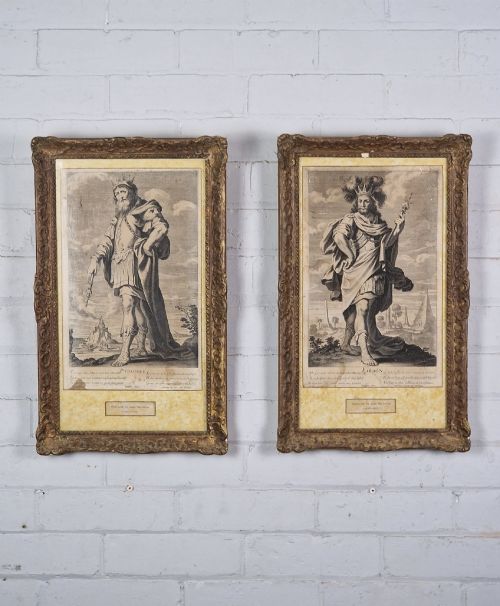
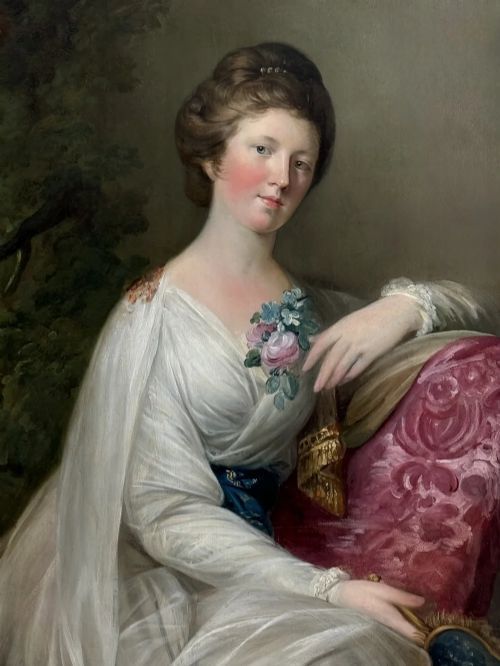
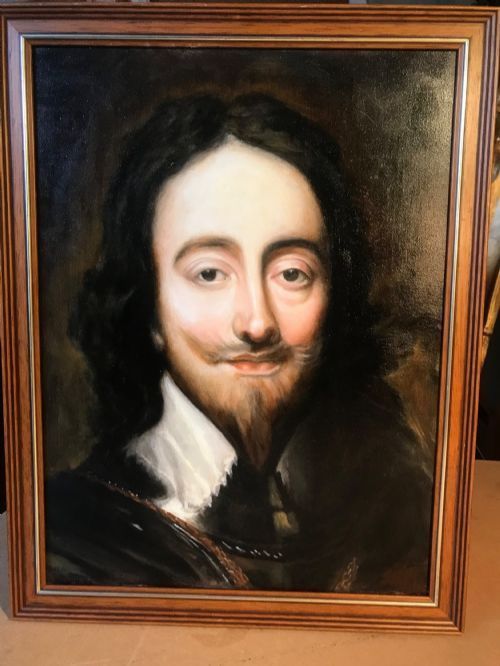
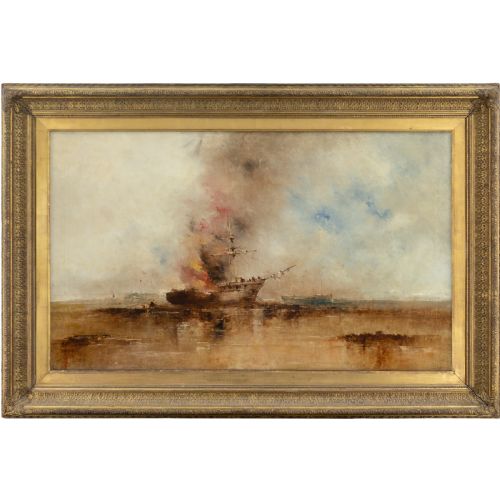
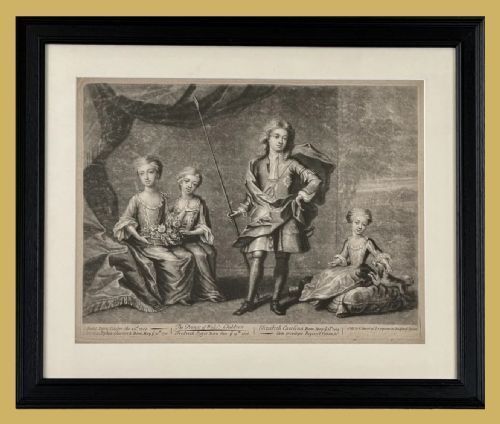
When searching for framed historical artwork, buyers encounter pieces spanning from the seventeenth century through to the Victorian era. These objects primarily take the form of oil paintings, watercolours, mezzotints, engravings, and silhouettes.
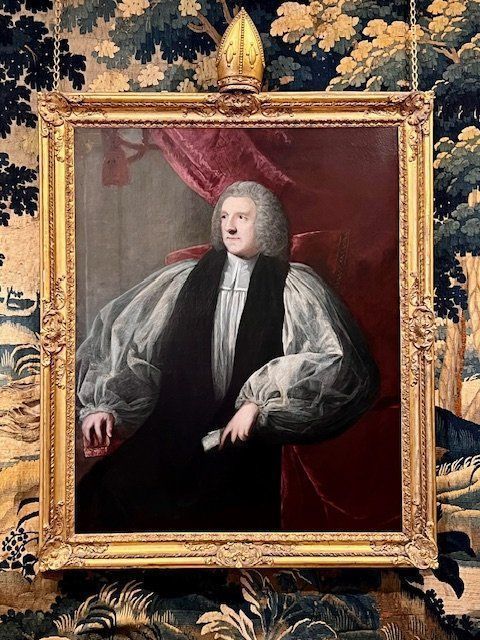
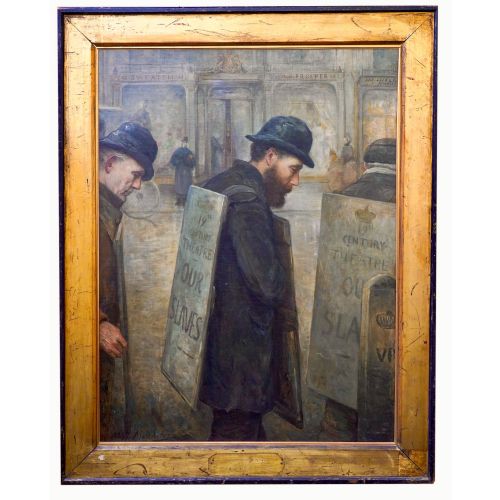
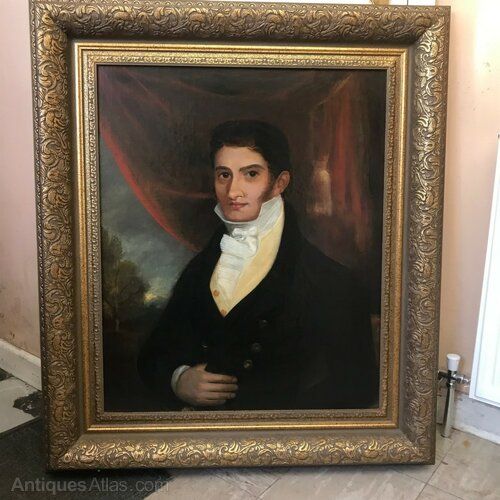
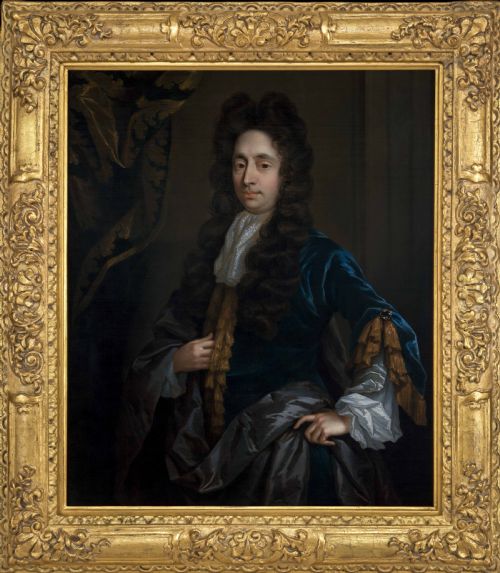
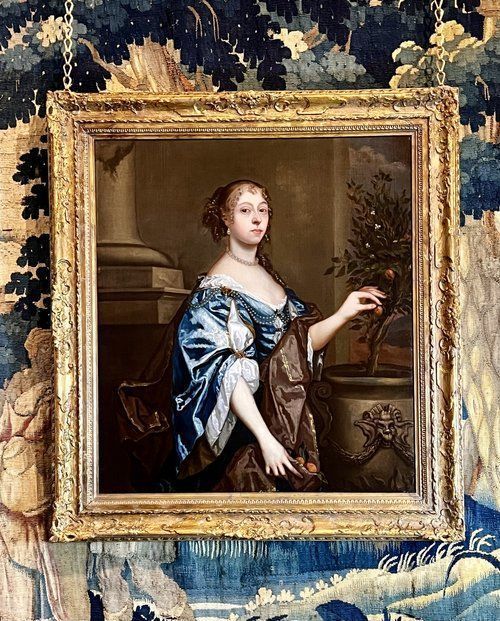
Surviving examples frequently retain their period framing, utilising materials such as giltwood to house canvas, panel, paper, and glass supports. The subjects range from identifiable historical figures to anonymous gentlemen, ladies, and social history records.
How they were made
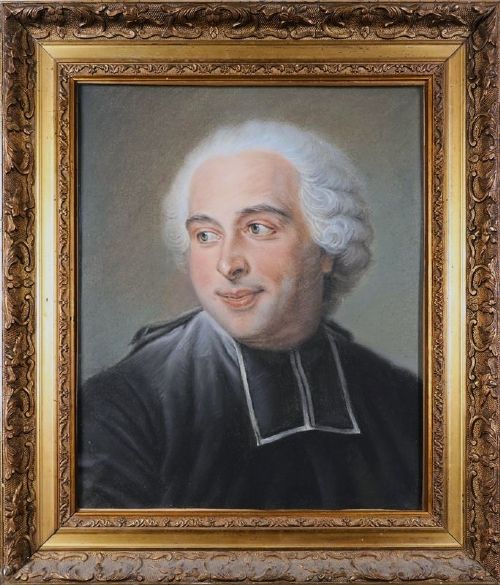
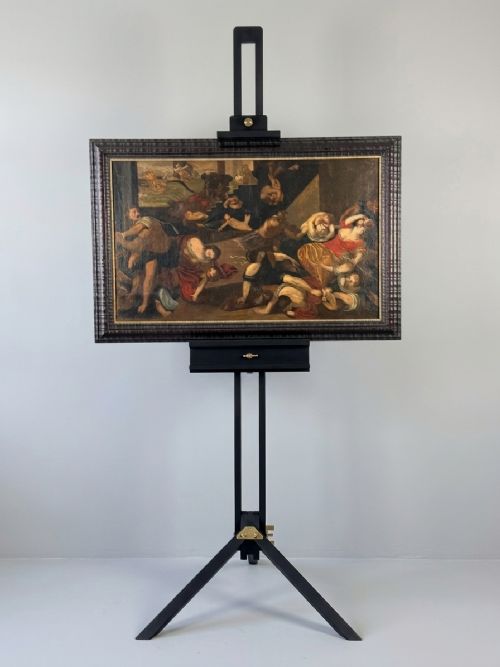
Makers utilised oil paint on canvas or wooden panel for major portraits and narrative scenes, applying pigment with careful brushwork to build depth and texture. Pastels and watercolours on paper capture finer, more immediate linear details.
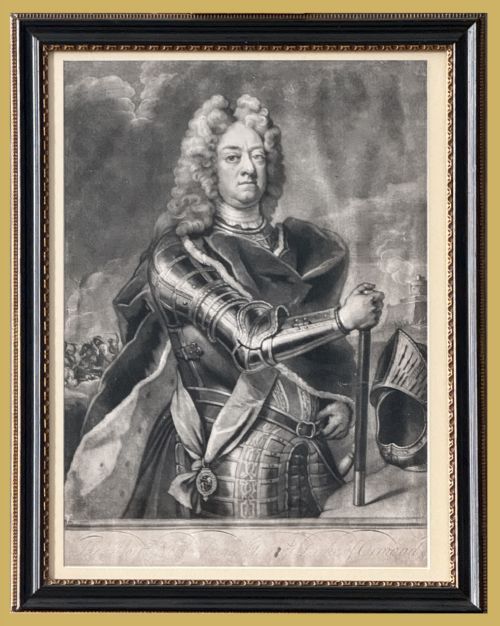
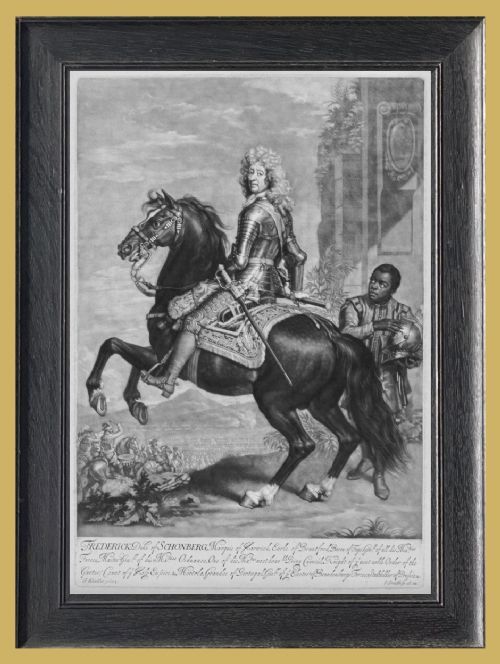
Printmakers employed techniques like mezzotint and engraving on paper plates, often working after paintings by prominent artists to disseminate likenesses widely. These paper works and paintings were then secured behind glass or within heavy wooden and gilt frames.
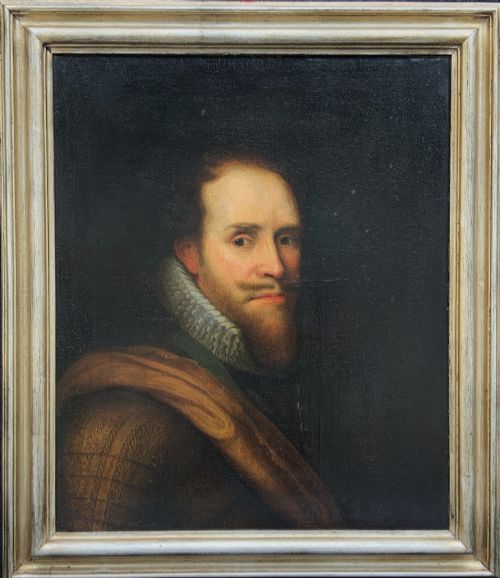
Listings feature seventeenth-century Dutch and German school oil paintings alongside eighteenth-century mezzotints and nineteenth-century watercolours.
What varies in quality
Quality rests significantly upon the fidelity of the draughtsmanship and the expressive capability of the brushwork or engraving line. Master painters and skilled printmakers capture anatomical structure and textile folds with convincing naturalism, whereas lesser studio hands produce stiffer, more formulaic compositions.
The survival and originality of the surrounding frame also influence the overall character of a piece. Works retaining period giltwood settings demonstrate greater integrity than those housed in mismatched modern mouldings.
Sir Joshua Reynolds P.R.A.·Anthony Van Dyck·John Simon·Constantyn Netscher·Augustin Edouart
The Framed Historical Artwork Glossary
- Mezzotint
- A printmaking process of the tonal method, enabling smooth gradations of light and shade. This technique was frequently utilised for reproducing grand portraits during the seventeenth and eighteenth centuries.
- Engraving
- A method of cutting design lines into a metal plate to hold ink for printing onto paper. This precise graphic process allowed detailed historical scenes and anatomical diagrams to be widely published.
- Giltwood
- Wood that has been coated with a thin layer of gold leaf or gold paint. It forms the lustrous finish seen on many traditional picture frames from the Baroque and Regency periods.
- Oil on panel
- A painting executed on a wooden support rather than canvas. This firm ground was standard for many early European works before canvas became dominant.
- Silhouette
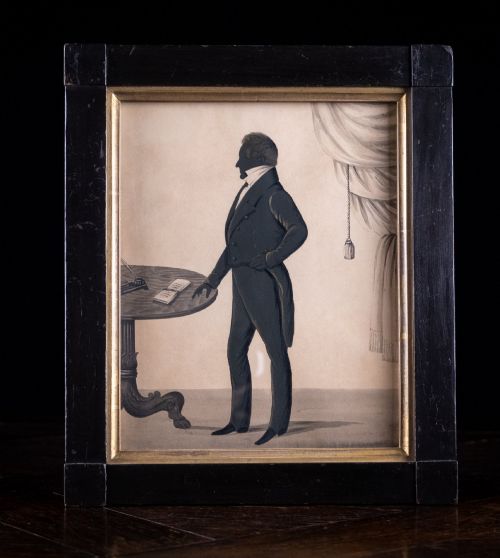
- A portrait profile cut from black paper or painted onto card or glass. Popularised in the eighteenth and nineteenth centuries, these stark profiles often depict sitters with economical precision.
Framed Historical Artwork: Frequently Asked Questions
How do I date an old frame?
Frame dating relies on moulding profiles, corner construction methods, and the type of gilding used. Earlier frames often feature carved wooden ornamentation, whilst later nineteenth-century examples utilise moulded compo compositions.
Examining the reverse reveals joinery clues and timber shrinkage that help correlate the frame's age with the artwork it encloses.
What is a mezzotint portrait?
A mezzotint is an intaglio print created by roughening a copper plate uniformly to achieve rich dark areas, then smoothing specific spots to create highlights. This tonal depth made the method ideal for translating oil paintings into print.
Publishers used this technique extensively to disseminate likenesses of nobility and military commanders.
How should I hang historical artwork?
Historical works require stable environments away from direct sunlight and strong heat sources to protect delicate paper, pigments, and wooden panels. Using picture hooks rated well above the weight of the heavy giltwood frames ensures secure wall mounting.
Maintaining consistent indoor humidity prevents the cracking of old canvas and wood.
Are portrait subjects always identified?
Many historical portraits record specific nobility, military officers, or notable citizens through contemporary inscriptions, armorial bearings, or archival records. However, a significant portion depict sitters whose identities have been lost over the centuries.
These anonymous works are typically categorised by costume, school, and approximate date.