


Framed Historical Art
Framed historical art gathers centuries of painted portraits, detailed engravings and needlework from British and European traditions.
Framed Historical Art
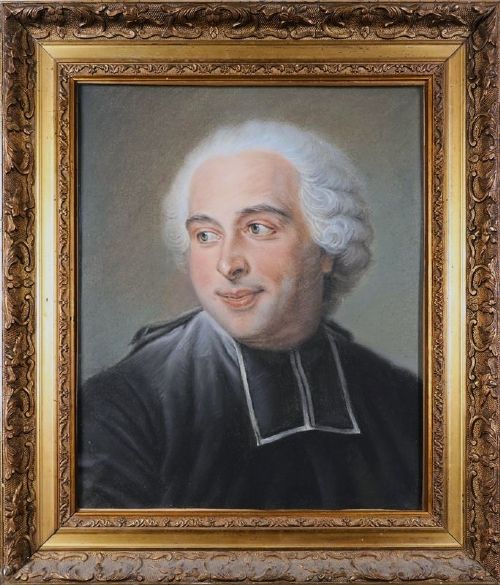
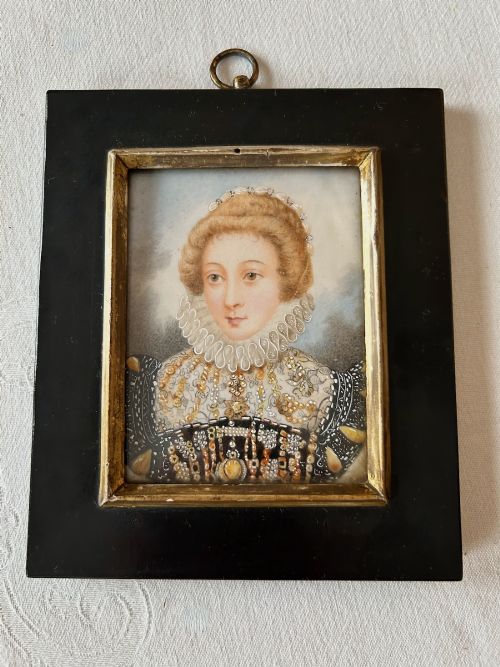
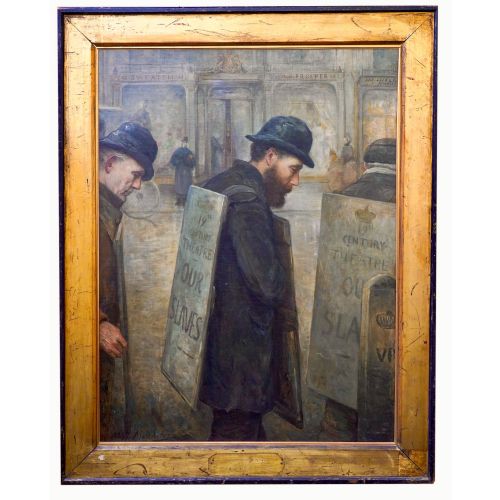
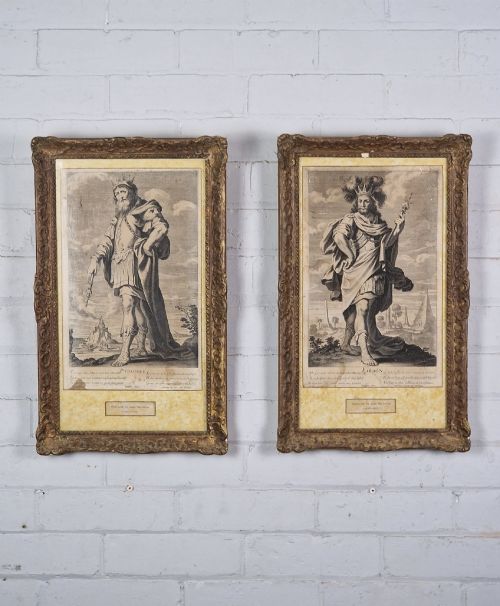
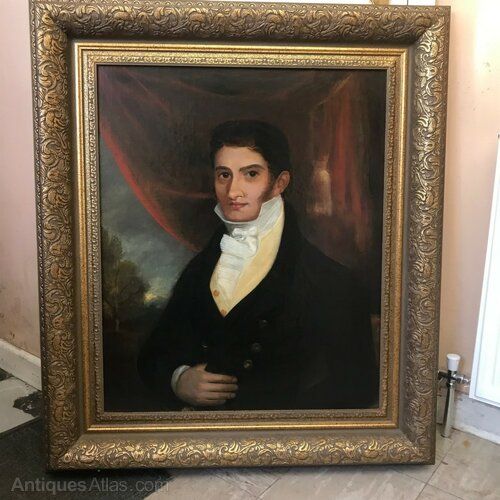
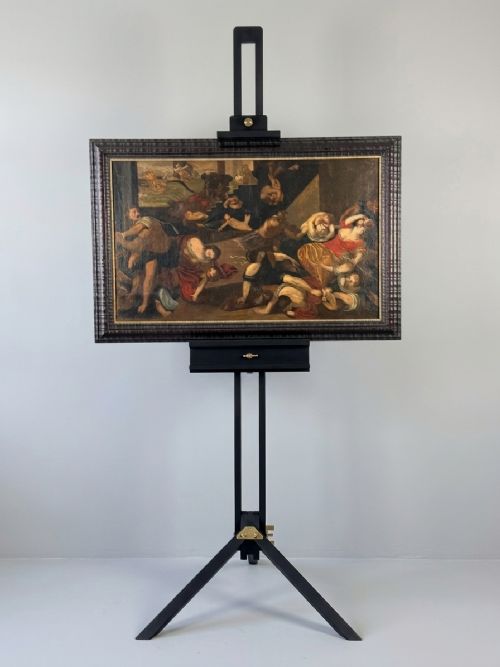
Framed historical art encompasses oil paintings, portrait miniatures, engravings and pastels depicting figures from the seventeenth century onward.
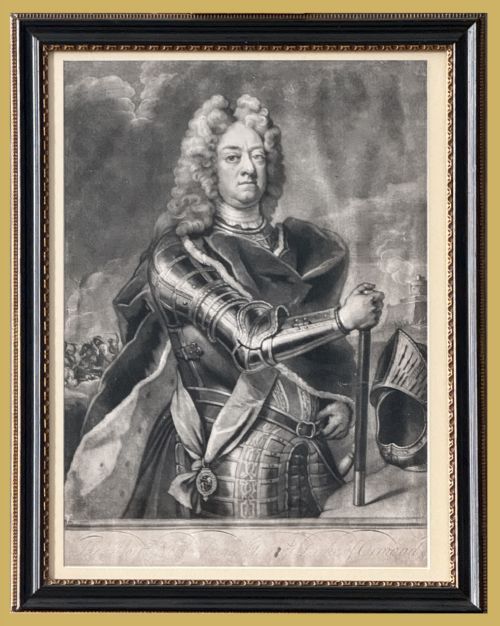
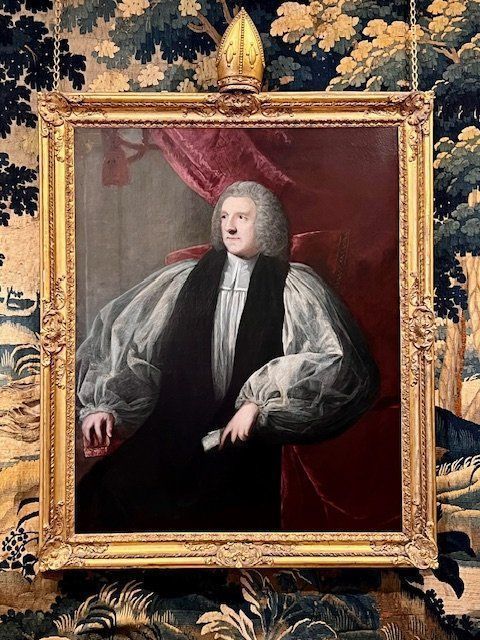
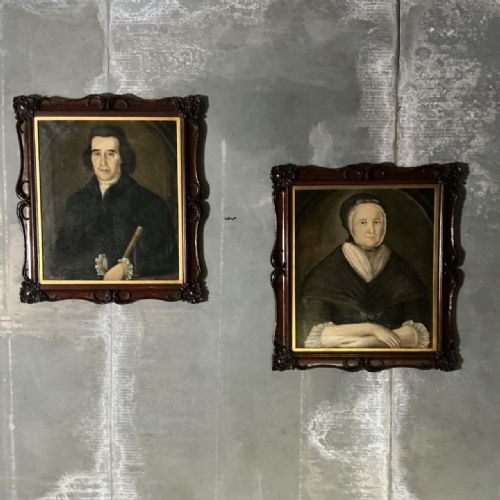
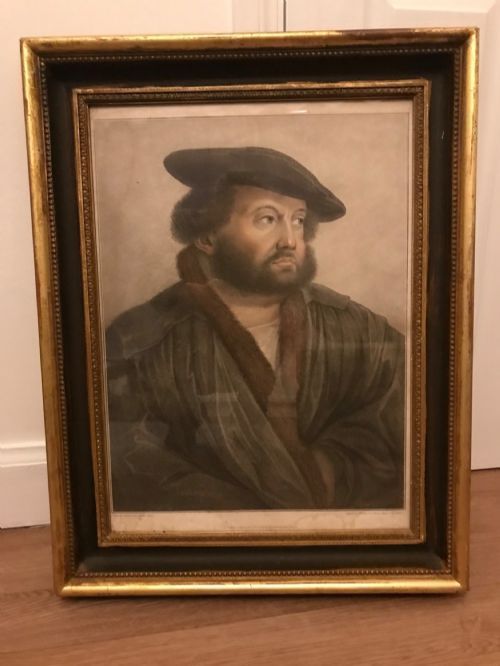
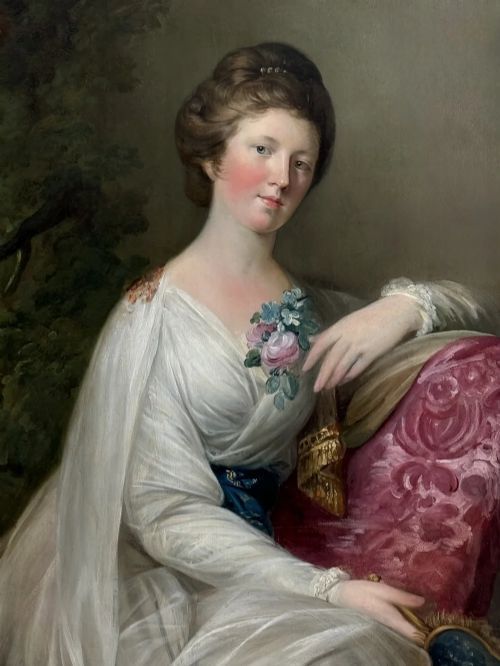
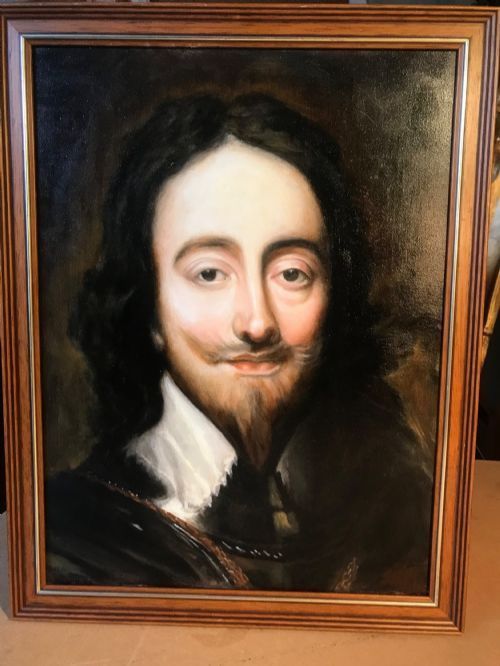
Buyers encounter oil on canvas portraits of military officers, merchants and nobility alongside stipple engravings and mezzotints after master painters.
The selection extends to silhouette profiles, anatomical prints and Victorian needlework samplers framed in period wood.
What varies in quality
The strength of the likeness and the fidelity of the draughtsmanship separate ambitious works from routine workshop productions.
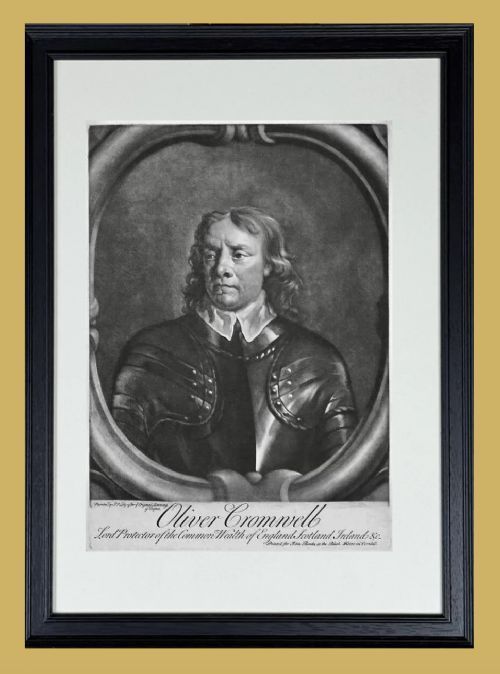
The quality of the printing plate, whether in a sharp mezzotint or a delicate stipple engraving, defines the clarity of the finished impression.
Original framing materials and the preservation of the canvas or paper surface influence the historical integrity of the piece.
Listings feature eighteenth-century mezzotints, seventeenth-century Dutch Old Master portraits, and Victorian needlework samplers.
Sir Joshua Reynolds·Sir Peter Lely·Hans Holbein·Anthony Van Dyck·John Simon·Francesco Bartolozzi
The Framed Historical Art Glossary
- Mezzotint
- A printmaking process where the copper plate is roughened to achieve rich tones and subtle gradations of light and shade. This technique was frequently used for reproducing oil paintings of notable historical figures.
- Stipple engraving
- A method of creating prints using dots rather than continuous lines to build up form and texture. It became popular for delicate portraiture in the eighteenth century.
- Portrait miniature
- A small, highly detailed painting on panel, vellum or card depicting an individual. These intimate works often captured family members or prominent historical subjects.
- Giltwood
- Wood carved and coated with gold leaf or metallic paint to create a decorative frame. Such frames provide a traditional surround for oil paintings and engravings.
- Oil on canvas
- Pigments bound in drying oil applied to a stretched woven fabric support. This medium dominated European portraiture and narrative painting for centuries.
Framed Historical Art: Frequently Asked Questions
What periods do these artworks cover?
The works span from the seventeenth century through the Regency and Victorian eras up to the mid-twentieth century.
Oil portraits and mezzotints from the Caroline and Georgian periods sit alongside nineteenth-century watercolours and needlework.
How were these portraits originally displayed?
Landed families hung oil paintings and framed engravings in ancestral galleries and private libraries to record lineage and status.
Smaller portrait miniatures and silhouettes were kept in private chambers or carried as personal tokens.
Are the frames original to the pieces?
Many works retain period frames of giltwood or dark wood that complement the era of the artwork.
Some pieces have been reframed over time to protect the canvas or paper from environmental wear.
How do I distinguish an oil painting from a print?
Oil paintings display textured brushstrokes and layered pigment built up on canvas or wood panels.
Prints show inked lines or dot patterns under magnification, reflecting mechanical plate printing processes.