

Framed Harbour Wall Art
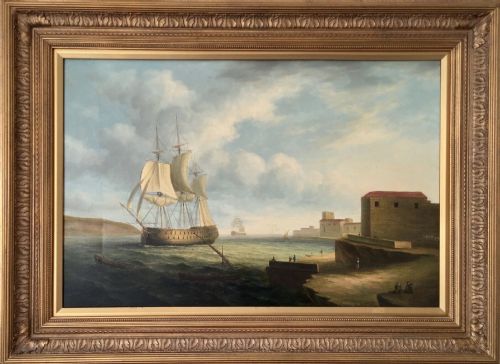
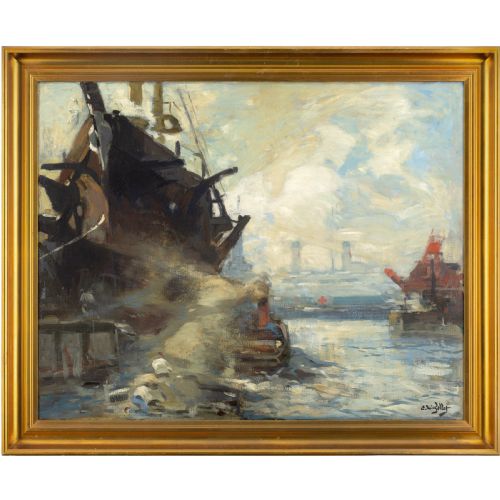
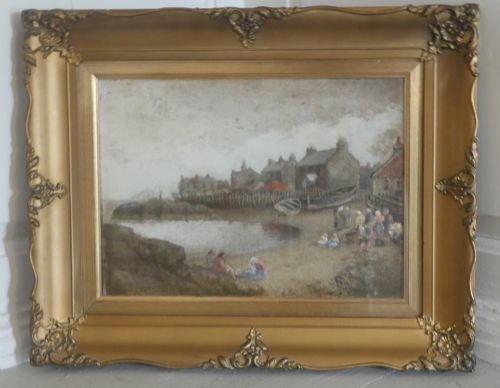
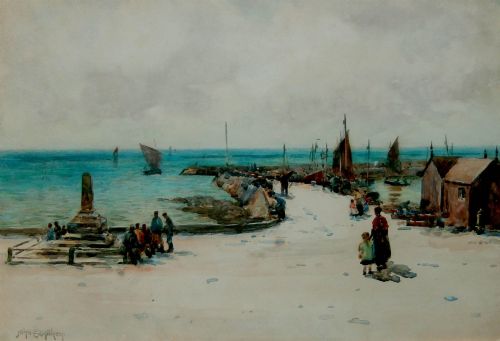
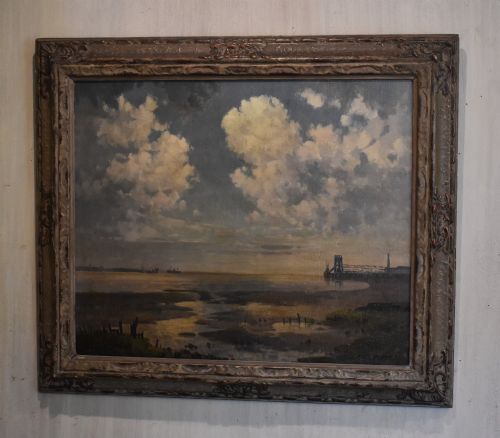
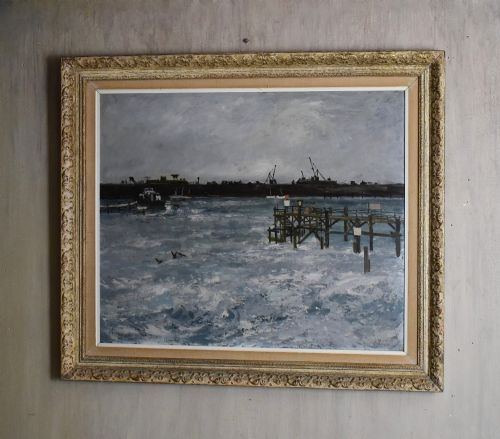
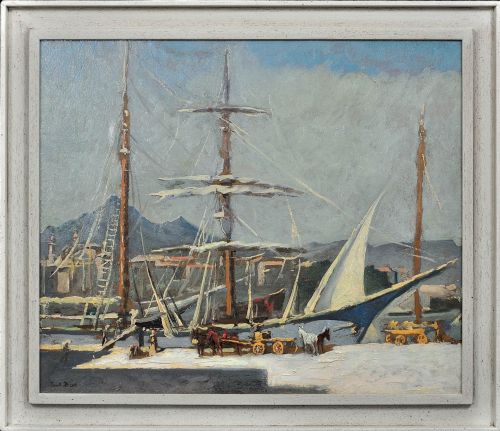
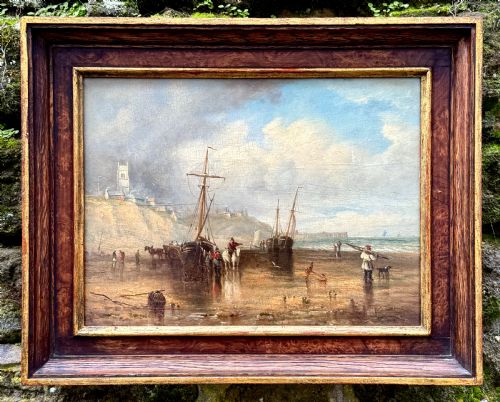
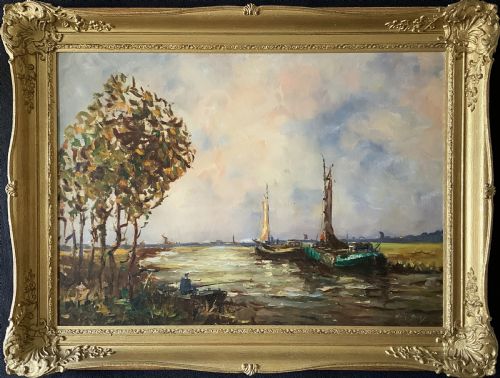
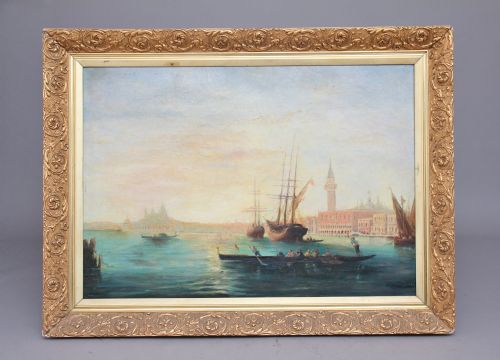
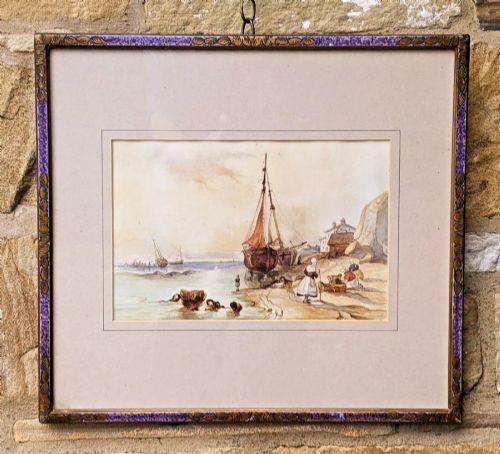
When you search for framed harbour wall art, you are looking at maritime scenes and coastal anchorages captured across the nineteenth and twentieth centuries.
Framed Harbour Wall Art
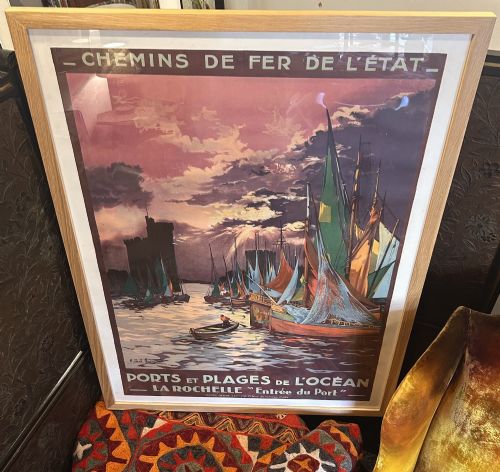
Framed harbour wall art encompasses maritime paintings, watercolours, and posters depicting ships, docks, and coastal communities from the eighteenth century onwards.
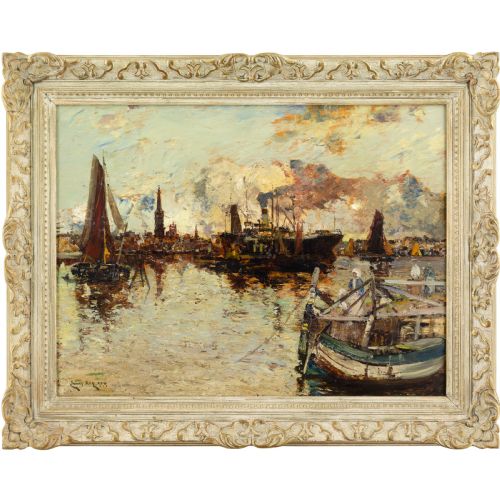
You will frequently encounter nineteenth-century watercolours of English and Scottish fishing ports alongside early twentieth-century oil paintings of European and British coastal scenes.
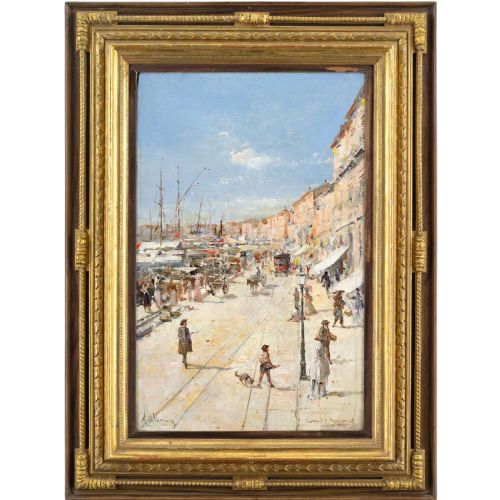
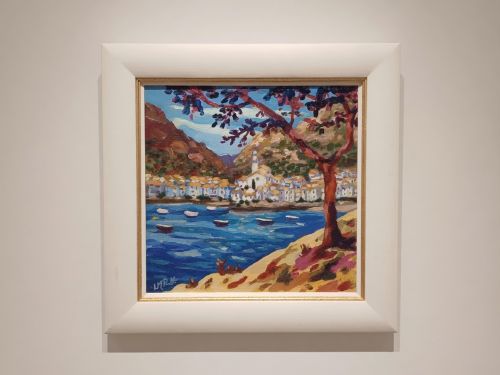
These works range from traditional British seascapes and Victorian fine art to mid-century depictions of Mediterranean harbours and industrial river pools.
How they were made
Artists painted these coastal views using oil on canvas, oil on board, or watercolour applied to paper, often set within period wooden frames behind glass where appropriate.
The materials reflect the period of creation, moving from traditional nineteenth-century oil paints and watercolours to mid-century canvas and paper advertising posters.
Listings span the nineteenth and twentieth centuries, incorporating British, French, Dutch, and Italian coastal locations.
What varies in quality
Quality rests in the artist's handling of light, water, and atmospheric conditions, distinguishing observational skill from routine topographical illustration.
The fidelity of the framing and the preservation of the pigment, canvas, or paper significantly influence the visual impact of the piece.
James Hardy·Eugène-Louis Gillot·Edward Mills·John E. Aitken·William Banks Fortescue·James Kay·Augusto Alberici·Clive Browne·Peter Brannan·Paul Bret·Thomas Creswick·Willem Bos·William Matthison·Thomas Hodgson Liddell·Walter Goodin·Alfred George Morgan·Charles William Wyllie·Paul Delvaux·Commander Eric Tufnell·Edward Matthew Elliott·Richard Harry Carter·Gyrth Russell·Jean-Baptiste Olive·William Lee Hankey·Donald McIntyre
The Framed Harbour Wall Art Glossary
- Watercolour
- A painting method in which the paints are made of pigments suspended in a water-based solution. It is typically applied to paper to achieve translucent washes of colour.
- Seascape
- A work of art that depicts the sea, ships, or coastal views. These pieces often focus on maritime activity or the weather patterns over water.
- Impressionism
- A nineteenth-century art movement characterised by relatively small, thin, yet visible brush strokes and an emphasis on accurate depiction of light. British practitioners adapted these principles to local coastal conditions.
- Panel
- A flat piece of wood used as a support for a painting instead of canvas. Artists utilised panels frequently for smaller oil works.
Framed Harbour Wall Art: Frequently Asked Questions
How do I date an old harbour painting?
Dating relies upon the costume of any figures depicted, the architectural styles of the buildings or ships, and the framing materials used.
Signatures, artist registry dates, and exhibition labels on the reverse also provide secure chronological markers.
Where should I hang maritime art?
These pieces suit rooms with natural light, particularly studies, hallways, or living spaces where the coastal subject matter creates an open atmosphere.
Keep them away from direct sunlight and damp walls to preserve the integrity of the canvas or paper.
What is the difference between an oil and a watercolour?
Oils utilise pigment suspended in drying oil, applied to canvas or wood panels, allowing for rich textures and layered colours. Watercolours employ water-soluble pigments on paper, yielding a lighter, more transparent finish.
Are these works original or prints?
The pieces recorded here are original hand-painted watercolours, oils, or period posters rather than modern reproduction prints.
Close inspection under magnification reveals brush strokes, pigment texture, and paper grain unique to each work.