

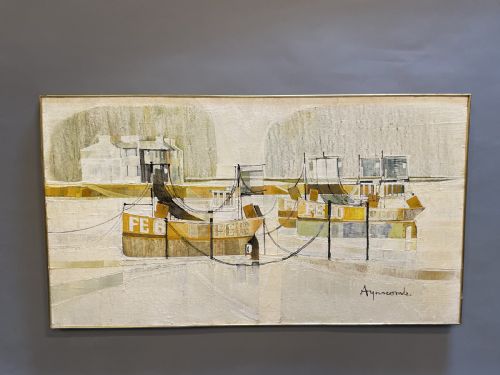


Original Harbour Oil Artwork
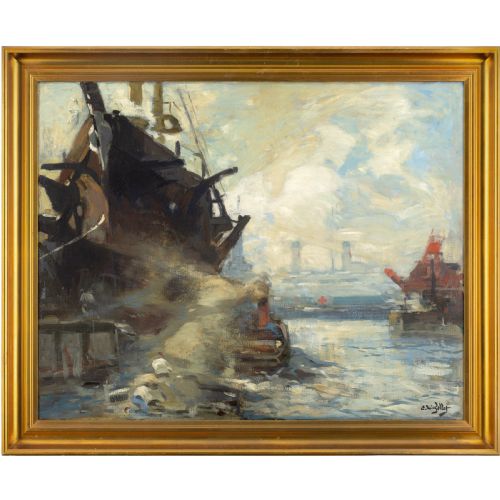
When you search for original harbour oil artwork, you uncover maritime scenes painted on canvas and board from the nineteenth and twentieth centuries.
Original Harbour Oil Artwork
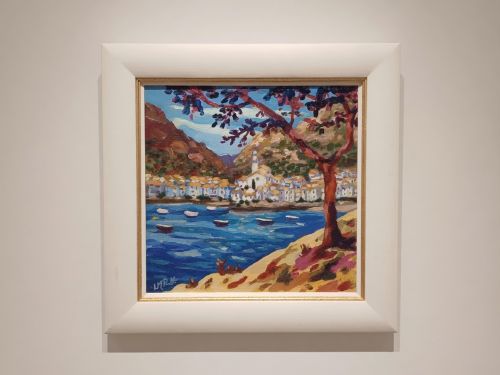
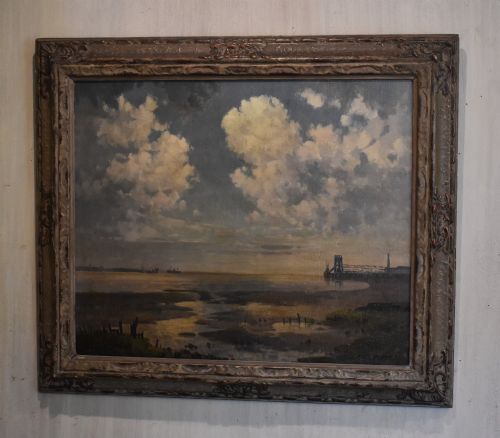
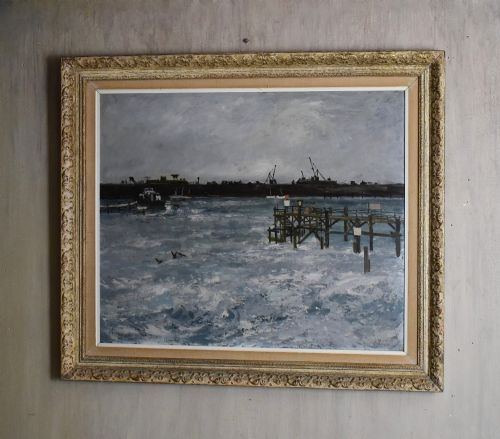
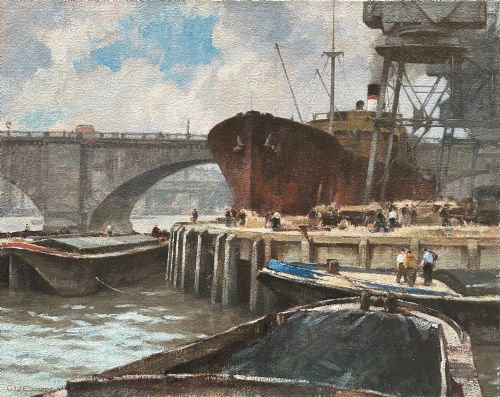
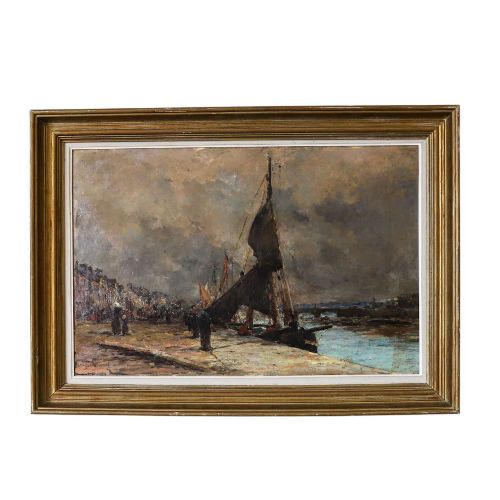
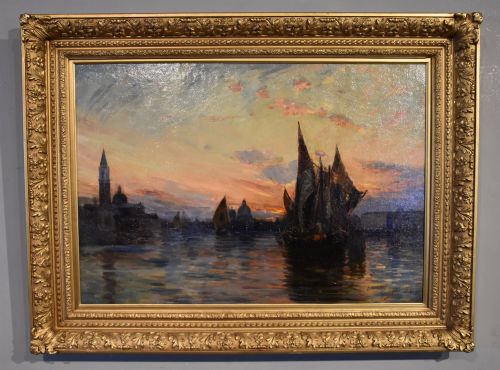
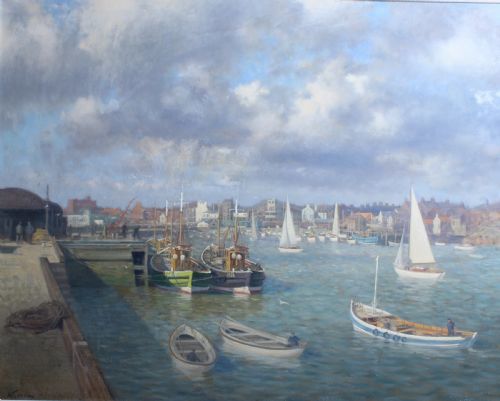
Original harbour oil artwork comprises maritime scenes, coastal views and port landscapes executed in oil paint. These paintings capture busy commercial ports, quiet fishing quays and tidal estuaries across Britain and continental Europe.
You will encounter works spanning from the nineteenth century through the mid-twentieth century, with strong representation from the Edwardian era and the nineteen-fifties and nineteen-sixties.
Many of these pieces record specific locations, from Cornish fishing villages like St Ives and Polperro to Venetian canals and French harbours, often rendered in Impressionist or Post-Impressionist styles.
How They Were Made
Artists painted primarily with oil paint on stretched canvas, wooden board or wood panel, applying pigment with brushes or palette knives to build texture.
Impasto techniques appear frequently in mid-century works, creating thick, raised passages of paint that catch the light and describe the movement of water.
Surviving pieces are typically housed in their original framing, which ranges from simple wood moulding to ornate, gilt-finished frames.
Several artists captured busy harbour walls just as the tide went out, leaving boats resting at odd angles in the mud.
What Varies in Quality
Quality rests in the artist's handling of light, atmosphere and maritime perspective, distinguishing routine topographical records from accomplished tonal studies.
The strength of the composition and the confidence of the brushwork determine the visual impact of the coastal scene, particularly in how water, sky and architecture interact.
Kenneth Cozens·Eugène-Louis Gillot·Clive Browne·Peter Brannan·Thomas Hodgson Liddell·Walter Goodin·Paul-Jean Anderbouhr·Edward Matthew Elliott·Gyrth Russell·Jean-Baptiste Olive·James Fry·George Turland Goosey·Donald McIntyre·Jack R Mould·Antonio Godoy·H. Hadfield Cubley·John Sanderson Wells·Owen Bowen·Ernst Louizor·Jane Vivian·Charles Euphrasie Kuwasseg·Henri Ottman·Frank Myers Boggs·Johan Jens Neumann
The Original Harbour Oil Artwork Glossary
- Impasto
- Paint applied thickly to a canvas or board, standing out in relief from the surface. This technique allows brush or knife marks to retain their physical texture and dimension.
- Maritime
- Depicting the sea, ships, boats, harbours and coastal life. Such subjects form the primary focus of marine painting and coastal art.
- Post-Impressionism
- An art movement developing roughly from the eighteen-eighties that extended Impressionism while rejecting its limitations. Artists used vivid colours, distinct brush strokes and symbolic content.
- Gilt Wood
- Wood carved and coated with gold leaf or a gold-coloured metallic finish. This material is commonly found on antique picture frames surrounding oil paintings.
- Board
- A rigid flat panel used as a painting support instead of woven canvas. Artists often worked on wooden board or prepared pulpboard during the nineteenth and twentieth centuries.
Original Harbour Oil Artwork: Frequently Asked Questions
How do I date an old oil painting?
Dating relies on stylistic clues, the artist's working years, and physical evidence such as canvas stamps, framing methods, and the type of board or stretcher used.
Signatures, exhibition labels, and written inscriptions on the reverse often provide specific dates or a clear window of production.
What is the difference between canvas and board?
Canvas is a woven fabric, usually linen or cotton, stretched tightly over a wooden frame before painting. It yields slightly to the touch.
Board is a rigid, solid support made of wood or pressed pulp, offering a completely firm surface that requires no tension.
How should I hang and light oil artwork?
Hang oil paintings away from direct sunlight and steady heat sources to protect the canvas and pigments from drying out or fading over time.
Use dedicated picture lights with low heat output to illuminate the surface without exposing the paint layers to damaging ultraviolet rays.
Why do some marine paintings have thick paint?
Artists used thick paint, known as impasto, to mimic the rough texture of crashing waves, foaming sea spray, and weathered harbour walls.
This physical build-up of pigment catches natural room light, giving the water and sky a tangible sense of movement and depth.