



Framed Glass Print
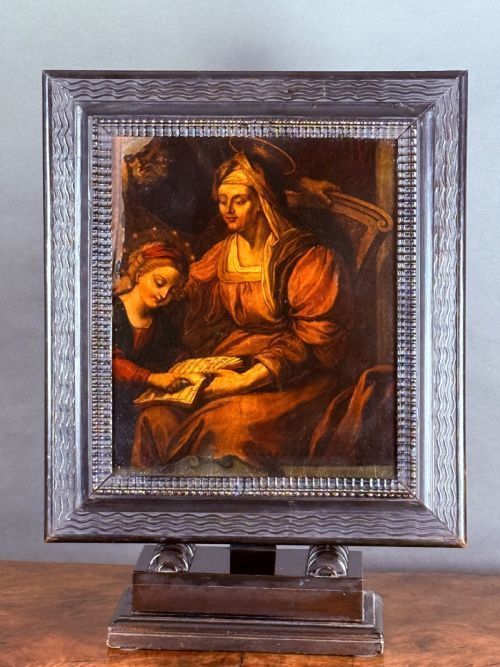
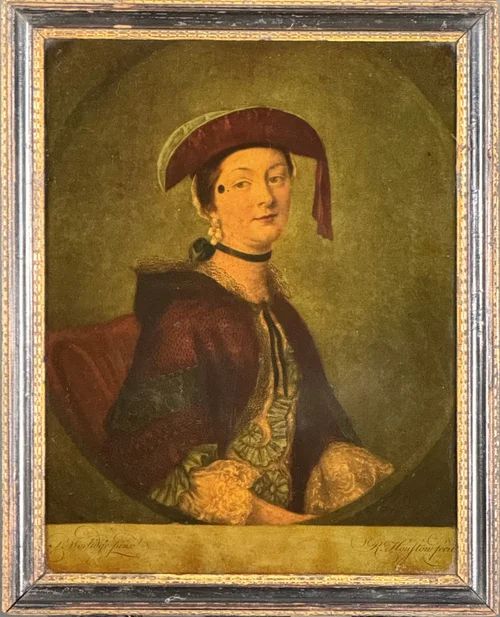
Framed glass print works of art bring together centuries of intricate reverse painting and delicate mezzotints protected beneath clear panels.
Framed Glass Print
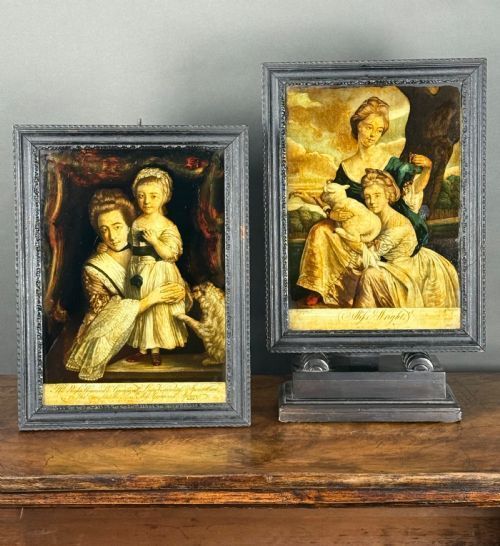
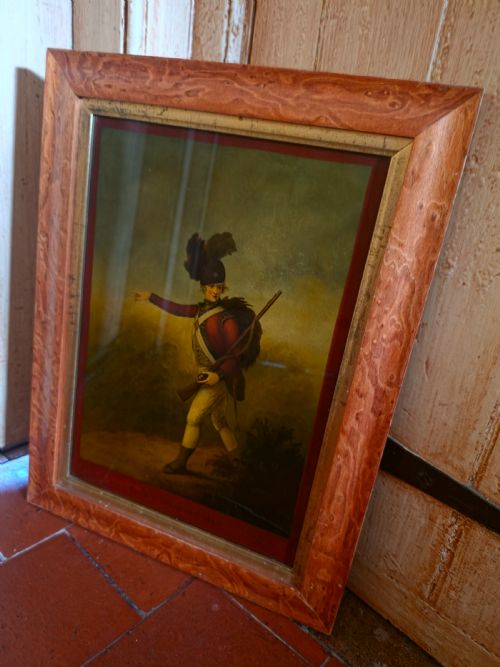
A framed glass print is an artwork produced through reverse painting or mezzotint engraving applied directly to glass or placed beneath it. These pieces span Georgian, Regency, and Victorian periods, capturing portraits, allegorical seasons, and naval battles.
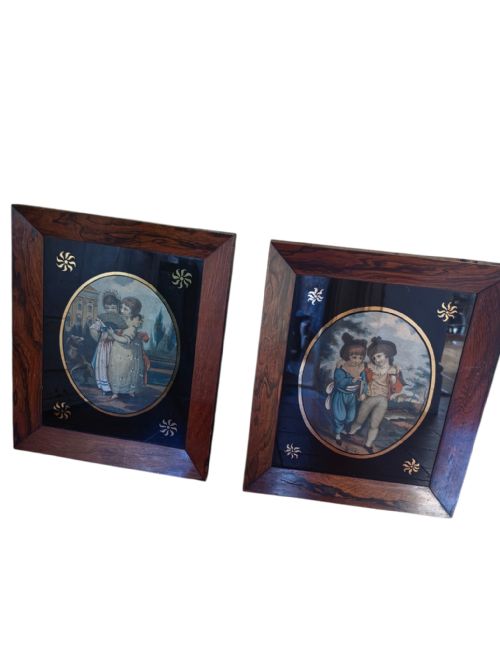
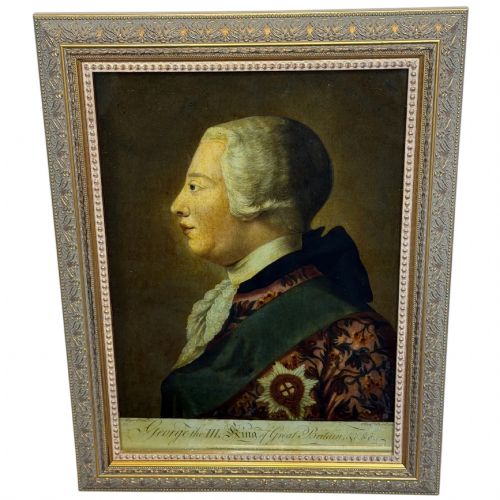
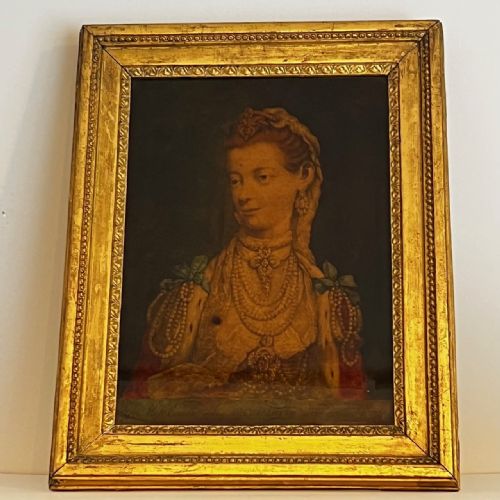
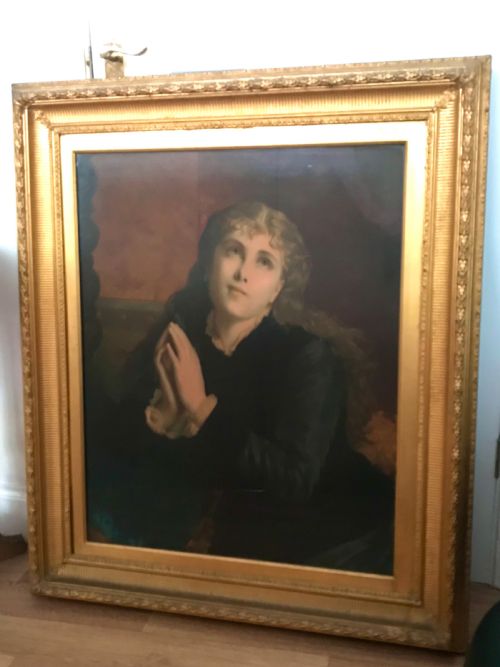
The most common examples encountered on this page are reverse glass mezzotints and paintings depicting royal figures, literary subjects, and allegorical scenes. They often arrive housed in period wooden mouldings such as maple or rosewood.
Makers and publishers ranging from the eighteenth century onward utilised specialised transfer techniques to apply inked impressions onto glass plates. Collectors encounter these works in formats varying from single portraits to complete sets representing the four seasons.
How They Were Made
Makers created reverse glass prints by adhering a printed paper image face down onto a glass sheet, rubbing away the paper pulp, and applying pigment or oil paint to the reverse side. This technique required painters to apply fine details first and broader background tones last.
Materials recorded in the listings include glass, paper, wood, giltwood, gold leaf, pigment, and oil paint. Frames utilise rosewood, walnut veneer, and maple to house the delicate glass panels safely.
Listings feature 18th century and 19th century pieces utilising glass, paper, wood, giltwood, and oil paint.
What Varies In Quality
Quality depends upon the precision of the hand-applied pigment behind the glass and the clarity of the underlying mezzotint impression. Early examples show finer gradations of tone in portraiture and religious subjects.
The integrity of the original frame alters the desirability of a piece, with period rosewood or maple housings contributing significantly to the object's character. Well-preserved pigment layers without extensive flaking distinguish superior specimens from heavily restored ones.
Fletcher·Sebastiaan Vrancx·Charles Spooner·Richard Purcell·Robert Sayer·Abraham Cooper
The Framed Glass Print Glossary
- Reverse glass painting
- An artwork painted on the back of a glass panel so the final image is viewed through the front. This method protects the pigment from dust and environmental wear.
- Mezzotint
- A printmaking process of the intaglio family where tones are developed by roughening the copper plate with a rocker. It produces rich dark areas and subtle tonal gradations.
- Crystoleum
- A Victorian method of applying a hand-coloured print to glass, clearing the paper, and adding further layers of paint. These pieces offer a three-dimensional depth.
- Giltwood
- Wood carved and coated with gold leaf or gold paint. It frequently forms the decorative frames surrounding eighteenth and nineteenth-century portraits.
- Eglomise
- A process of applying cold gilding and painting to the rear face of glass. The resulting panels serve as decorative inserts in mirrors and furniture.
Framed Glass Print: Frequently Asked Questions
What is a reverse glass print?
A reverse glass print is an image transferred or painted onto the back of a glass sheet so it is viewed from the front. The technique protects the delicate pigments from atmospheric damage.
Makers applied the paper print face down, rubbed away the backing, and hand-tinted the reverse using oil paint or pigment.
How do I date a glass print?
Dating relies on the costume of the figures depicted, the style of the engraving, and the construction of the enclosing wooden frame. Georgian and Regency pieces often feature monarchs or classical allegories.
Examining the backing boards and glass characteristics also helps determine whether the piece originates from the eighteenth or nineteenth century.
Why do some prints have pairs?
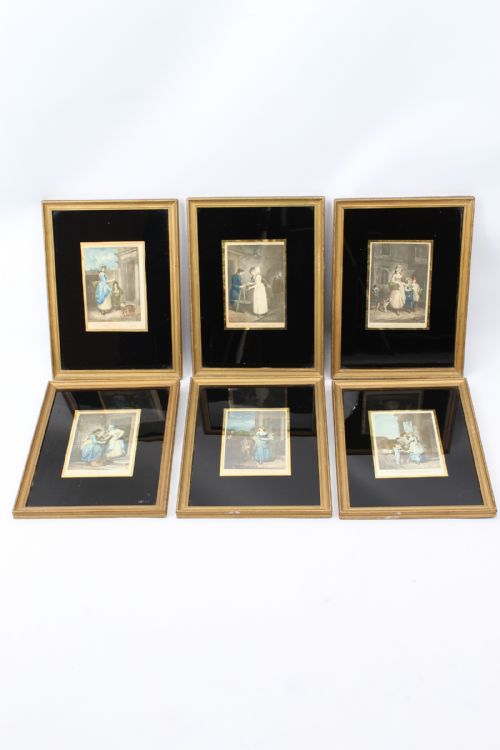
Makers frequently produced decorative art in sets representing themes like the four seasons or allegorical pairs such as spring and summer. Collectors kept these matching groupings together to adorn period interiors.
Finding a surviving pair or complete set remains a notable occurrence in historical home decor.