

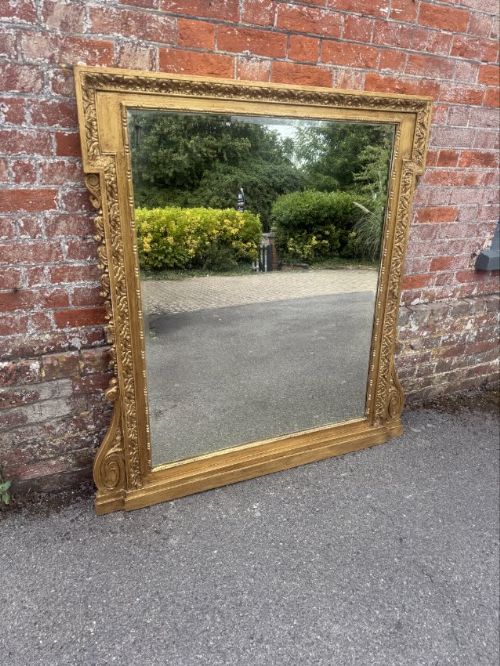
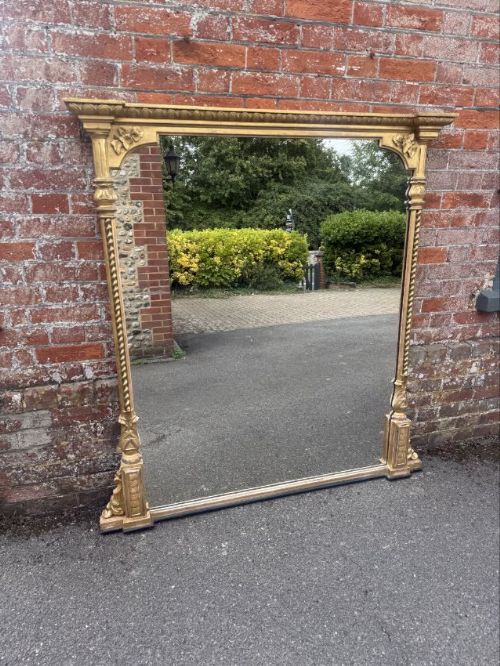
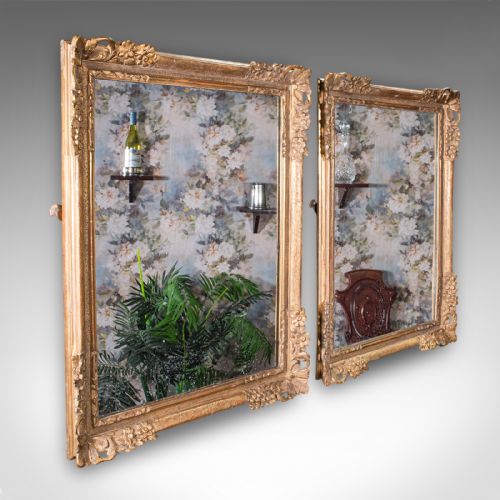
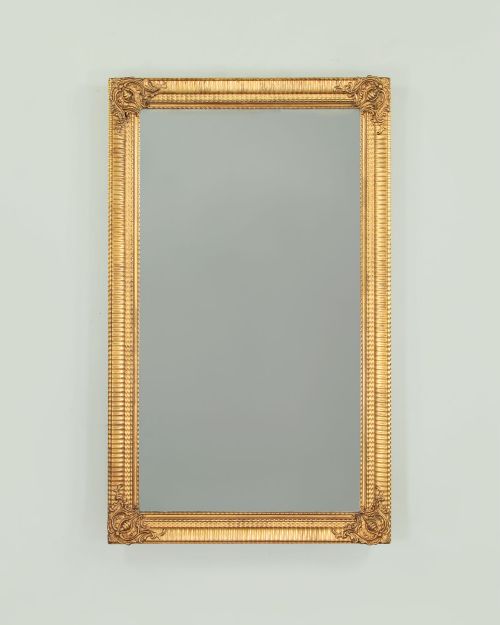
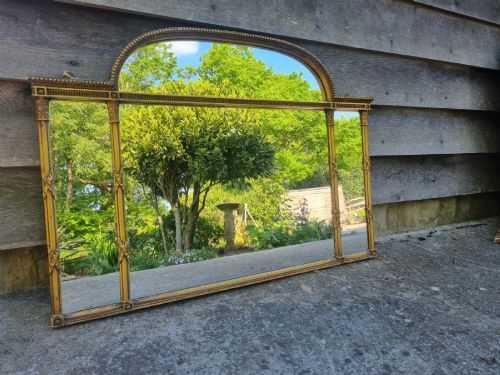
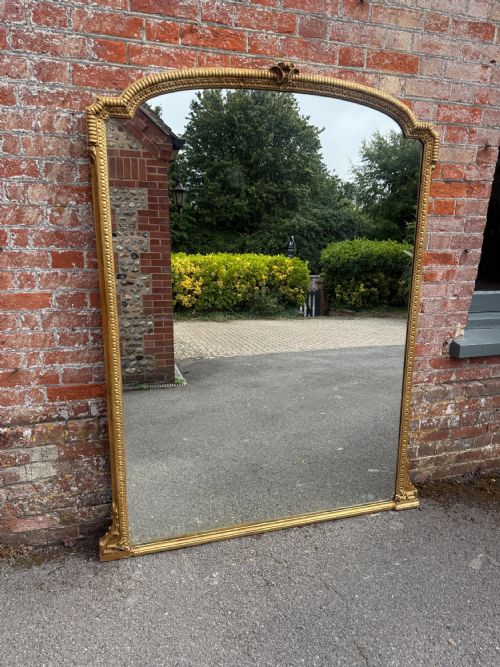
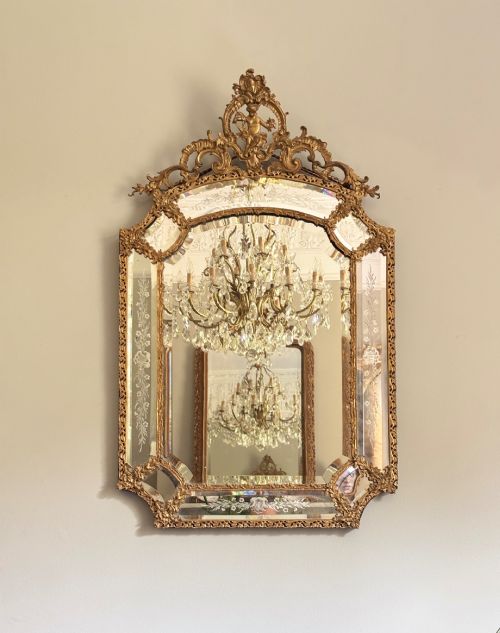
Framed Glass Overmantel Mirror
A framed glass overmantel mirror anchors a chimney breast, catching light and enlarging a room with traditional proportion.
Framed Glass Overmantel Mirror
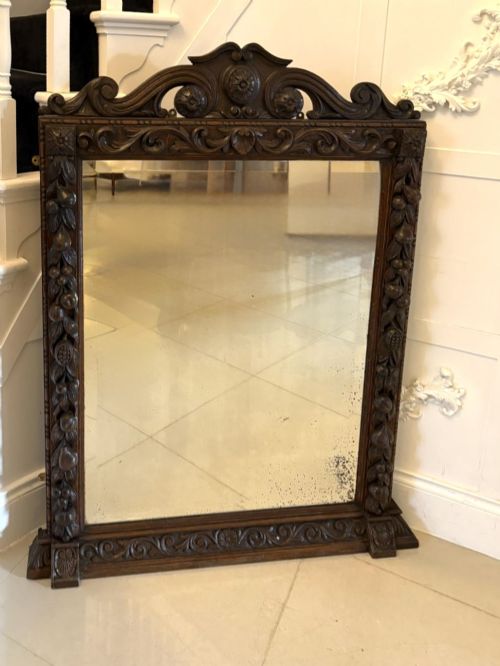
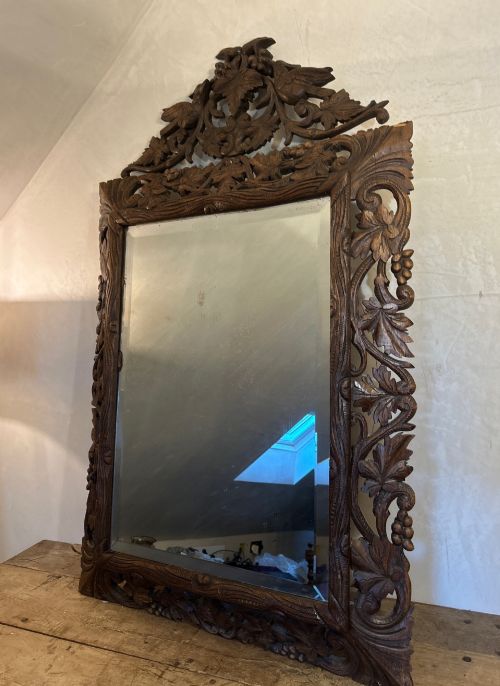
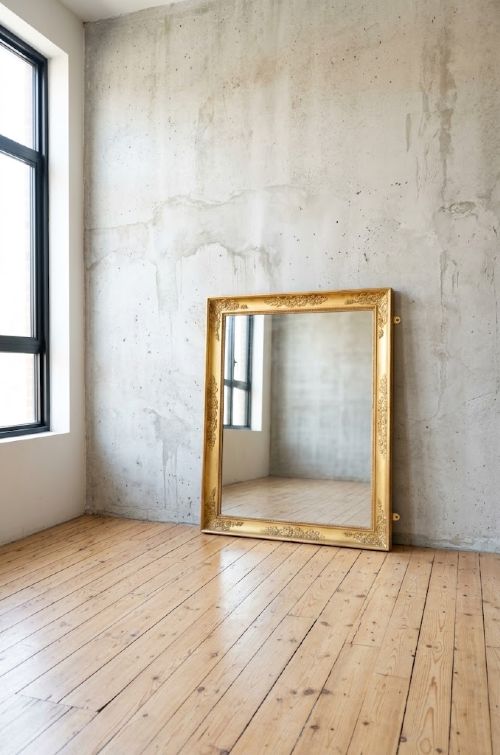
A framed glass overmantel mirror is a wide looking glass designed to sit directly above a fireplace mantelpiece. The pieces gathered here span the 18th, 19th, and early 20th centuries, originating from English and French workshops.
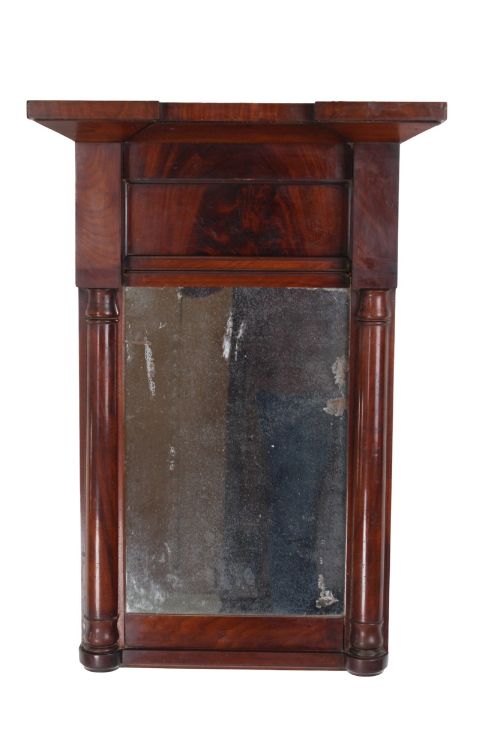
Most examples you encounter on this page date from the Victorian and Regency periods, taking forms such as arched tops, shaped frames, and rectangular formats intended for domestic reception rooms.
Makers utilised various timbers alongside giltwood and gesso, creating architectural focal points that reflect both period interior design and practical illumination.
How They Were Made
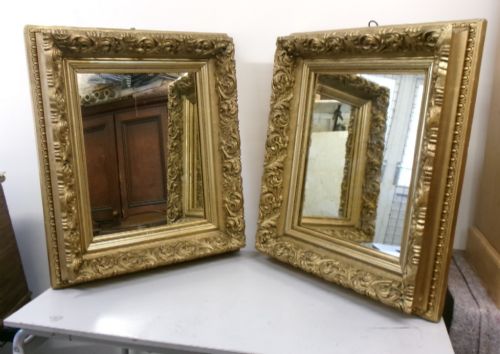
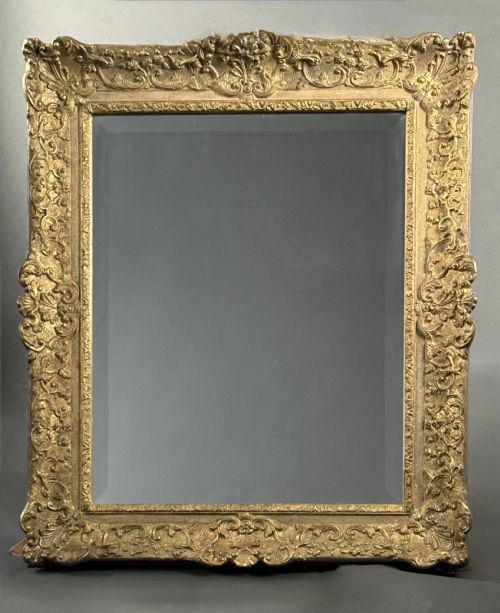
Craftsmen shaped frames from woods like oak, walnut, and mahogany, often applying layers of gesso to carve intricate rope twist, floral, or mythological ornamentation before finishing with gold leaf.
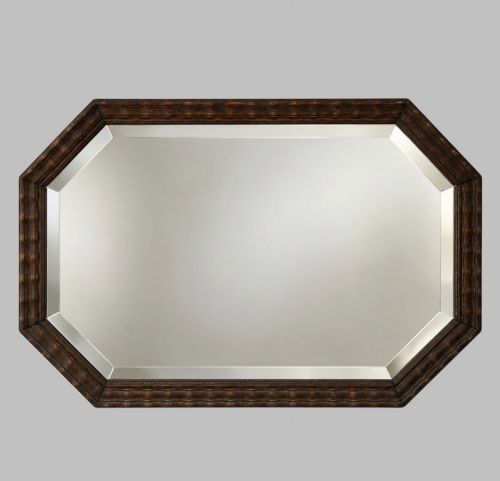
Mirror plates ranged from early mercury glass showing foxed oxidation to later bevelled glass plates set securely within heavy timber or composition mouldings.
Some French trumeau mirrors include pastoral oil paintings of galleons at sea tucked right above the glass.
What Varies in Quality
The standard of a framed glass overmantel mirror depends on the depth and crispness of the hand-carved wood and gesso ornamentation rather than surface shine alone. Superior examples retain their original gilding and undamaged mercury or bevelled glass plates without modern replacements.
Proportion dictates value, as wider pieces designed for grand chimney breasts demand precise joinery to support heavy glass plates securely within their frames.
Waring and Gillow
The Framed Glass Overmantel Mirror Glossary
- Overmantel mirror
- A large mirror specifically proportioned to hang above a fireplace mantelpiece. These pieces often incorporate landscape or architectural top sections.
- Gesso
- A plaster-like mixture applied to wood frames to create a smooth surface for carving and gilding. It allows for intricate relief details.
- Foxed glass
- Mirror glass showing natural age-related dark spots and oxidation. This chemical breakdown occurs as the silver or mercury backing degrades over centuries.
- Giltwood
- Timber coated with gold leaf or gold paint. It provides a bright reflective surface that catches candle or daylight.
- Pier glass
- A tall mirror designed to hang on the wall space between two windows. They share similar framing techniques with overmantel mirrors.
Framed Glass Overmantel Mirror: Frequently Asked Questions
Where should I hang an overmantel mirror?
These mirrors traditionally sit directly above a drawing room or dining room fireplace mantelpiece to reflect light back into the space.
Ensure the wall fixings match the substantial weight of the timber and glass frame before mounting.
What is foxed glass?
Foxed glass refers to the speckled, dark patches that appear on older mirror plates as the backing material ages over decades.
Collectors often value this natural ageing process as proof of authenticity and period manufacture.
How do I identify a Regency mirror?
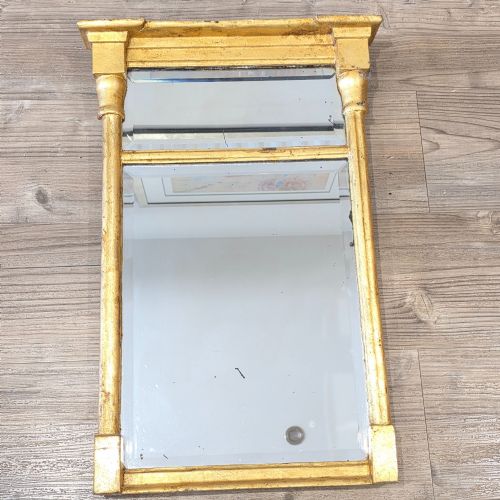
Regency frames often display classical architectural motifs, convex circular forms, or giltwood pier designs dating from the early nineteenth century.
Look for original timber construction behind the gilding to confirm the period.
Can these mirrors be cleaned easily?
Use a soft, dry cloth to remove dust from the carved gesso and wooden frames without disturbing delicate gold leaf.
Avoid harsh chemical cleaners on antique glass plates, particularly those showing original foxing.