


Framed Genre Painting
Framed genre painting captures everyday domestic scenes, historical moments and social life, preserved in oil on canvas or watercolour.
Framed Genre Painting
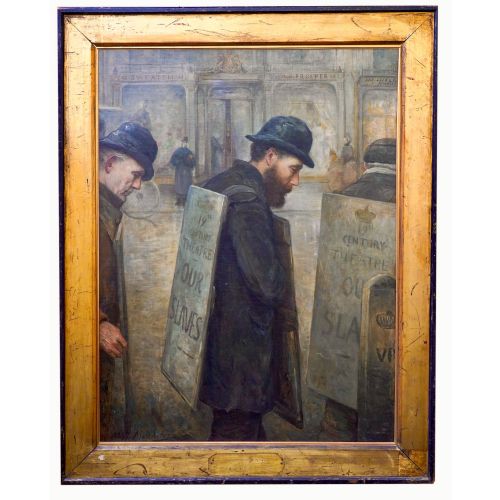
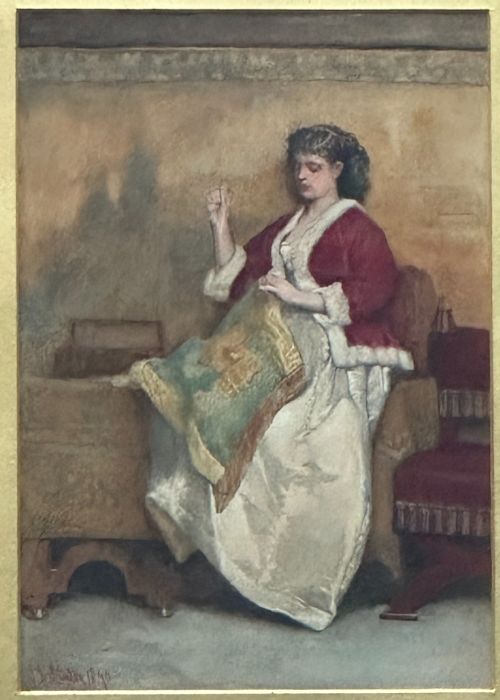
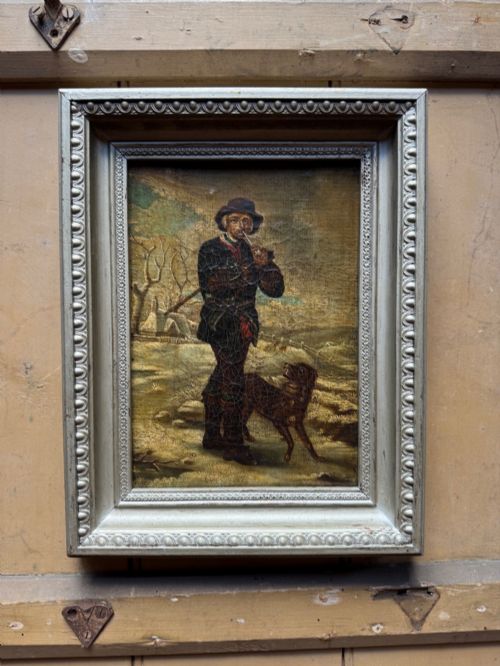
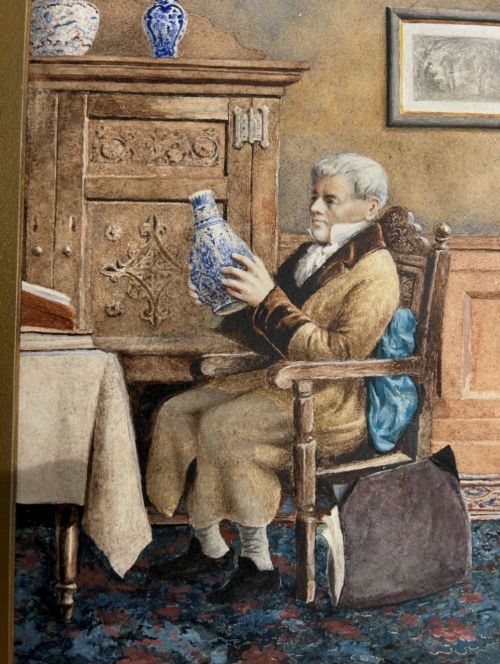
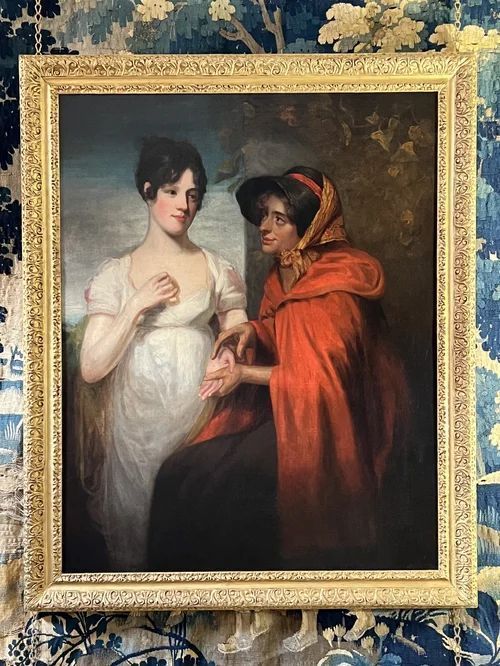
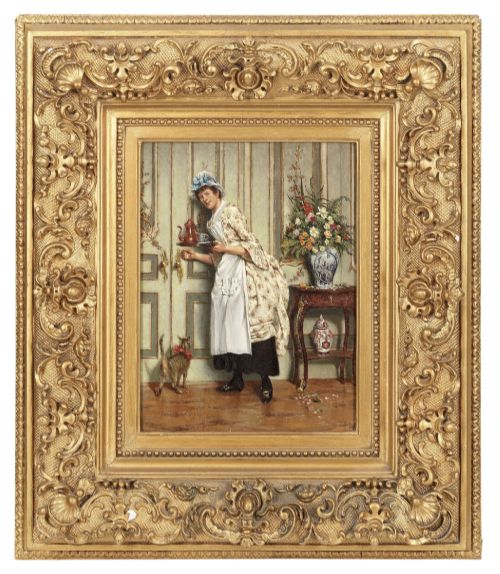
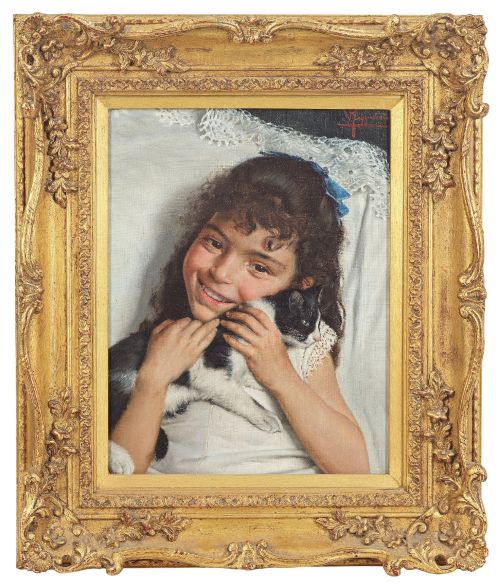
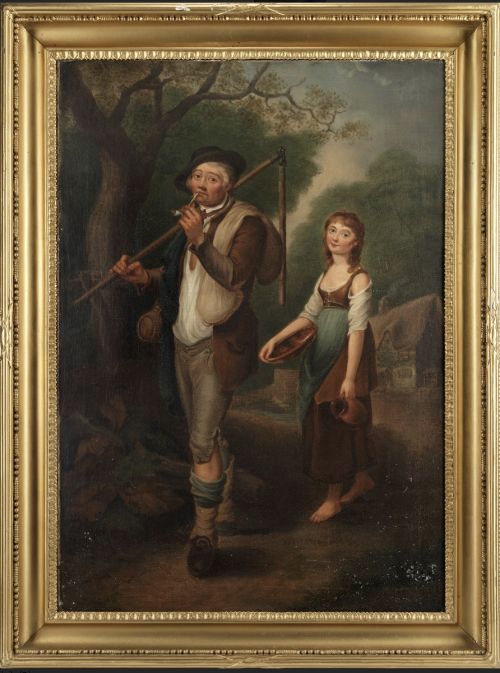
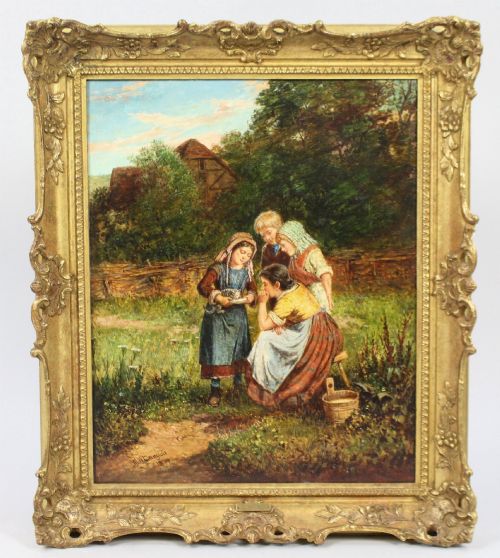
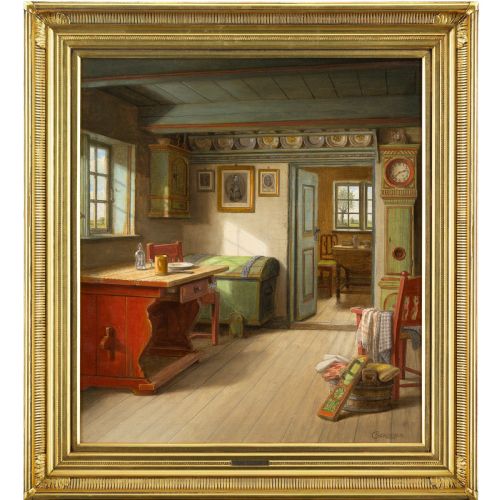
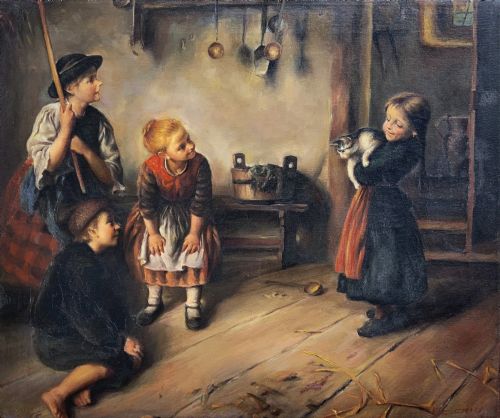
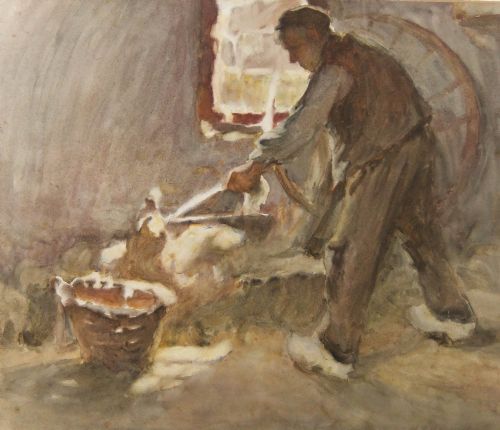
A framed genre painting portrays scenes of everyday human life, from domestic interiors and quiet domestic moments to social interactions and rural labour. These works focus on ordinary people engaged in daily activities, such as sewing, reading, children playing or figures resting by the sea.
The versions most commonly met on this page span the eighteenth, nineteenth and early twentieth centuries. They encompass British, French, Italian, Dutch and Scottish schools, executed primarily in oil on canvas or paper as watercolours.
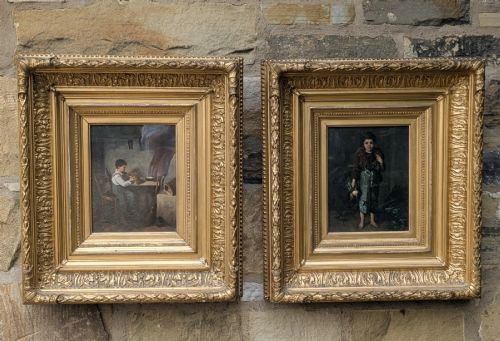
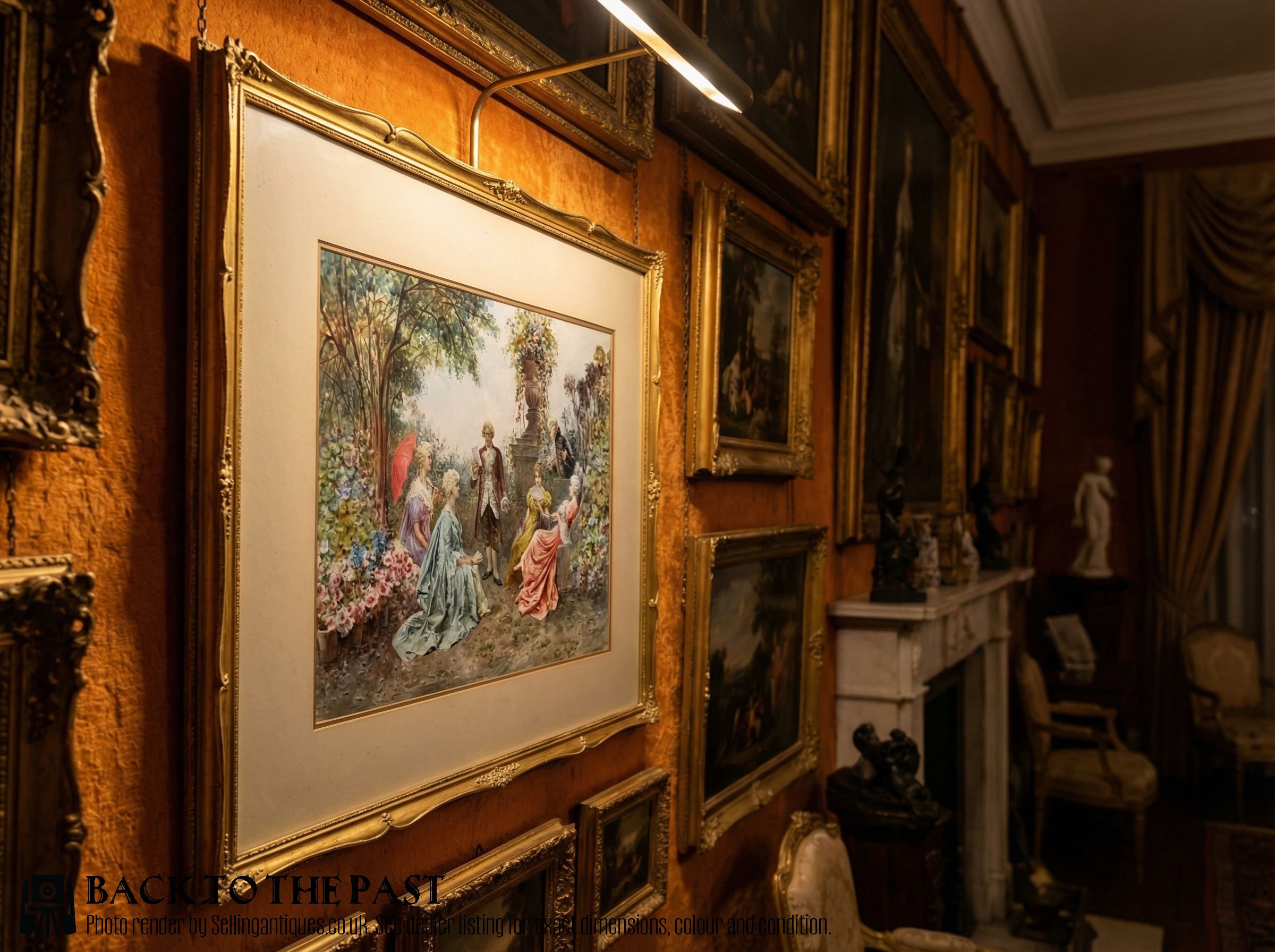
The framing is integral to these pieces, typically involving period giltwood and gesso surrounds that complement the scale and palette of the artwork.
How they were made
Artists painted primarily with oil paint on canvas or wooden boards, or applied watercolour pigments to paper. Canvases were stretched across wooden frames and prepared with grounds before brushwork commenced.
Frames were constructed from wood, then coated with layers of gesso and finished with gold leaf or metallic giltwood applications to create decorative mouldings.
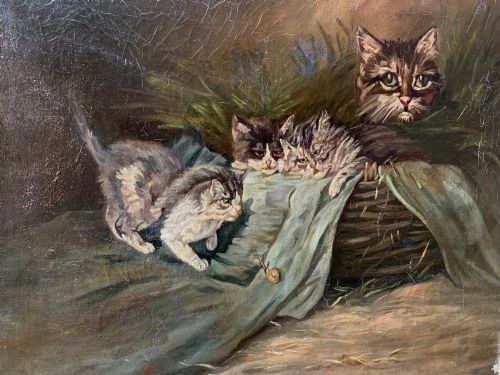
Cats, kittens and piglets frequently steal the domestic scene from their human counterparts.
What varies in quality
Quality rests in the handling of light, shadow and human expression within the narrative scene. The strength of composition and the precision of detail in figures and interior settings elevate certain works above standard decorative pieces.
The preservation of the original paint surface and the authenticity of the period giltwood frame contribute significantly to the standing of an individual artwork.
Felix Stone Moscheles·Sir James Dromgole Linton·Valentine T. Garland·Henry Stacy Marks·John Opie·Stephen Samuel Lewin·Vittorio Reggianini·Thomas Barker of Bath·Mark William Langlois·Alfred Lyndon Grace·W.D. Almond·Howard Helmick·Adelaïde Salles-Wagner·Max Kaltenmoser·George Augustus Holmes·Joseph H. Barnes·Henry Travis·Frederick Walker·Louis Charles Verwee·James Hamilton·Charles Hunt·Hendrik Valkenberg·Joseph Farquharson·Bernard De Hoog·David Teniers The Younger
The Framed Genre Painting Glossary
- Genre painting
- Artwork depicting scenes from ordinary life, domestic interiors and social history rather than grand historical or mythological subjects.
- Giltwood
- Wood carved and coated with gold leaf or gilt paint, commonly used for traditional picture frames.
- Gesso
- A plaster-like mixture applied to wood frames to provide a smooth surface for gilding.
- Social realism
- An artistic style that highlights the daily conditions of the working class and social issues of the period.
Framed Genre Painting: Frequently Asked Questions
What is a genre painting?
A genre painting depicts scenes from everyday life, such as domestic interiors, children playing or people working. These artworks focus on human activities and social interactions rather than portraits or landscapes.
They offer a window into the daily habits, clothing and domestic environments of past centuries.
How do I date a piece?
Dating relies on stylistic clues, artist signatures, costume details and the construction methods of the canvas and frame. Eighteenth and nineteenth-century works often bear specific characteristics tied to particular schools.
Examine the back of the canvas, stretcher bars and frame construction for secondary evidence of age.
Are these works on canvas or paper?
The listings include both oil paintings on canvas or board and watercolours executed on paper. Each medium requires specific handling and framing to preserve the pigments.
Watercolours are typically mounted behind glass to protect the paper from moisture and dust.
How should I hang a framed genre painting?
Hang these works away from direct sunlight and sources of extreme heat or humidity to protect the oil paint, canvas and giltwood frame. Use appropriate wall fixings that match the substantial weight of antique wooden frames.
Ensure the picture wire and D-rings on the reverse are secure before mounting.