
Framed French Landscape Art
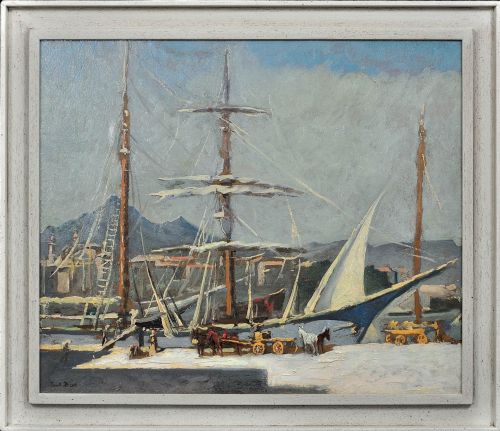
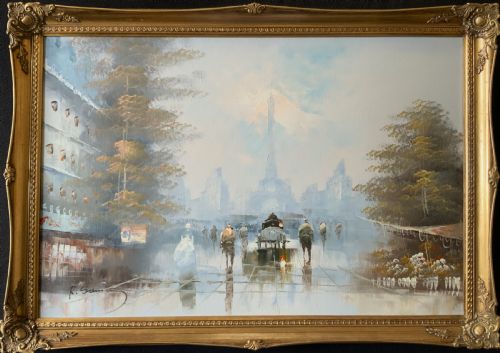
Framed french landscape art brings the rustic charm of rural France and Parisian street scenes directly into your interior.
Framed French Landscape Art
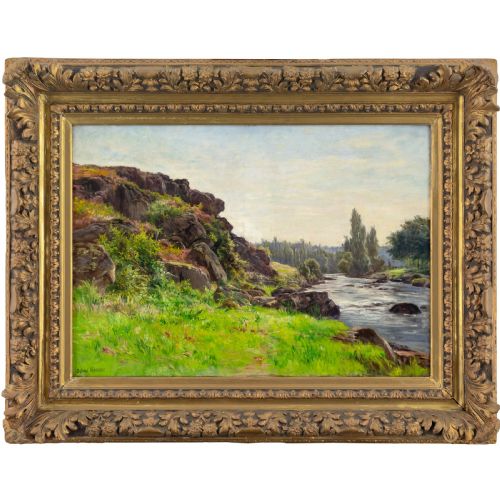
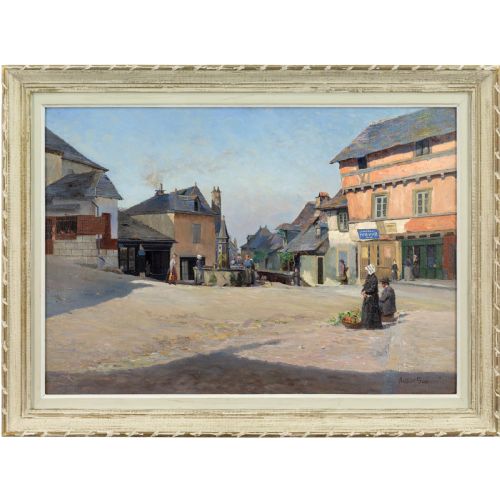
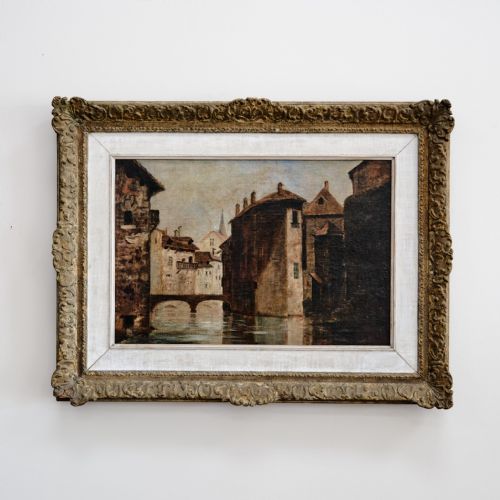
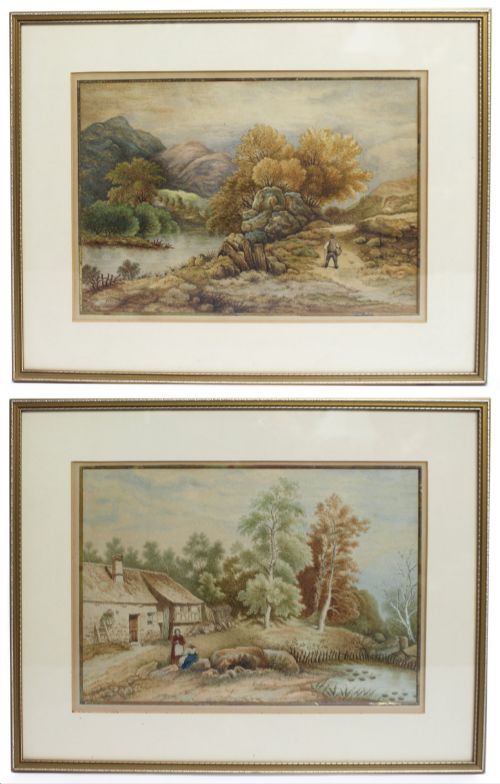
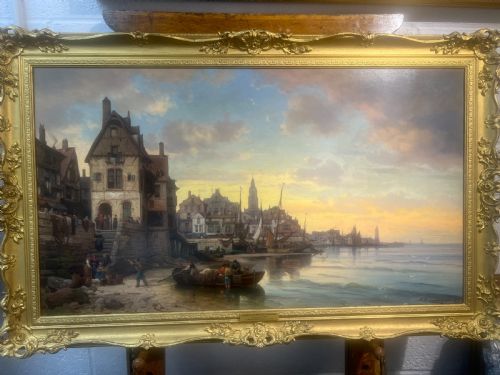
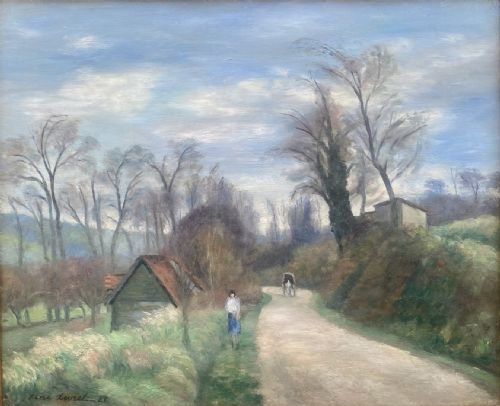
When searching for framed french landscape art, buyers encounter a diverse selection of oil paintings, watercolours, and engravings spanning multiple centuries. The inventory ranges from 19th-century Barbizon school pastoral views to mid-century impressionist cityscapes and coastal scenes.
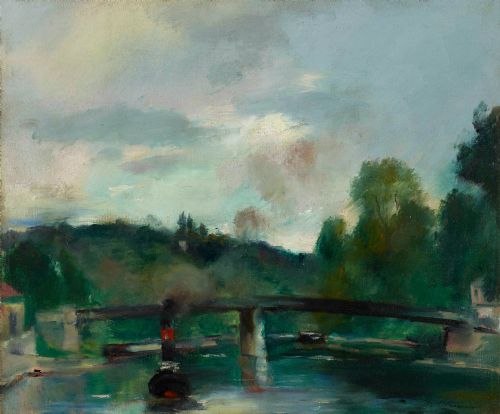
Most pieces on this page originate from the nineteenth and twentieth centuries, capturing riversides, farmyards, and chateaux within period frames. Works often bear signatures of regional artists or follow distinct stylistic movements such as post-impressionism.
How They Were Made
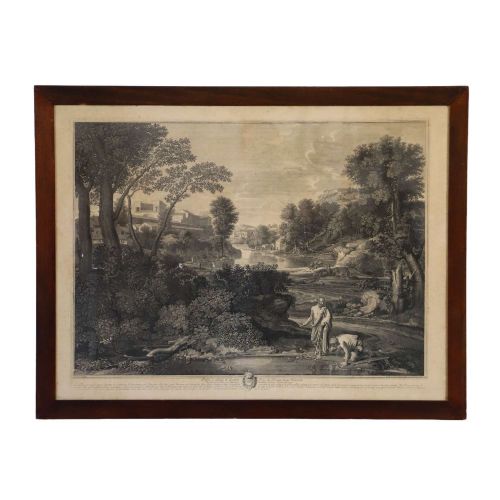
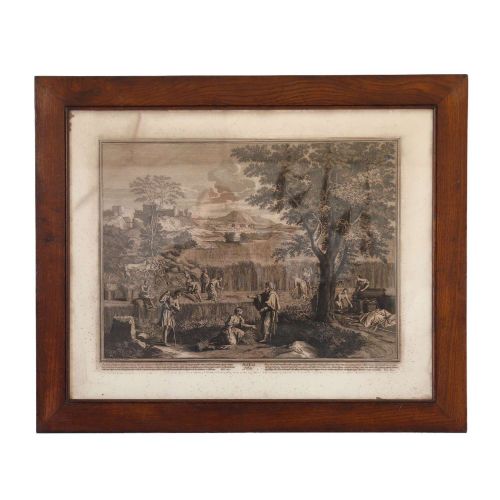
Artists applied oil paint or watercolour to canvas, paper, or panel substrates, frequently building up textured brushwork to capture natural light and atmospheric conditions. Engravings utilise etched metal plates to transfer detailed topographical and allegorical imagery onto paper.
Surviving works are typically housed in period wood frames ornamented with gesso mouldings, often retaining original gilt finishes that complement the compositions within.
Framed French Landscape Art Retail Price Guide 2026
Typical asking prices for framed french landscape art among the pieces listed under this phrase on Sellingantiques today, from the lower quarter to the upper quarter. They describe what is for sale here now, not the wider market.
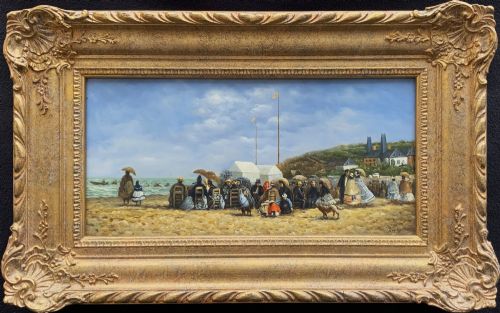
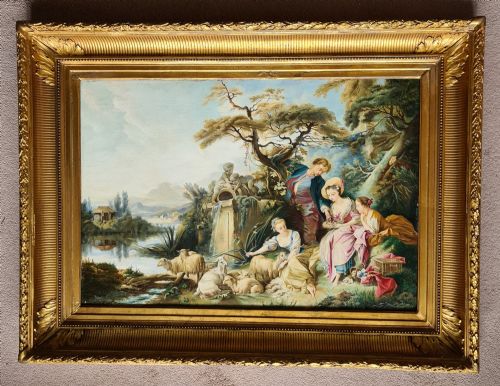
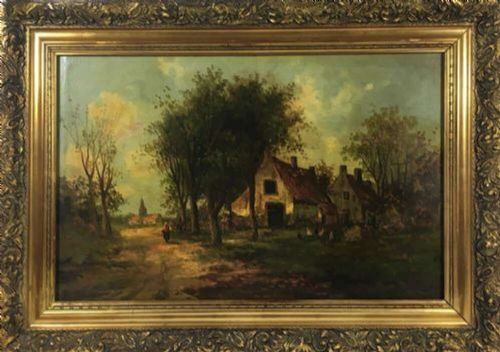
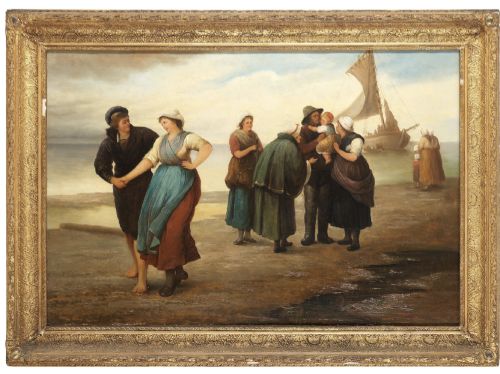
Several canvases secretly double as windows to nineteenth-century Normandy pastures, bustling Parisian boulevards, and quiet French farmyards.
What Varies in Quality
Quality in these artworks depends upon the artist's command of light, depth, and proportion, distinguishing loosely rendered decorative pieces from deeply observed observational studies. Masterful handling of pigment brings vitality to a pastoral scene or cityscape.
The integrity and originality of the surrounding frame also influence the overall character of the piece, with period gesso and gilt wood mouldings adding significant contextual value to older works.
Gabriel Mathieu·Arthur Gué·Paul Bret·Henri Ottmann·Charles Euphraisie Kuasseg·Rene Levrel·Étienne Baudet·Erich Mercker·Paul Désiré Trouillebert·Henry de Waroquier·Lilian Colbourn·Paul-Élie Gernez·Caroline Burnett·Charles Clair·Paul-Jean Anderbouhr·Gaston Cornil·Raymond Moritz·Alexandre Le Bihan·Louis Suire·Gustave Vidal·Jean-Baptiste Olive·Raymond Picque·William Lee Hankey·Raimond Louis Lecourt
The Framed French Landscape Art Glossary
- Barbizon School
- A nineteenth-century French art movement dedicated to naturalistic landscape painting. Artists associated with this group worked directly from nature to capture rural realism.
- Gesso
- A plaster-like mixture applied to wood frames as a base for moulding and gilding. It provides a smooth surface for ornate decorative details.
- Post-Impressionism
- A predominantly French art movement developing roughly between the late nineteenth century and early twentieth century. It extends impressionism while rejecting its limitations by emphasising symbolic motifs and heavier brushwork.
- Gilt Wood
- Timber coated with a thin layer of gold leaf or metallic paint. This treatment was widely utilised on period picture frames.
- Engraving
- A printmaking technique where an artist carves an image onto a hard plate using a burin. Ink is then pressed into the incisions to transfer the design onto paper.
Framed French Landscape Art: Frequently Asked Questions
What periods do these artworks cover?
The available selection spans from the seventeenth century through to the mid-twentieth century, encompassing traditional engravings alongside impressionist and modernist oil paintings.
Earlier centuries are represented by detailed engravings, whilst the nineteenth and twentieth centuries offer diverse painted interpretations of rural and urban France.
Are the frames original to the artwork?
Many pieces retain their original period wood or gesso frames, which have often been matched to the exact era of the canvas or paper.
Descriptions specify when an artwork includes its original framing, such as vintage gilt wood surrounds or period mouldings.
How do I hang a heavy oil painting safely?
Large oil paintings on canvas require robust picture hooks secured directly into wall studs or appropriate masonry fixings to support the weight of the wood and gesso frame.
Ensure the hanging wire or D-rings affixed to the reverse are inspected and robust enough to bear the load before mounting.
How should I care for antique watercolours?
Watercolour paintings and works on paper should be displayed away from direct sunlight to prevent fading of the delicate pigments and washes.
Maintaining stable indoor humidity levels also protects paper substrates and framing materials from warping or moisture damage over time.