



Framed Fine Art Portrait
A framed fine art portrait brings historical presence into a room, capturing individual likenesses through centuries of oil paint, watercolour, and pastel.
Framed Fine Art Portrait
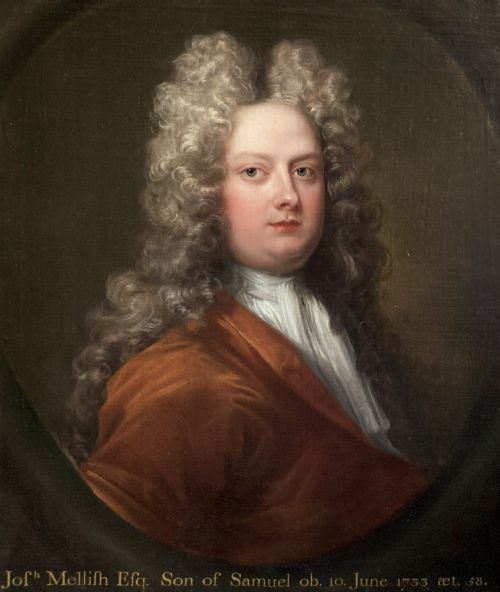
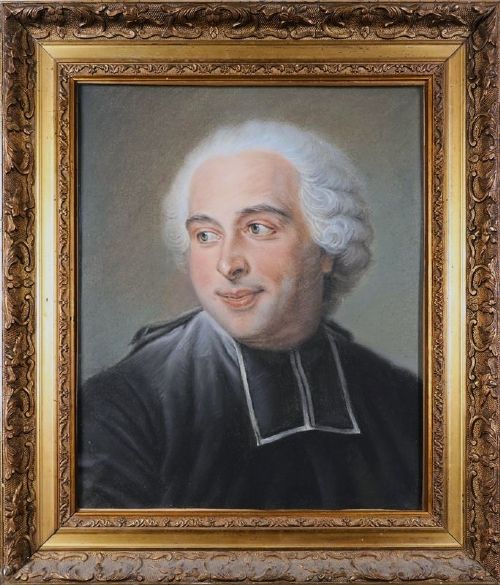
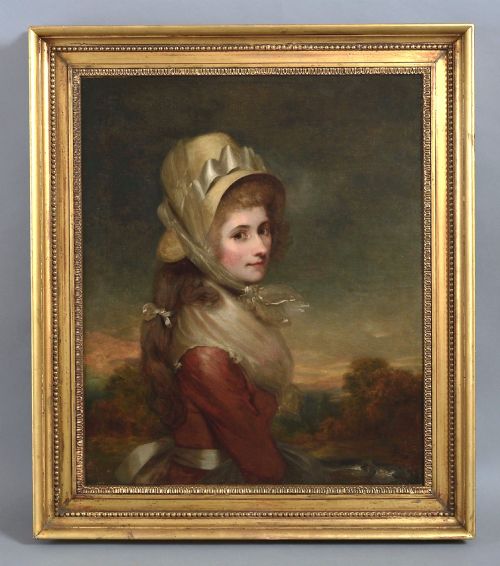
When exploring a framed fine art portrait, collectors encounter works spanning from the seventeenth century through to the mid-twentieth century. The selection ranges from grand oil paintings on canvas to intimate pastels on paper and delicate cut-paper silhouettes.
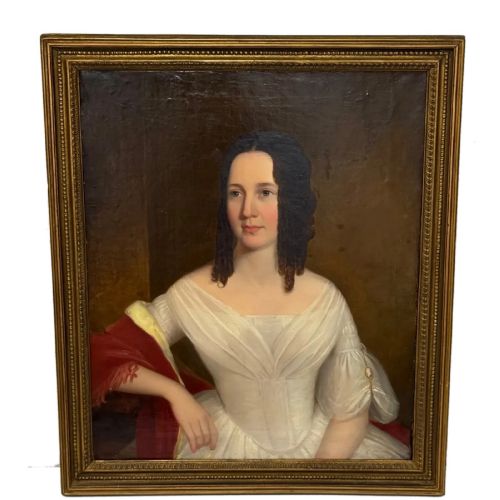
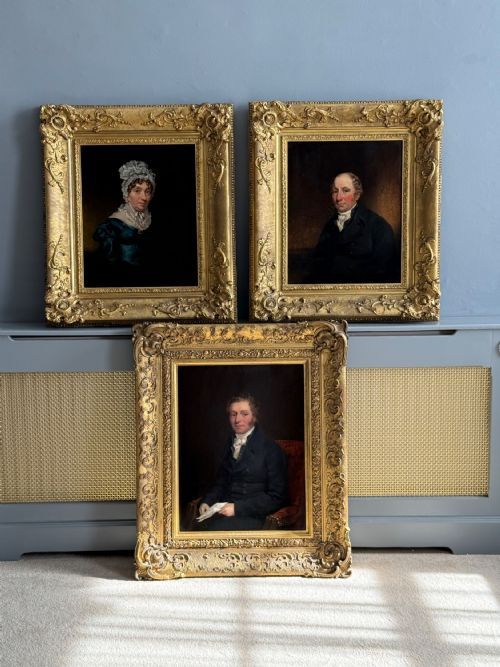
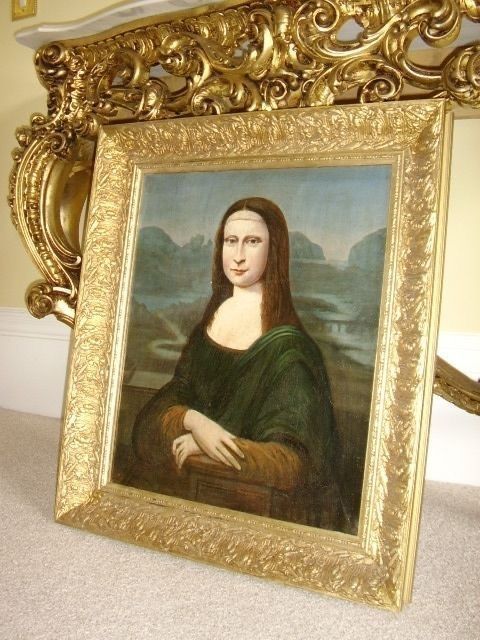
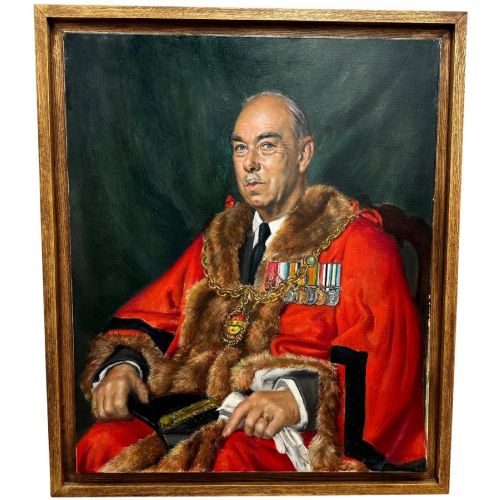
Oil paintings on canvas dominate the selection, often depicting notable figures, nobility, or country gentlemen set within period frames. These encompass works from the Georgian and Victorian eras, alongside Dutch Old Master pieces and continental European schools.
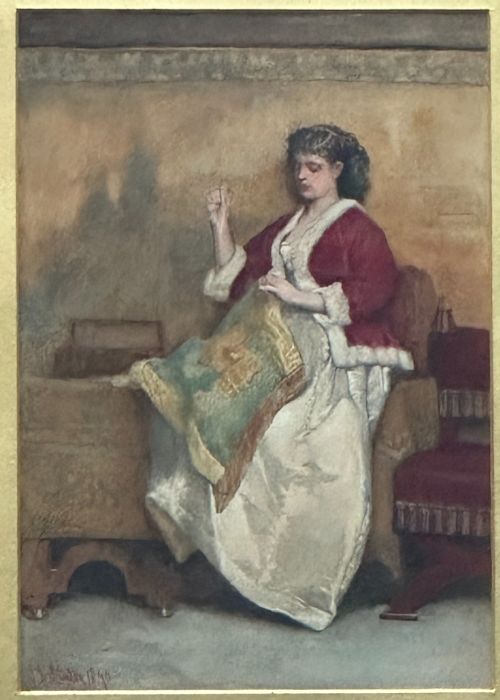
Smaller works such as watercolour studies and portrait miniatures also appear alongside monumental oil paintings. Subjects extend from named architects and mayors to anonymous sitters captured in moments of quiet domesticity.
Materials and Technique
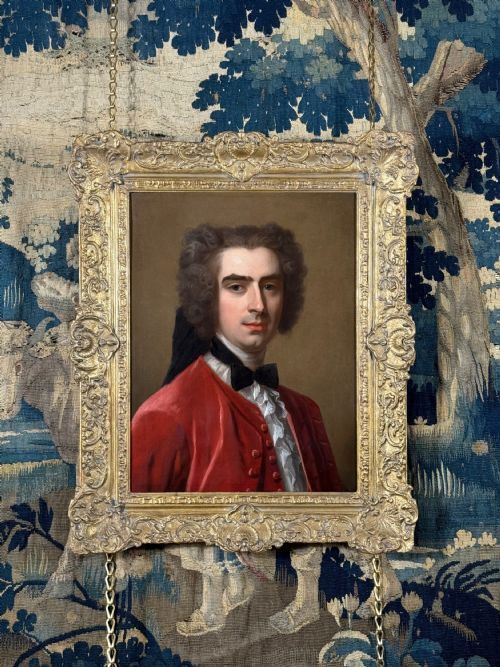
Pigments applied in oil paint upon woven canvas form the primary medium for the larger works in this collection. Artists built these images through layered glazes, capturing the rich textures of velvet jackets, lace collars, and periwigs.
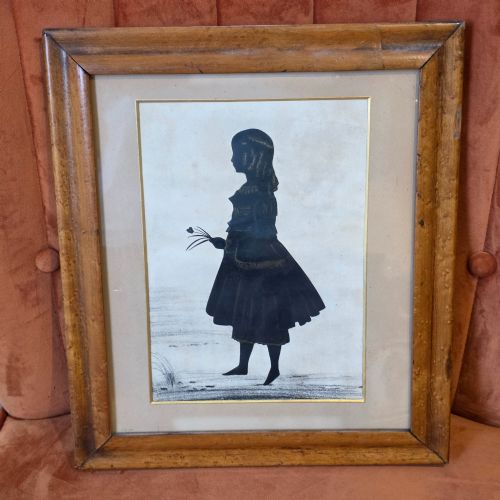
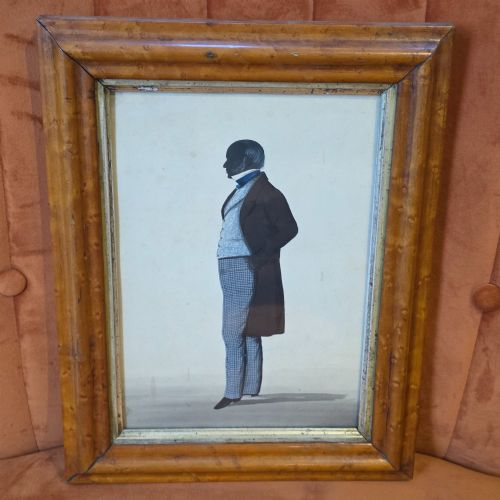
Paper serves as the support for delicate works executed in pastel or watercolour, occasionally paired with hand-cut silhouette profiles. These pieces rely on precise draughtsmanship to define the subject's likeness without the use of oil binders.
Giltwood and carved wooden frames enclose the vast majority of these artworks, providing structural support and decorative containment. The craftsmanship of the frame often reflects the aesthetic of the period, ranging from ornate Baroque mouldings to restrained Regency profiles.
Framed Fine Art Portrait Retail Price Guide 2026
Typical asking prices for framed fine art portrait among the pieces listed under this phrase on Sellingantiques today, from the lower quarter to the upper quarter. They describe what is for sale here now, not the wider market.
The listings span from the seventeenth century through to the mid-twentieth century, featuring oils, watercolours, and pastels in giltwood frames.
Assessing Quality
The integrity of the original canvas and the preservation of the pigment layers dictate the visual impact of an oil painting. Works retaining their unlined original canvas and minimal overpainting command greater regard among serious collectors.
The harmony between the artwork and its period frame influences the overall standing of a piece. Original or contemporary giltwood frames that complement the date of the portrait elevate the historical cohesion of the object.
Charles Jervas·Sir Joshua Reynolds·Jean-Baptiste Van Loo·Sir Anthony van Dyck·Sir Peter Lely
The Framed Fine Art Portrait Glossary
- Oil on canvas
- A painting technique where pigments suspended in drying oils are applied to stretched fabric. This medium allowed artists to achieve deep colour saturation and smooth tonal gradations.
- Giltwood
- Wood carved and coated with a thin layer of gold leaf or metal powder. It was widely utilised for ornate picture frames during the Baroque and Georgian periods.
- Mezzotint
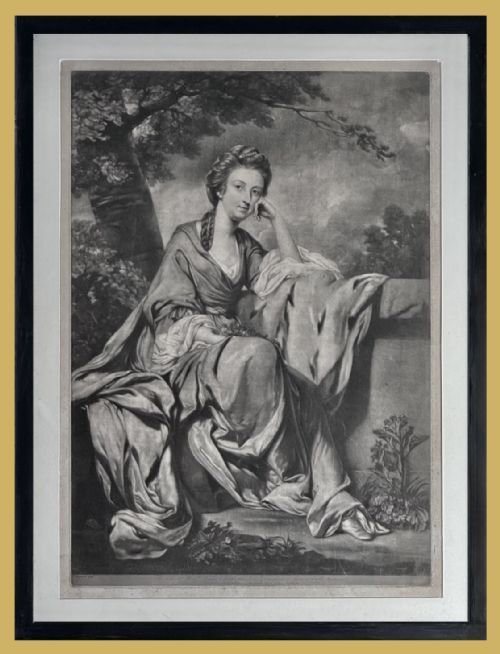
- A printmaking process of the intaglio family where a copper plate is roughened to hold ink, producing rich dark tones and subtle tonal variations. It was frequently used to reproduce famous painted portraits.
- Pastel
- A dry drawing medium consisting of powdered pigment and a binder rolled into sticks. Artists used pastel on paper to achieve velvety textures and luminous skin tones.
- Silhouette
- A portrait cut from dark paper or painted as a solid profile against a light background. Popularised during the eighteenth and nineteenth centuries, these works captured exact physical outlines.
Framed Fine Art Portrait: Frequently Asked Questions
How do I date an old portrait?
Dating relies heavily on the sitter's costume, hairstyle, and the construction methods of the canvas stretcher or frame. Fashion changes offer a reliable guide, as ruffs, periwigs, and cut sleeves belong to specific decades.
Inscriptional evidence on the reverse or stretcher bars can also pinpoint a year. Comparing stylistic traits to known works by contemporaneous schools helps narrow the timeframe further.
Where should I hang a portrait?
These works suit reception rooms, libraries, or stairwells where adequate wall space allows the composition to breathe. Strong direct sunlight should be avoided to protect sensitive oil paints and works on paper from fading.
Pairing a historic portrait with traditional architectural details creates a cohesive interior scheme. Ensuring the centre of the canvas aligns with eye level enhances viewing comfort.
What is an Old Master portrait?
An Old Master portrait refers to a painting executed by a highly skilled European artist working before the nineteenth century. These pieces often reflect the stylistic conventions of Dutch, Flemish, Italian, or British schools.
Such works frequently depict aristocracy or civic figures with pronounced chiaroscuro lighting. Their attribution often links them to a specific studio or circle of a renowned painter.