

Framed Figurative Oil Artwork
Framed figurative oil artwork captures human presence and narrative across centuries, offering collectors tangible windows into past lives through skilled brushwork and preserved pigment.
Framed Figurative Oil Artwork
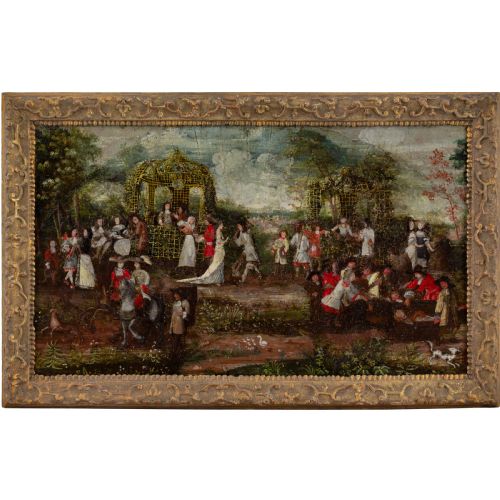
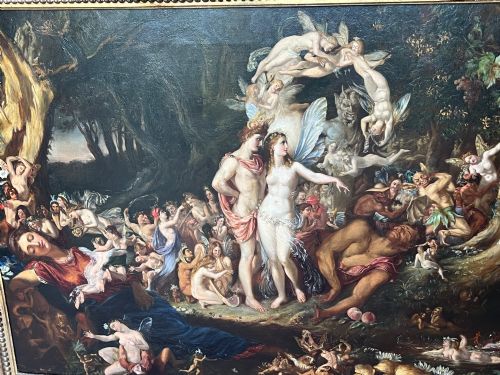
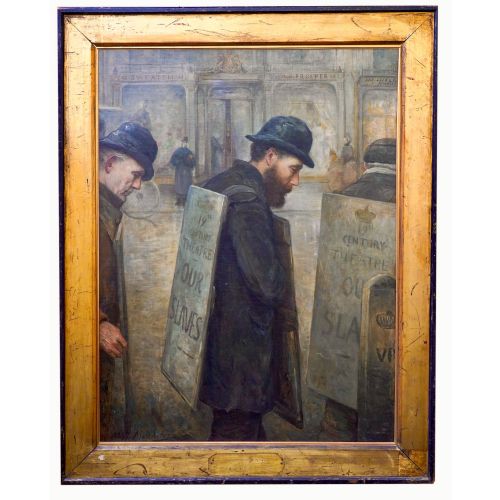
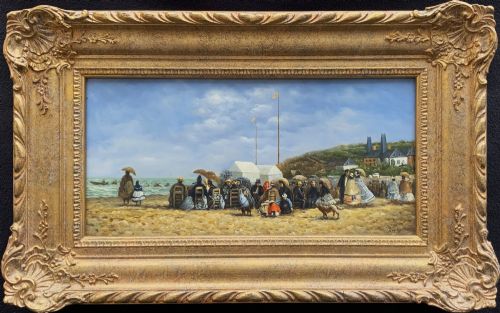
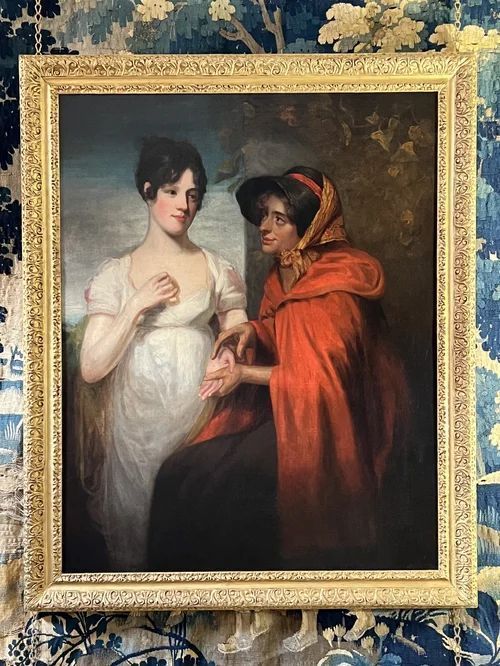
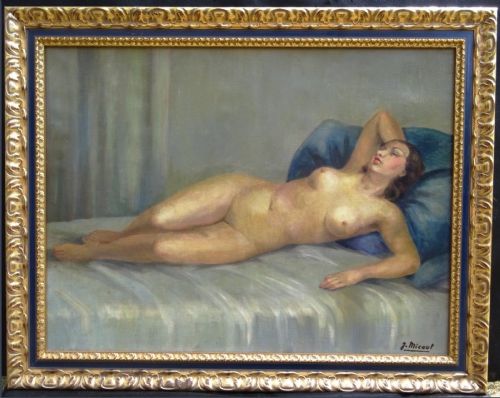
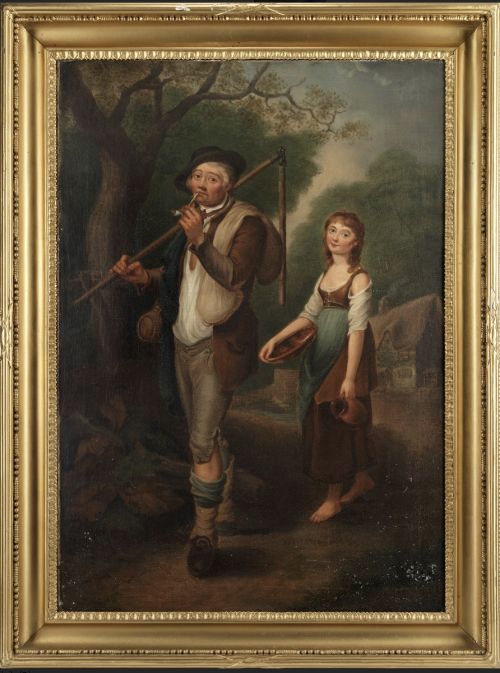
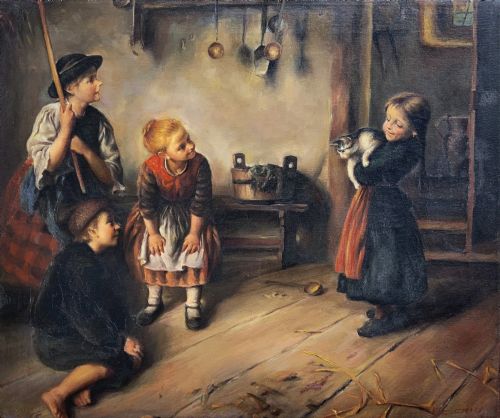
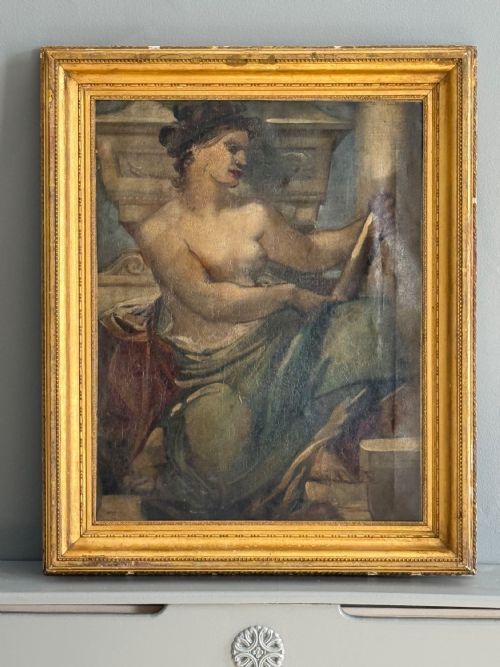
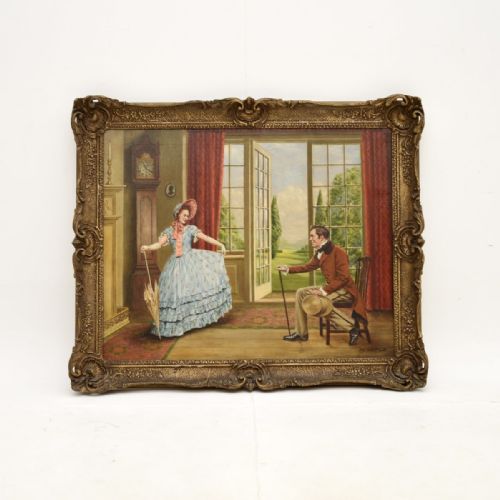
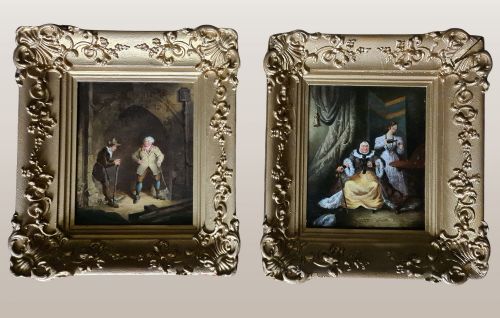
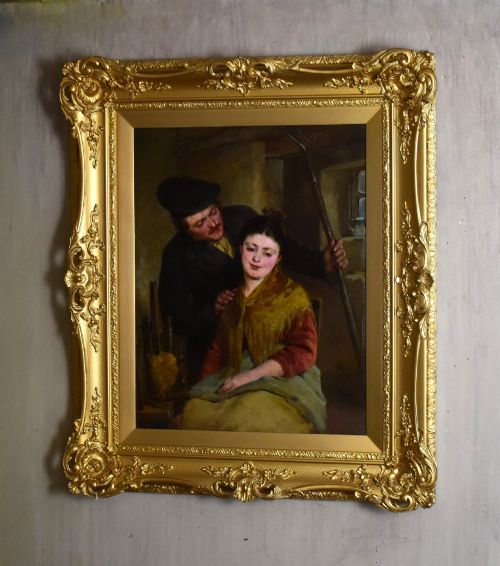
Framed figurative oil artwork encompasses portraits, genre scenes, and interior studies created across the nineteenth and twentieth centuries. These pieces record individuals, domestic gatherings, and historical narratives through the enduring medium of oil paint.
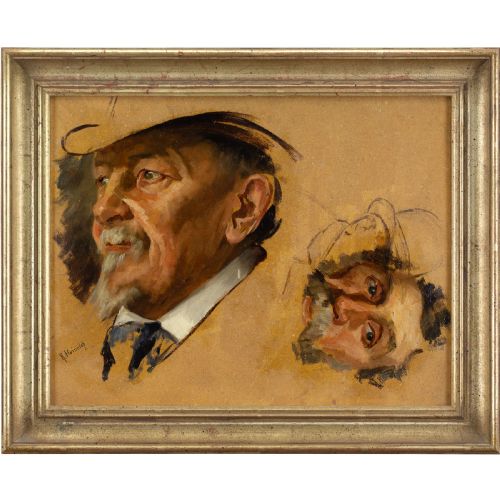
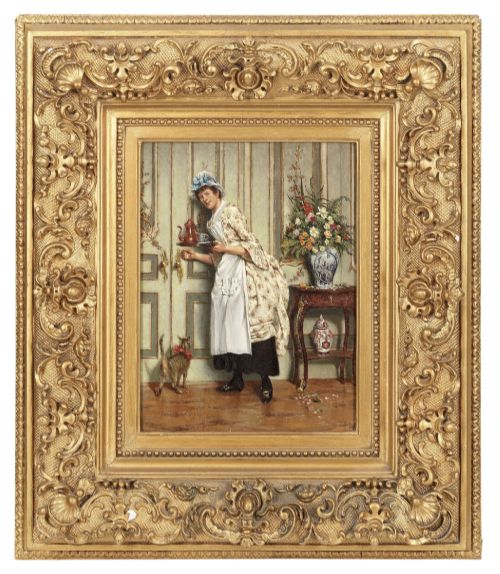
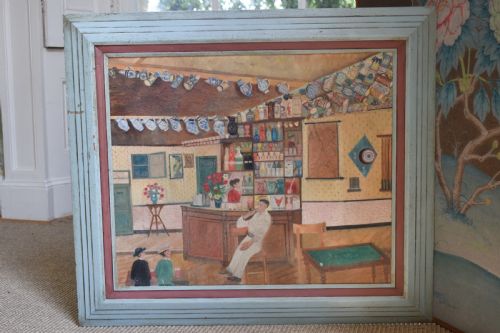
The selections available here range from formal academic portraiture to relaxed post-impressionist gatherings and mid-century sketches. Domestic genre paintings and character studies appear frequently alongside formal likenesses.
Originating from British, French, Dutch, and Italian schools, these works display diverse regional approaches to the human form. Many retain their period frames, which complete the historical presentation of the canvas.
Materials and construction
Artists painted primarily with oil pigments suspended in drying oils, applied thickly or in translucent glazes onto stretched canvas or wooden boards. This technique allowed for subtle colour blending and rich surface textures that endure over centuries.
Canvases required careful preparation with gesso grounds to seal the textile before painting began. Frames utilised carved wood and applied gesso, often gilded with gold leaf to complement the rich tones of the oil composition.
Several canvases capture domestic animals and card players sharing the room with human sitters.
Evaluating the standard of execution
Quality rests upon the artist's command of anatomy, light, and psychological depth within the painted subject. Masterful handling of brushwork distinguishes a compelling portrait or genre scene from a rigid mechanical copy.
The preservation of the original pigment layer and the integrity of the canvas support dictate the physical standard of the piece. Surviving period frames that match the age and style of the artwork add considerably to the complete presentation.
Felix Stone Moscheles·John Opie·Stephen Samuel Lewin·Howard Helmick·Lucy Pratt·Oliver Messel·Charles James McCall
The Framed Figurative Oil Artwork Glossary
- Genre painting
- A style of artwork depicting scenes from everyday life, typically involving ordinary people engaged in common activities. These works provide valuable social history through their detailed interior and exterior settings.
- Gesso
- A plaster mixture used as a smooth base on wood panels or canvas before oil paint is applied. It also forms the moulded relief decoration found on antique frames.
- Impasto
- Paint applied in thick layers that stand out from the surface, giving a pronounced texture. This technique allows the physical mark of the brush or palette knife to remain visible.
- Post-Impressionism
- An art movement developing from the late nineteenth century that rejected naturalistic depiction in favour of expressive use of form and colour. Artists explored emotional resonance over strict optical realism.
Framed Figurative Oil Artwork: Frequently Asked Questions
How do I care for framed figurative oil artwork?
Keep paintings away from direct sunlight and steady temperature fluctuations to prevent canvas slackening and paint cracking. Dust the surface and frame gently with a soft, dry brush without applying moisture or cleaning solutions.
Ensure the hanging environment remains stable regarding humidity. Professional conservators should handle any deeper cleaning or structural repairs to the canvas and frame.
What defines a genre painting?
Genre paintings capture everyday scenes and ordinary people rather than grand historical or mythological narratives. They offer an intimate glimpse into domestic interiors, social gatherings, and working lives of past eras.
Artists used these compositions to document contemporary fashions, domestic architecture, and social customs. Their detailed settings provide rich contextual history alongside the artistic rendering of the figures.
How can I tell the period of a painting?
Clothing styles, hairstyles, and interior furnishings depicted within the artwork often provide the most immediate clues to its creation date. Technical aspects such as canvas preparation, stretcher frame construction, and framing styles also aid chronological attribution.
Signatures, inscriptions, and artist records help confirm the exact era. Comparing brushwork techniques to known examples from specific regional schools further refines the dating process.
Are original frames important?
Original or period-appropriate frames complement the aesthetic integrity and historical context of an oil painting. They show how the artwork was intended to be displayed by its creator or contemporary owners.
While paintings can be reframed, matching a genuine period frame enhances the overall presentation. Collectors value pieces that retain their harmonised original framing.