
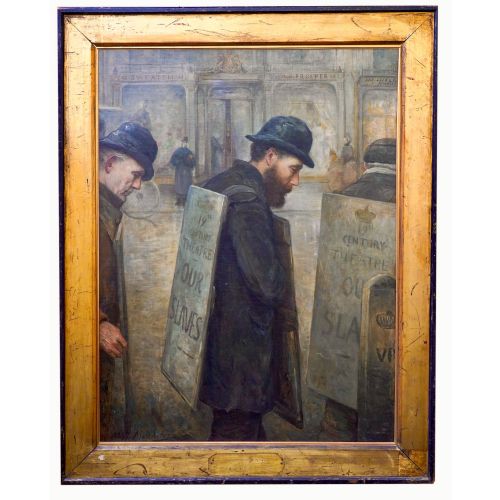
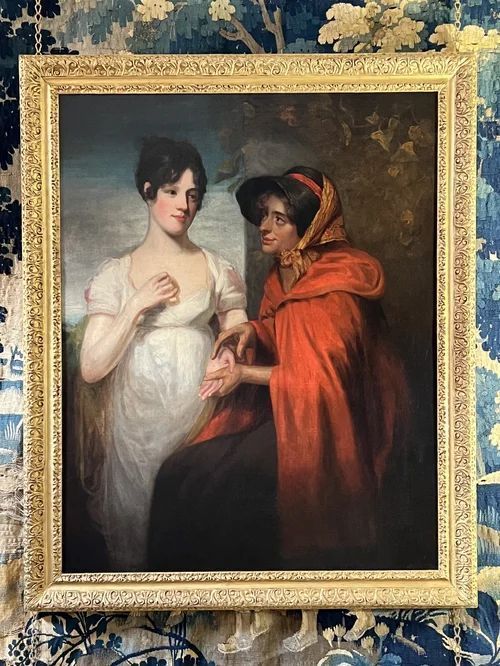
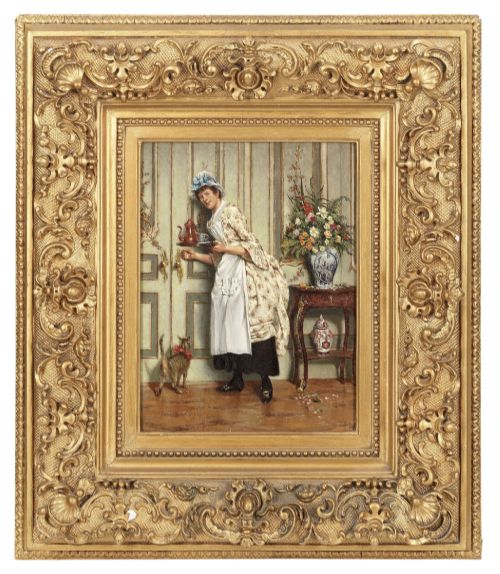
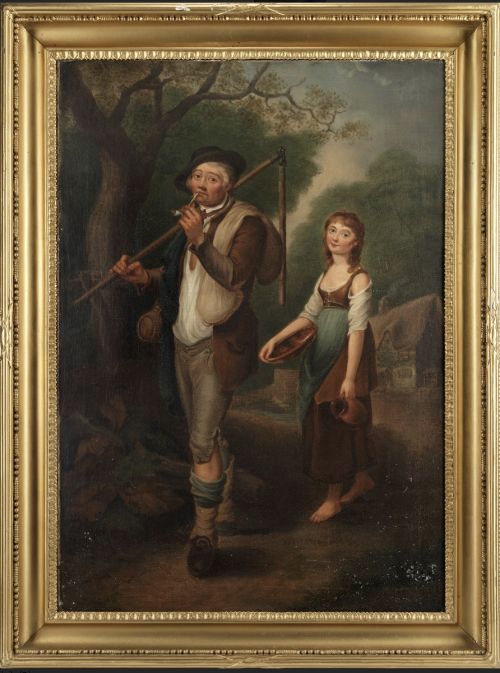
British Figurative Art Painting
British figurative art painting captures human stories and forms through oil and watercolour, bringing historic characters and domestic scenes into modern spaces.
British Figurative Art Painting
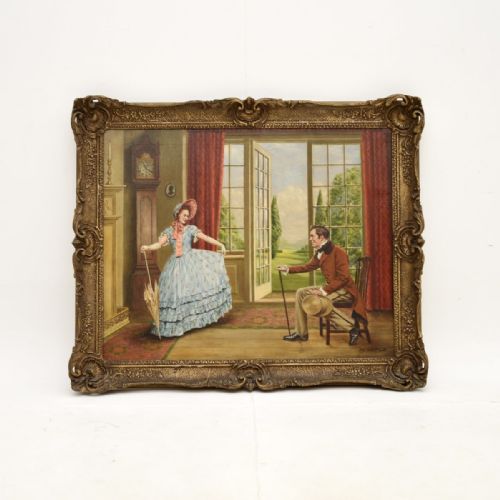
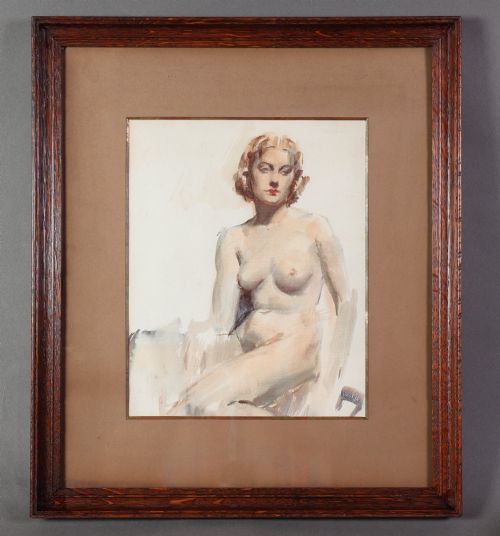
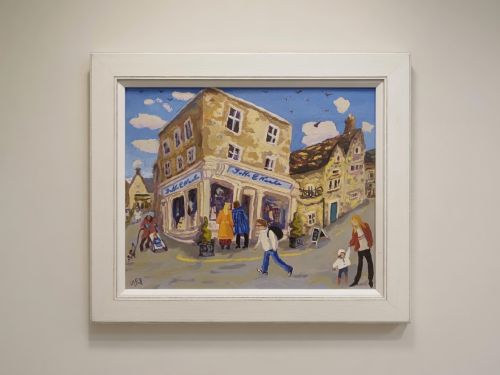
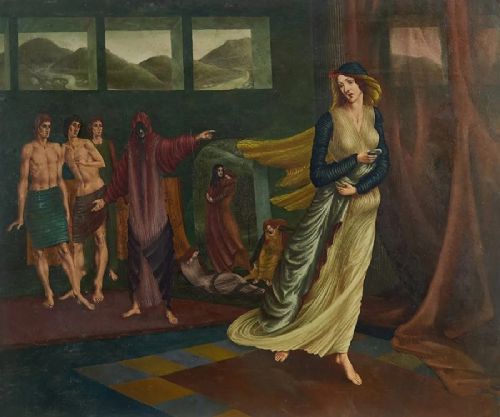
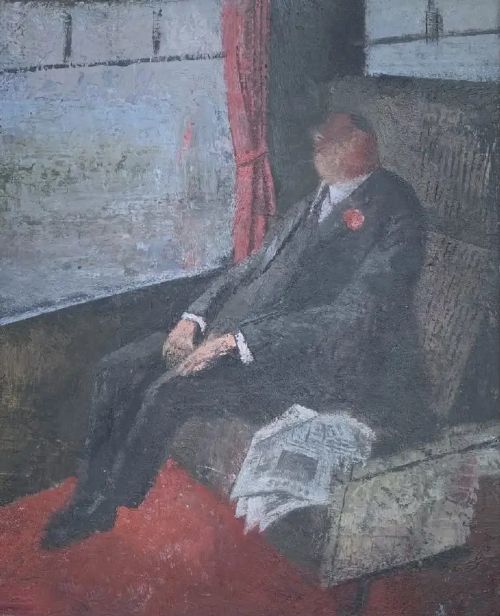
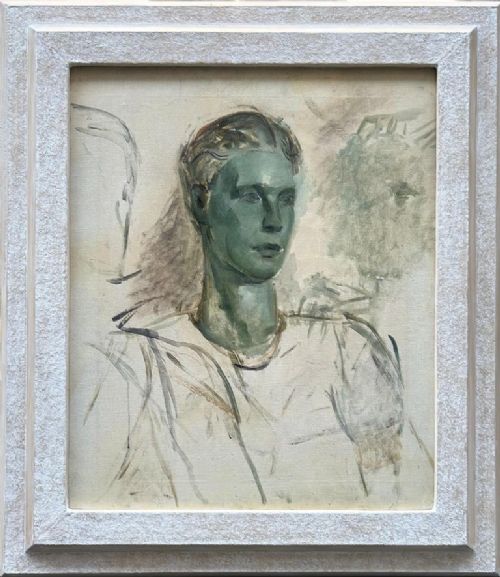
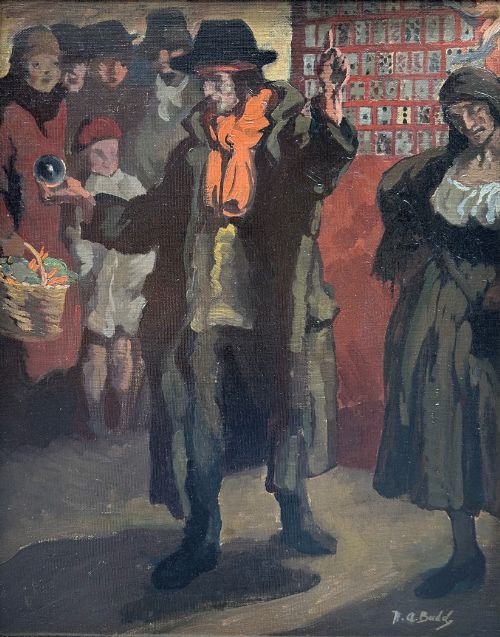
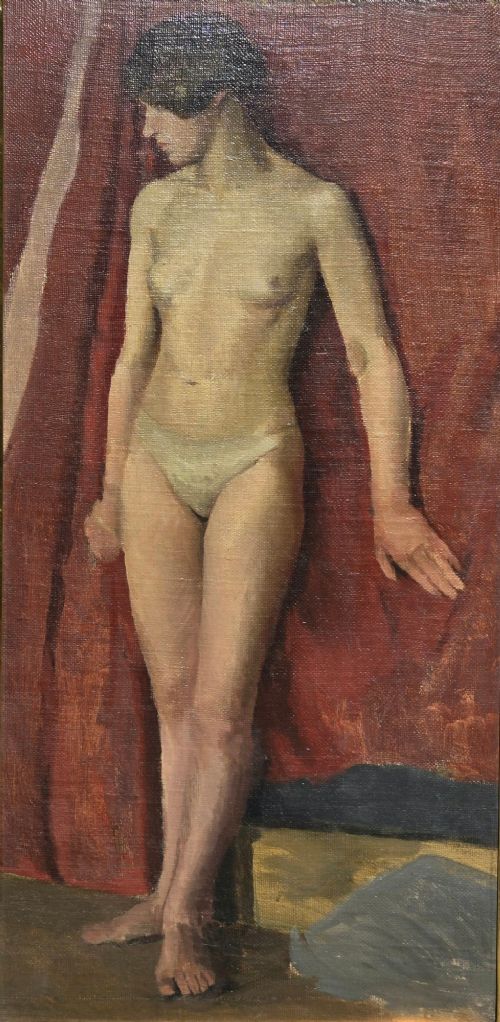
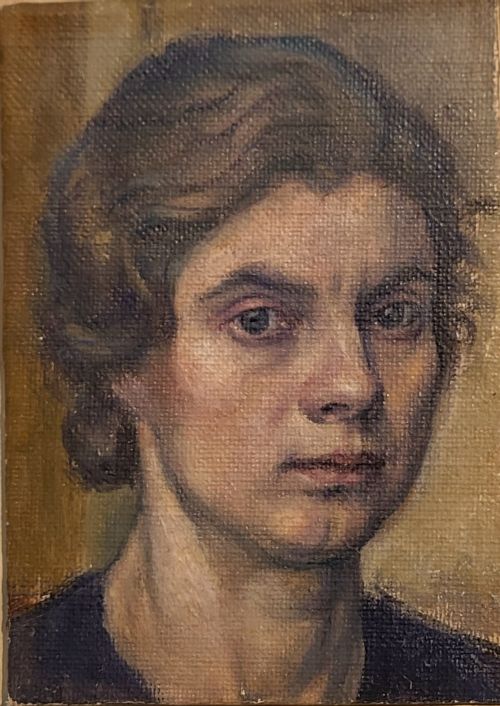
When searching for british figurative art painting, buyers encounter works depicting people, from Victorian genre scenes of daily life to mid-century nudes and portraits. These pieces record human interaction, domestic interiors, and character studies across several centuries.
The selection ranges from nineteenth-century social history works to twentieth-century modern British compositions. Most examples utilise oil paint on canvas or board, framed in period giltwood or gesso.
Materials and construction
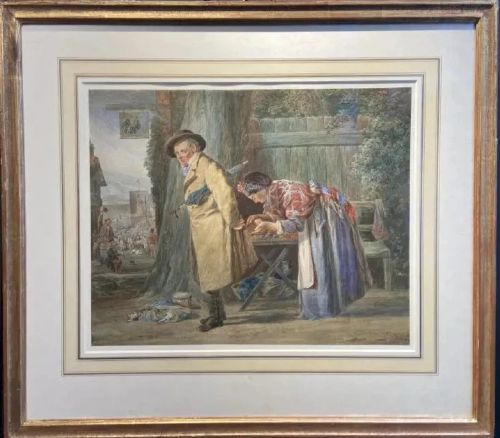
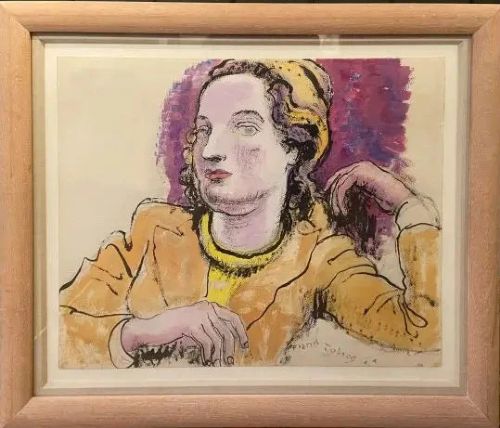
Artists painted primarily with oil on stretched canvas, wood panels, or paper boards, applying pigment to build depth and texture. Watercolours on paper also appear among the selections for lighter, fluid portraiture.
Frames are constructed from wood with gesso and giltwood finishes, often original to the period of the artwork. These surrounds protect the edges of the canvas and complement the palette of the painting within.
Support materials recorded in the inventory include canvas, wood panels, paper, and gesso frames.
Judging the range
Quality rests upon the artist's ability to render anatomy, expression, and light convincingly within the composition. Stronger pieces display confident brushwork and a coherent palette that holds the viewer's attention across the entire surface.
The preservation of the paint layer and the originality of the mounting frame influence the standing of a piece. Works by listed members of artistic institutions or those with documented exhibition histories tend to hold greater authority.
John Opie R.A.·Thomas Barker of Bath·Frank Dobson·Ronald Ossory Dunlop
The British Figurative Art Painting Glossary
- Genre painting
- Depiction of aspects of everyday life by portraying ordinary people engaged in common activities. These scenes often provide social history through domestic interiors and street settings.
- Gesso
- A plaster-like mixture applied to wood frames as a base for moulding and gilding. It creates a smooth surface for decorative details.
- Giltwood
- Wood that has been covered with a thin layer of gold leaf or gilt. This finish frames many traditional artworks.
- Oil paint
- A slow-drying paint made with pigmented particles suspended in a drying oil. It allows for rich blending and textured impasto application.
- Triptych
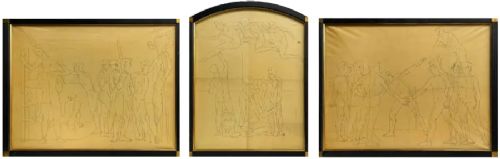
- A picture or relief carving on three panels hinged together side by side. This format appears in figurative works to tell a connected visual story.
British Figurative Art Painting: Frequently Asked Questions
What periods do these paintings cover?
The works span from the eighteenth century through the Victorian era and into the mid-twentieth century. This timeline includes Edwardian and modern British movements.
Each period brings distinct approaches to portraiture, genre scenes, and the representation of the human figure.
How should I hang these framed artworks?
Hang paintings on walls away from direct sunlight and steady moisture to protect the canvas and the gesso frame. Ensure wall fixings match the weight of the wood and gilt mounts.
Position pieces at eye level to appreciate the brushwork and detail of the subject matter.
What subjects are most common?
Common subjects include portraits of individuals, children at play, domestic cottage interiors, and figure studies such as nudes. Artists also recorded social history and working people.
These varied subjects offer a direct window into historical British life and artistic expression.
Are watercolours included with oils?
Yes, watercolours on paper appear alongside oil paintings on canvas, board, and panel. Both mediums represent the figurative tradition across different eras.
Watercolours provide a lighter finish compared to the heavier texture of oil paint.