




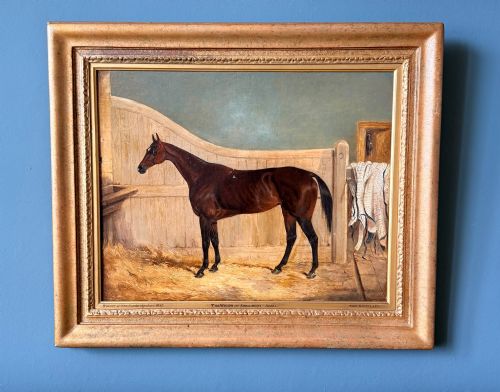
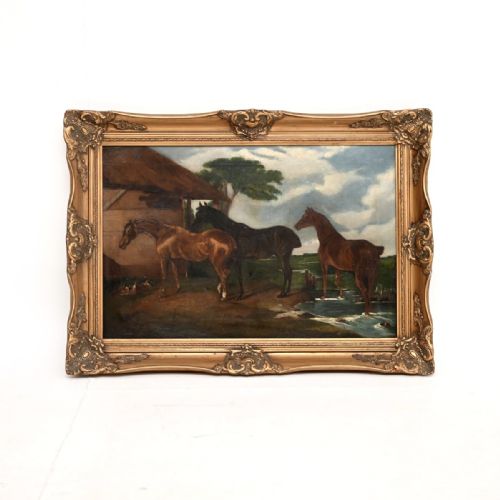
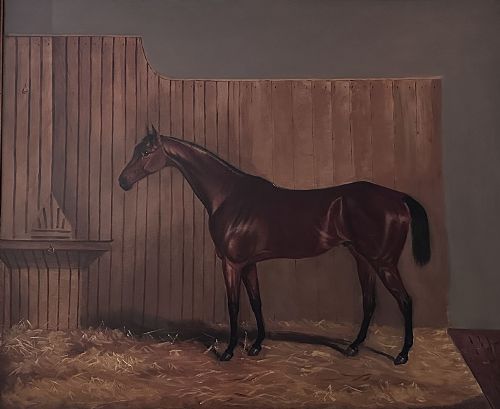

Framed Equine Oil Painting
A framed equine oil painting brings the noble character and historic spirit of the horse directly into a room through rich brushwork.
Framed Equine Oil Painting
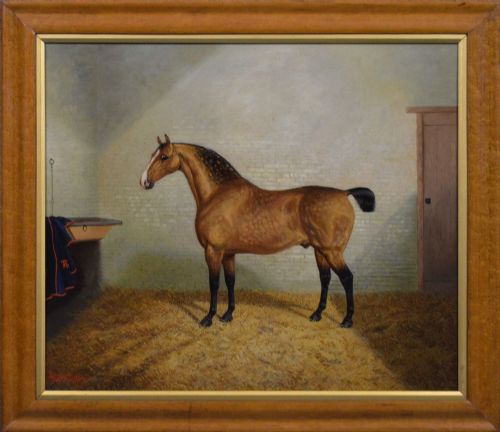
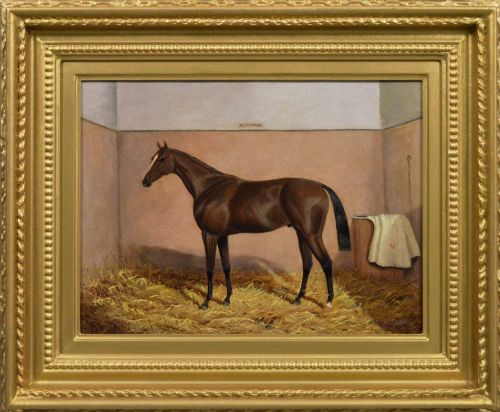
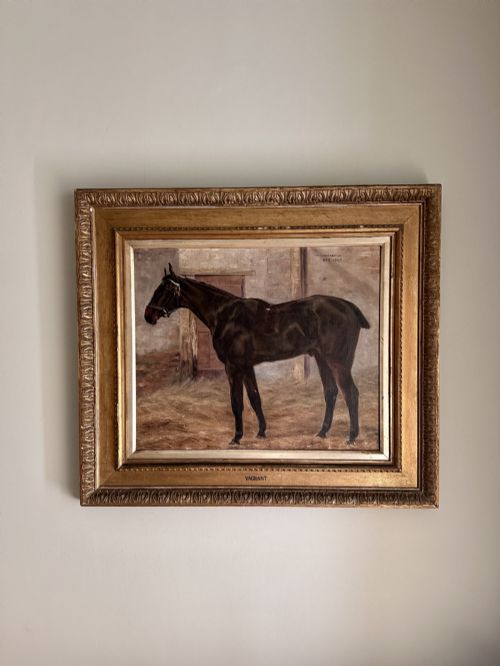
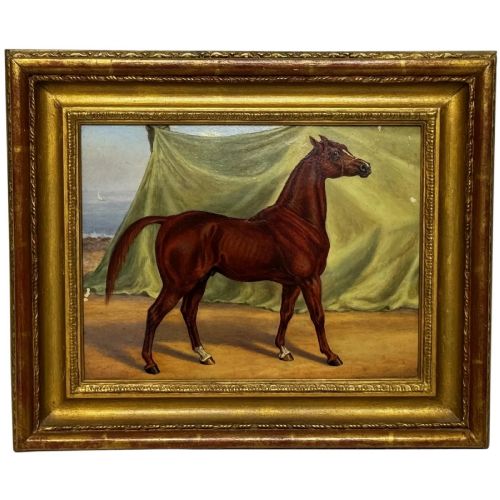
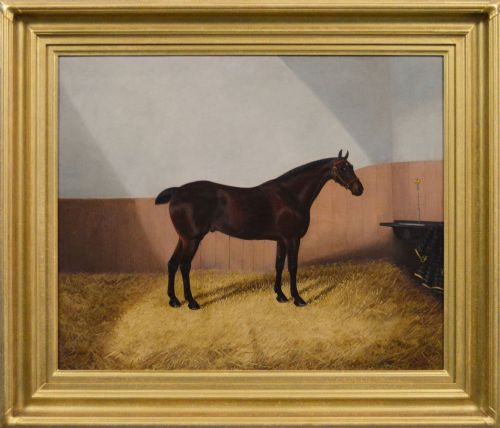
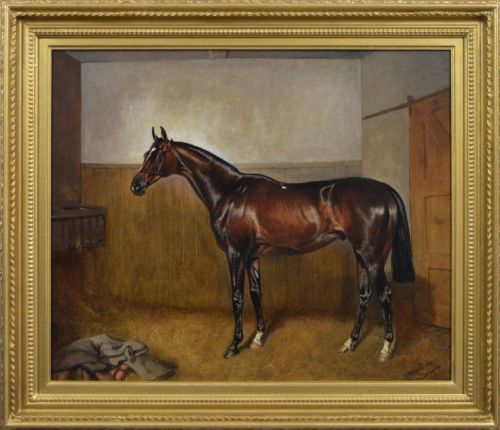
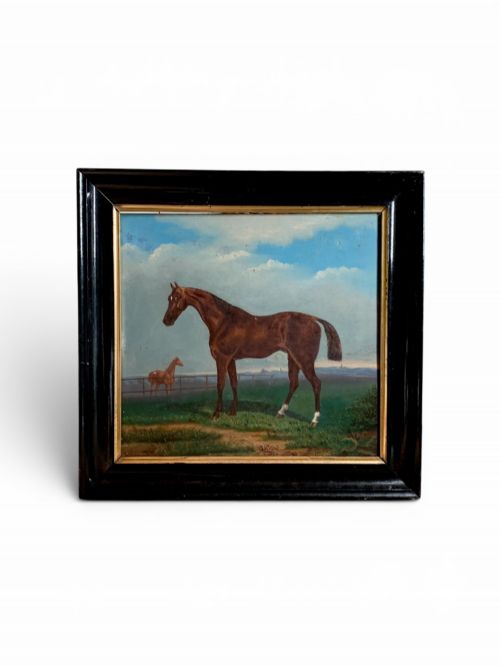
A framed equine oil painting depicts horses in various settings, ranging from individual portraits of champion racehorses and hunters to rural farm scenes and racing events.
Buyers meeting this search phrase on this page will most frequently encounter 19th-century Victorian works alongside Edwardian, Georgian, and Regency examples.
The subjects span stable portraits, landscape hunting scenes, and agricultural depictions executed in traditional oil on canvas, panel, or board.
What Varies in Quality
Quality rests upon the anatomical precision of the horse, the fluidity of the brushwork, and the artist's ability to capture light across muscle and coat.
The distinction between standard works and master pieces often lies in the provenance, the detailed rendering of the background landscape, and the historic documentation of the subject.
Several noble steeds recorded here share canvas space with farmyard ducks, working pigs, and loyal terriers.
Henry Barraud·Albert Clark·Fred Fitzpatrick·John Alfred Wheeler·Thomas Walker Bretland·John Ferneley Senior·George E Sharpe·John Frederick Herring·Benjamin Cam Norton·Clifton Tomson·Alfred Moginie Bryant·Abraham Cooper RA·Charles Bilger Spalding RA·George Goodwin Kilburne·Ernest Higgins Rigg·John Nost Sartorius·Walter Herbert Wheeler·William F Perrin
The Framed Equine Oil Painting Glossary
- Canvas
- A heavy woven fabric stretched across a wooden frame to serve as a stable support for oil paintings.
- Giltwood
- Timber carved and coated with a thin layer of gold leaf, frequently forming the ornate frames of Victorian art.
- Panel
- A flat piece of wood, such as pine, used as a rigid painting surface prior to the widespread adoption of canvas.
- Provenance
- The documented history of ownership that traces a painting from its creation to the present day.
Framed Equine Oil Painting: Frequently Asked Questions
Were these paintings always framed?
Most quality oil paintings of horses were framed soon after completion to protect the canvas edges and enhance the visual presentation. Original frames often show age-appropriate wear that matches the era of the artwork.
Matching frames provide valuable clues regarding the historic context and previous display of the painting.
What is the difference between a portrait and a sporting scene?
An equine portrait focuses primarily on a named horse, sometimes with a groom or stable lad, highlighting the specific conformation and pedigree of the animal. Sporting scenes place the horse within a dynamic narrative such as a hunt, steeplechase, or race.
Both styles reflect the deep cultural importance of horses in 19th-century British and European society.
How should I care for an oil painting on canvas?
Keep framed oil paintings away from direct sunlight, excessive moisture, and rapid temperature fluctuations to protect both the canvas and the delicate paint layers. Gentle dusting with a soft, dry brush is generally sufficient for routine maintenance.
Avoid using liquid cleaners or chemical solvents on the painted surface or the giltwood frame.