



Traditional Bay Horse Painting
A traditional bay horse painting captures the enduring appeal of the equine form through classic oils and watercolours.
Traditional Bay Horse Painting
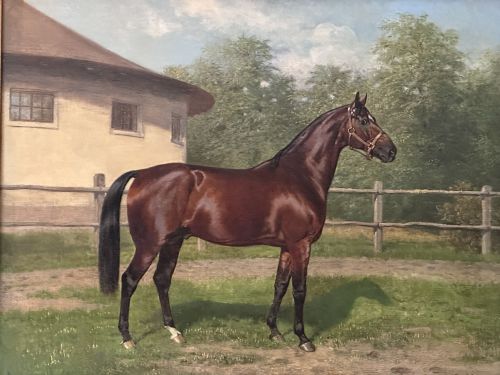
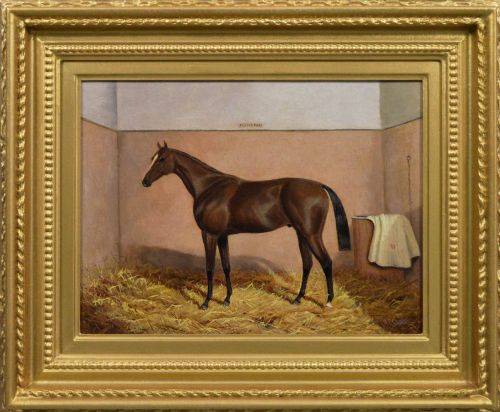
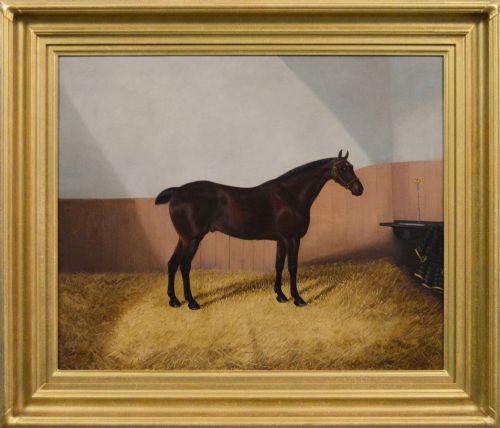
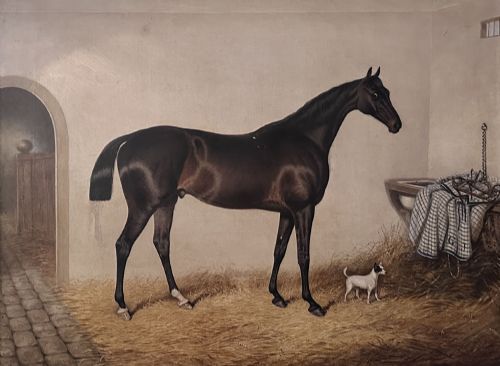
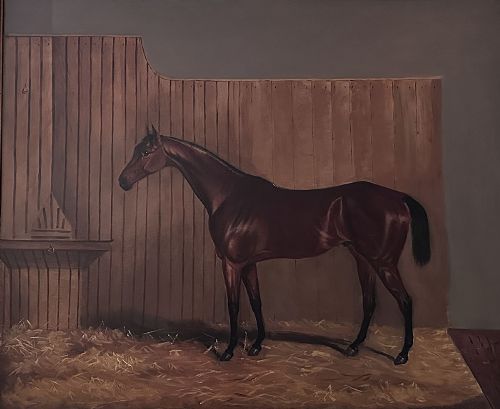
A traditional bay horse painting brings the rich heritage of equestrian portraiture directly into a room, focusing on the distinct brown coat and black points of the subject. These works span the nineteenth and twentieth centuries, capturing hunters, racehorses, and stable scenes with careful attention to anatomy.
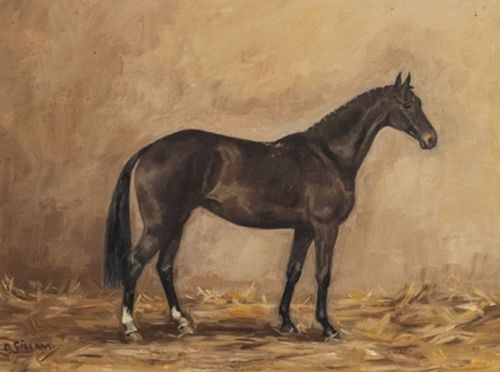
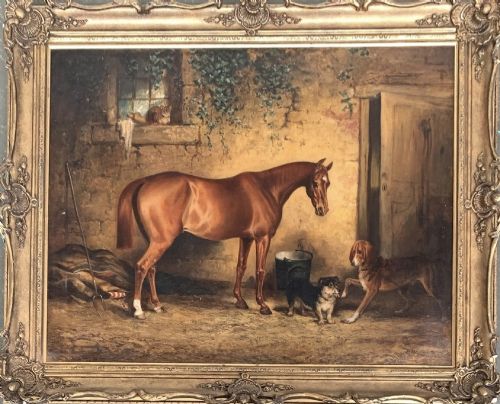
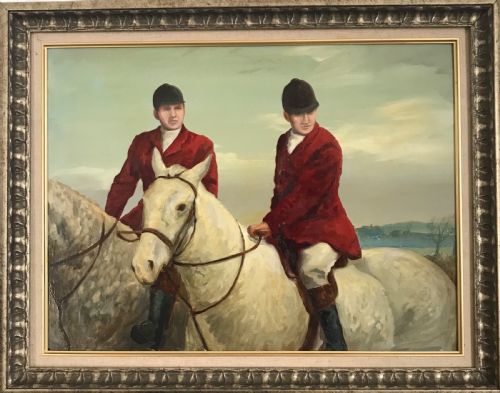
The pieces available here lean heavily into Victorian and Edwardian sporting traditions, often presenting the animal either alone in a stable or accompanied by handlers. Such artworks reflect a period when equine portraiture held a prominent place in British artistic culture.
Most examples utilise oil on canvas, housed within period wooden or giltwood frames that complement the depth of the pigments. Buyers encounter both intimate head studies and wider compositions showing the horse within its environment.
Materials and Methods
Artists relied primarily on oil paint applied to canvas, building up rich layers to render the sheen of a bay coat and the texture of straw bedding. Watercolour and gouache occasionally appear on paper, offering a lighter touch while maintaining precise anatomical detail.
Giltwood and carved wood frames provide the traditional enclosure for these canvases, often showing period craftsmanship with decorative moulding. The integration of canvas, oil paint, and wood ensures these works survive as durable historical artefacts.
Traditional Bay Horse Painting Retail Price Guide 2026
Typical asking prices for traditional bay horse painting among the pieces listed under this phrase on Sellingantiques today, from the lower quarter to the upper quarter. They describe what is for sale here now, not the wider market.
The listings combine oil on canvas and watercolour works within traditional wooden and giltwood frames.
Markers of Quality
The distinction between average and exceptional works rests upon the painter's command of equine anatomy and light. Superior examples convey the muscle structure, alert expression, and distinctive coat highlights with anatomical precision rather than rigid formulas.
Context and setting elevate certain pieces above standard portraits, particularly when the artist includes detailed stable interiors, tack, or human figures such as grooms. The preservation of the original canvas and the harmony of the period frame further define the standing of a piece.
Henry Barraud·Albert Clark·Edward Lloyd of Ellesmere·Benjamin Cam Norton·Alfred Grenfell Haigh
The Traditional Bay Horse Painting Glossary
- Bay
- A horse coat colour characterised by a reddish-brown body with black manes, tails, and lower legs. This specific coloration forms the central subject of these traditional paintings.
- Giltwood
- Wood that has been thinly coated with gold leaf or gold paint. Frames made this way surround many nineteenth-century oil paintings.
- Sporting Art
- A genre of art depicting bloodsports, horses, hounds, and rural pursuits. This category encompasses the majority of Victorian and Edwardian equine portraits.
- Equestrian
- Relating to horse riding or the representation of horses in art. The term defines the entire thematic scope of these paintings.
Traditional Bay Horse Painting: Frequently Asked Questions
What periods do these paintings date from?
The available selection spans from the late nineteenth century through the mid-twentieth century, with a strong concentration of Victorian and Edwardian works.
Most pieces reflect the aesthetic standards of British sporting art popular during these decades.
How should I hang a framed oil painting?
Select a wall with stable ambient temperature away from direct sunlight to protect both the canvas and the giltwood frame.
Ensure proper wall anchors support the weight of the traditional wooden framing.
What is the difference between a hunter and a racehorse in these works?
Hunters are typically depicted with sturdier builds suited for field sports, often shown inside stable environments with straw.
Racehorses are rendered with leaner, more athletic proportions, frequently identified by name in the artwork's documentation.
Are these paintings executed on canvas?
The majority of the works utilise oil paint applied to canvas surfaces housed within wooden structures.
A small number of pieces utilise paper mediums with watercolour and gouache.