

Framed Dog Artwork
Framed dog artwork brings centuries of canine companionship into rooms through oils, watercolours, etchings and needlework.
Framed Dog Artwork
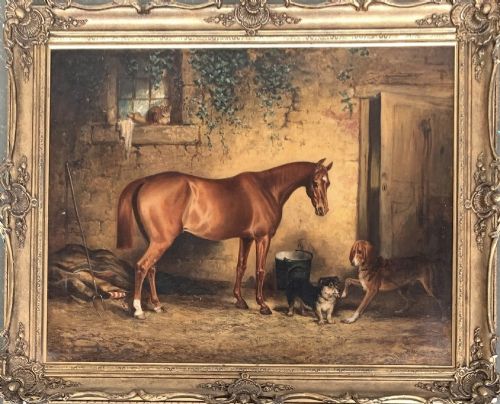
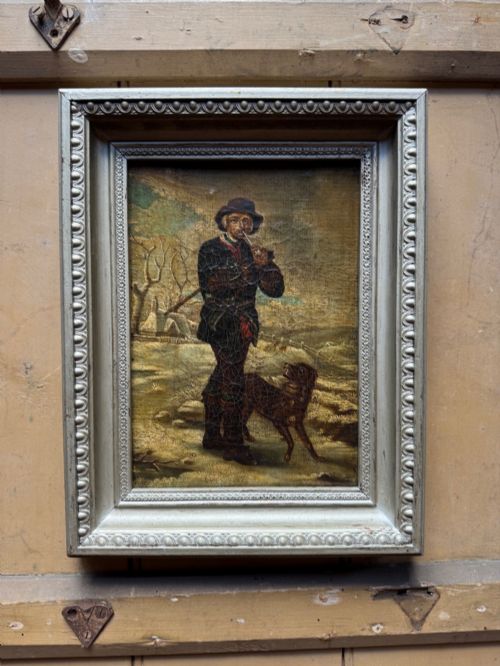
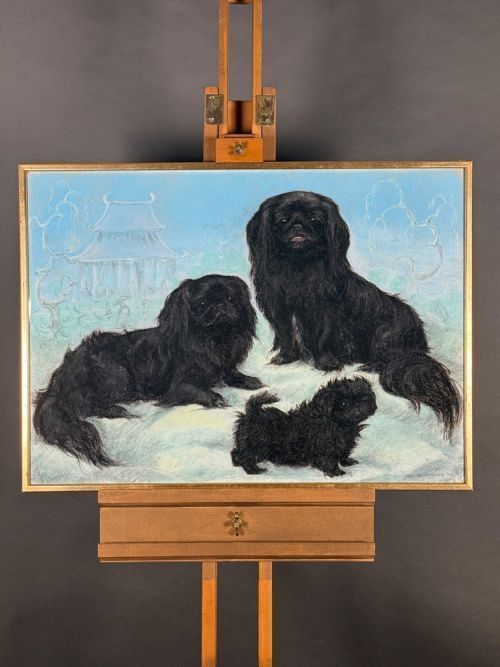
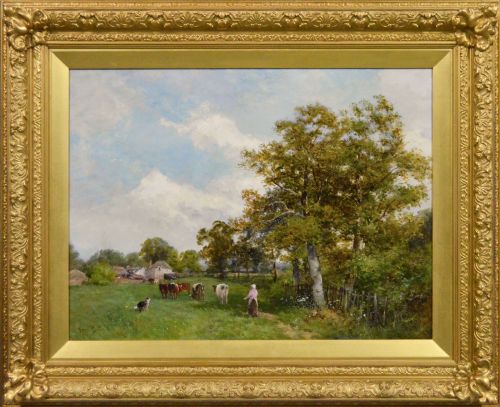
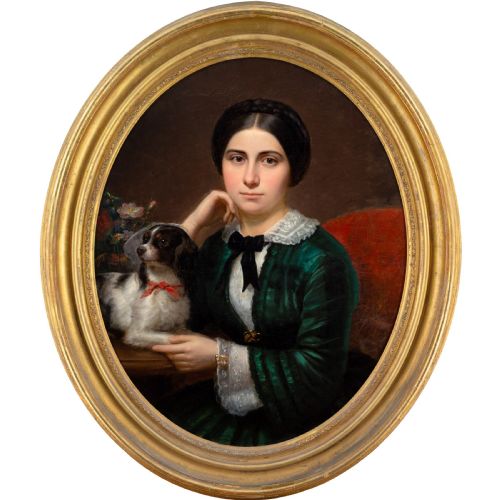
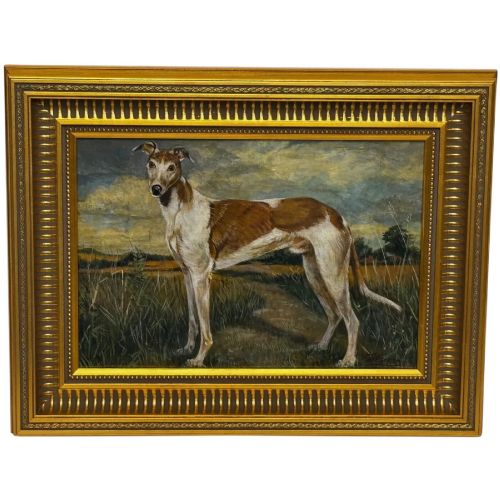
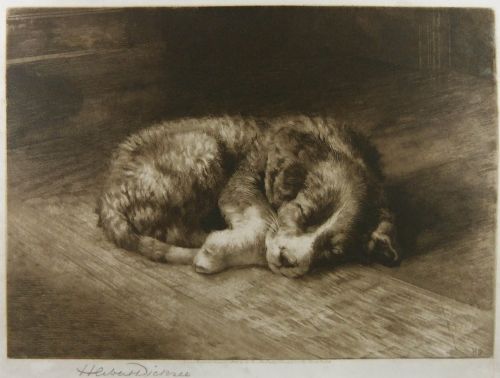
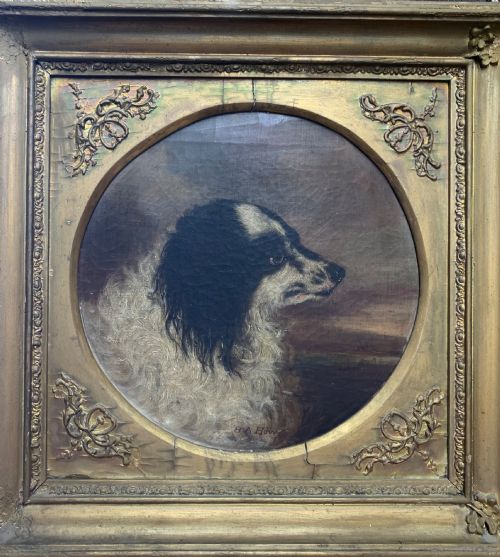
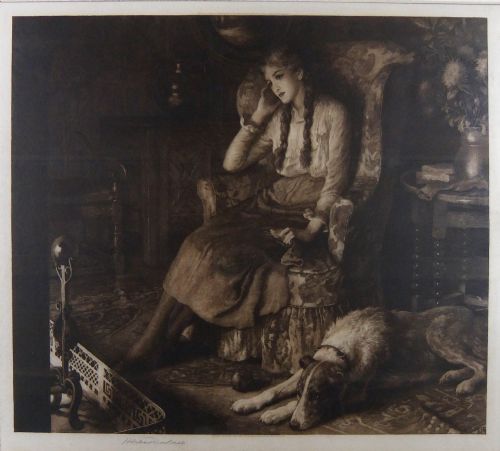
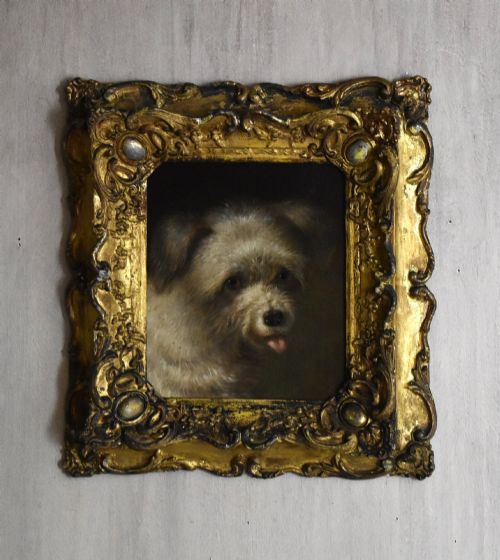
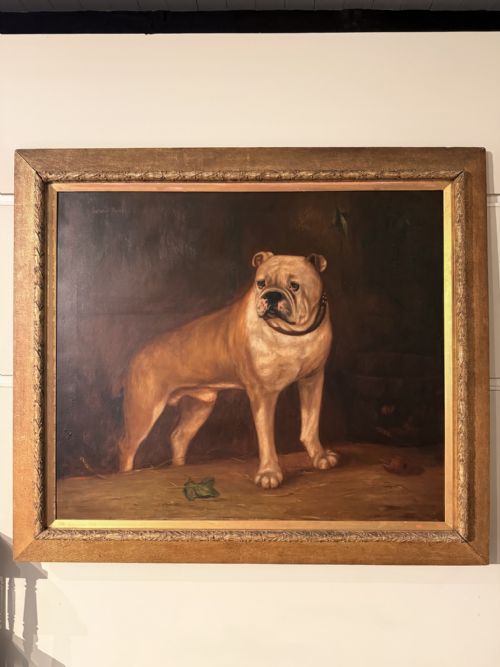
Framed dog artwork covers centuries of canine depiction, ranging from formal 19th-century oil portraits of hounds and spaniels to early 20th-century etchings and pastels. These pieces capture dogs in sporting, landscape and domestic settings, reflecting shifting social attitudes towards pets and working animals.
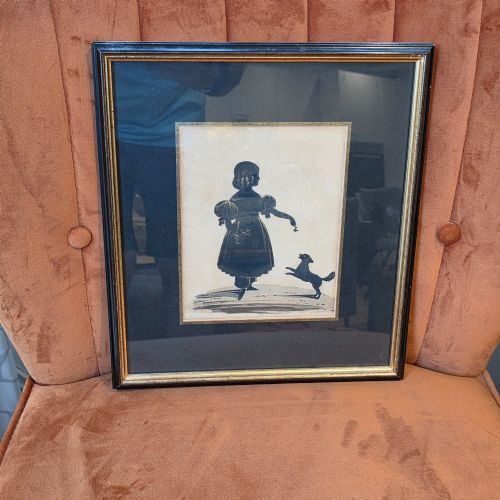
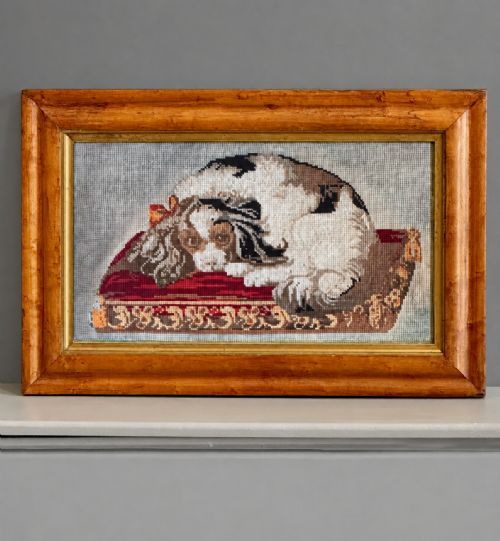
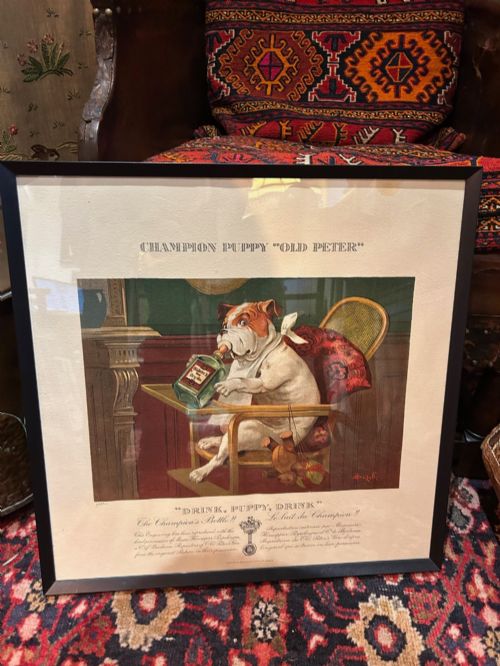
The pieces on this page appear in various mediums, including oil on canvas, gouache on paper, lithographs and needlework Berlin wool work. Forms span from miniature cut paper silhouettes to large canvas portraits framed in original burr maple or giltwood.
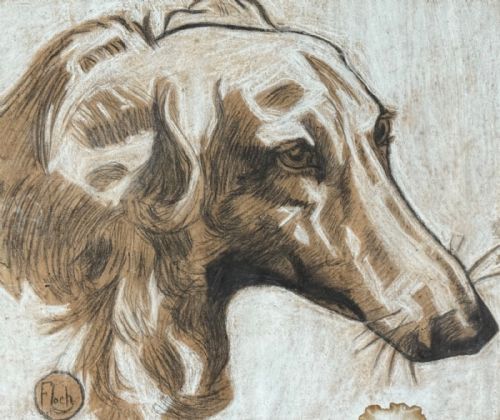
Victorian sporting art and Edwardian animal studies dominate the selection, often presenting individual breeds such as King Charles spaniels, terriers and borzois. Buyers encounter both signed works by known animal painters and anonymous folk-art depictions.
Materials and methods
Painters utilised oil on canvas or board, layering pigments to capture the texture of a dog coat, while draughtsmen worked in pencil, pastel and gouache on paper. Etchers created detailed prints using metal plates, and needleworkers stitched wool yarn onto canvas grounds.
Framing forms an integral part of the physical object, utilising materials like burr maple, wood and giltwood to house and protect paintings, prints and textiles under glass.
Framed Dog Artwork Retail Price Guide 2026
Typical asking prices for framed dog artwork among the pieces listed under this phrase on Sellingantiques today, from the lower quarter to the upper quarter. They describe what is for sale here now, not the wider market.
Listings incorporate oil paintings, etchings, watercolours, pastels, lithographs and needlework spanning from the 17th century to the mid-20th century.
Distinctions in quality
Quality rests upon the artist's ability to render canine anatomy, expression and movement convincingly within the chosen medium, distinguishing careful observation from formulaic production. Finer works display nuance in the depiction of fur textures and light.
The preservation of the paper, canvas or needlework, combined with the originality and condition of the period frame, dictates the standing of an individual piece within its type.
Henry Barraud·William James Hubard·Valentine T Garland·David Bates·Herbert Dicksee·Martin Theodore Ward·John Sargent Noble·Sir Edwin Henry Landseer·C H Weigall·Horatio Henry Couldrey·Claude Cardon·Frans Snyders·John Emms·Arthur Wardle·William Barraud
The Framed Dog Artwork Glossary
- Berlin work
- A type of needlework popular in the 19th century, utilising coloured wools stitched onto a canvas grid following a printed pattern.
- Etching
- A printmaking technique where an artist scratches a design through a protective ground on a metal plate, which is then acid-bitten and inked.
- Lithograph
- A print produced from a flat stone or metal plate treated to repel ink everywhere except where the drawing exists.
- Giltwood
- Wood carved and coated with gold leaf or a gold-coloured finish, frequently used for traditional picture framing.
- Sporting art
- Genre of painting and prints depicting field sports, hunting packs, horses and working dogs.
Framed Dog Artwork: Frequently Asked Questions
What periods do these dog artworks cover?
The selection spans from the 17th century through the Victorian and Edwardian eras up to the mid-20th century. Earlier examples focus on traditional sporting and fine art oil painting, while later pieces include Art Deco drawings and mid-century pastels.
Each period brings distinct framing choices, from burr maple to giltwood, matching the aesthetic preferences of the time in which the piece was created.
How do I identify the medium of the artwork?
Listings specify the materials used, distinguishing between oil paintings on canvas or board, works on paper such as gouache, pastel and watercolour, and printed items like etchings and lithographs. Needlework pieces are also clearly designated.
Looking closely at the surface under glass reveals texture differences, such as the raised threads of Berlin work or the distinct plate marks surrounding original etchings.
Were these pieces created as portraits of specific pets?
Many 19th-century oil paintings depict named animals, such as family favourites or a lord's preferred hounds, recorded by professional animal painters. Other works capture generic breed studies or animals within broader landscape and sporting compositions.
Inscriptions on the reverse or within the title often record the name of the dog or the owner, adding personal history to the portrait.
How should I care for framed dog artwork?
Works on paper, pastels and textiles require protection from direct sunlight to prevent fading of the pigments and yarns. Keeping them in stable humidity conditions safeguards both the artwork and the original wood or gilt frames.
Framed oil paintings benefit from gentle dusting with a soft, dry cloth and should be hung away from direct heat sources to protect the canvas and wooden stretchers.