


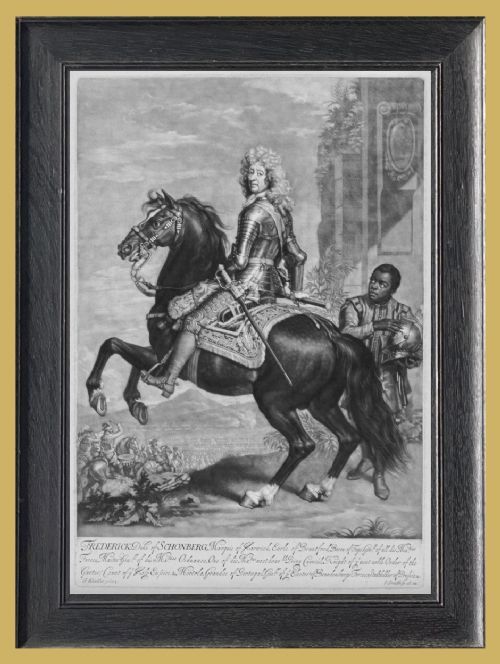
Framed Copperplate Engraving
A framed copperplate engraving preserves centuries of printed line and tonal subtlety within wood and glass.
Framed Copperplate Engraving
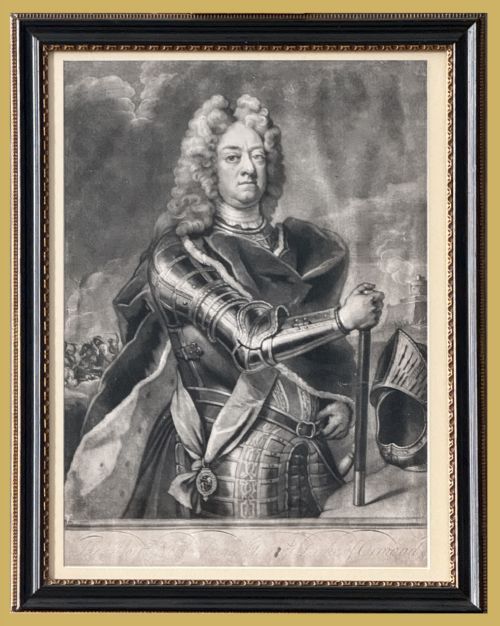
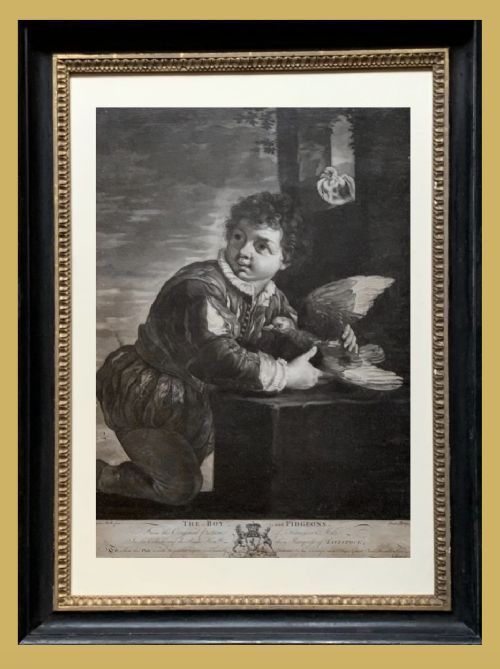
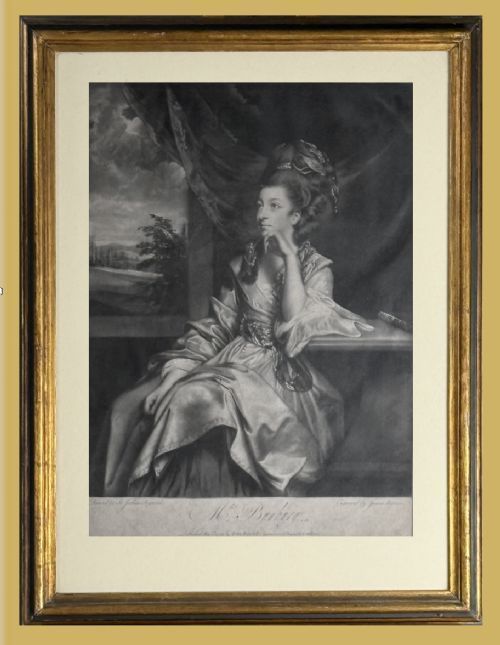
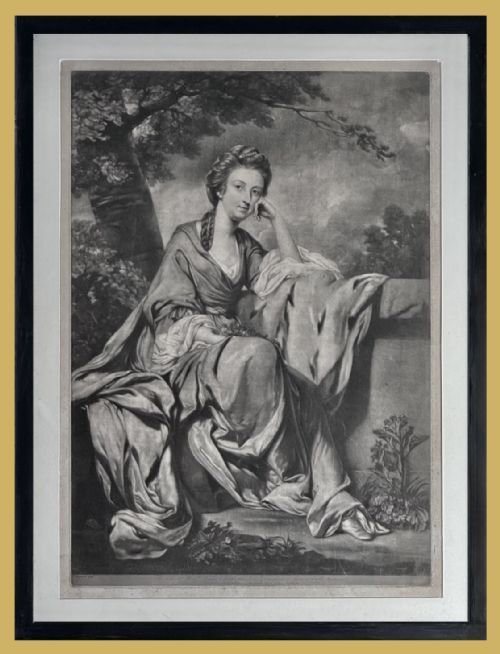
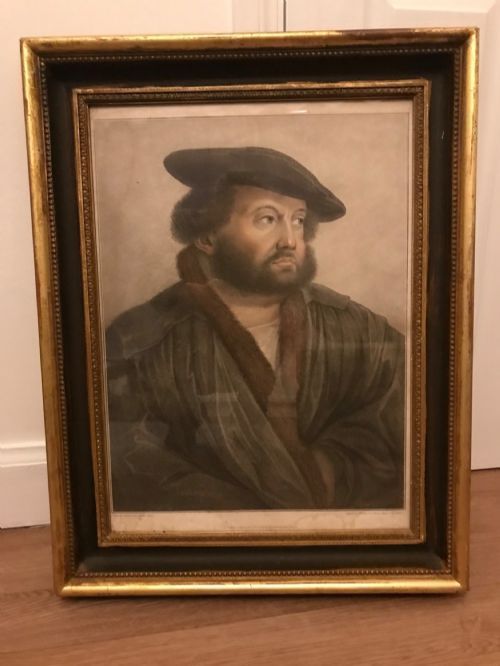
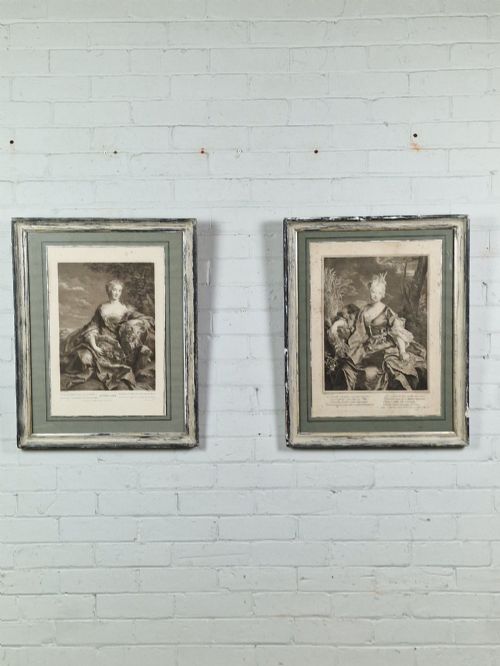
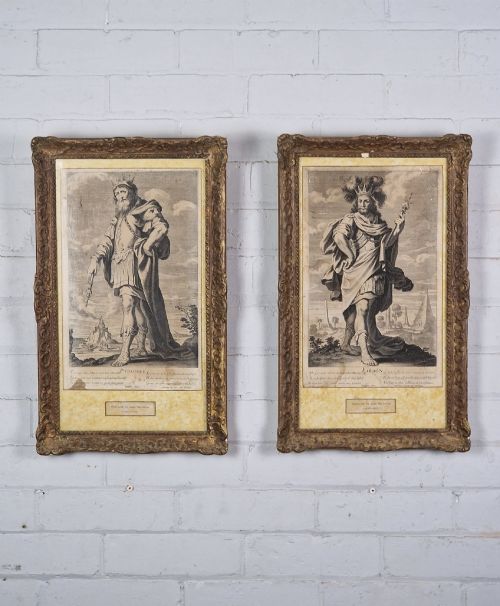
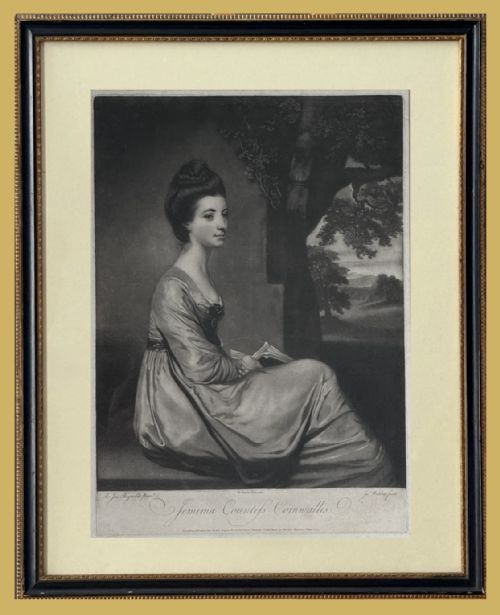
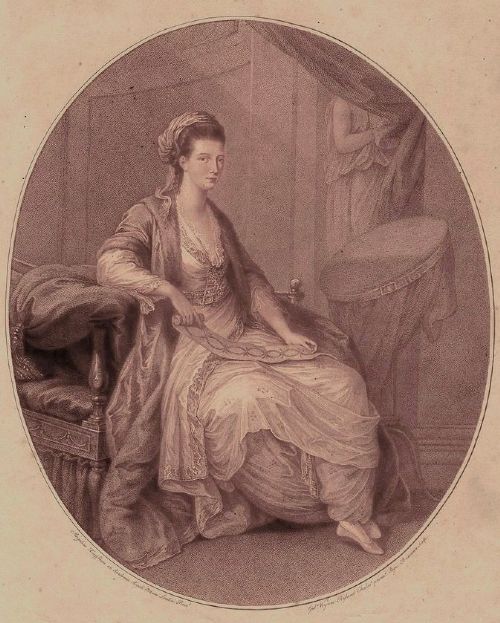
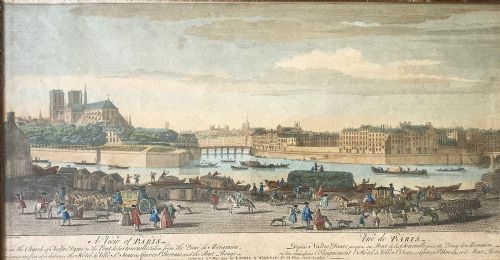
A framed copperplate engraving brings historical portraiture, architectural views, and allegorical scenes into domestic interiors through printed paper preserved beneath glass. Buyers exploring this selection encounter works spanning several centuries, with a heavy concentration of eighteenth-century portraiture executed in mezzotint and stipple techniques.
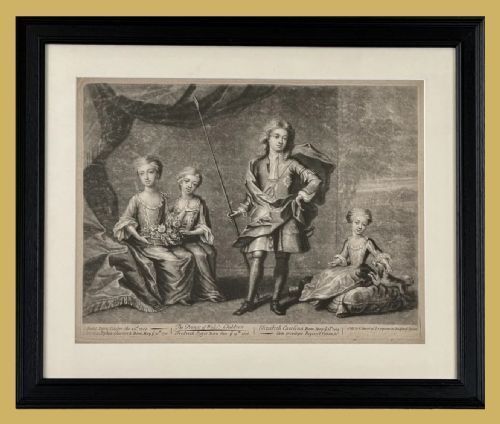
The subjects range from aristocratic figures and royal children to anatomical studies, natural history plates, and cartography. Many of these prints pair a prominent engraver with a celebrated painter, capturing the artistic output of Georgian and Baroque periods.
Most examples retain period framing, utilising wooden mouldings and occasionally original gold leaf or gilt wood finishes. These pieces function simultaneously as historical documents and works of graphic art, often preserved in matched pairs or larger sets.
Materials and Technique
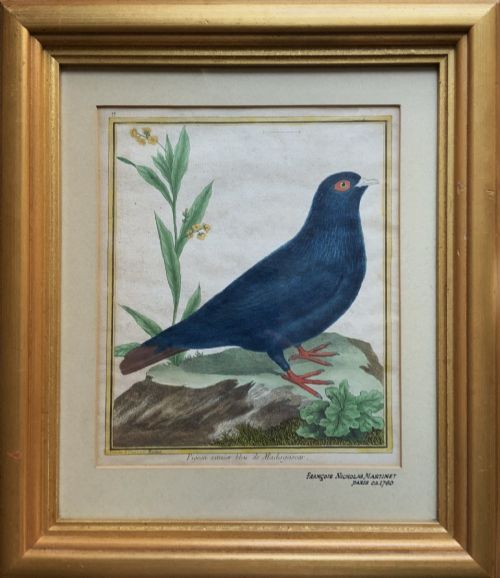
Makers produced these works by incising designs into copper plates using sharp tools or acid baths, applying ink to the depressions, and transferring the image onto laid or woven paper under high pressure. Some examples incorporate subsequent hand colouring with watercolour pigments applied directly to the printed sheet.
Framing materials typically consist of timber mouldings, sometimes finished with gesso and gold leaf or left as dark polished wood to protect the delicate paper beneath glass. The survival of original Hogarth frames and period glazing adds physical context to the works.
Framed Copperplate Engraving Retail Price Guide 2026
Typical asking prices for framed copperplate engraving among the pieces listed under this phrase on Sellingantiques today, from the lower quarter to the upper quarter. They describe what is for sale here now, not the wider market.
Listings feature seventeenth, eighteenth, and nineteenth-century works executed on paper using ink, watercolour, and gold leaf within timber frames.
Assessing Quality
Quality rests in the crispness of the plate impression and the clarity of the tonal gradations across the inked surface. Early impressions from a fresh copper plate reveal fine details in hair, fabric, and facial expression that become blurred as the soft metal wears down during extended printing runs.
The integrity of the paper support and the survival of contemporary hand colouring influence the overall standard of a piece. Furthermore, the presence of an unaltered period frame contributes significantly to the integrity and historical weight of the object.
John Smith·James Watson·Valentine Green·Jacobus Houbraken·Francesco Bartolozzi
The Framed Copperplate Engraving Glossary
- Mezzotint
- A printmaking method where the copper plate is roughened uniformly to produce rich dark tones, and scraped back to create lighter areas. This technique allows for subtle gradients of shadow and light, frequently utilised for eighteenth-century portraiture.
- Stipple engraving
- A method of creating images on metal plates using dots rather than continuous lines to build up form and tone. It gained popularity for rendering soft flesh tones and painterly textures.
- Copperplate
- A sheet of soft metal used as the matrix for engraving or etching lines intended to hold printing ink. The relative softness of the metal limits the total number of sharp impressions a plate can produce.
- Hand colouring
- The manual application of watercolour pigments to a finished monochrome print to enhance specific details such as garments, flora, or heraldic devices. This process was typically executed shortly after printing.
- Hogarth frame
- A narrow, stepped wooden picture frame profile popular during the eighteenth and nineteenth centuries, often finished in black lacquer with gilt inner edges. These frames complement the scale of contemporary graphic works.
Framed Copperplate Engraving: Frequently Asked Questions
How do I care for a framed engraving?
Keep the piece away from direct sunlight to prevent the ink and any applied watercolour pigments from fading over time. Ensure the hanging location remains stable in temperature and humidity to protect the antique paper and wooden frame.
Avoid using liquid cleaners on the glass directly, as moisture can seep beneath the rebate and damage the paper sheet. Dust the timber frame gently with a dry, soft cloth.
What is the difference between an engraving and a mezzotint?
An engraving relies on direct lines cut into the copper plate with a burin to form the image. This produces a crisp, linear definition across the printed surface.
A mezzotint builds an image from tones and shadows by roughening the entire plate surface and smoothing areas to create highlights. This tonal process yields velvety blacks and gradual transitions without relying on a network of lines.
Are these frames original to the prints?
Many examples retain their period frames, such as eighteenth-century wooden mouldings or original Hogarth frames, which show appropriate signs of age. Other pieces may have been reframed at a later date to ensure proper physical protection under glass.
Examining the backing boards, fixings, and joinery helps determine the chronological relationship between the print and its enclosure. Original framing adds considerable historical context to the graphic work.
How can I tell the age of an engraving?
Dating relies on the paper characteristics, such as laid chain lines visible when held to the light, alongside typography, sitter biographies, and recorded publication dates. The style of the engraving technique and the physical construction of the frame provide further chronological clues.
Many plates bear publication lines naming the publisher and exact year of release directly beneath the image area. Comparing these details against known records establishes the period of production.