




Framed Colour Lithograph
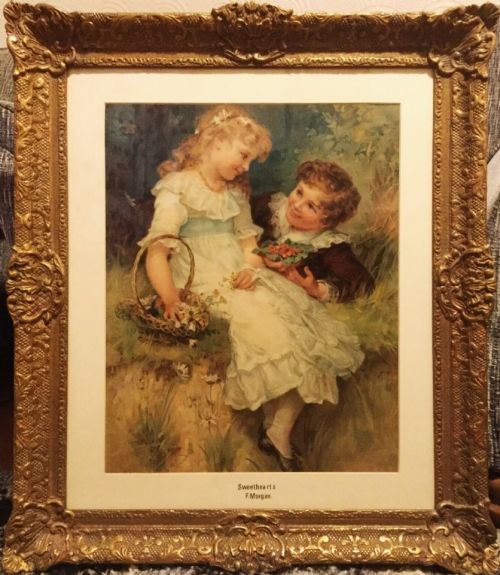
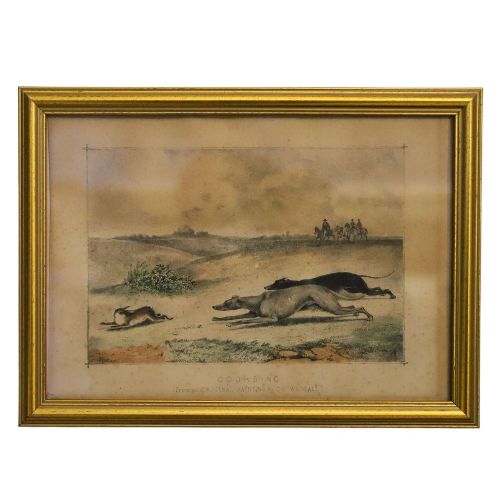
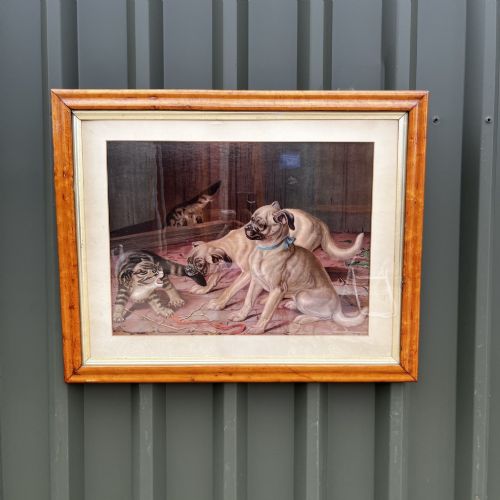
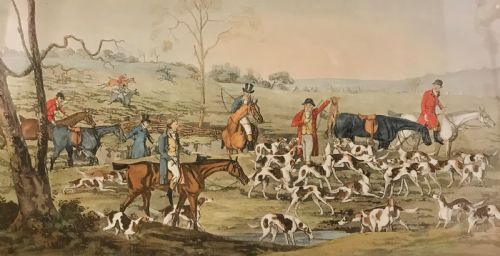
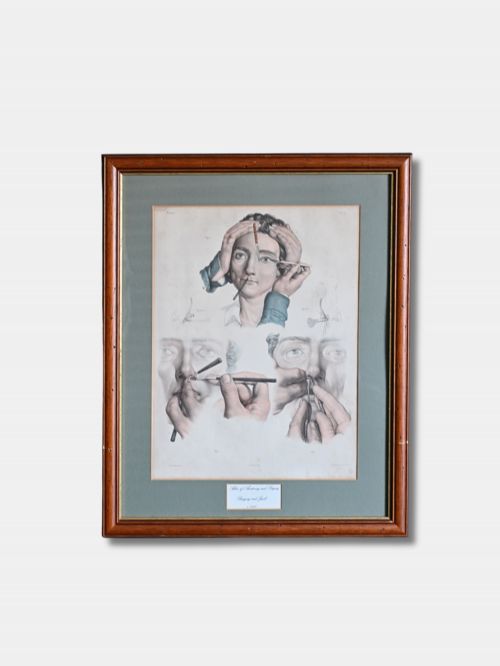
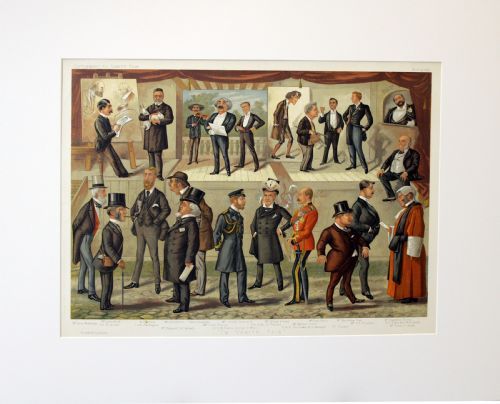
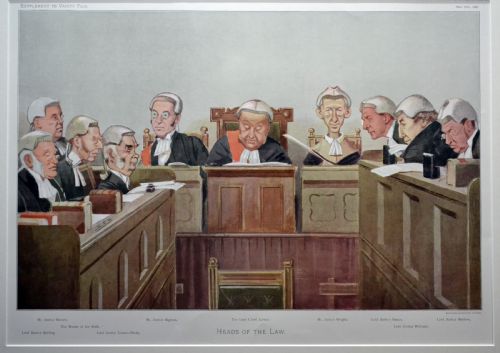
These framed colour lithograph examples bring nineteenth century portraiture, sporting scenes and natural history straight to the wall.
Framed Colour Lithograph
A framed colour lithograph represents a print created through planographic stone printing and finished with pigment, housed behind glass in wood or gilt framing. When you search for framed colour lithograph, you encounter nineteenth century works spanning Victorian studies, sporting subjects and natural history.
The selections on this page range from Georgian topographical views to Edwardian theatrical portraits and mid twentieth century Pears prints. Subjects include birds, field sports, political satire and theatrical scenes published across British, French and American workshops.
Materials and production methods
Finished plates were mounted behind glass and secured within wooden surrounds, often finished with gold leaf, gilt wood or gilded wood moulding. These protective housings preserve the delicate paper surfaces from atmospheric moisture and handling.
Listings incorporate paper, glass, wood, ink, gold leaf and gilt wood across Victorian, Georgian and Edwardian periods.
Distinctions in quality
Quality rests upon the crispness of the initial stone impression and the precision of the applied pigments. Finer examples display sharp delineation without ink bleeding, alongside carefully registered colour separations that maintain clean boundaries.
The integrity of the framing also dictates overall character, with period gilt wood and gold leaf mouldings providing appropriate historical context. Stronger pieces retain vibrant paper tones and distinct artist signatures or publisher inscriptions without heavy fading.
Frederick Morgans·C. H. Weigall·Horatio Henry Couldrey·David Roberts·William Powell Frith·Thomas Worth
The Framed Colour Lithograph Glossary
- Chromolithograph
- A multicolour print produced from multiple limestone blocks, where each stone applies a separate hue to build up the final image.
- Hand-coloured
- A monochrome or partially printed lithograph finished with manual watercolour applications by studio colourists.
- Planographic printing
- A flat printing process relying on the mutual antipathy of grease and water on a limestone surface.
- Gilt wood
- Carved wooden framing finished with a thin layer of gold leaf or metallic gilt coating.
Framed Colour Lithograph: Frequently Asked Questions
How do I identify a true lithograph?
Examine the surface under a magnifying glass to check for the fine dot patterns of modern offset printing or the solid ink films characteristic of traditional stone lithography. Genuine nineteenth century examples show a flat ink layer without halftone screens.
Look also for the subtle indentations left in the paper margins by the printing press stone. These physical impressions confirm the piece passed through a traditional flat bed press.
Are these prints hand coloured?
Many nineteenth century examples feature touches of watercolour applied by hand over a printed base. You can spot this by looking for slight brushstrokes and variations in pigment density.
Pure chromolithography applies all colours through successive stone impressions, whereas hybrid pieces combine printed tones with manual pigment additions for extra vibrancy.
How should I frame and display them?
Keep prints away from direct sunlight to prevent the fugitive pigments and paper supports from fading. UV filtering glass offers essential protection for coloured works on paper.
Maintain stable indoor humidity levels to stop the paper stock from cockling or developing foxing spots inside the frame. Acid free backing boards prevent chemical degradation over time.
What periods do these prints cover?
The selection spans from the Georgian era through Victorian production into Edwardian and mid twentieth century examples. Most material originates from the nineteenth century.
Different decades favoured distinct subjects, from early sporting and natural history plates to later satirical cartoons and theatrical portraits.