




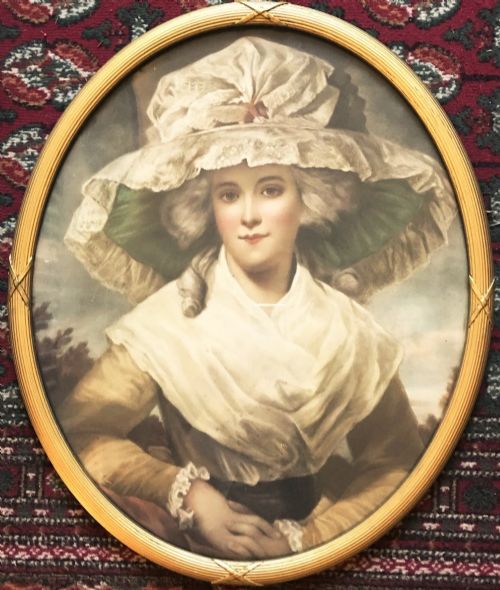

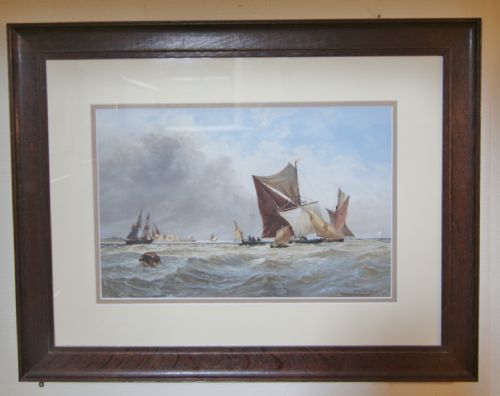
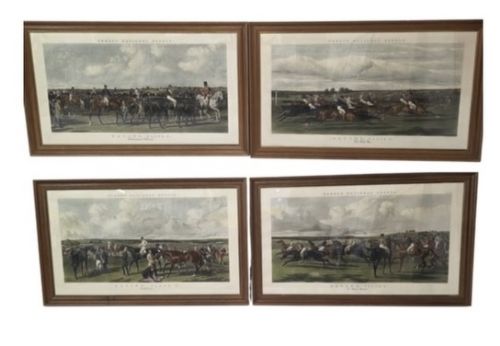
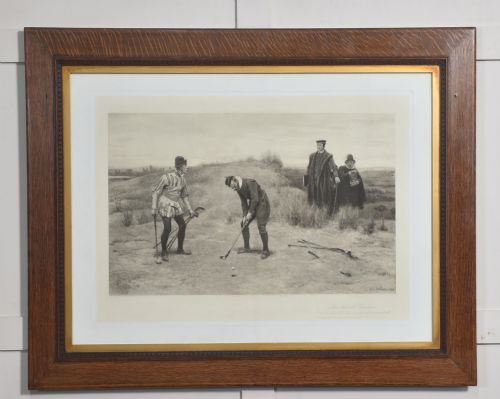
Large Framed Print
When you search for a large framed print, you are hunting for a bold wall piece that carries history directly into a room.
Large Framed Print
A large framed print brings substantial visual weight to a wall, often spanning significant dimensions to command a room. These works draw on varied periods, ranging from Georgian cartography and Victorian engravings to early twentieth-century lithographs and mid-century textured prints.
Buyers encounter subjects as diverse as architectural scenes, maritime battles, classical portraits, and sweeping landscapes. Many examples are preserved behind glass within their original wooden housings, maintaining the integrity of the period.
The category encompasses both decorative wall prints and meticulous historical engravings, offering an immediate focal point for domestic interiors. Each piece bridges past craftsmanship with contemporary display requirements.
Materials and Construction
Makers utilised heavy timber for structural framing, incorporating oak, rosewood, maple, and giltwood mouldings enhanced with gesso and gold leaf. Paper sheets, card, and vinyl canvas served as the primary supports for inked images, watercolours, and lithographic pigments.
Protection and presentation relied on thick window glass panes set directly over the paper surface to shield delicate inks and watercolours from atmospheric damage. Joining techniques often employed pegged wooden joints or original backing boards secured with period fixings.
Large Framed Print Retail Price Guide 2026
Typical asking prices for large framed print among the pieces listed under this phrase on Sellingantiques today, from the lower quarter to the upper quarter. They describe what is for sale here now, not the wider market.
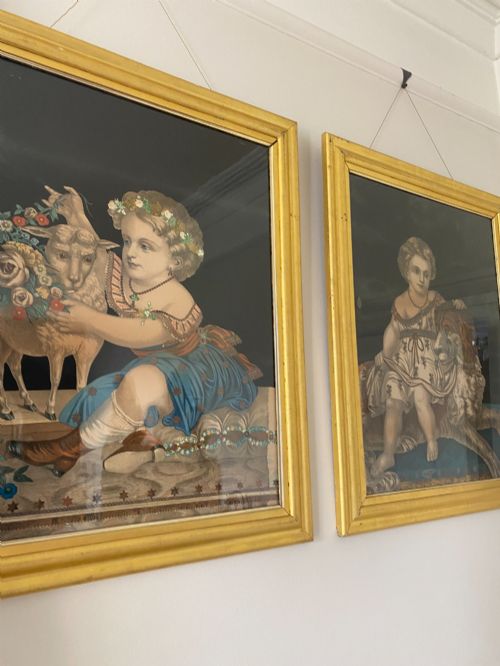
Several Victorian children's prints feature unexpected metal embellishments stitched directly onto their painted clothing.
Judging Quality
Quality rests upon the clarity of the printed impression and the preservation of the paper support against foxing and fading. Crisp ink transfer and faithful colour saturation distinguish superior plates from worn later impressions.
The surrounding frame contributes substantially to the overall standard, with period mouldings retaining their original gilding or polished wood grain carrying more weight than later replacements. Original glass panes and untouched backing materials preserve the historical honesty of the piece.
Donald Grant·Cornelis Van Der Voort·William Powell Frith·T B Hardy·Erich Mercker·J C Dollman·Thomas G Appleton·Robert Morden·Franz Reder Broili·Otto Pilny·John William Godward·J F Herring Senior·George Stephenson
The Large Framed Print Glossary
- Lithograph
- A planographic printing process utilising a stone or metal plate where ink adheres only to grease-treated image areas. This technique allowed for rich tonal gradations in nineteenth-century pictorial works.
- Engraving
- A method of incising a design into a metal plate using a sharp tool called a burin to hold ink for printing. Fine lines define the intricate details characteristic of period architectural and historical scenes.
- Giltwood
- Timber carved and coated with a thin layer of gold leaf over a prepared gesso ground. This luxurious finish defines the grandest frames from the Georgian and Victorian eras.
- Mezzotint
- A tonal printmaking method where the copper plate is roughened to achieve deep blacks and subtle gradations of light and shade. Master printmakers employed this process to translate oil paintings into monochrome editions.
- Cartography
- The scientific and artistic practice of map-making, frequently represented here through engraved regional maps and atlases. These sheets often feature hand-coloured borders and decorative cartouches.
Large Framed Print: Frequently Asked Questions
How do I hang a heavy framed print safely?
Substantial pieces require secure wall fixings anchored directly into studwork or masonry rather than relying on standard plaster plugs. Utilising heavy-duty picture wire and double hooks distributes the considerable weight evenly across the structure.
Position the centre of the work at approximate eye level to ensure proper visual balance within the room. Check that the original frame joints remain stable before committing the piece to the wall.
Are these prints original to their frames?
Many examples retain their contemporary housings, particularly those featuring period oak, maple, or giltwood mouldings that match the age of the paper within. Subtle signs of wear on the wood and traditional backing methods often confirm a long association between the artwork and its frame.
Subsequent reframing occurred frequently over the centuries to update interiors or protect vulnerable paper. Examining the fixings and rebate provides insight into whether the assembly remains undisturbed.
What indicates a nineteenth century printing technique?
Nineteenth-century works frequently display fine dot patterns from early lithography or crisp plate marks impressed into the paper surrounding engravings. Hand-coloured details over printed outlines often reveal the production methods of the Victorian period.
Examining the paper texture under magnification helps identify rag paper stocks typical of the era. Accompanying typographic details and publisher stamps further anchor the date of creation.