

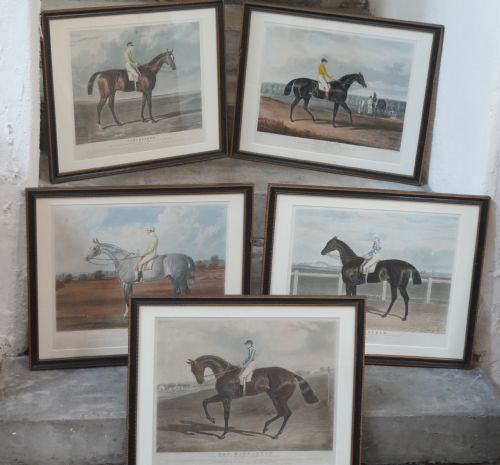


Classic Victorian Art Print
These classic victorian art print pieces bring nineteenth-century subjects to your walls through period engravings, etchings and early framed works.
Classic Victorian Art Print
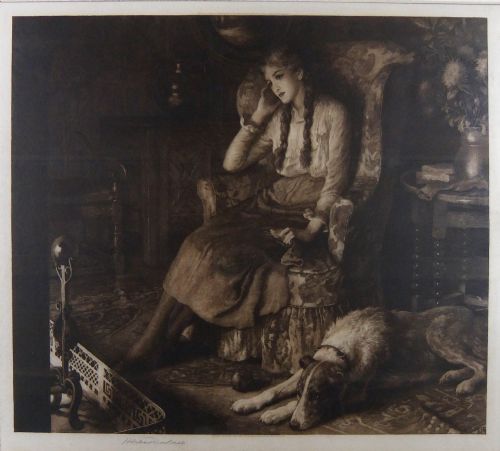
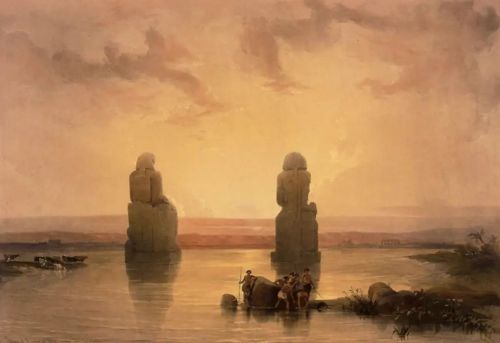
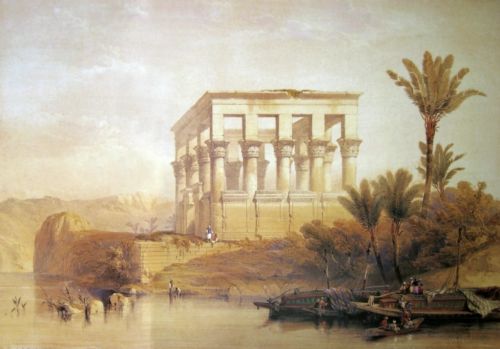
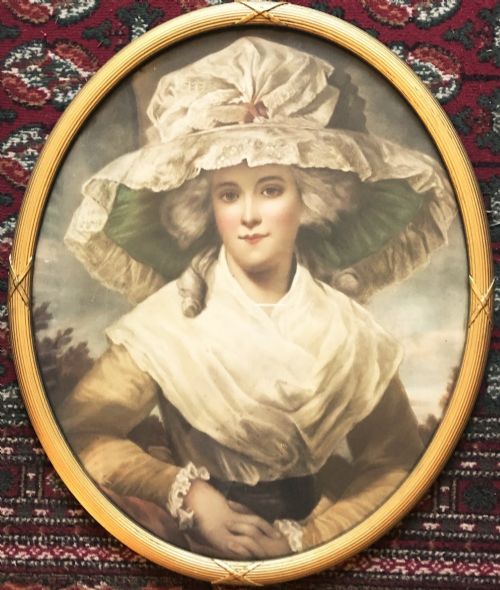
When searching for a classic victorian art print, you are looking at nineteenth-century works on paper alongside oil paintings and period reproductions. These pieces range from sporting scenes and equestrian studies to portraiture and Orientalist subjects.
The most common items on this page include framed prints, engravings and etchings spanning the Victorian era through to the early twentieth century. Many examples capture domestic subjects, literary moments and historical scenes framed for display.
Origins stretch across the Victorian period, Edwardian years and specific dates such as eighteen fifty and nineteen ten. Each object preserves the visual culture of the nineteenth century through ink on paper, oil on canvas or gilt frames.
How they were made
Makers utilised paper, ink and glass alongside wood and gilt wood for framing. Many works began as oil paintings or original drawings before being transferred to print through etching and engraving techniques.
Gold leaf and plaster frequently appear on the frames housing these works, complementing the detailed ink lines and oil pigments on canvas. Craftspeople combined traditional printmaking methods with substantial wooden mounts to protect the paper surface.
Bears, hounds and horses crowd these walls, proving the Victorians loved an action-packed canvas as much as a quiet portrait.
What varies in quality
The distinction between tiers rests upon the clarity of the plate impression and the fidelity of the secondary medium. Stronger impressions reveal sharper lines in engravings and etchings, whereas weaker examples lose fine details in darker areas.
Framing materials and overall preservation also divide the range. Original gilt wood frames and clean paper surfaces demonstrate higher craftsmanship compared to later replacements or heavily degraded supports.
Herbert Dicksee·David Roberts·Gustave Doré·Arthur Hacker·James Dobie·Landseer·J F Herring
The Classic Victorian Art Print Glossary
- Engraving
- A printmaking process where an artist cuts lines directly into a metal plate with a burin. This technique produces crisp, linear details across historical prints.
- Etching
- A method where acid bites lines into a metal plate coated with an acid-resistant ground. It allows for free-flowing lines similar to a pen drawing.
- Gilt Wood
- Wood that has been coated with a thin layer of gold leaf or metallic powder. This finish is typical of period picture frames.
- Orientalism
- An artistic style depicting scenes from the Middle East and North Africa. It became popular among nineteenth-century painters and printmakers.
Classic Victorian Art Print: Frequently Asked Questions
How do I hang a framed print?
Choose a wall away from direct sunlight to protect the paper and ink from fading over time. Secure fixings into a solid wall stud to support the weight of the wood and glass frame safely.
Keep the centre of the picture at eye level for balanced viewing within your room. Ensure the hanging wire on the back is taut and securely fastened to the wooden moulding.
Are these works original period pieces?
The listings encompass nineteenth-century engravings, etchings and oil paintings created during the Victorian and Edwardian eras. Dates range from eighteen fifty to the early twentieth century, reflecting the production period of each item.
Some prints reproduce earlier oil paintings or drawings while remaining period artefacts themselves. Check the specific date and medium in each listing to confirm its exact age.
How do I care for antique paper art?
Protect paper works by maintaining stable room temperature and low humidity to prevent mould and foxing. Glass framing helps shield the delicate surface from dust and atmospheric pollutants.
Avoid placing these pieces in damp rooms or areas subject to extreme temperature fluctuations. Professional framing using acid-free materials preserves the paper for future years.
What subjects are most common?
Sporting art, equestrian scenes and animal studies appear frequently across these nineteenth-century works. Horse racing engravings and hunting subjects reflect the popular pastimes of the Victorian period.
Portraiture, landscape views of distant travels and literary illustrations also make up a large portion of the available selection. These themes offer a direct window into nineteenth-century visual tastes.