

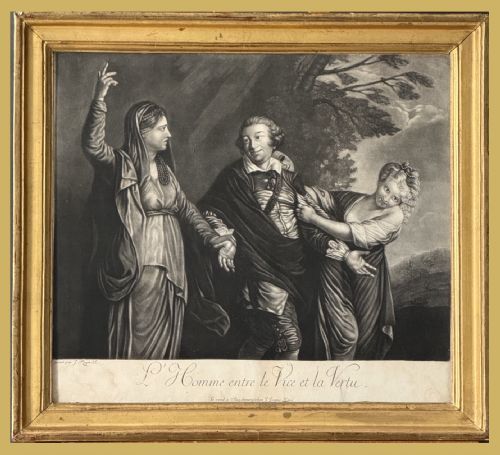
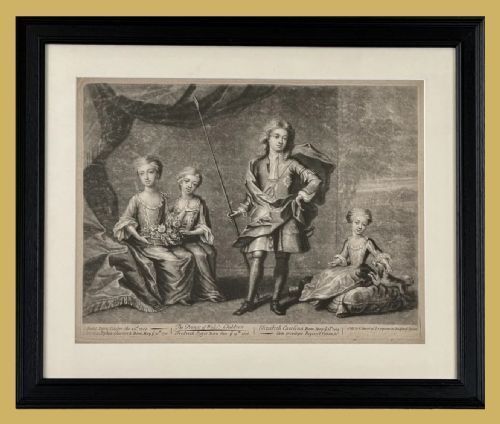
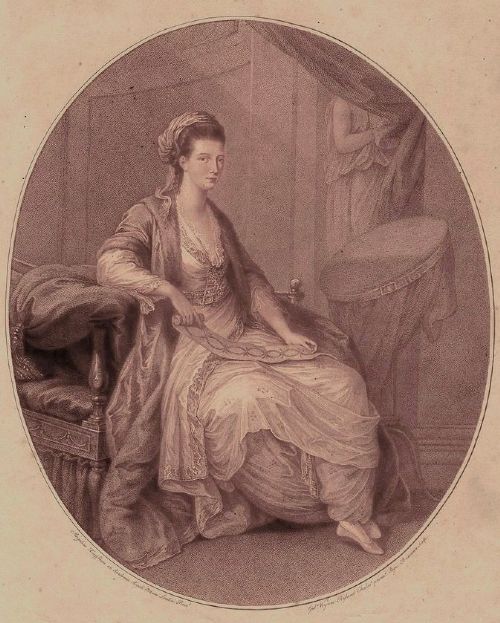
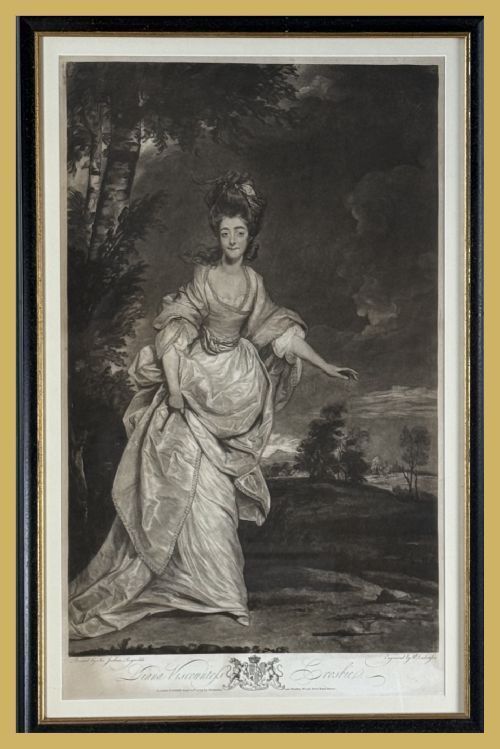
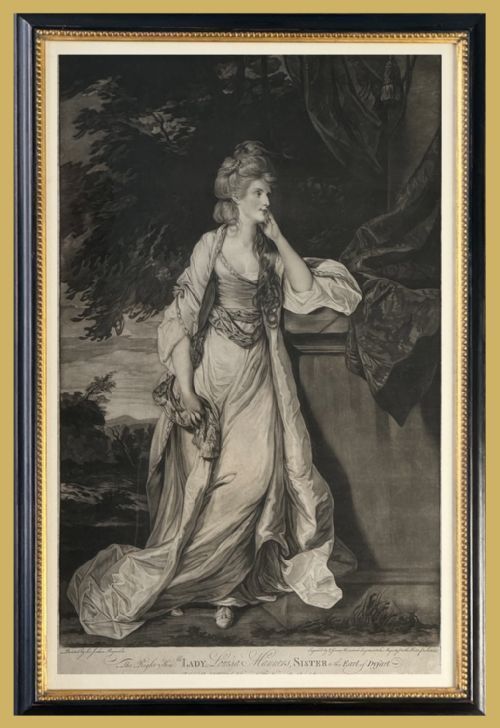
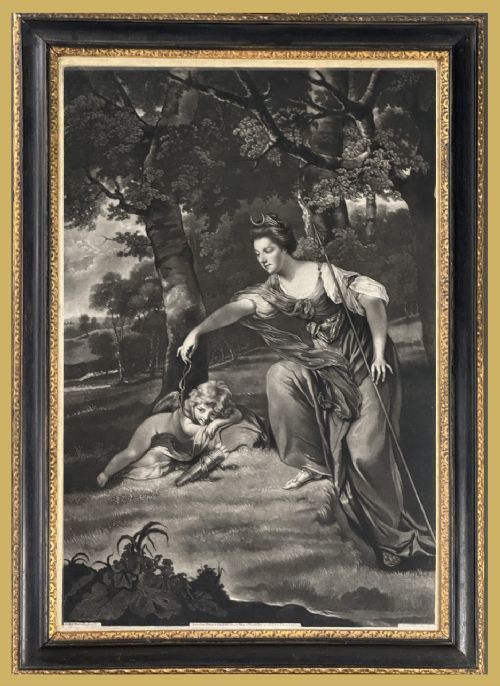
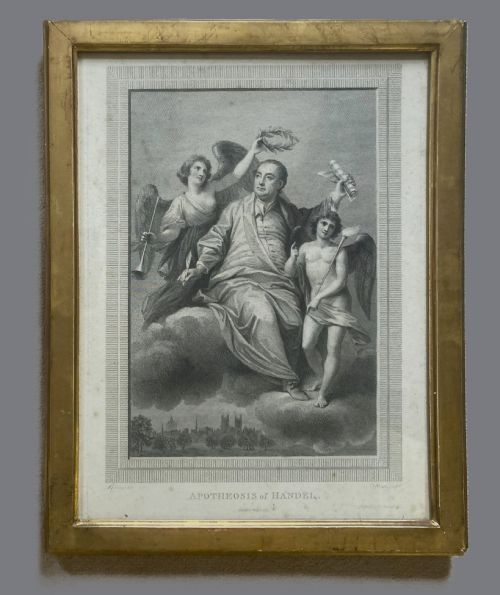
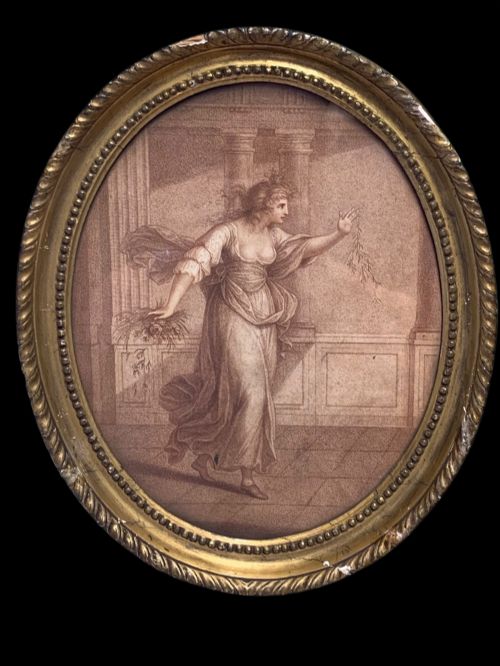
Framed Classical Portrait Print
A framed classical portrait print brings historical likenesses and traditional artistry into a room, framed in wood, giltwood and glass.
Framed Classical Portrait Print
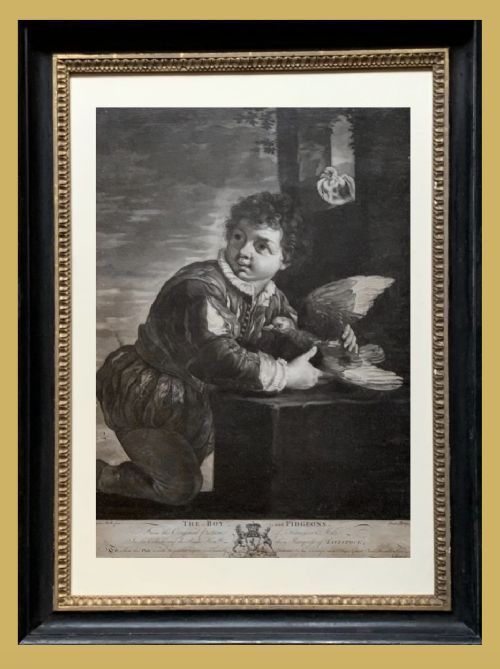
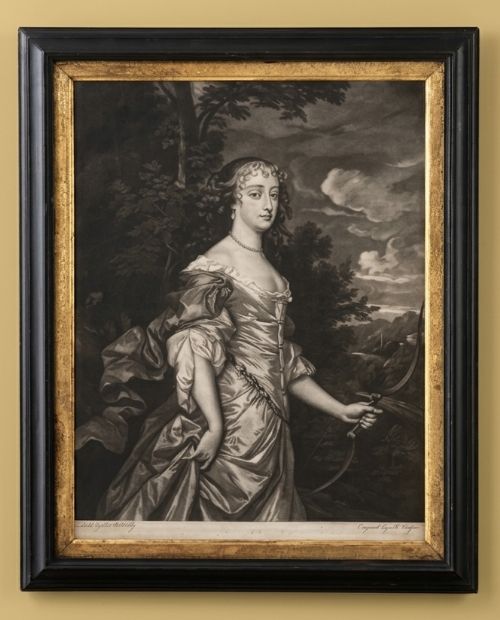
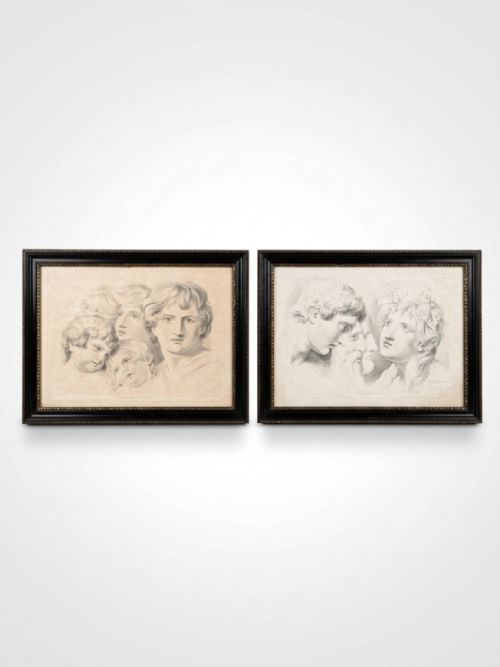
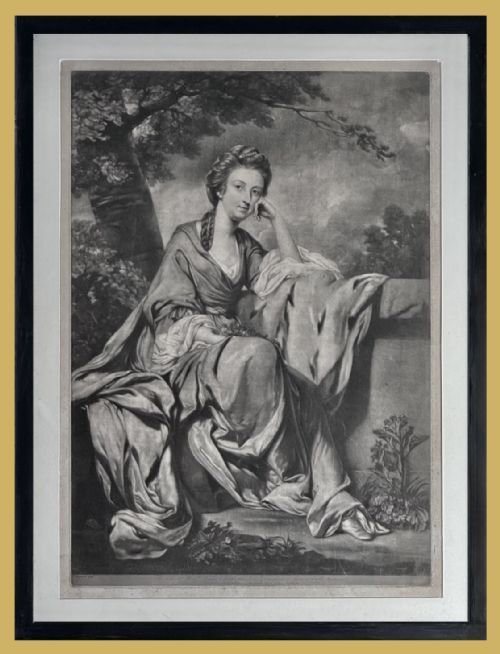
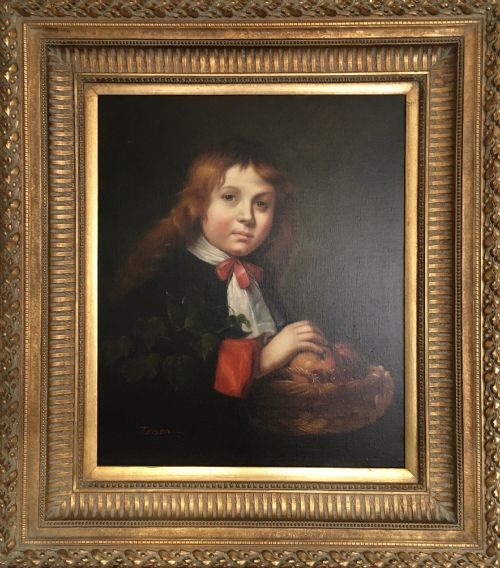
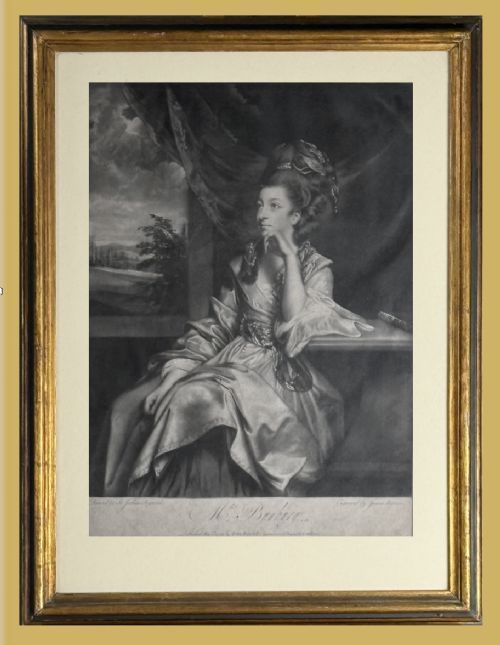
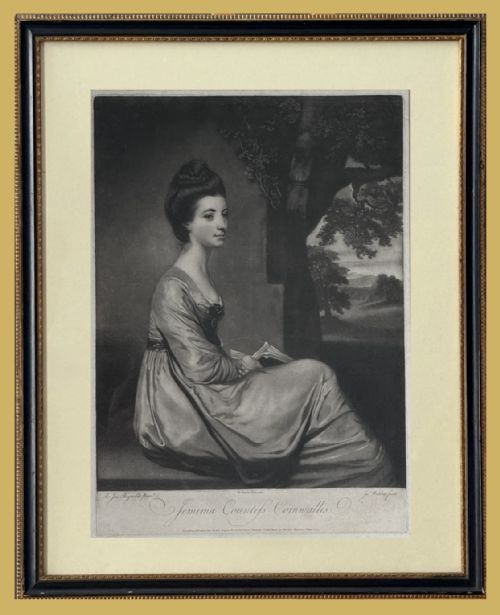
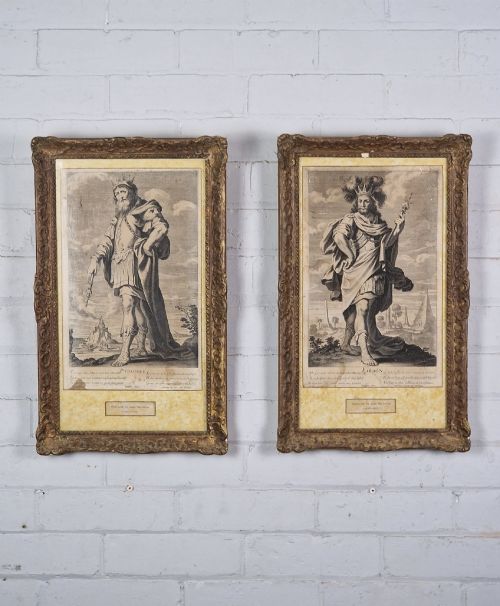
A framed classical portrait print represents historical likenesses produced through techniques such as mezzotint, stipple engraving, and photogravure, often set behind glass in traditional surrounds. These works capture subjects ranging from nobility and artists to theatrical figures, reflecting the portraiture traditions of past centuries.
The versions most frequently encountered on this page date from the eighteenth and nineteenth centuries, spanning Georgian and Victorian periods, alongside later twentieth-century interpretations. They typically present historical engravings or mezzotints after well-known painters, secured in wooden or gilt frames ready for hanging.
How they were made
Makers utilised paper sheets for the printed image, applying ink through copperplate engraving, mezzotint, or stipple techniques to achieve tonal depth and fine facial detail. These prints frequently derive from original oil paintings by prominent artists of the seventeenth, eighteenth, and nineteenth centuries.
The finished works were mounted behind protective glass and housed within wooden frames, with many examples featuring gold leaf, giltwood, or simple painted wooden mouldings to complement the formality of the portrait.
Framed Classical Portrait Print Retail Price Guide 2026
Typical asking prices for framed classical portrait print among the pieces listed under this phrase on Sellingantiques today, from the lower quarter to the upper quarter. They describe what is for sale here now, not the wider market.
Listings feature paper prints, ink work, and glass, secured within wooden, gilt, and giltwood frames across Georgian and Victorian periods.
What varies in quality
Framing materials and original mounting contribute significantly to the character of the piece, with hand-carved giltwood surrounds and period glass differing notably from later replacements.
John Boydell·Edward Fisher·James Watson·Valentine Green·Robert Sayer
The Framed Classical Portrait Print Glossary
- Mezzotint
- A printmaking process of the intaglio family where the plate is roughened to achieve dark tones and smoothed to create light areas. This technique allows for rich, velvety tonal gradations particularly suited to portraiture.
- Engraving
- A method of cutting design lines into a metal plate using a sharp tool called a burin. The resulting incisions hold the ink for transfer onto paper under pressure.
- Stipple
- An engraving technique utilising dots rather than continuous lines to build up an image. It produces soft tonal effects that mimic chalk drawings.
- Photogravure
- A printmaking technique producing photographic images through intaglio printing plates. It creates continuous tones similar to original photographs.
- Giltwood
- Wood that has been treated with gold leaf or a gold-coloured finish. This material is commonly found on traditional frames enclosing classical works.
Framed Classical Portrait Print: Frequently Asked Questions
What periods do these framed classical portrait prints date from?
The pieces span several centuries, with particular representation from the eighteenth and nineteenth centuries, including Georgian and Victorian eras.
Examples also extend into twentieth-century printmaking and later reproductions, reflecting continuous interest in classical portrait subjects.
How should I care for a framed classical portrait print?
Keep the artwork out of direct sunlight to prevent the ink and paper from fading over time. Maintain a stable indoor environment away from excessive moisture to protect both the paper and the wooden frame.
Dust the glass gently with a dry cloth and avoid applying liquid cleaners directly to the surface.
What materials are typically used in these frames?
The surrounds generally consist of wood, with many incorporating gold leaf, giltwood, or simple painted finishes. Glass protects the paper print from dust and environmental damage.
Some pieces retain their original period framing, while others feature later surrounds added to suit subsequent interiors.
How do mezzotints differ from standard engravings?
Mezzotints work from dark to light by roughening the metal plate to hold ink for deep tones, smoothing areas to create highlights. Standard engravings rely primarily on incised lines of varying depths to build up the image.
This distinction gives mezzotints their characteristic soft, painterly gradients.