



Classical Mezzotint Engraving
A classical mezzotint engraving brings the tonal depth of painted portraits onto paper through rich velvety ink.
Classical Mezzotint Engraving
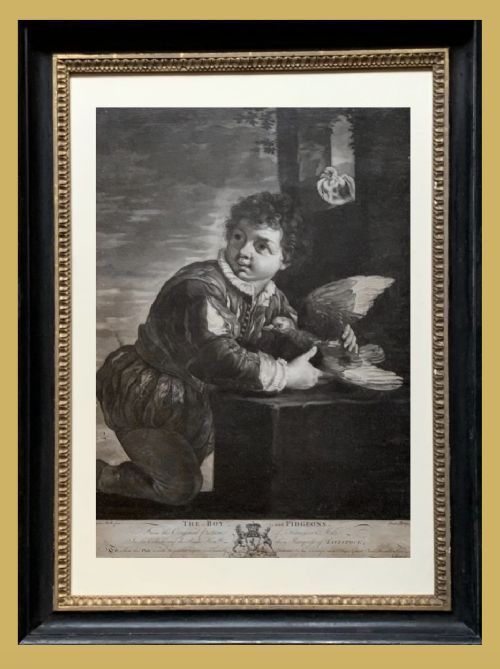
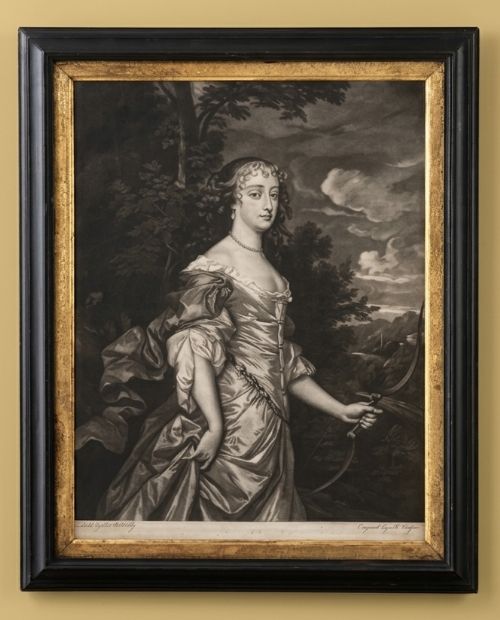
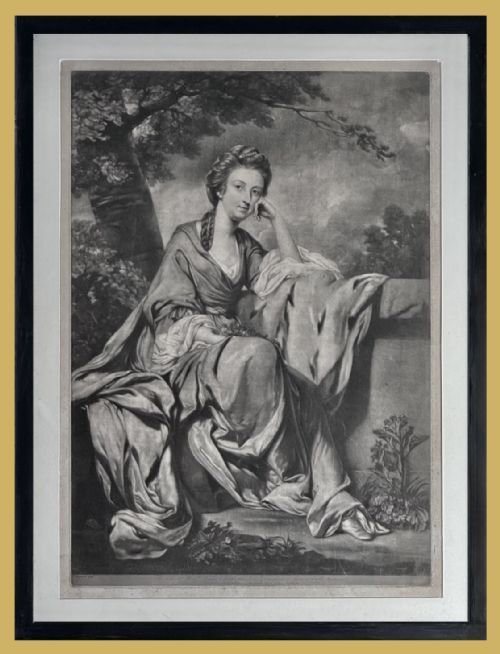
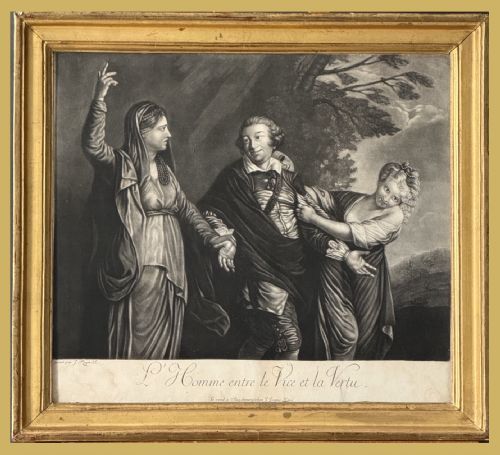
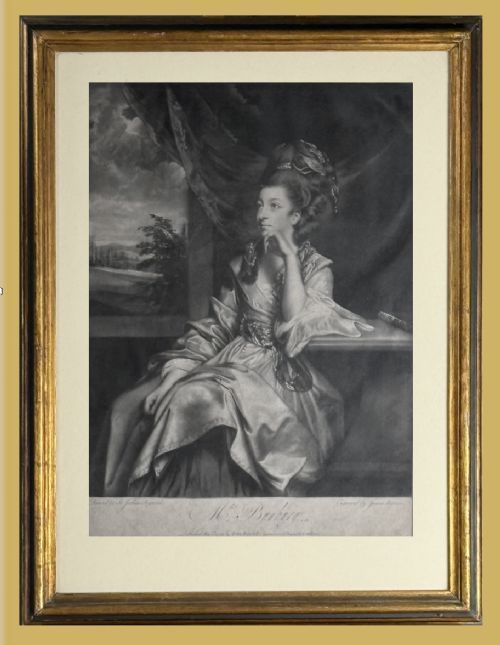
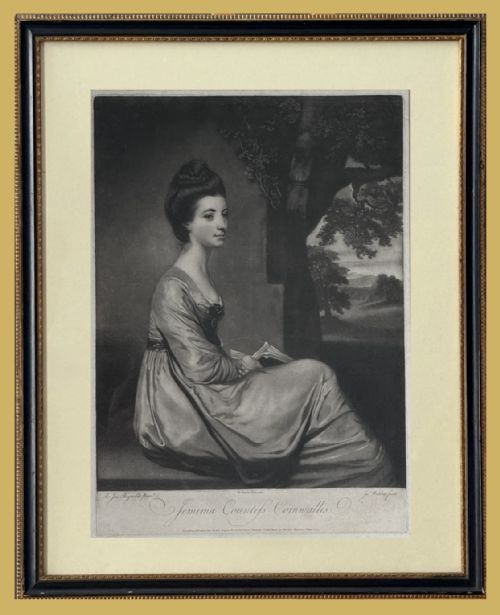
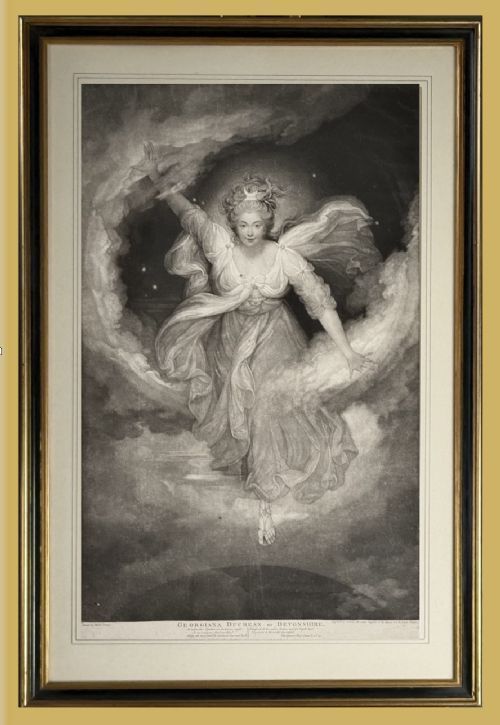
When you search for classical mezzotint engraving, you are looking at tonal printmaking designed to capture portraiture and classical narrative scenes with extraordinary depth of shadow and light.
The pieces you are most likely to meet on this page date from the eighteenth century into the regency period, often framed in wood with gold leaf or gilt details.
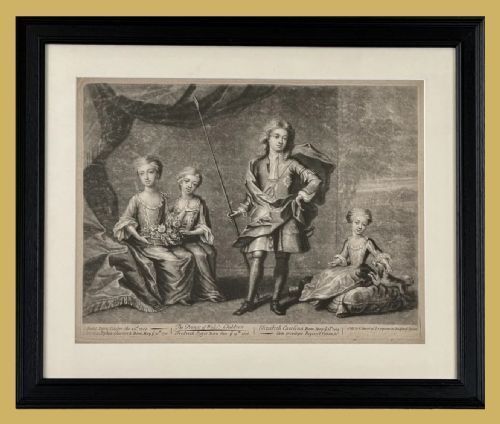
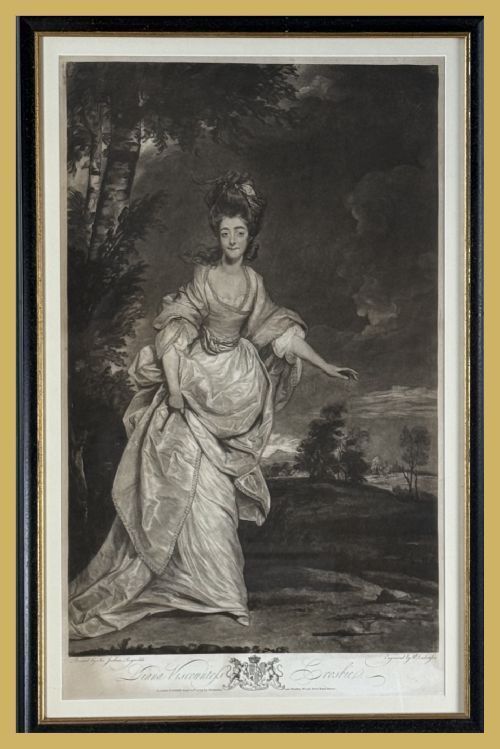
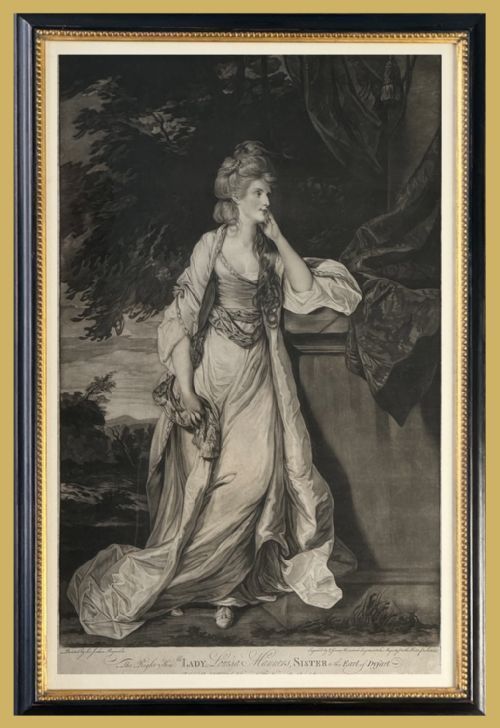
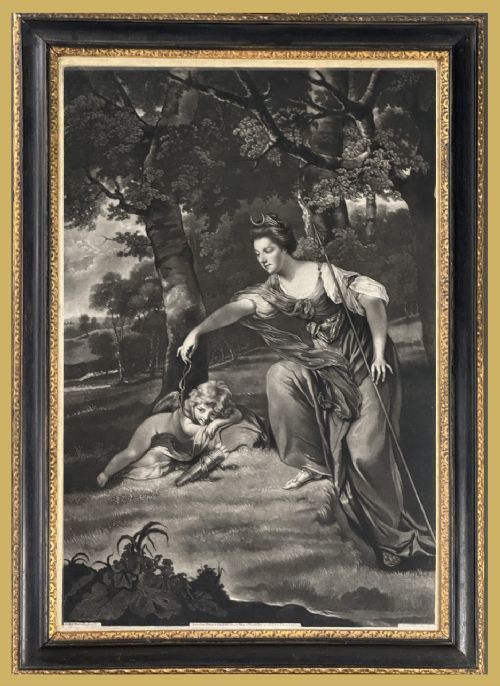
Subjects range from aristocratic portraits after painters like Sir Joshua Reynolds to narrative compositions involving children and mythological themes.
What varies in quality
Quality rests primarily in the sensitivity of the scraping and burnishing, which determines the subtlety of tonal transitions between deep blacks and bright highlights.
The partnership between the original painter, the mezzotint engraver, and the publisher shapes the artistic importance of each plate.
Preservation of the paper sheet and the crispness of the impression within the surrounding frame define the condition of surviving examples.
Classical Mezzotint Engraving Retail Price Guide 2026
Typical asking prices for classical mezzotint engraving among the pieces listed under this phrase on Sellingantiques today, from the lower quarter to the upper quarter. They describe what is for sale here now, not the wider market.
Listings span the eighteenth century, eighteen hundred, and the regency period, utilising paper, ink, wood, glass, and gold leaf.
John Boydell·Edward Fisher·James Watson·Valentine Green·Robert Sayer
The Classical Mezzotint Engraving Glossary
- Mezzotint
- A printmaking process where the copper plate is roughened entirely and then scraped to create tones rather than relying purely on line. This technique allows for rich gradients of light and dark.
- Rocker
- A curved steel tool with fine teeth used to pit the copper plate evenly during the preparation stage. It creates the burr that holds the ink.
- Burnisher
- A smooth tool used to flatten the roughened copper plate areas to lighter tones. It controls the bright highlights in the final print.
- Impression
- An individual print pulled from the engraved plate on paper. Early impressions show the greatest depth before the plate wears down.
Classical Mezzotint Engraving: Frequently Asked Questions
What is a mezzotint engraving?
A mezzotint is an intaglio printmaking method where the artist works from dark to light by smoothing a roughened copper plate. This creates soft tonal gradations rather than sharp lines.
Printers apply ink to the pitted surface and wipe the highlights clean before pressing the image onto paper.
How should I frame these prints?
These works suit traditional wooden frames, frequently incorporating gilt or gold leaf finishes that complement eighteenth-century aesthetics.
Glazing protects the paper surface from environmental dust and moisture over time.
Who painted the original portraits?
Many plates reproduce oil paintings by prominent portraitists of the Georgian era, most notably Sir Joshua Reynolds.
Engravers translated these famous canvases into black and white print editions for broader circulation.
How do I date an old print?
Dating relies on the paper type, publication inscriptions naming the publisher or engraver, and stylistic markers of the period.
Eighteenth-century examples often carry publication lines detailing the release date and the issuing printseller.