
Framed Classical Oil Art
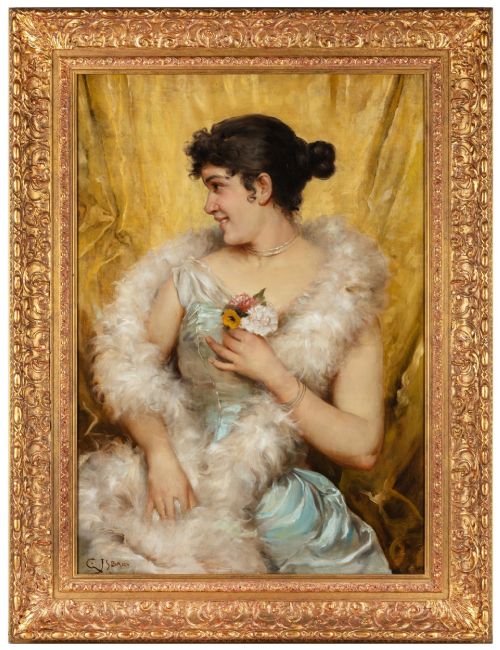
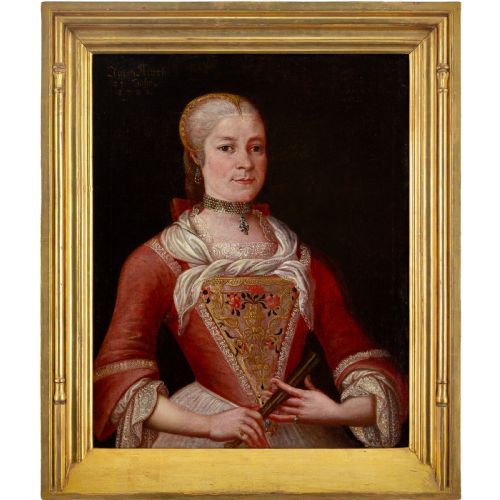
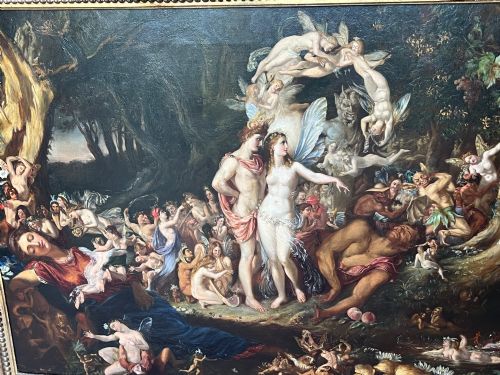
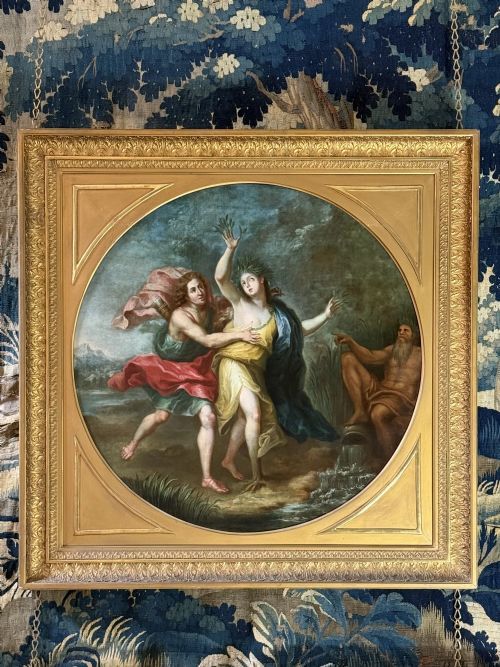
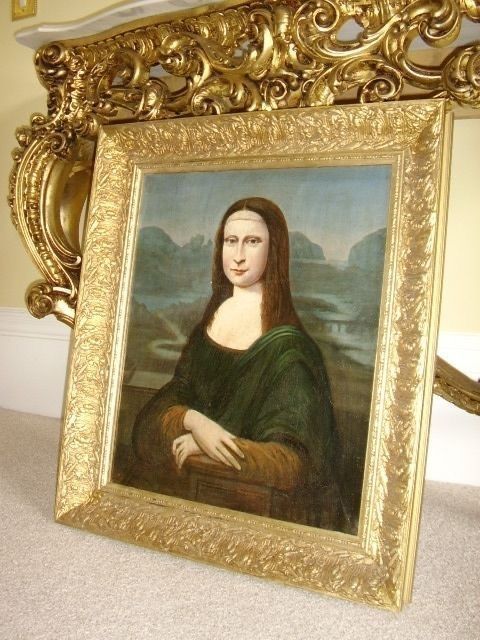
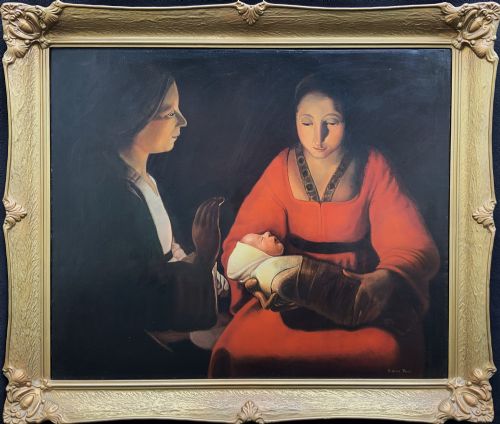
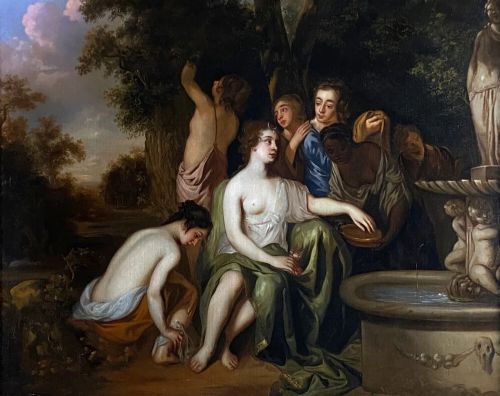
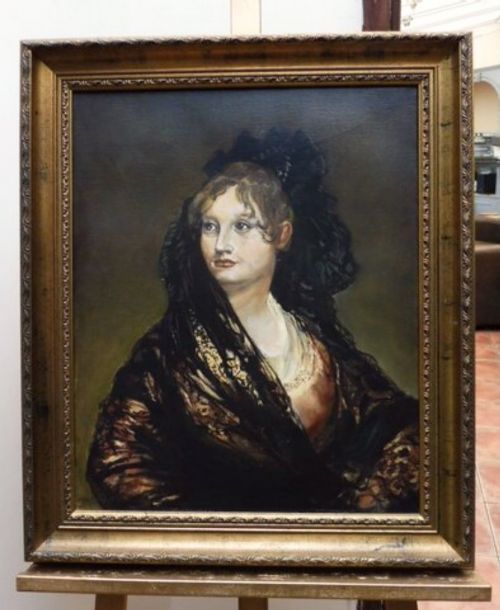
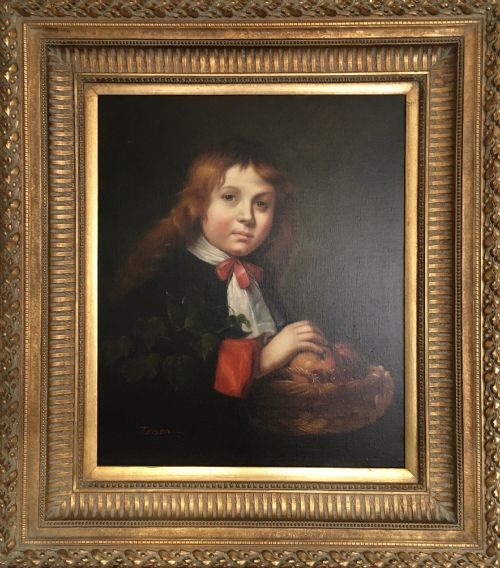
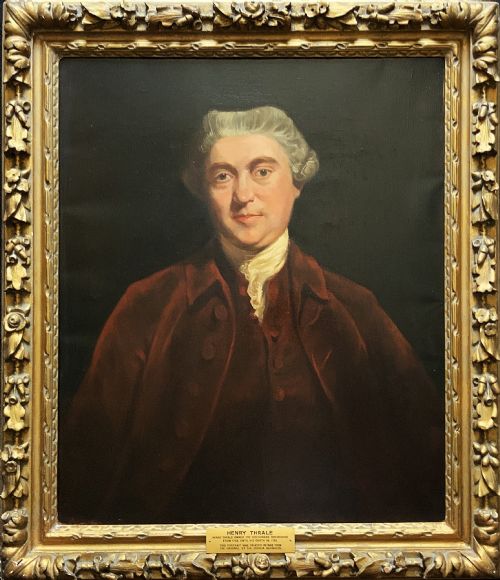
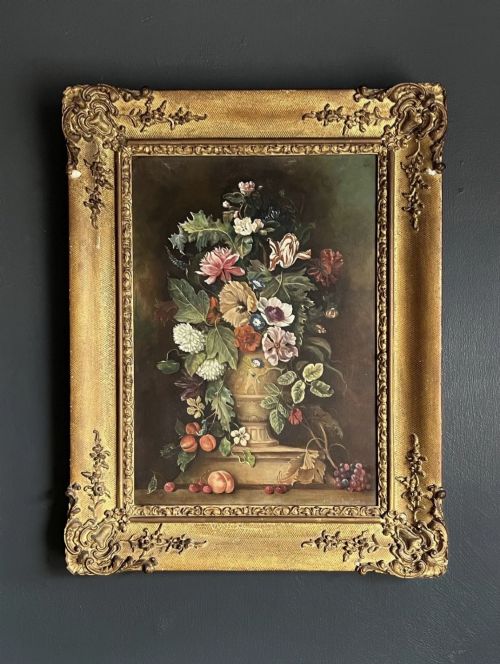
When you search for framed classical oil art, you are tracking down historical canvases and panels that capture mythological scenes, still lifes, and portraiture within period surrounds.
Framed Classical Oil Art
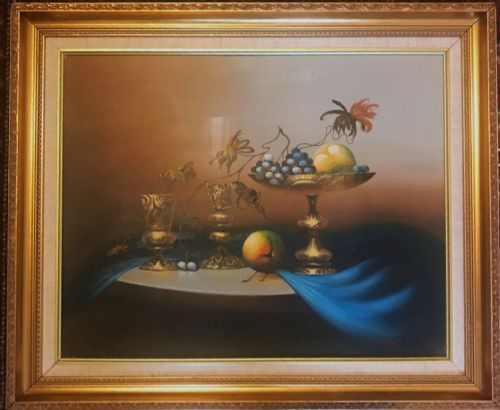
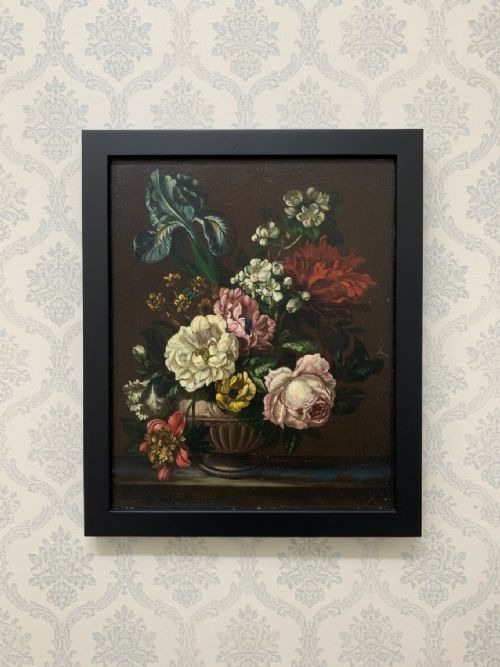
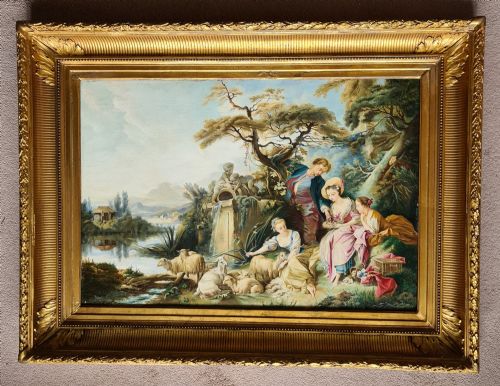
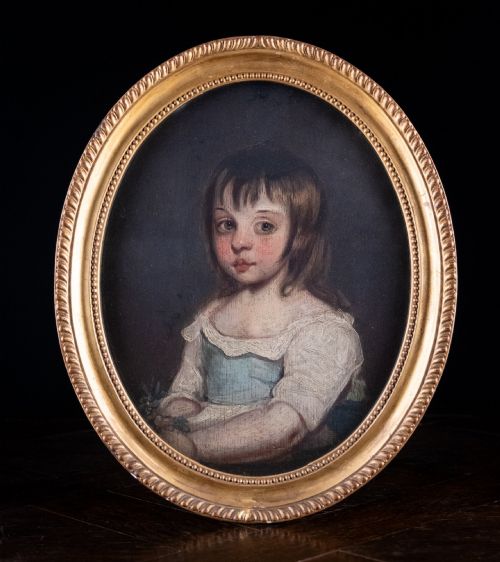
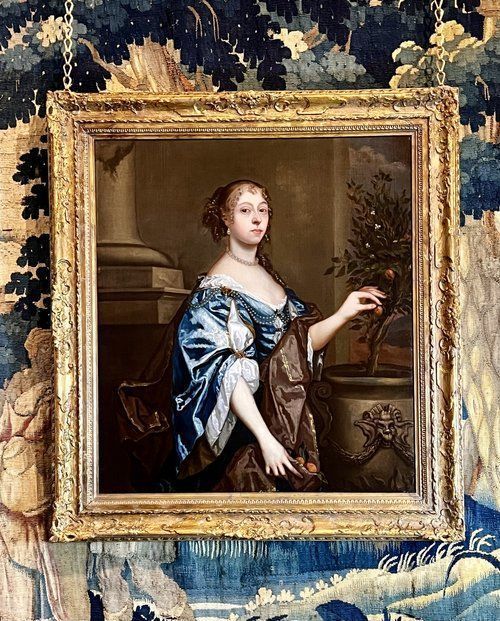
When you search for framed classical oil art, you encounter historical oil paintings originating primarily from the seventeenth, eighteenth, and nineteenth centuries, alongside later reinterpretations and revival pieces. These works span mythological narratives, portraits, still lifes of fruit and flowers, and landscapes created in Dutch, Italian, French, and British artistic traditions.
You will most frequently meet pieces presented within heavy giltwood, gesso, or carved wooden frames that complement the traditional subjects. The selection ranges from substantial grand tour landscapes and floral compositions to intimate portrait studies executed on canvas or panel.
How they were made
These works rely on traditional oil paint applied to stretched canvas or wooden panels, utilising layered pigment techniques developed during the Renaissance and Baroque periods to build depth and luminosity. Artists manipulated oil mediums to achieve subtle tonal gradations in flesh, fabric, and foliage.
The supporting frames are constructed from timber, such as wood and gesso, finished with gold leaf or gilt layers. Carved ornamentation and moulded plaster details complete the surrounds, framing the painted surface securely.
Fruit baskets are painted with such juicy realism you might reach for a grape.
What varies in quality
The distinction between upper and lower tiers lies in the confidence of the brushwork and the anatomical or spatial accuracy achieved by the hand behind the canvas. Superior examples display subtle handling of light and shadow that gives volume to figures and depth to backgrounds.
Frame craftsmanship also dictates overall quality, with hand-carved giltwood surrounds showing crisper detail and deeper relief than moulded composition substitutes. The harmony between the painting and its period frame influences the visual cohesion of the piece.
Charles-Antoine Coypel·Sir Peter Lely·Pieter Borsseler·Francisco Jose de Goya·Sir Joshua Reynolds·Jacob Philipp Hackert·Bernardino Luini·John Opie
The Framed Classical Oil Art Glossary
- Giltwood
- Wood that has been coated with gold leaf or a gold-coloured finish. This material is commonly found on ornate period frames accompanying classical paintings.
- Oil on panel
- A painting technique where pigments bound in oil are applied directly to a wooden support rather than fabric canvas. This method was widely utilised by early Dutch and Flemish masters.
- Gesso
- A plaster-like mixture applied to wood or canvas to prepare a smooth surface for painting or gilding. It forms the base for intricate relief work on decorative frames.
- Grand Tour
- A cultural journey undertaken by wealthy young Europeans through France and Italy to study classical art and antiquities. Paintings from this tradition record landscapes and classical sites encountered along the route.
- Still life
- An artwork depicting inanimate subject matter, typically commonplace objects such as fruit, flowers, or vessels. These compositions emphasise arrangement, texture, and play of light.
Framed Classical Oil Art: Frequently Asked Questions
What periods do these paintings come from?
The works originate largely from the sixteenth through the nineteenth centuries, capturing the aesthetics of the Baroque, Dutch Golden Age, and French Rococo movements.
You will also encounter twentieth-century revivals and classical realism pieces created in historical styles.
Are the frames original to the paintings?
Many paintings are housed in period-appropriate giltwood or gesso frames that match the era of the artwork.
Some pieces have been paired with replacement frames from later revivals that complement the traditional aesthetic.
How should I care for an oil painting on canvas?
Keep the canvas away from direct sunlight and maintain stable room humidity to prevent the drying and cracking of oil paint.
Dust the surface gently with a soft, dry brush and avoid using chemical cleaning agents on the paint or gilt frame.
What subjects are most common in this art?
Mythological narratives, portraits of historical figures, and floral or fruit still lifes appear frequently across the collection.
Landscapes inspired by grand tour travels and religious scenes also feature prominently among the available works.