




Framed Chinese Paper Art
Framed chinese paper art pieces are delicate historic works, offering a direct window into traditional craftsmanship and export trade.
Framed Chinese Paper Art
When you search for framed chinese paper art, you find works executed on specialised supports like pith paper and standard paper sheets. These objects span periods from the eighteenth century through the early twentieth century, encompassing styles such as Qing dynasty export art and traditional Chinese painting.
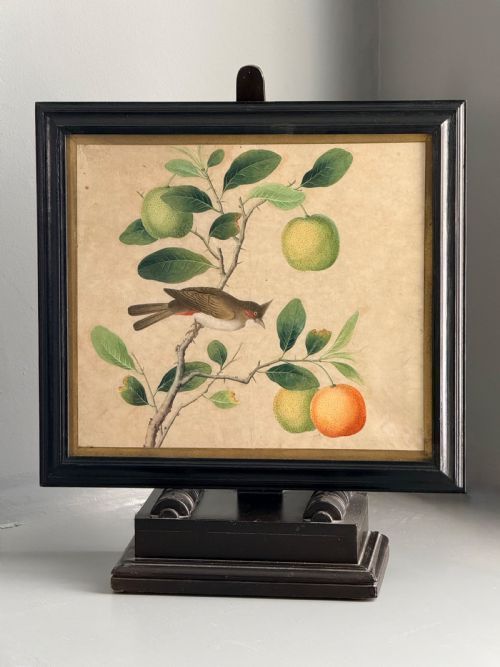
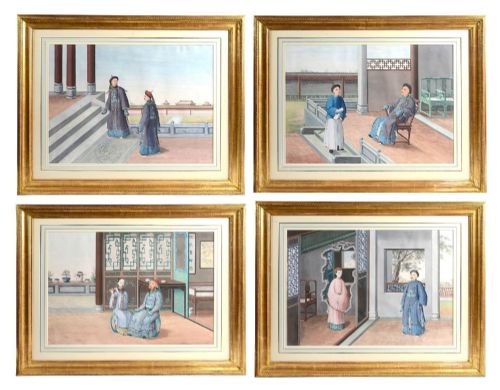
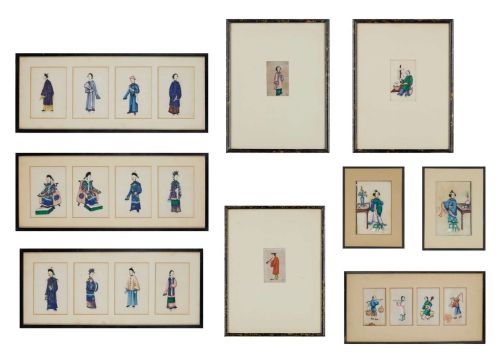
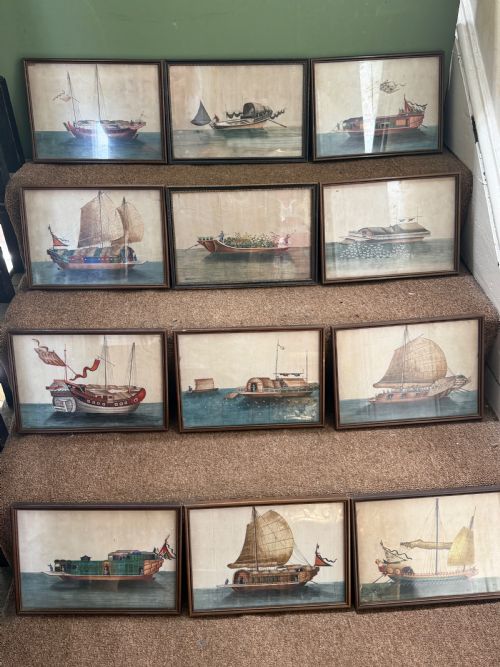
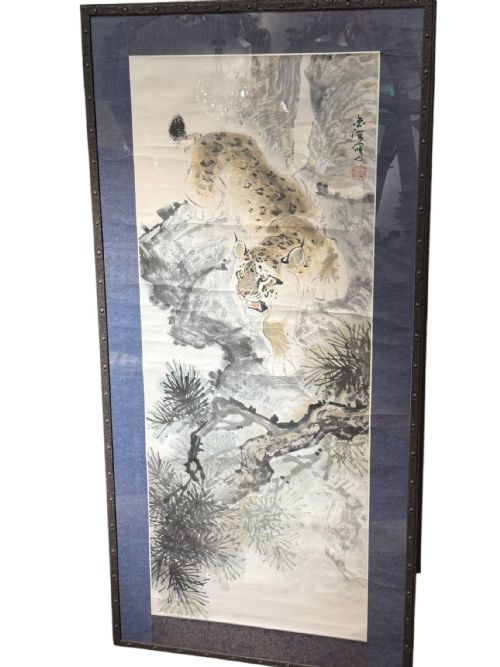
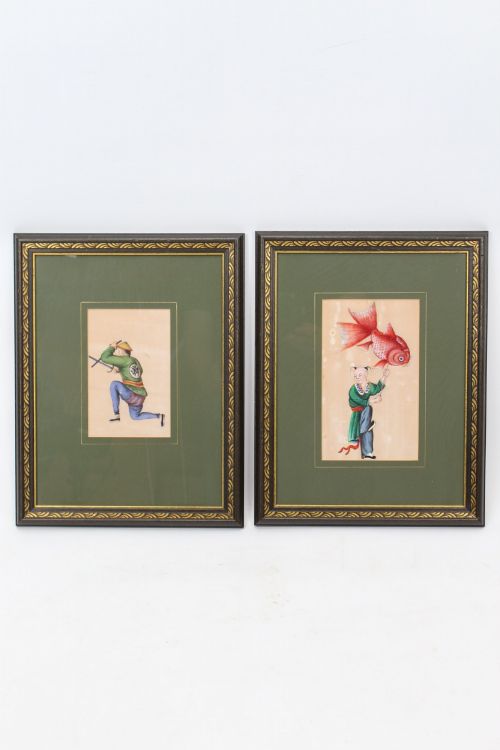
The pieces appearing on this page include watercolours, gouache paintings, figural scenes, and botanical studies. You will also encounter sets of paintings depicting ships and junks, alongside ancestor portraits housed in original frames.
Origins stretch across the nineteenth century and into the Edwardian era, with specific pieces dated around nineteen hundred and nineteen ten. Collectors frequently meet sets of twelve or smaller pairs alongside single large-scale watercolours and scrolls.
Materials and techniques
Makers utilised delicate pith paper, often erroneously called rice paper, alongside standard paper and silk as the primary supports for these artworks. Pigments applied to these surfaces typically include vibrant gouache and traditional watercolours mixed with ink.
Works are mounted inside wooden frames, frequently protected behind glass to preserve the fragile painted surfaces. Certain pieces incorporate specialised techniques, such as brass rubbings taken from historical monuments.
Framed Chinese Paper Art Retail Price Guide 2026
Typical asking prices for framed chinese paper art among the pieces listed under this phrase on Sellingantiques today, from the lower quarter to the upper quarter. They describe what is for sale here now, not the wider market.
Early twentieth-century artisans occasionally stepped away from delicate florals to tackle heavy metal by rubbing ancient Tang horses onto paper.
What varies in quality
The integrity of the original frame and the completeness of larger multi-part sets heavily influence the standing of an artwork. Single leaves preserved in sets command attention when the entire grouping remains unified.
The Framed Chinese Paper Art Glossary
- Pith paper
- A delicate material sliced from the cellular pith of the Tetrapanax papyrifer plant, commonly used in nineteenth-century export paintings. It possesses a velvety texture that absorbs water-based pigments with exceptional brilliance.
- Gouache
- An opaque water-based medium composed of ground pigments bound in water-soluble gum. Artists utilised this to achieve rich, saturated colour blocks on paper and silk.
- Chinese Export
- Art objects produced in China specifically for western markets during the Qing dynasty and later periods. These works often blend traditional eastern subjects with western compositional preferences.
- Ancestor painting
- A formal portrait commissioned to honour deceased family members for veneration rituals. These compositions typically display strict frontal poses within traditional settings.
- Brass rubbing
- An impression taken by placing paper over an engraved brass plaque or relief and applying rubbing media. This technique records historical carvings such as Tang horses.
Framed Chinese Paper Art: Frequently Asked Questions
What is pith paper?
Pith paper is a spongy, natural material derived from a shrub native to southern China, used extensively during the nineteenth century for delicate watercolour paintings.
Because the material is fragile, artists mounted these works carefully to prevent damage from handling and environmental changes.
How should I hang these paintings?
These framed works require placement away from direct sunlight to protect fugitive watercolours and gouache pigments from fading over time.
Stable indoor humidity levels help preserve both the fragile paper supports and the historical wooden frames housing them.
What subjects are common?
Common subjects include figural groupings, floral studies, butterflies, insects, and maritime scenes depicting junks and other ships.
Export artists also produced detailed topographical views and formal ancestor portraits tailored for western buyers.
How do I date these pieces?
Dating relies on stylistic markers, costume details, framing methods, and the specific characteristics of the paper supports used.
Nineteenth-century export pieces often display distinct Qing dynasty aesthetic traits combined with materials characteristic of the treaty ports.