



Framed Chinese Artwork
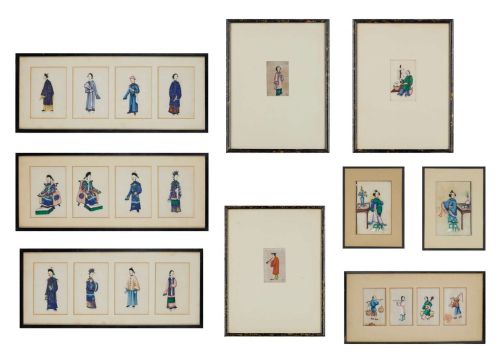
These framed Chinese artwork selections range from delicate pith paper paintings to intricate silk embroideries, bringing historic East Asian craftsmanship directly into domestic spaces.
Framed Chinese Artwork
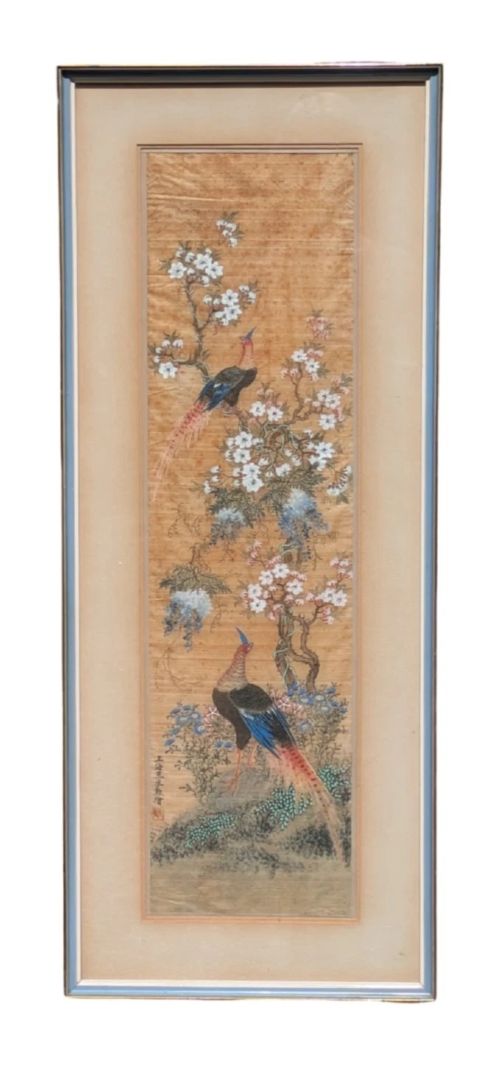
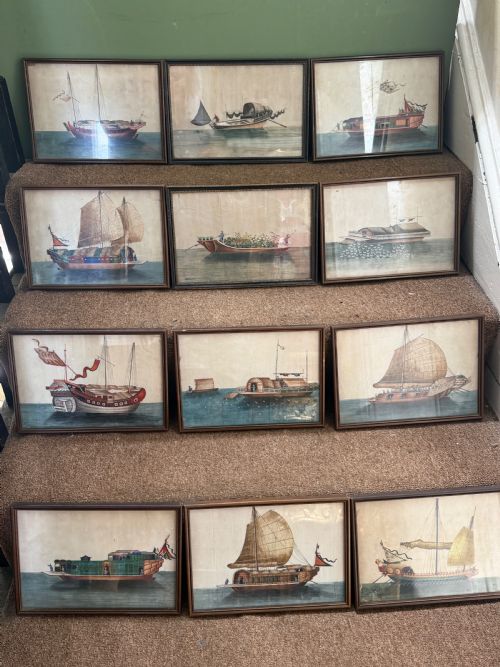
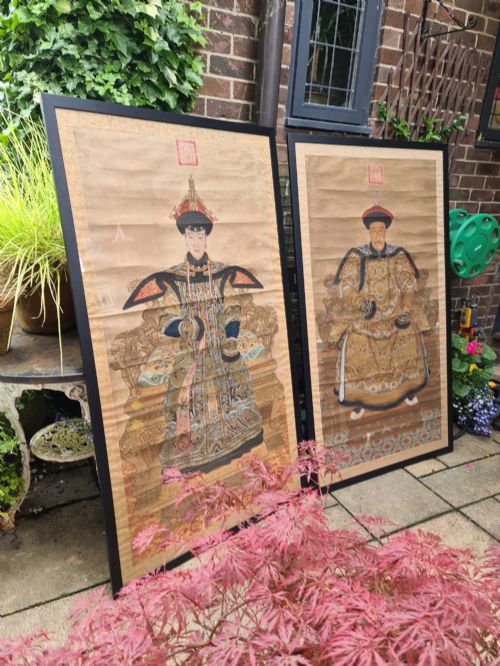
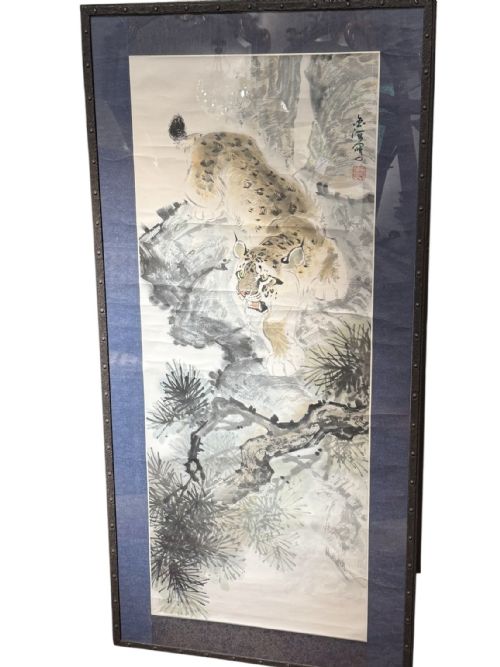
Buyers seeking framed chinese artwork encounter a diverse selection of wall hangings, scrolls, and panel pictures spanning multiple centuries. The category encompasses delicate figural works alongside larger maritime scenes and ancestral portraits.
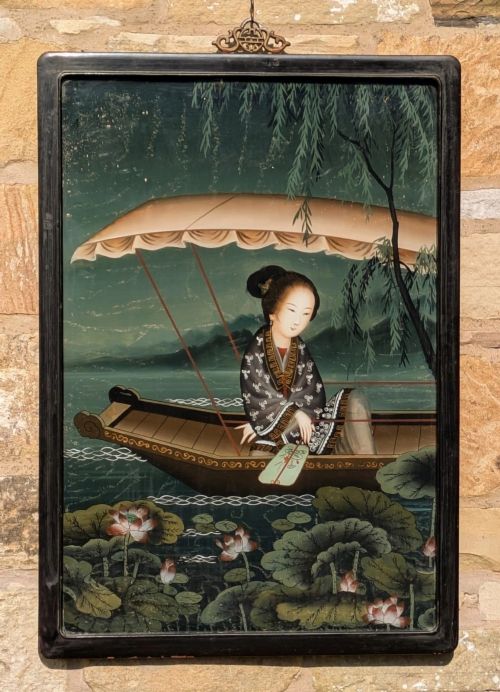
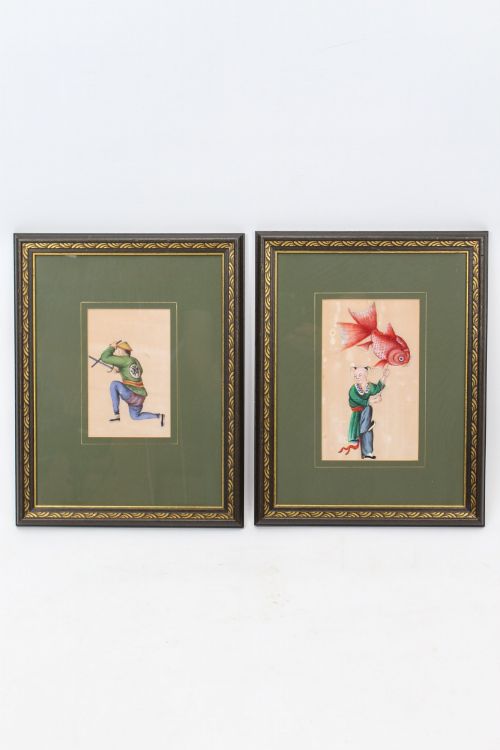
Nineteenth century examples form a significant portion of available pieces, particularly pith paper paintings and reverse paintings on glass. Textile art and embroidered silk panels also appear frequently within the current selection.
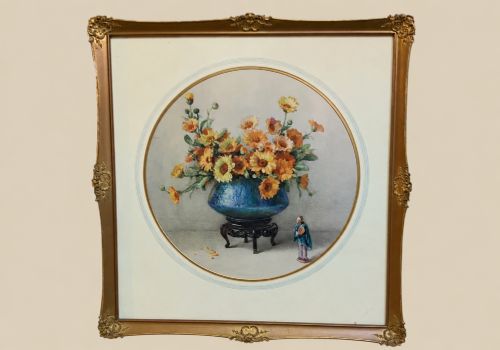
Export pieces designed for Western markets blend traditional Eastern motifs with European framing conventions. These items provide a direct link to historical trade between China and the West.
Materials and construction methods
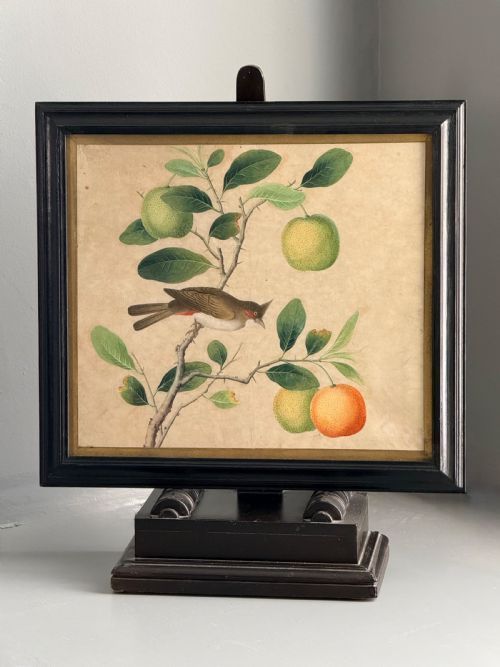
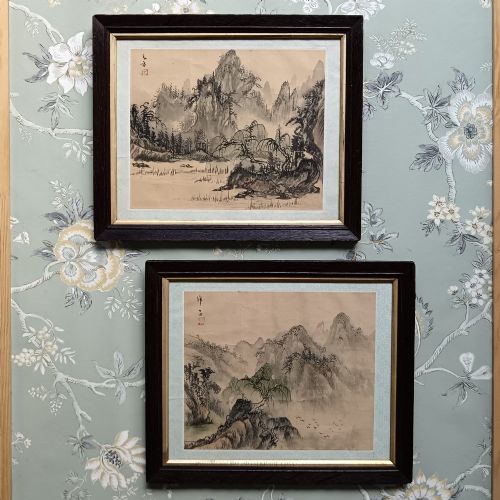
Artists utilised traditional surfaces such as handmade paper, woven silk, and fragile pith paper derived from plant pith. Pigments, gouache, ink, and watercolours were applied by hand to create vibrant botanical, figurative, and marine subjects.
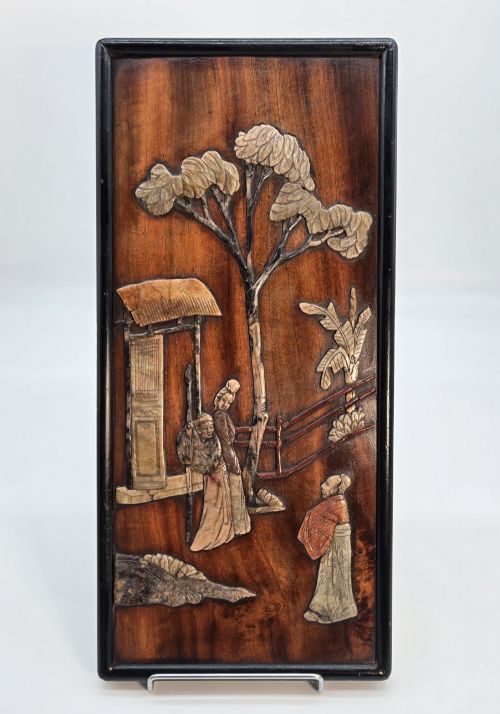
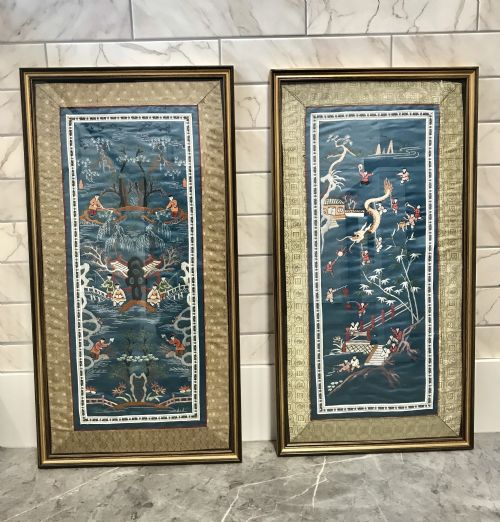
Wood frames enclose many pieces, occasionally complemented by glass protection, carved stone elements, or lacquer work. Embroidery techniques involve meticulous hand-sewn threads depicting birds, dragons, and floral arrangements.
Recorded styles range from Qing dynasty export works and traditional Chinese painting to Victorian and Chinoiserie interpretations.
Distinctions in quality and execution
The preservation of fragile organic materials like silk and pith paper heavily influences the overall integrity of the piece. Original period frames and intact glass enclosures maintain the historical authenticity of the artwork.
Ah Hee Studio
The Framed Chinese Artwork Glossary
- Pith paper
- A delicate, spongy material cut from the pith of the Tetrapanax papyrifer plant, commonly used for nineteenth century Chinese watercolour paintings.
- Reverse painting on glass
- A technique where pigment is applied directly to the rear side of a glass plate so the finished image is viewed through the front.
- Ancestor portrait
- A formal commemorative painting depicting family forebears, produced for ritual veneration and often characterised by strict frontal poses.
- Qing dynasty
- The final imperial dynasty of China, spanning from sixteen forty-four to nineteen twelve, which produced the majority of antique export art seen today.
Framed Chinese Artwork: Frequently Asked Questions
What is pith paper painting?
Pith paper paintings are delicate watercolours or gouache works created on a spongy botanical material during the nineteenth century. They frequently depict figures, flora, and junks for the export market.
These works require careful preservation behind glass to protect the fragile substrate from moisture and handling damage.
How are reverse glass paintings made?
Artists paint directly onto the reverse side of a glass sheet, forcing them to apply fine details and foregrounds before background colours. When viewed from the correct side, the glossy glass creates a luminous, polished finish.
Such pieces were popular export items during the nineteenth century and usually require their original wooden frames for structural support.
What subjects appear in silk embroideries?
Needlework panels often display traditional imagery including garden birds, mandarin ducks, dragons, and blossoming plum branches. These textiles utilise hand-sewn threads to achieve rich textures and tonal gradients.
Displaying these panels away from direct sunlight prevents the coloured silk threads from fading over time.
How do you date ancestor portraits?
Ancestor paintings are typically dated through costume details, facial styles, and the accompanying framing conventions of the nineteenth or early twentieth century. Portraits from the Qing period often feature formal robes and seated postures.
Examining the backing materials and frame construction provides further clues to the exact production era.