


Framed Charcoal Portrait
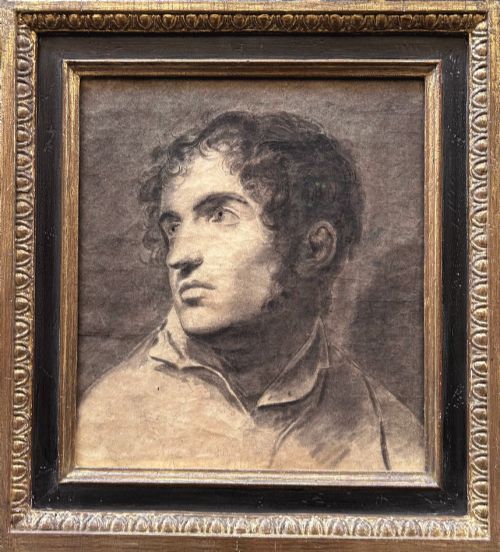
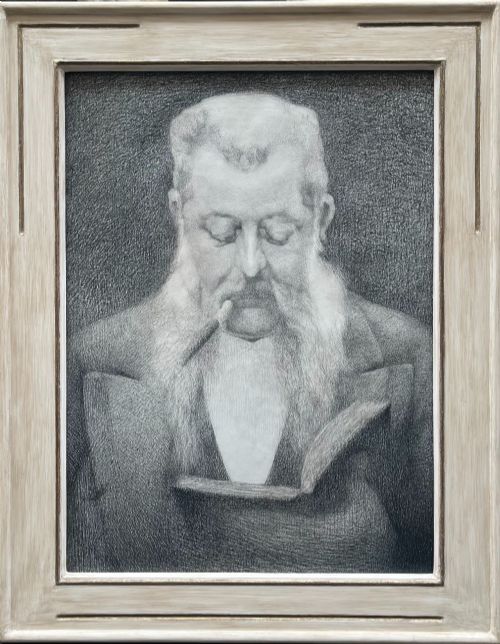
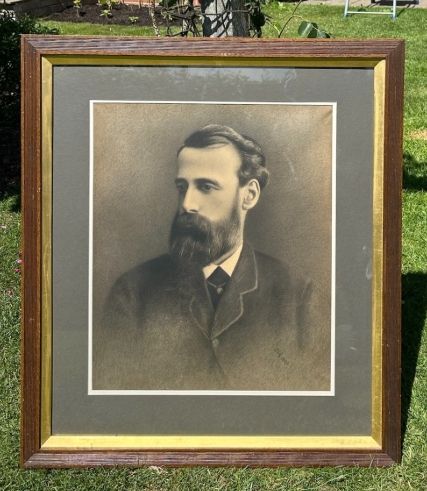
A framed charcoal portrait brings the direct, unvarnished gaze of the past onto a wall through expressive draughtsmanship.
Framed Charcoal Portrait
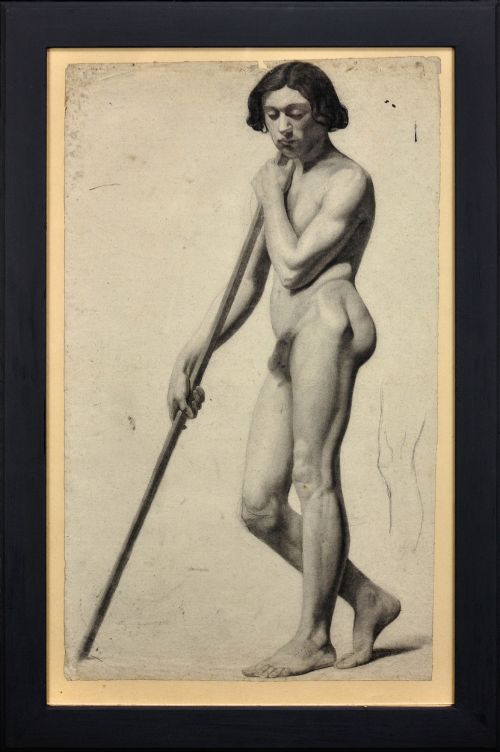
A framed charcoal portrait captures likeness and character through monochrome mark-making on paper, often preserved behind glass within period wooden mouldings. These works range from informal studio studies and academic life drawings to finished likenesses of notable figures produced across the nineteenth and twentieth centuries.
Victorian and Edwardian examples dominate the available selection, frequently depicting gentlemen, society figures or anonymous sitters in the styles of the French School, Academic Realism and Symbolism. Mid-century and later pieces expand the form into African School portraits and modernist interpretations.
Buyers encounter subjects rendered entirely in carbon alongside mixed media works that incorporate graphite, chalk, pastel and watercolour highlights. Each piece relies on the contrast between dark compressed medium and pale paper to establish depth and mood.
Materials and technique
Artists utilise sticks of charred vine or willow alongside compressed charcoal and graphite pencils to build shadow and tone on heavy paper. Many works incorporate white chalk or pastel highlights to catch the light on a sitter's collar, cheek or brow.
Surviving drawings are typically protected behind glass within wooden frames, ranging from simple mouldings to elaborately carved giltwood and Florentine frames. Some portraits are executed on canvas or board rather than paper, occasionally retaining their original backing boards and framer labels.
Materials recorded across the inventory include paper, charcoal, glass, wood, graphite, giltwood, chalk and pastel.
Assessing quality
Quality rests upon the sureness of the draughtsmanship and the artist's ability to command light and shadow with a dry medium. A superior portrait demonstrates anatomical precision and psychological depth, whereas lesser works rely on stiff outlines and flat tonal areas.
The harmony between the artwork and its enclosure significantly influences the piece, as original period frames tailored to the drawing preserve historical integrity better than mismatched modern replacements.
Sir Edwin Landseer·J D Fergusson·Arthur Todd·Winifred Eugene Ballard·Ted Halliday·Reginald G Eves·Robin Watt·Theobald Chartran·Ernest Borough Johnson·Francis Haviland·George Richmond·Cecil CP Lawson·Juliet Pannett·James Bourlet and Sons
The Framed Charcoal Portrait Glossary
- Academic life study
- A drawing executed from a live nude model, usually within an art school or academy setting to master human anatomy.
- Charcoal
- A dry drawing medium made from slowly burned organic material that produces deep velvety blacks and easily smudged tones.
- Giltwood
- Wood that has been coated with a thin layer of gold leaf or gold paint, commonly used on nineteenth-century picture frames.
- Symbolist
- A style originating in the nineteenth century that prioritises internal emotional resonance and mystical themes over direct optical realism.
- Orientalism
- Artistic work depicting scenes, people and landscapes from the Middle East and North Africa, frequently produced by European travellers.
Framed Charcoal Portrait: Frequently Asked Questions
Where is the best place to hang a charcoal drawing?
Hang these works away from direct sunlight and damp environments, such as unheated kitchens or bathrooms, to protect the fragile paper and medium.
Indirect natural light or warm indoor illumination highlights the delicate tonal gradations without fading the paper.
How can I tell an original drawing from a print?
Examine the surface closely under magnification to look for the distinct texture of carbon dust, graphite lines and paper fibres.
Prints display uniform dot patterns or smooth ink layers under magnification, whereas genuine drawings show raised charcoal particles and hand-pressed indentations.
Do these portraits come with their original frames?
Many listings retain their period giltwood, wood or carved Florentine frames that match the approximate age of the artwork.
Framing styles often provide a reliable secondary clue to the date of execution when signatures or documentation are absent.