
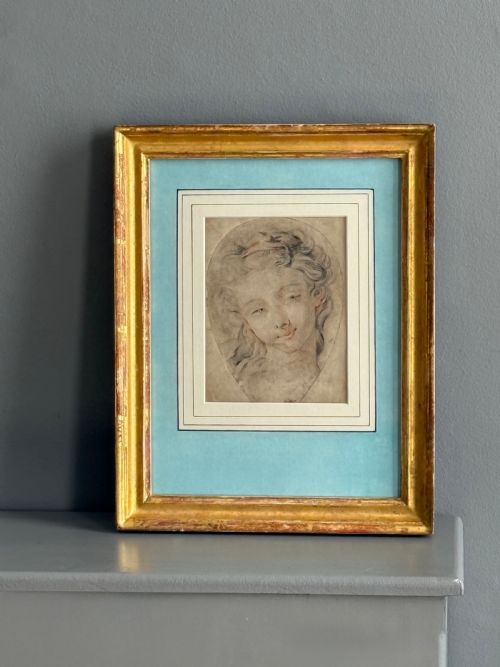
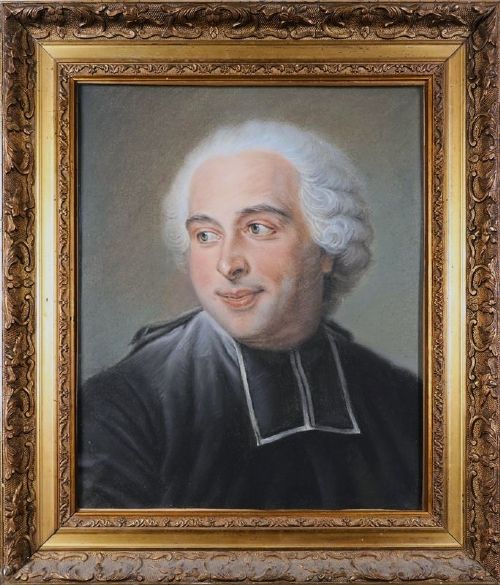
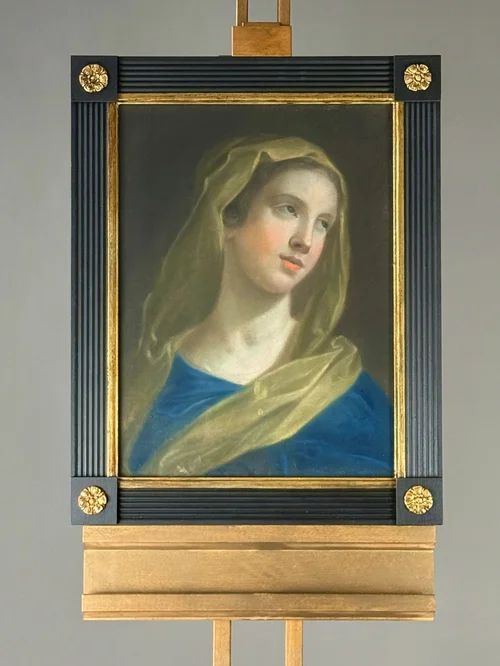
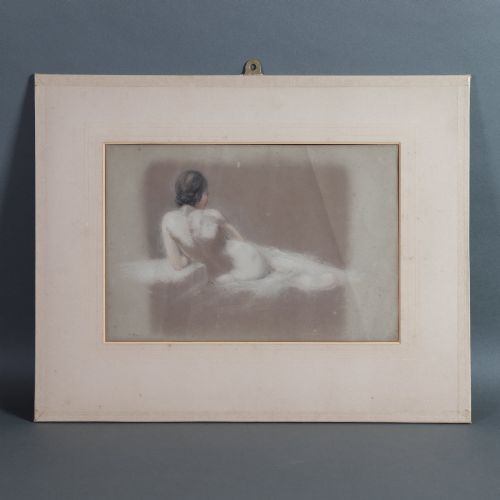


Framed Chalk Drawing
These framed chalk drawing antique pieces bring centuries of portraiture and figure study into rooms through delicate paper and secure glass.
Framed Chalk Drawing
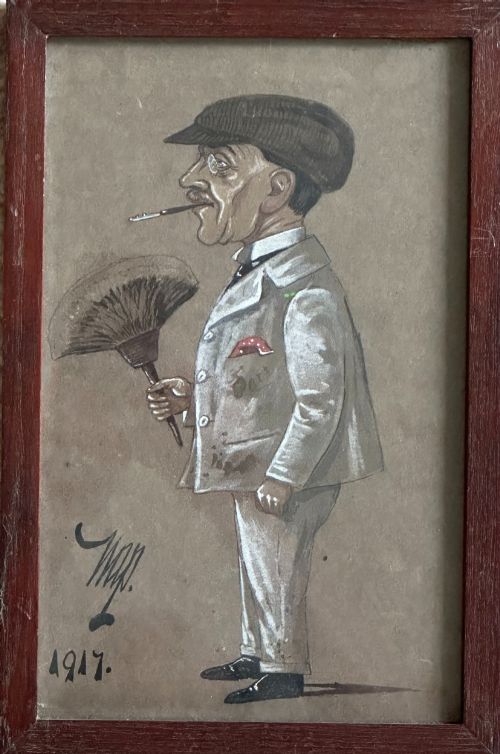
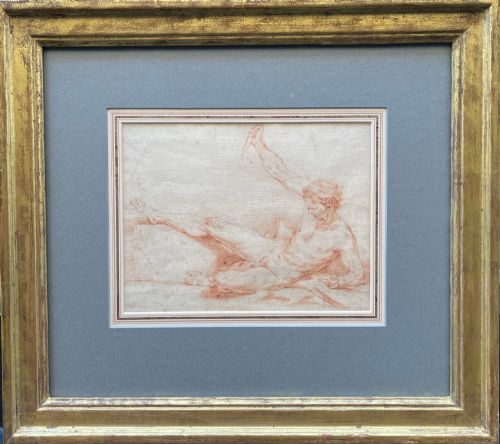
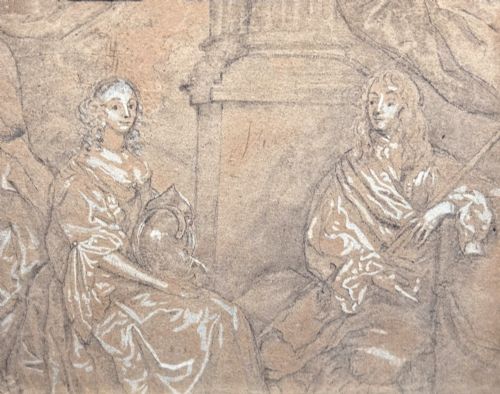
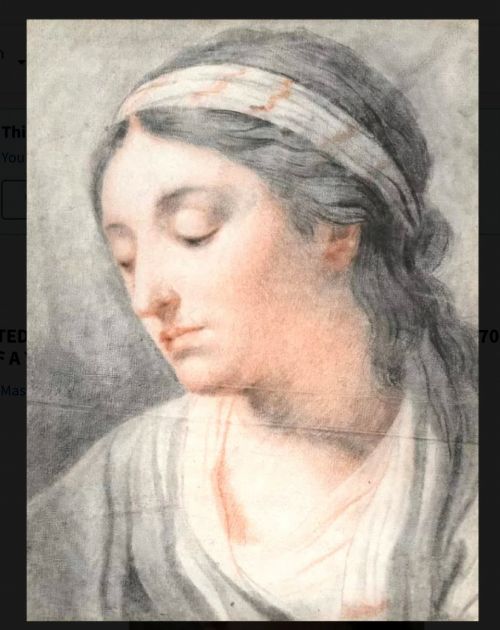
When you search for a framed chalk drawing antique, you encounter historic works on paper spanning the seventeenth century through the early twentieth century. The selection contains portraiture, figure studies, and caricatures executed in soft dry mediums.
You are most likely to meet nineteenth-century portraits and eighteenth-century subject studies framed in period wood or gilt mouldings. These pieces range from intimate oval portraiture to robust life studies executed by regional and continental artists.
How they were made
Artists utilised chalk, charcoal, and pastel applied to paper, toned paper, or canvas to build form through tone and line. These mediums required protective glass glazing to prevent the friable pigment from smudging over time.
Makers housed these works within wooden frames, frequently incorporating giltwood mouldings to complement the domestic interiors of the Georgian, Victorian, and Edwardian eras.
Among the historical sitters preserved in chalk are mischievous pets, stately lords, and anonymous players of petanque.
What varies in quality
The distinction between ordinary and exceptional works rests upon the surety of the draughtsmanship and the preservation of the delicate surface medium. Masterful handlings of facial expression and musculature elevate a study from a generic exercise to a compelling collector piece.
The integrity of the original framing and the stability of the paper support further differentiate individual works. Intact historical frames and well-preserved toned papers retain the intended visual harmony of the period.
Benedetto Luti·John Taylor·Cecil Charles Windsor Aldin·Demetrios Galanis·George Richmond
The Framed Chalk Drawing Glossary
- Plumbago
- A delicate drawing executed in graphite, taking its name from the Latin word for lead ore. These detailed monochromatic portraits often display remarkable precision.
- Deux crayon
- A drawing technique utilising two colours of chalk, typically black and red, upon toned paper to create depth and warmth. Artists employed this method extensively in eighteenth-century portraiture.
- Pastel
- A painting or drawing medium consisting of powdered pigment combined with a binder, shaped into sticks. It produces velvety surfaces that require glass protection.
- Charcoal
- A dry drawing medium made from slowly burned organic material, producing deep blacks and expressive, smudged lines. It appears frequently in robust life studies.
- Giltwood
- Wood that has been coated with a thin layer of gold leaf or gilt paint. This finish characterises many traditional frames housing antique works on paper.
Framed Chalk Drawing: Frequently Asked Questions
How should I hang a chalk drawing?
Position the framed artwork away from direct sunlight to protect the fragile chalk and pastel pigments from fading over time.
Ensure the room maintains stable humidity levels to prevent the paper support and the antique wooden frame from sustaining moisture damage.
Are these drawings executed on paper?
The works utilise paper, toned paper, and occasionally canvas as the primary support for the dry mediums.
Protective glass covers the surface to shield the soft chalk and charcoal particles from accidental contact and atmospheric dust.
How do I identify the period?
Examine the style of the portraiture, the clothing depicted in the subject matter, and the construction of the surrounding wooden frame.
Stylistic movements such as French Neoclassical, Italian Baroque, or Victorian aesthetics provide clear indicators of the era of creation.
What is a plumbago portrait?
Plumbago refers to a refined form of graphite drawing popular in the eighteenth century, resulting in highly detailed monochrome likenesses.
These compact portraits showcase meticulous linear control by skilled practitioners of the period.