
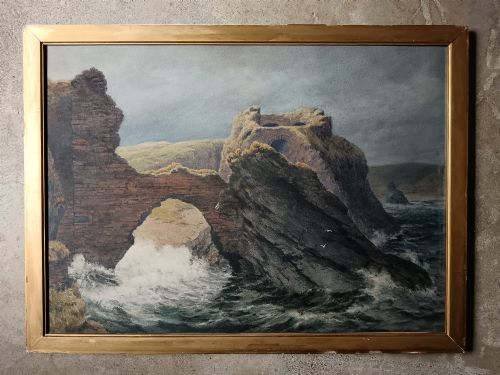


Framed Castle Artwork
When you seek framed castle artwork, you uncover historic strongholds rendered in oil and watercolour across the nineteenth and twentieth centuries.
Framed Castle Artwork
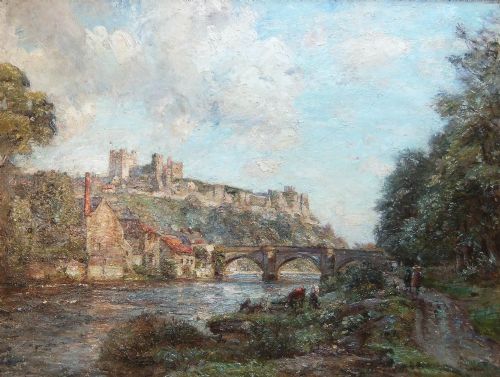
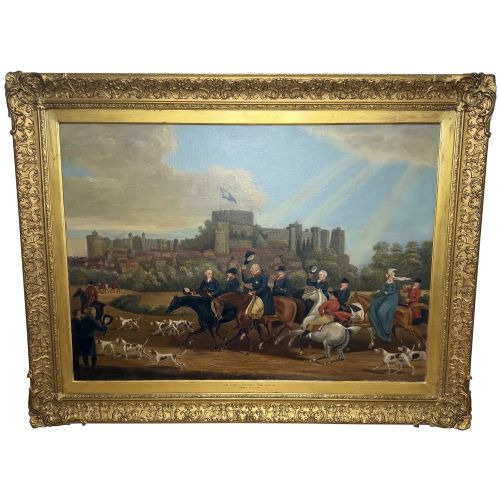
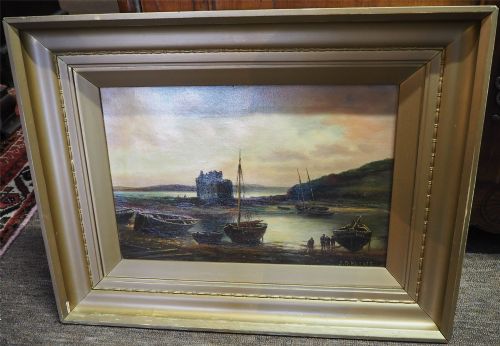
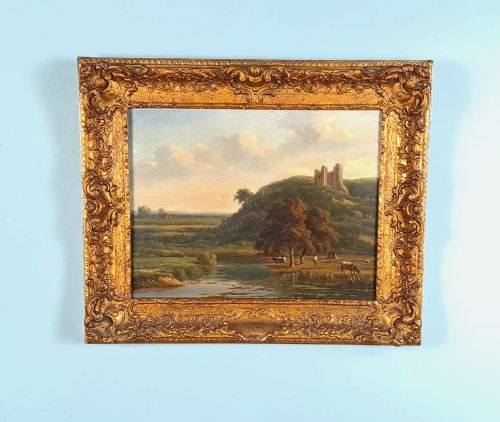
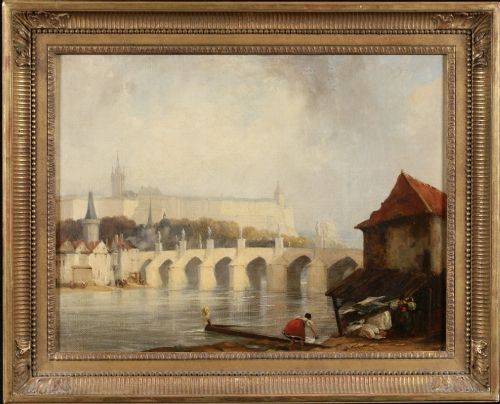
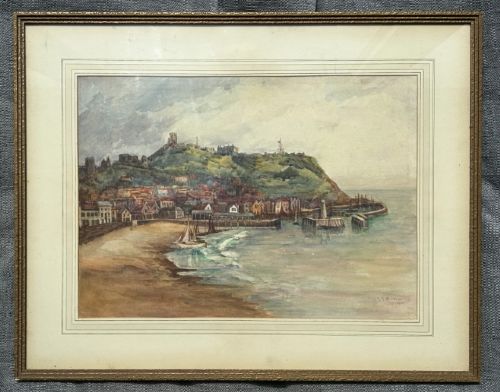
Framed castle artwork gathers topographical and romantic depictions of fortresses, palaces, and ruins executed by British and European painters. You will frequently encounter Victorian watercolours and oils portraying specific sites such as Windsor, Bamburgh, and Bolton castles within period frames.
The selections span Georgian precursors through to mid-twentieth-century watercolours, capturing both grand royal seats and rugged coastal strongholds. These works merge landscape traditions with architectural recording, reflecting shifting tastes in romanticism and realism.
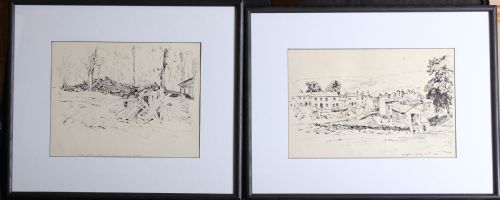
Most examples arrive ready to hang in wood and gilt surrounds that often date from the original creation of the painting. The subjects range from intimate ink and watercolour sketches to massive canvas oil paintings.
Materials and methods
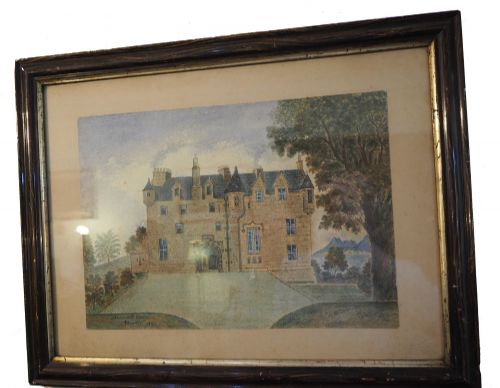
Painters utilised oil on canvas or board, alongside watercolour pigment and ink on paper, to capture the texture of stone walls and coastal light. Canvases are frequently housed in heavy giltwood frames, whilst watercolours are mounted behind glass within timber mouldings.
The technical execution combines rapid plein air observation with studio finishing, particularly in larger nineteenth-century oil compositions. Pigments applied to paper or stretched canvas rely on traditional binding media appropriate to each period.
Listings span the nineteenth and twentieth centuries, incorporating paper, wood, oil on canvas, glass, watercolour, and gilt.
Quality variations
Superior examples display confident brushwork and accurate architectural perspective, capturing the atmospheric conditions of the site rather than relying on formulaic scenery. The handling of light on masonry and water distinguishes accomplished artists from competent amateurs.
The synergy between the artwork and its period frame alters the overall standing of a piece, as original giltwood surrounds enhance historical integrity. Condition of the paper or canvas, stability of the pigment, and clarity of attribution further divide the collection.
Fred Lawson·Herbert Royle·Thomas Cooper Moore·James Orrock·David Cox Jnr·William Mellor·George Gregory·George Morland·Claude Thomas Stanfield Moore·Frank Wood·James Bell Anderson·Karl Herrle·Thomas Whittle the Younger·Willie Stephenson·Frederick Tully Lott·Sonia Lawson R.A.·William Edward Webb·Frank Wasley
The Framed Castle Artwork Glossary
- Watercolour painting
- A work executed with water-soluble pigments on paper. These pieces rely on the white of the paper shining through translucent washes.
- Giltwood
- Wood carved and coated with thin gold leaf or gilt powder. This material is standard for high-status nineteenth-century frames.
- Oil on canvas
- Pigment suspended in drying oil applied to a woven fabric support. This technique permits rich colour blending and textured impasto.
- Topographical art
- Accurate representation of specific real-world locations. These works serve as visual records of historical landscapes and buildings.
Framed Castle Artwork: Frequently Asked Questions
How do I date an old castle painting?
Dating relies upon stylistic cues in the brushwork, the paper or canvas substrate, and the framing construction.
Signatures, inscriptions on the reverse, and the clothing of any figures depicted also help narrow the period.
Are these paintings original works?
The selection comprises unique hand-painted watercolours and oil paintings rather than mass-produced prints.
Each piece reflects the direct touch and observation of the artist who signed it.
How should I hang watercolour castle art?
Watercolours require protection from direct sunlight to prevent fading of the delicate pigments on paper.
Keep them away from damp walls and ensure stable indoor temperatures to preserve the mount and frame.
What subjects appear besides castles?
Surrounding landscapes frequently feature rivers, bridges, coastal harbours, and fishing boats near the fortress ruins.
These contextual elements establish the geographical setting and enhance the romantic narrative of the scene.