

Framed Canvas Portrait Art
Framed canvas portrait art brings centuries of individual presence into a room through oil paint applied to woven surfaces.
Framed Canvas Portrait Art
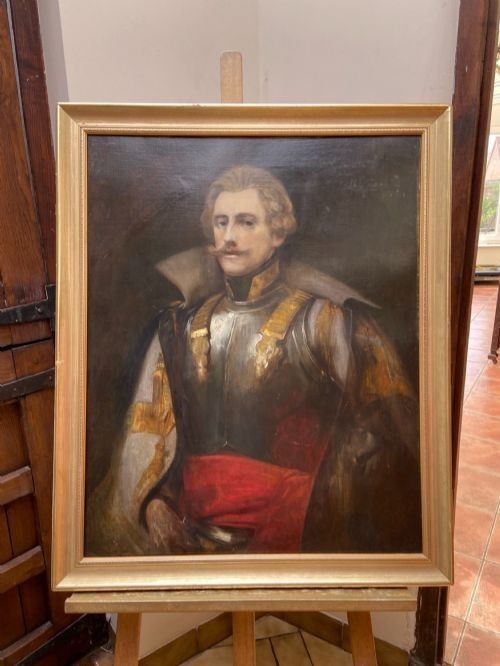
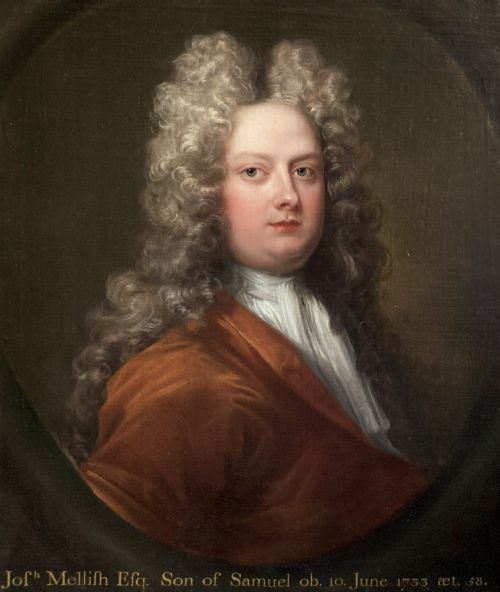
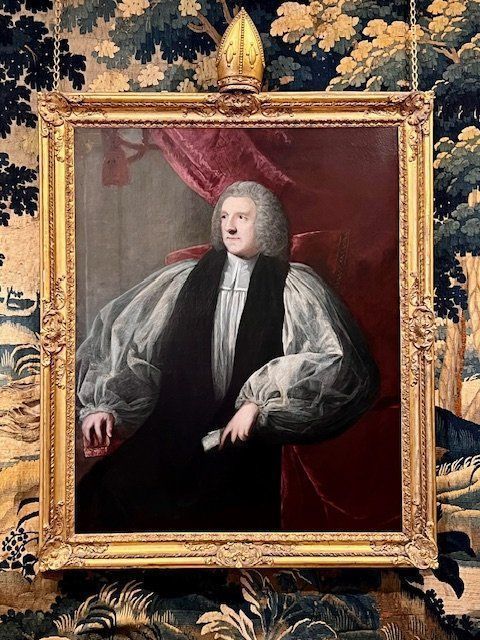
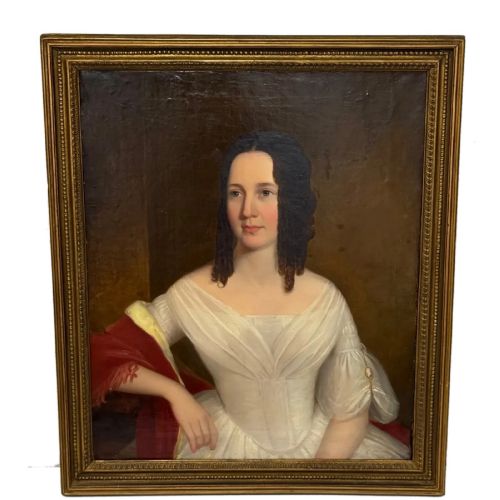
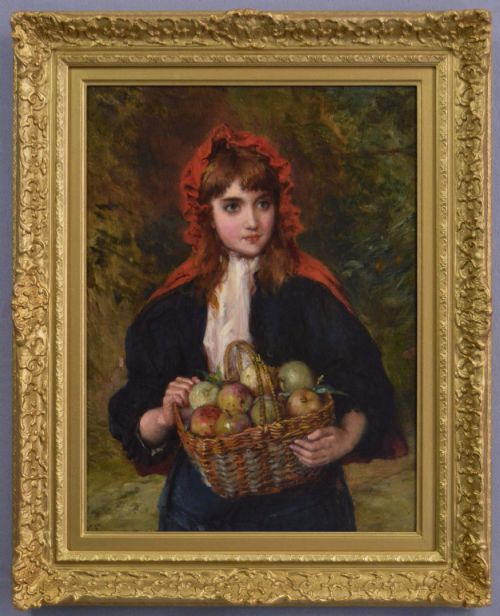
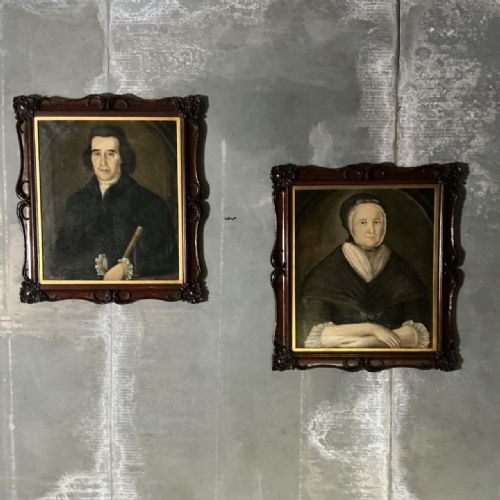
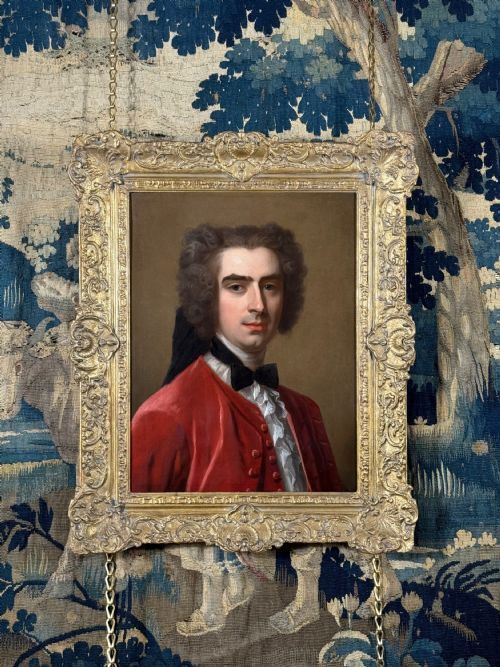
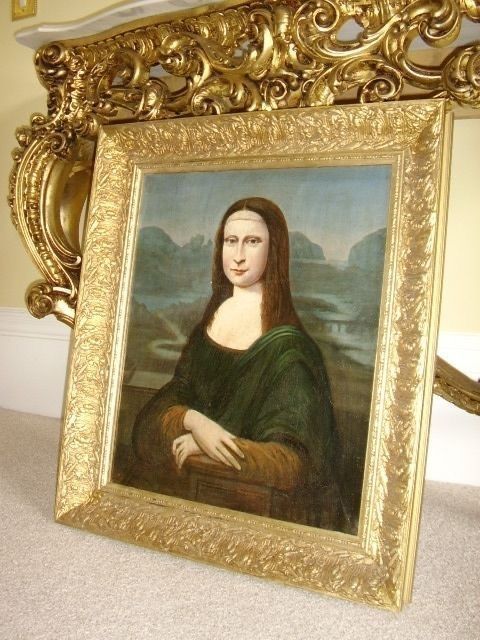
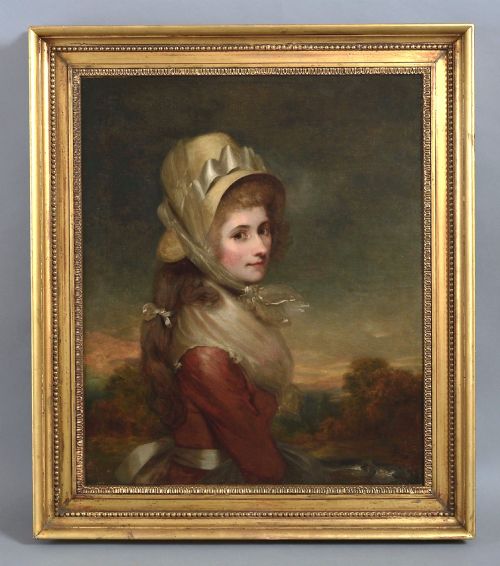
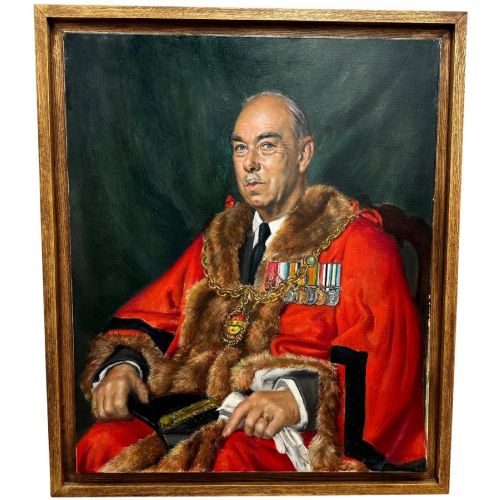
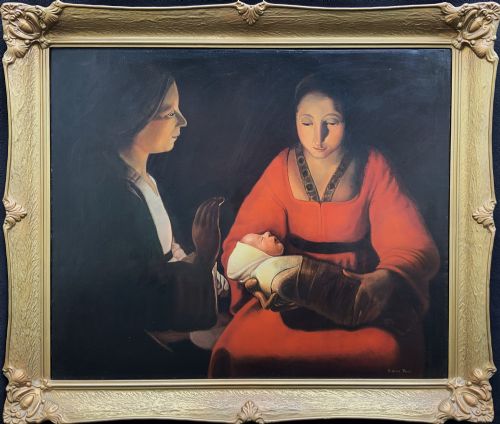
Framed canvas portrait art comprises painted likenesses of sitters ranging from seventeenth-century nobility to twentieth-century civic figures. These works combine oil paint with canvas supports, enclosed in period wooden or gilt frames that complement the scale of the composition.
The selection encompasses seventeenth-century English school works, eighteenth-century aristocratic studies, and Victorian depictions. Buyers frequently encounter nineteenth-century interpretations alongside earlier Baroque and Georgian examples.
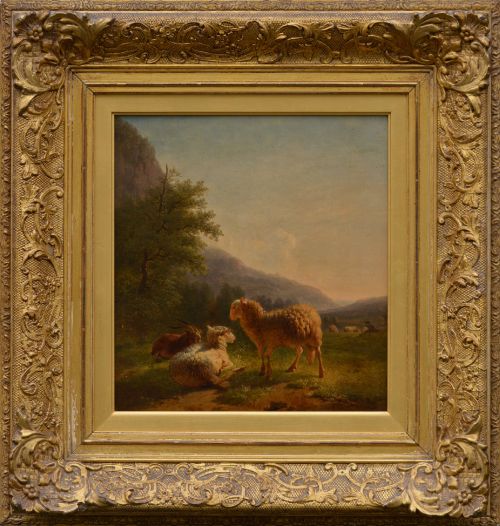
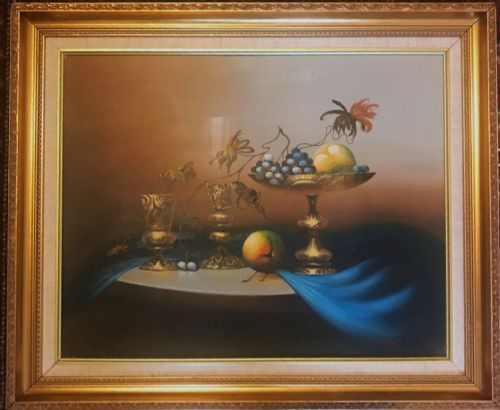
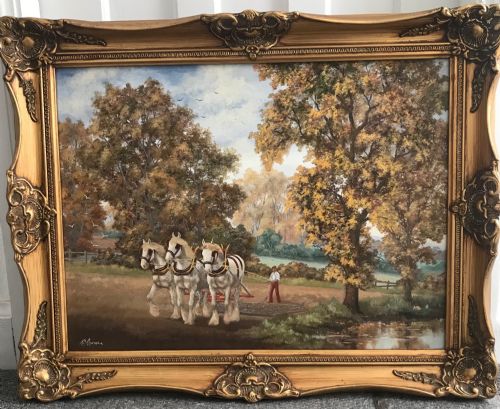
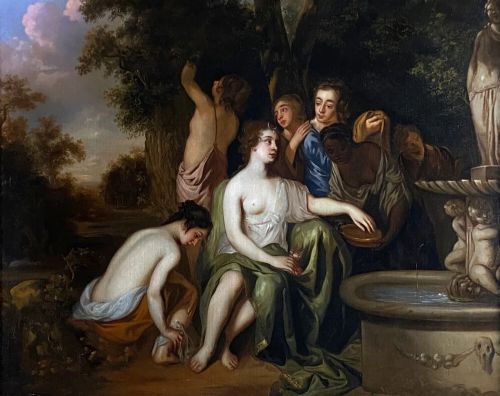
Beyond human subjects, the category extends to equine studies, genre scenes, and classical subjects executed in oil on canvas. Each piece reflects the aesthetic priorities and portrait conventions of its specific historical period.
How they were made
Artists built these works by stretching woven canvas over wooden stretcher frames and applying layers of oil paint. Pigments mixed with oils allowed for gradual blending and deep tonality, characteristic of periods from the Dutch Golden Age to the Edwardian era.
Frames utilise wood and giltwood, often finished with gold leaf applied to moulded timber profiles. These surrounds were constructed to protect the canvas edges and provide visual definition to the painted surface.
Several noblewomen in these collections share wall space with racing pigeons and shire horses.
What varies in quality
Technical proficiency in handling facial structure, fabric folds, and light source separation distinguishes masterworks from standard studio production. Superior hands capture psychological depth and anatomical precision with economy of brushwork.
The integrity of the original canvas and the preservation of the underlying oil paint layers determine the overall condition standard. Superior pieces retain their primary stretchers and uncompromised pigment density without heavy overpainting.
Charles Jervas·Sir Joshua Reynolds·William Oliver·Jean Baptiste Van Loo·Sir Peter Lely·John Hayls·Sir Godfrey Kneller·Lemuel Francis Abbott
The Framed Canvas Portrait Art Glossary
- Oil on Canvas
- A painting medium where pigments suspended in drying oils are applied to a woven fabric support. This combination allowed artists to achieve rich colours and subtle gradations of light.
- Giltwood
- Timber carved and coated with a thin layer of gold leaf or metallic powder. This material defined the ornate framing styles popular in Baroque and Regency periods.
- Baroque
- An artistic style spanning the seventeenth and early eighteenth centuries characterised by dramatic lighting and dynamic composition. Portraiture from this era emphasises rich textures and formal gravity.
Framed Canvas Portrait Art: Frequently Asked Questions
How do I date an oil portrait?
Dating relies on the sitter's costume, hairstyle, and the construction methods of the canvas and stretcher. Portrait conventions shifted noticeably between the seventeenth and nineteenth centuries.
Examining the type of weave and the composition style helps narrow the decade of creation.
What is the difference between an original and a later copy?
Original portraits from the period capture the immediate likeness taken from life or executed within the artist's primary workshop. Later copies often replicate famous compositions with subtle differences in brush handling.
Brushwork confidence and pigment age indicators help differentiate contemporary works from subsequent interpretations.
How should I hang canvas art at home?
Canvas portraits require stable wall environments away from direct heat sources and strong sunlight to protect the oil paint and canvas tension. Hanging them at eye level in rooms with moderate humidity ensures long-term preservation.
Ensure the wall fixings match the weight of the timber and giltwood frame.
Why are some portraits unsigned?
Many historical portraits left the studio without a signature because workshop production standards prioritized the sitter over the artist's personal mark. Attributions are established through stylistic comparison and provenance research.
Documentation often links specific sitters to documented painters of the era.