



Framed Canvas Landscape Artwork
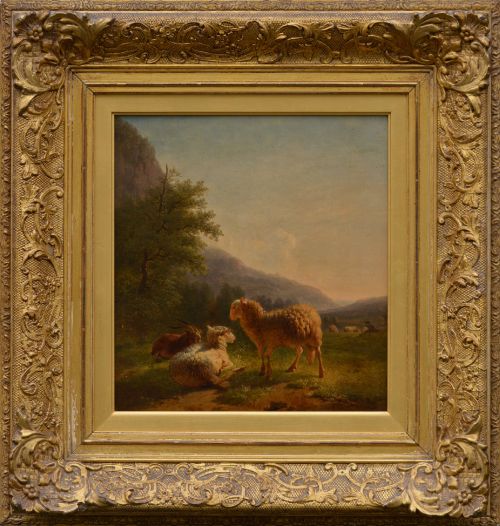
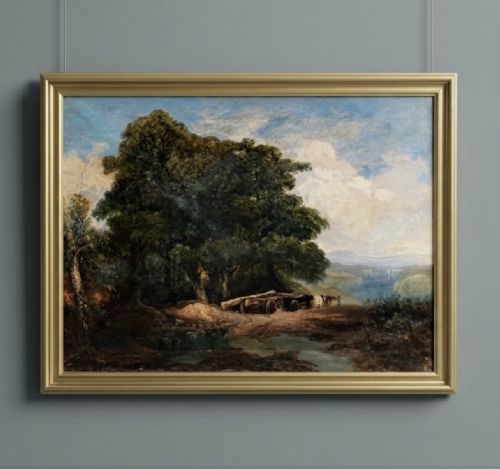
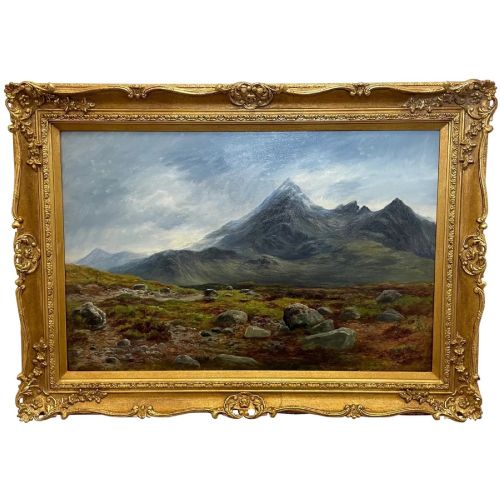
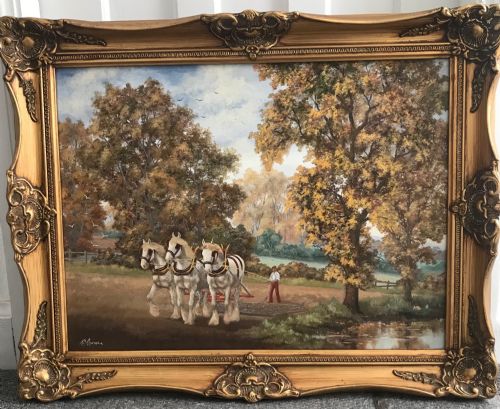
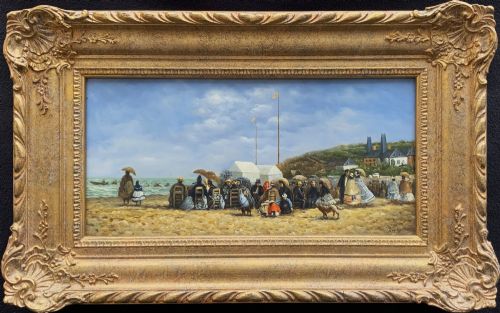
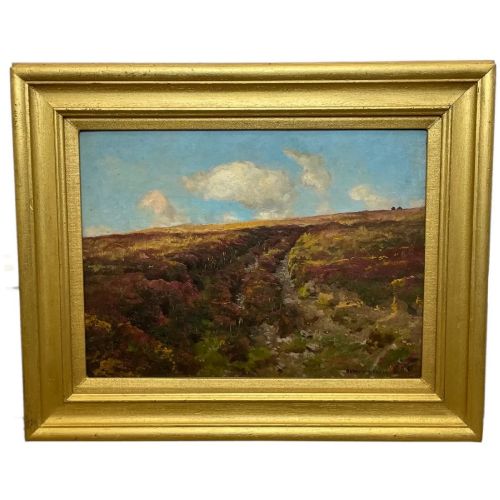
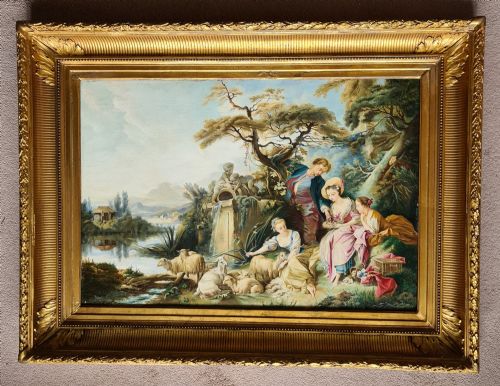
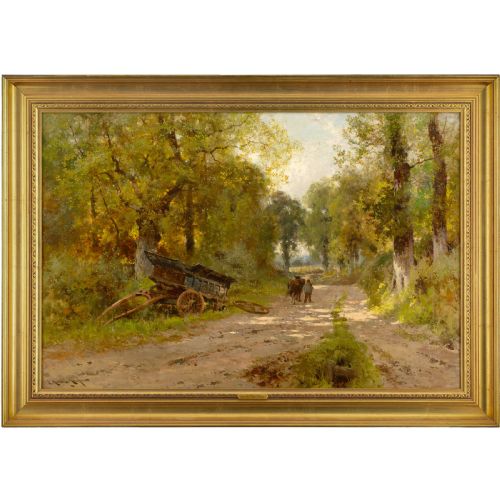
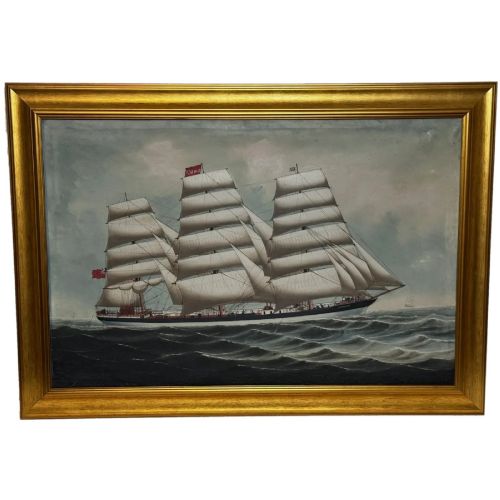
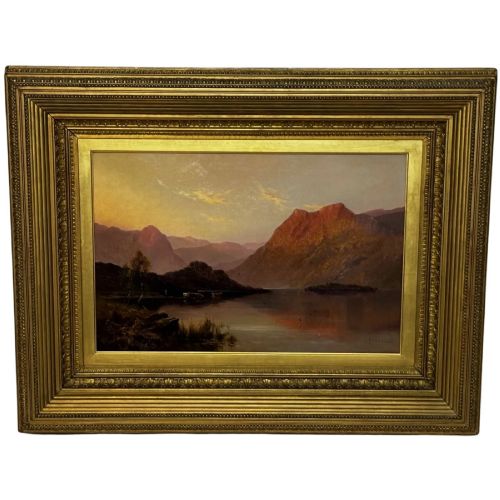
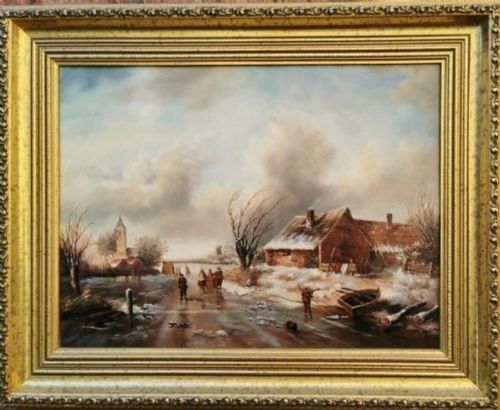
Framed canvas landscape artwork captures distant horizons and pastoral scenes painted in oil, framed in gilded wood to anchor the view upon a wall.
Framed Canvas Landscape Artwork
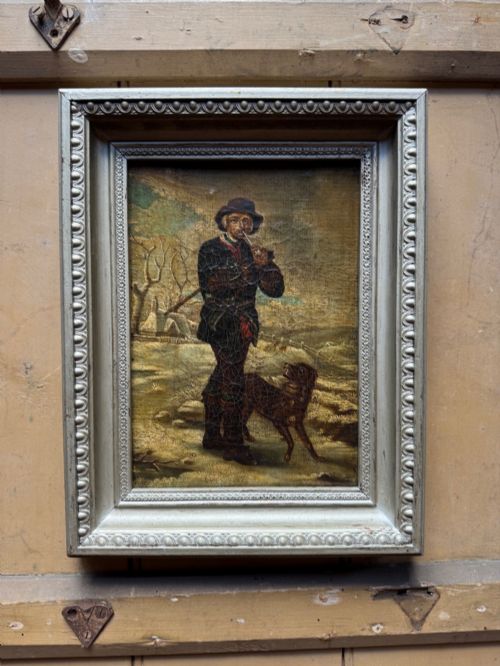
A framed canvas landscape artwork is an oil painting on canvas housed within a wooden or gesso frame, depicting natural scenery such as rivers, woodlands, and marine views. Buyers seeking framed canvas landscape artwork will encounter nineteenth-century British and French school pieces alongside Edwardian and later twentieth-century interpretations.
The subjects range from pastoral valleys with cattle and shepherds to dramatic coastal seascapes and panoramic river views. These works capture specific topographical locations or romanticized rural ideals created by regional painters.
Materials and construction
These works are painted using oil paint on woven canvas stretched over wooden supports, capturing fine brushwork and layered pigment. Many canvases are housed in ornate frames constructed from wood and finished with gesso and gilt.
The framing techniques combine carved wooden mouldings with applied plaster ornament, often gilded to complement the tones within the painted landscape.
Framed Canvas Landscape Artwork Retail Price Guide 2026
Typical asking prices for framed canvas landscape artwork among the pieces listed under this phrase on Sellingantiques today, from the lower quarter to the upper quarter. They describe what is for sale here now, not the wider market.
Listings incorporate oil on canvas works framed in wood, gesso, and gilt across Victorian, Edwardian, and mid-twentieth-century periods.
Distinctions in quality
Quality rests in the handling of light, atmospheric depth, and the naturalistic rendering of figures, foliage, and water. Finer examples display confident brushwork and precise anatomical or architectural detail that brings the scene to life.
The preservation of the original canvas surface and the integrity of the period giltwood or gesso frame contribute significantly to the standing of an individual piece.
Eugène Verboeckhoven·Richard Sebastian Bond·William Beattie-Brown·William H Myers·Frederick Marriott·Arthur Wardle·John Horace Hooper·Reginald Arthur Borstel·Alfred Fontville de Breanski Jr·George Houston·Robert Morson Hughes·Thomas Barker of Bath·Thomas W Lascelles·James Kay·Augusto Alberici·Gabriel Mathieu·David Bates·Arthur Gué·Benjamin Barker of Bath·Thomas Smythe·Robert John Hammond
The Framed Canvas Landscape Artwork Glossary
- Giltwood
- Wood carved and covered with a thin layer of gold leaf. It provides a reflective border that enhances the colours of the oil painting within.
- Gesso
- A plaster-like mixture applied to wooden frames before gilding. It provides a smooth surface for intricate moulding and gilding.
- Post-Impressionism
- An art movement extending beyond Impressionism. It focuses on symbolic content and expressive use of paint.
- Oil on Canvas
- Pigment mixed with drying oil applied to stretched fabric. This medium allows for rich blending and textured application.
Framed Canvas Landscape Artwork: Frequently Asked Questions
How do I hang a heavy framed canvas?
Heavy framed canvases require secure wall fixings distributed evenly to support the combined weight of the wooden stretcher and giltwood frame.
Ensure the hanging wire or brackets match the structural integrity of the wall surface to prevent slipping.
What periods do these paintings cover?
The selections span from the seventeenth century through the Victorian and Edwardian eras up to mid-twentieth-century examples.
Nineteenth-century British and French schools form a substantial portion of the available pastoral and marine subjects.
How should I clean an oil painting?
Dust accumulated on the canvas and gesso frame should be removed gently with a soft, dry brush.
Avoid liquid cleaners or moisture, which can damage aged oil paint and delicate gilded surfaces.
Are these paintings signed by the artist?
Many of the canvases feature legible signatures or inscriptions left by the painter near the lower edges of the composition.
Attributions are also determined through stylistic comparison with documented works from specific regional schools.