





Framed Botanical Tapestry
These framed botanical tapestry and needlework pieces bring centuries of hand-stitched flora and fauna into modern rooms.
Framed Botanical Tapestry
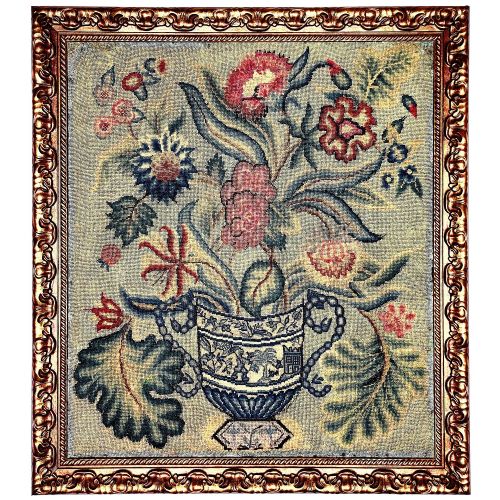
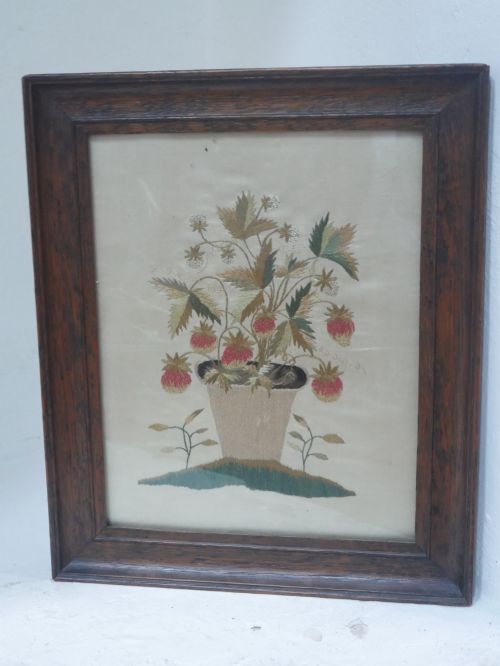
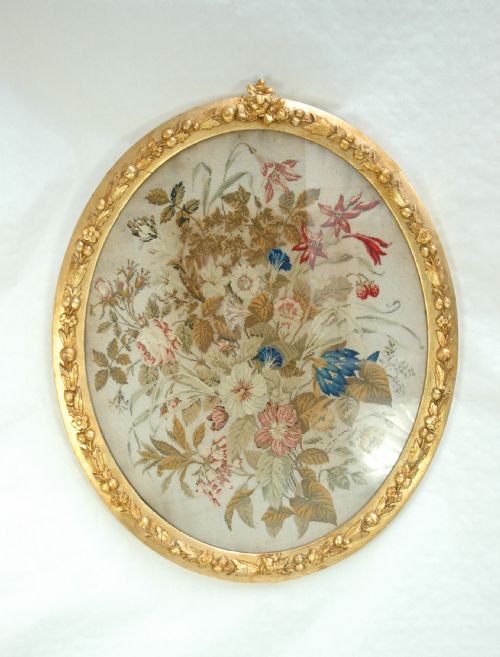
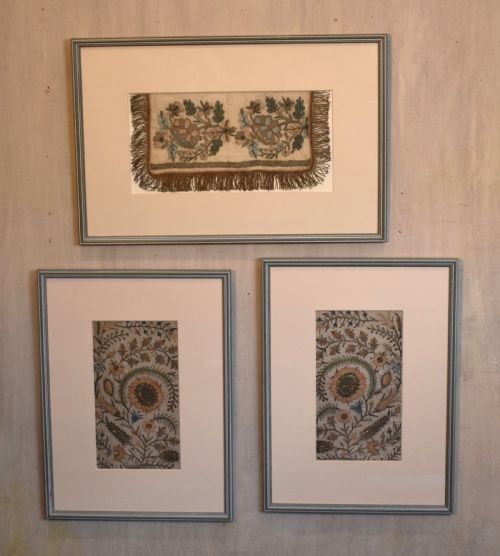
A framed botanical tapestry or needlework picture presents hand-worked textile art designed for wall display, spanning periods from the seventeenth century through to the twentieth century. These works capture natural subjects, floral motifs, and birds through careful threadwork preserved behind glass.
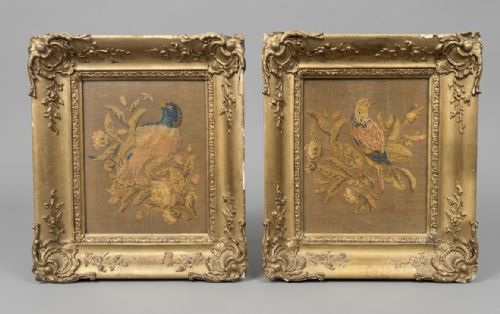
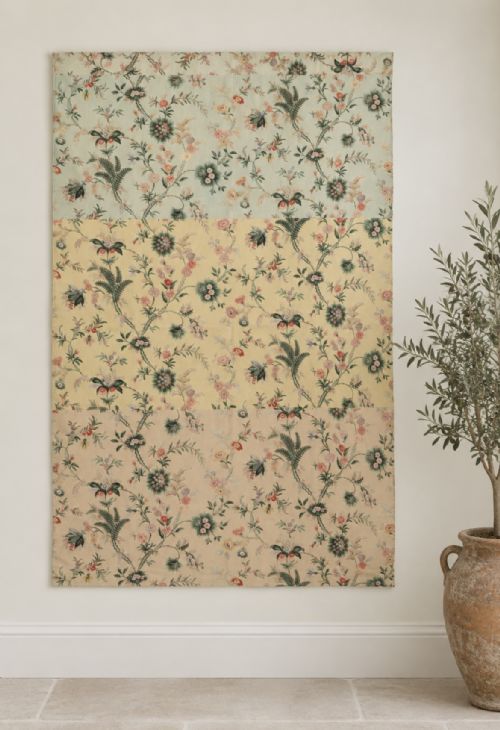
The pieces available here lean heavily towards eighteenth-century needlework pictures and nineteenth-century botanical or avian embroideries. Buyers encounter everything from oval tapestry pictures and octagonal silk embroideries to fabric wall panels and framed early needleworks.
Originating largely from English workshops, these items include both grand wall hangings and intimate domestic studies. Styles range across seventeenth-century Baroque, Georgian, Victorian Rococo Revival, Chinoiserie, and English Country aesthetics.
How they were made
These works rely upon natural fibres such as silk, wool, and linen threaded into ground fabrics to build rich textures and detailed botanical forms. Water-based pigment sometimes enhances the textile surface or provides background detail.
Makers housed these textile arts within wooden surrounds, frequently utilising gilt wood frames and protective glass to preserve the delicate stitching over the centuries.
Framed Botanical Tapestry Retail Price Guide 2026
Typical asking prices for framed botanical tapestry among the pieces listed under this phrase on Sellingantiques today, from the lower quarter to the upper quarter. They describe what is for sale here now, not the wider market.
Listings feature periods spanning from the 17th century to 1930, utilising silk, wool, linen, and gilt wood frames.
What varies in quality
Quality rests upon the precision of the needlework and the fidelity of the botanical or avian depiction. Finer pieces demonstrate intricate thread blending and sophisticated composition that elevate them above simpler domestic exercises.
The secondary housing plays a major role in overall character, with period gilt wood frames and appropriate glass settings contributing substantially to the presence of an eighteenth or nineteenth-century textile.
The Framed Botanical Tapestry Glossary
- Needlework
- Hand-stitched textile art created using yarn or thread upon a fabric ground. This term covers both utilitarian sewing and fine pictorial embroidery.
- Tapestry
- A form of textile art woven on a loom, though the term often extends historically to heavy embroidered wall panels and cushion covers.
- Gilt wood
- Wood coated with a thin layer of gold leaf or gold paint. It frequently frames fine eighteenth and nineteenth-century pictures.
- Chinoiserie
- A decorative style reflecting European interpretations of Chinese and East Asian artistic traditions. It appears in several period wall pieces.
- Baroque
- An ornate artistic style prevalent in the seventeenth century. It emphasises drama, rich detail, and grand proportions.
Framed Botanical Tapestry: Frequently Asked Questions
How should I hang framed textiles?
Protect these pieces from direct sunlight to prevent the silk and wool threads from fading over time. Maintain stable indoor humidity levels to keep the underlying fabrics and wooden frames secure.
Use sturdy wall fixings suited to the weight of the timber and glass surrounds. Hang them at eye level in rooms away from excessive moisture.
What periods do these works cover?
The selection spans from the seventeenth century through the eighteenth and nineteenth centuries, extending into twentieth-century fabric panels. Earlier examples often feature Baroque elements or formal composition.
Later Victorian pieces introduce botanical and Rococo Revival styles. Each era brings distinct shifts in colour palettes and framing choices.
What materials are typically used?
Stitching materials primarily consist of silk, wool, and linen threads worked onto fabric grounds. Water-based pigment sometimes appears to accent the textile design.
Frames are constructed from wood, frequently finished in gilt. Glass covers the front to protect the delicate needlework from dust and handling.
Are these works strictly botanical?
While botanical subjects and floral studies are prominent, the selection also includes avian depictions, Asian wall motifs, and figurative needlework pictures. Strawberries, birds, and stylized plants recur frequently.
Stylistic influences range from English Country and Chinoiserie to French Chateau aesthetics. This variety reflects the diverse decorative tastes of past centuries.