




Botanical Embroidery Picture
A botanical embroidery picture brings organic life onto a wall through needle and thread, offering a lasting slice of nature.
Botanical Embroidery Picture
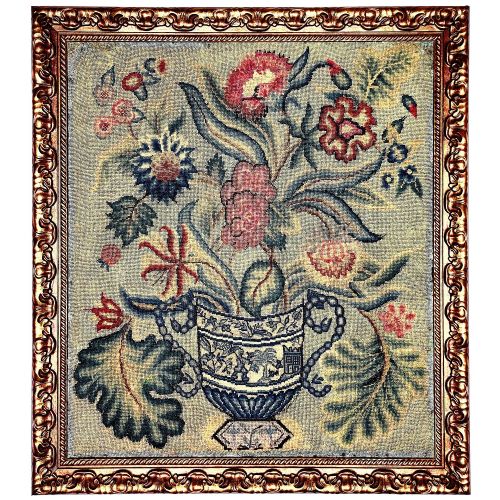
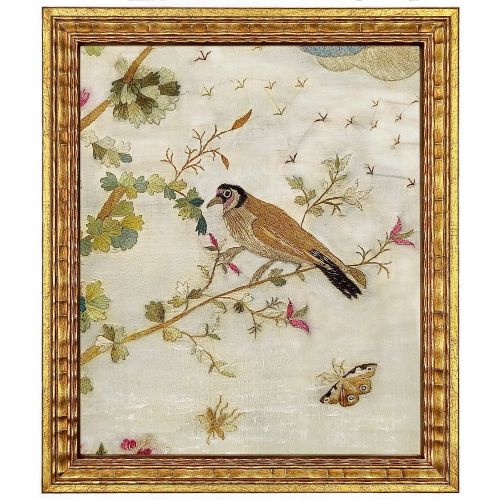
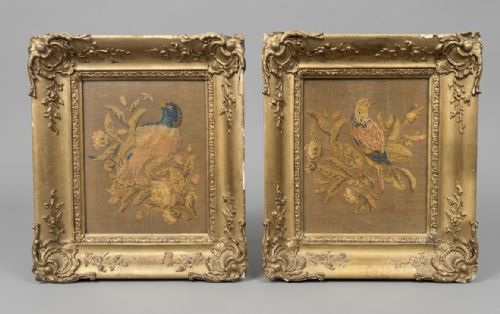
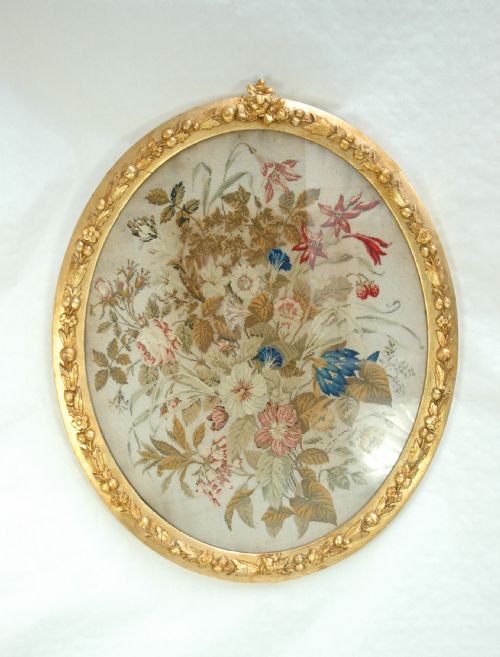
A botanical embroidery picture captures flowers, birds, and gardens using fine stitches on fabric backings like silk, linen, and canvas. These framed artworks range from Georgian needlework panels to Victorian depictions of flora and fauna.
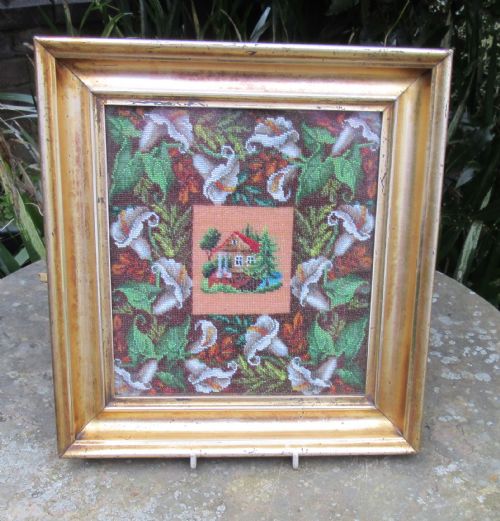
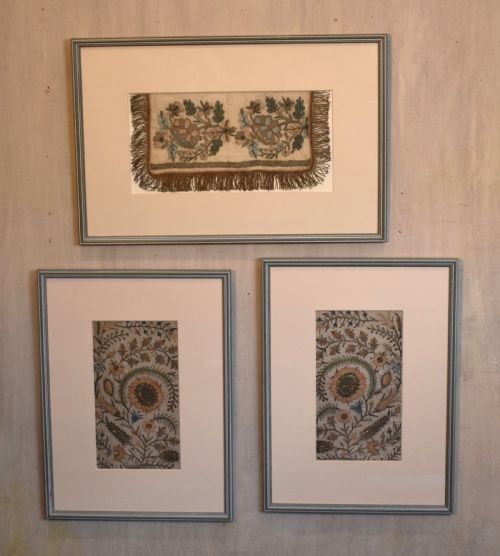
The version most commonly met on this page is a framed textile piece from the eighteenth or nineteenth century, often preserved beneath glass in original wooden or giltwood frames. Examples stretch from English country house needleworks to Chinese garden bird panels and American beadwork.
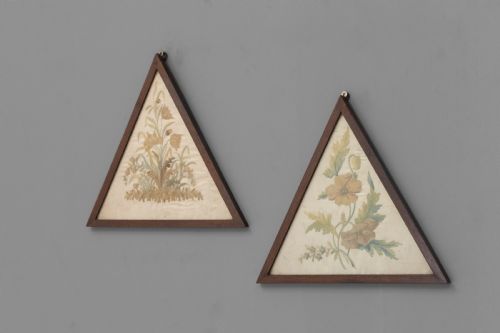
Makers utilised various techniques to depict natural subjects, resulting in rectangular, oval, and octagonal formats designed specifically for wall display. Each textile art piece reflects the domestic craftsmanship and decorative tastes of its period of origin.
How they were made
Craftsmen and women worked with threads of silk and wool, stitching directly onto taut grounds of linen or canvas. These textiles were then mounted inside protective wooden frames, frequently finished in gilt wood or glass.
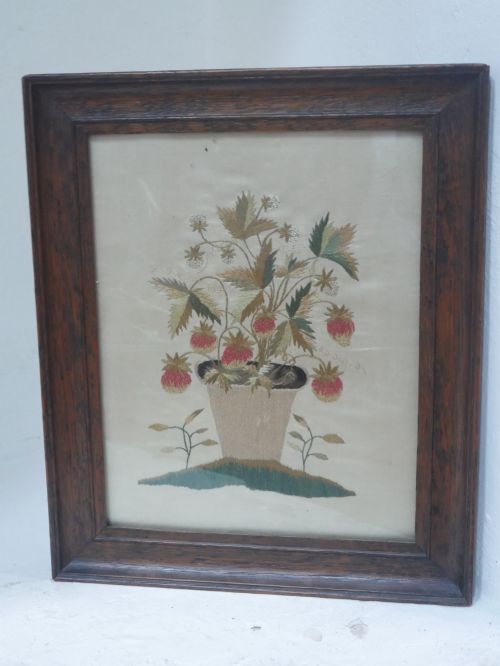
Detailed needlework and tapestry techniques allowed makers to shade petals and feathers with precision, creating depth in subjects like pots of strawberries and garden birds. Beadwork was also employed for textured wall art.
Botanical Embroidery Picture Retail Price Guide 2026
Typical asking prices for botanical embroidery picture among the pieces listed under this phrase on Sellingantiques today, from the lower quarter to the upper quarter. They describe what is for sale here now, not the wider market.
Mandarin ducks and pots of strawberries stare out quietly from centuries past, stitched stitch by careful stitch.
What varies in quality
Quality rests upon the fineness of the stitchery and the lifelike rendering of the botanical or avian subject matter. Superior works display tight, even tension and sophisticated colour blending within the silk or wool threads.
The housing contributes significantly to the overall merit, with original giltwood frames and protective glass preserving the fragile textiles beneath in better condition. Finer pieces demonstrate superior composition and more ambitious needlework control.
The Botanical Embroidery Picture Glossary
- Needlework
- Stitched decoration created by hand using a needle and threads of silk, wool, or other fibres upon a fabric ground. This forms the primary medium for historical textile art.
- Giltwood
- Wood that has been thinly coated with gold leaf or gold paint. Frames of this material frequently encase antique embroidered panels.
- Canvas
- A heavy, woven fabric used as a firm foundation for stitching complex pictorial designs. It provides durability for heavier yarn work.
- Tapisserie
- A form of textile art traditionally woven on a loom or worked with a needle in stitches that cover the canvas ground completely. These pictures add rich texture to wall displays.
Botanical Embroidery Picture: Frequently Asked Questions
How are antique embroideries framed?
These textiles are typically mounted behind protective glass within wooden frames, which often feature period gilt finishes.
This mounting protects the fragile silk and wool threads from dust and environmental damage while hanging on a wall.
Where were these textile pictures displayed?
Historically, such framed artworks hung in parlours, drawing rooms, and country house interiors as refined decoration.
Their botanical and avian subjects brought natural imagery inside during the Georgian and Victorian eras.
How do I date a needlework picture?
Dating relies on the style of the frame, the type of fabric ground, and the specific stitching techniques employed.
Eighteenth-century examples often display different motifs and framing methods compared to later nineteenth-century Victorian or Edwardian pieces.
Are all botanical pictures made of silk?
Materials vary across different periods and regional traditions, incorporating wool, linen, canvas, and glass alongside silk threads.
Some specialised American works even utilise beadwork to achieve their detailed pictorial effects.