


Framed Black White Print
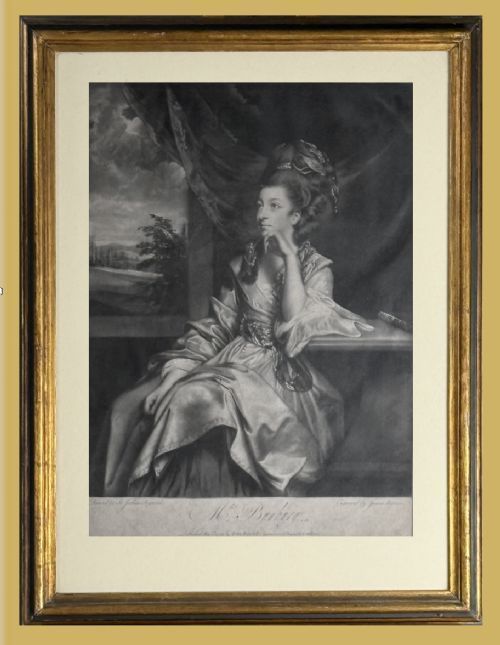
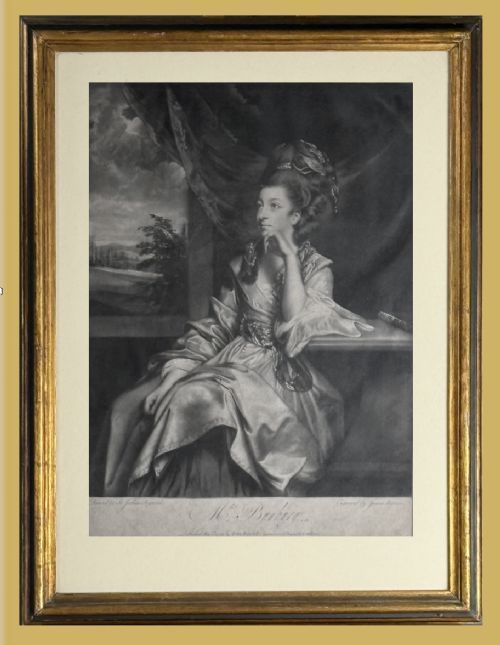
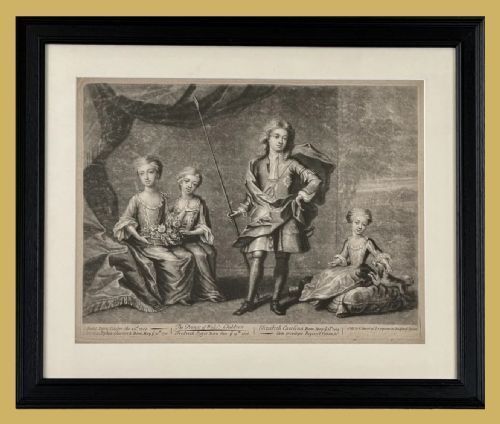
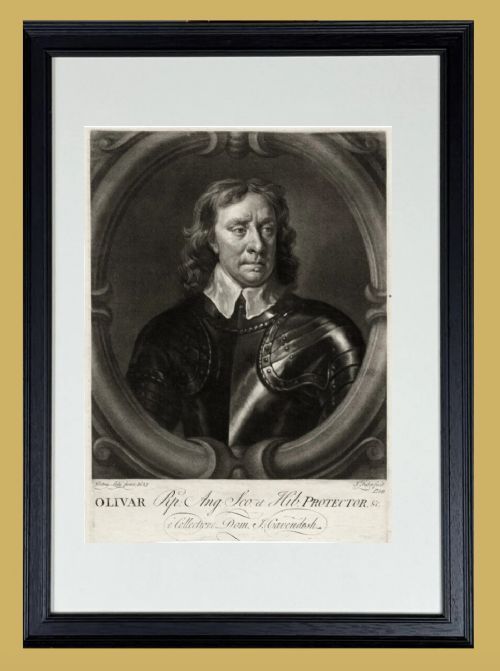
When choosing a framed black white print, one acquires historical portraits, etchings, and engravings set behind glass in wood frames.
Framed Black White Print
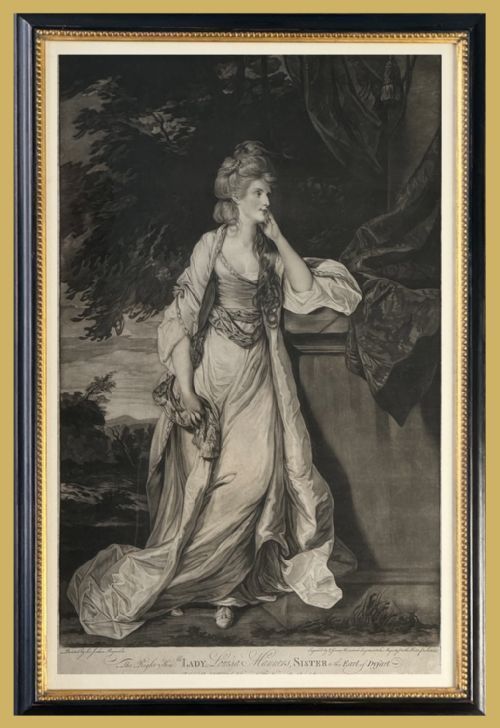
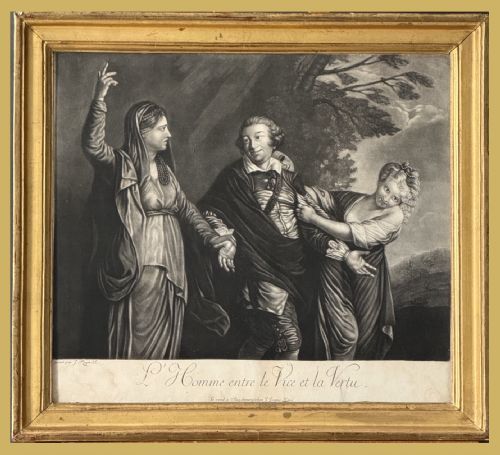
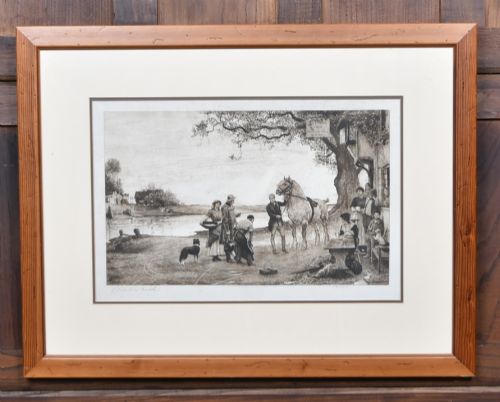
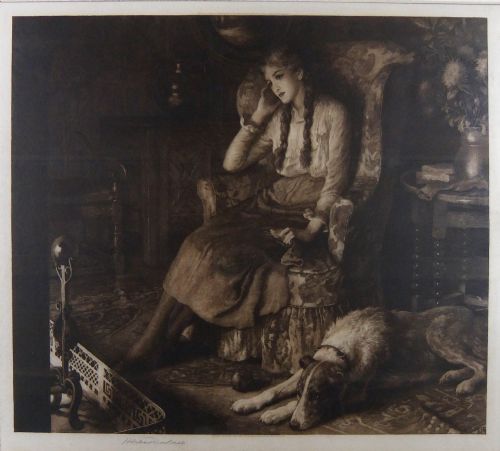
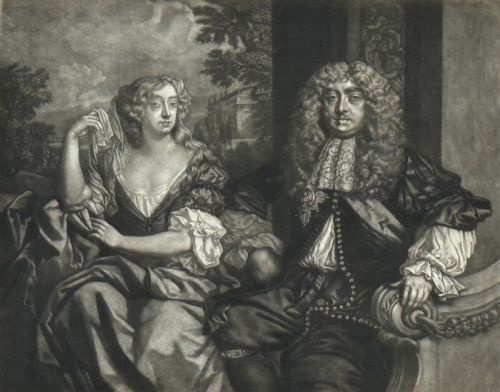
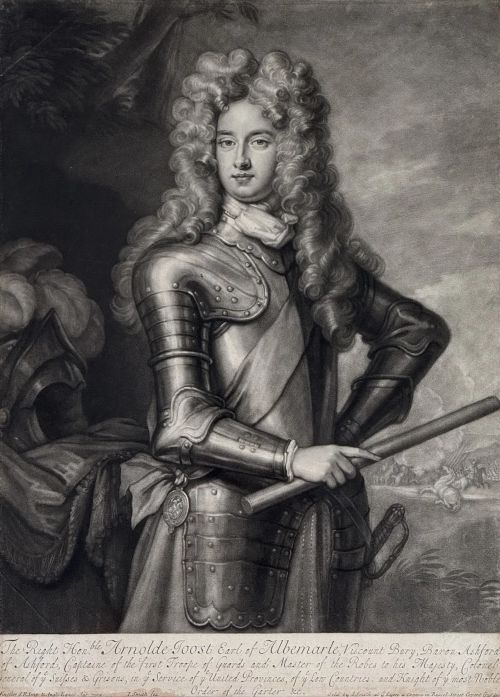
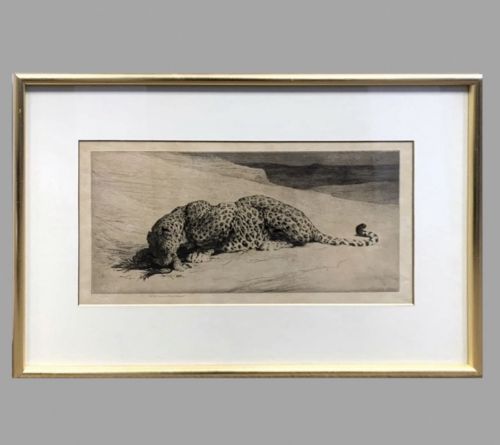
A framed black white print encompasses a variety of works on paper, spanning centuries of printmaking traditions from mezzotints to etchings. Buyers encounter subjects ranging from 17th-century aristocratic portraits to 19th-century classical scenes and early 20th-century animal studies.
The objects combine printed ink on paper with structural surrounds, typically comprising glass, wood frames, and occasionally gold leaf or gilt details. These works bridge documentary records and decorative arts, reflecting the aesthetic priorities of periods from the 17th century onward.
How They Were Made
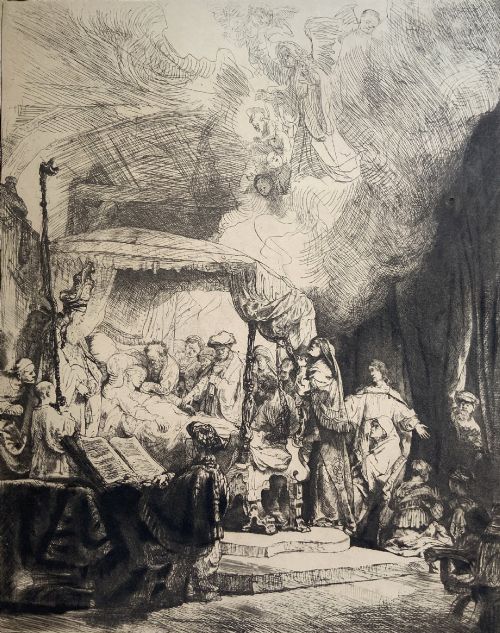
Makers utilised paper as the primary support for ink applications, employing techniques such as mezzotint, etching, and engraving to transfer detailed imagery from plates. Skilled hands worked metal plates with burins or acid before printing the monochrome compositions.
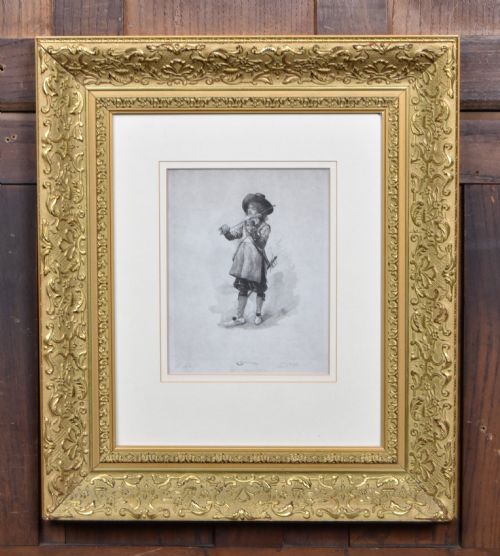
Finished prints found protection beneath glass and within wooden enclosures, utilising oak, gilt wood, or plain wood moulding to secure the artwork. These framing elements preserve the delicate paper surfaces from environmental exposure.
Listings include works on paper spanning from the 17th century to the 19th century, utilising oak, glass, and gold leaf.
What Varies in Quality
The fidelity and impression strength of the inked lines dictate the visual impact of the work, separating crisp early pulls from worn later impressions. The depth of the plate mark and the preservation of fine tonal gradations reveal the skill applied during the printing process.
The integrity of the surrounding materials contributes significantly to the overall standard, particularly the condition of the paper, the clarity of the glass, and the authenticity of the wooden or gilt frame. Original framing components add historical context to the piece.
James Watson·John Smith·Valentine Green·Herbert Dicksee·William Hogarth
The Framed Black White Print Glossary
- Mezzotint
- A printmaking process where the copper plate is roughened uniformly to produce rich dark tones and subtle gradations of light. This method became popular for reproducing oil paintings during the 17th and 18th centuries.
- Etching
- A technique in which lines are incised into a metal plate through the corrosive action of acid before ink is applied. Artists utilise this method to achieve fluid, expressive lines resembling freehand drawing.
- Engraving
- A method of cutting designs directly into a hard plate using a sharp steel tool called a burin. This produces precise, clean lines with distinct edges.
- Gilt wood
- Wood coated with a thin layer of gold leaf or gilt powder to create a reflective metallic finish. This material frequently appears in period framing.
- Plate mark
- The indentation left on the paper by the edge of the printing plate under pressure. Its presence confirms the use of an intaglio printing process.
Framed Black White Print: Frequently Asked Questions
How do I care for a framed print?
Keep the artwork away from direct sunlight to prevent the ink and paper from fading over time. Maintain a stable room temperature to protect both the paper support and the wooden frame.
Ensure the glass remains clean using gentle methods that avoid moisture seeping behind the glazing. Check the backing occasionally to ensure no dust or insects accumulate inside.
What periods do these prints cover?
The available selection spans from the 17th century through the 18th and 19th centuries, extending into the early 20th century and later decades. Each era brings distinct printing techniques and subject matter.
Earlier centuries favour grand portraits and classical narratives, while later periods introduce varied etching styles and photographic works.
Are the frames original to the pieces?
Framing varies across the inventory, with some items retaining period surrounds in oak, gilt wood, or plain wood. Evaluating the construction details helps determine if the frame matches the age of the print.
Many pieces are housed in traditional frames that complement the historical context of the artwork.
What subjects are most common?
Portraits dominate the earlier centuries, featuring notable figures rendered through detailed mezzotint and engraving techniques. Landscapes, animal studies, and narrative scenes appear frequently in later periods.
Religious and classical allegories also recur across multiple centuries of printmaking.