
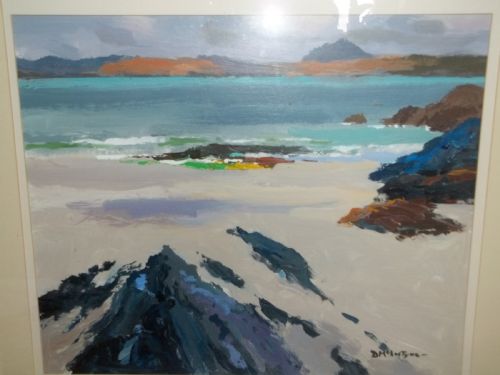


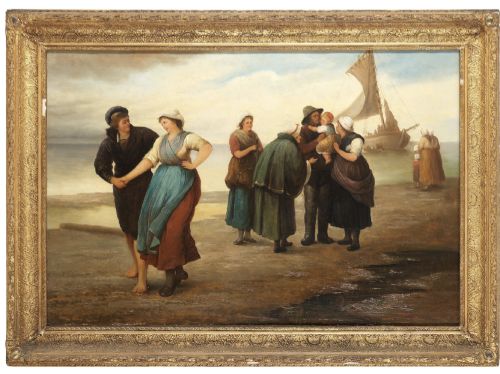
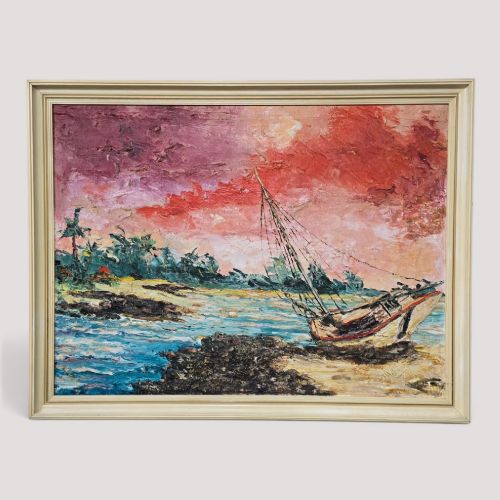
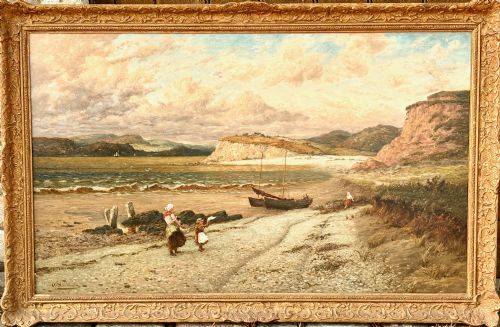


Framed Beach Landscape Art
Framed beach landscape art brings the open coast indoors through painted oils and watercolours set in wood and gesso.
Framed Beach Landscape Art
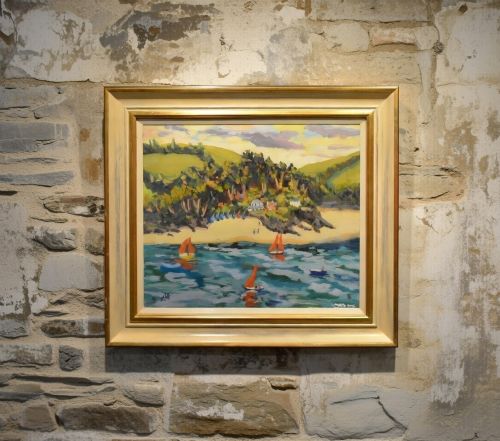
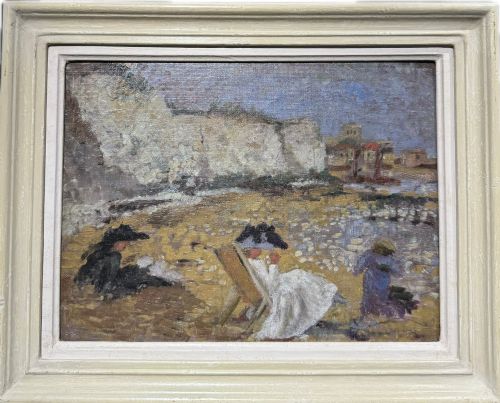
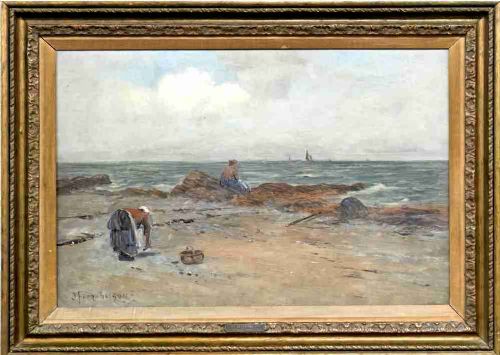
Framed beach landscape art captures coastal views, harbours, and shores through painted works on canvas, paper, and board. When searching this phrase, buyers encounter original watercolours and oil paintings from various historical periods depicting seaside scenes.
The pieces on this page span the Victorian era, the nineteenth century, and twentieth-century movements like Impressionism and Mid-Century Modern. Subjects range from British fishing boats and harbour walls to quiet stretches of sand.
Most examples come paired with their original or period frames constructed from wood and gesso. These works translate the atmosphere of specific coastlines, from Yorkshire bays to Scottish shores, directly onto the wall.
How They Were Made
Artists painted these coastal scenes using oil paint or watercolour applied to stretched canvas, heavy paper, or wooden boards. Oil pigments provided rich, layered textures suitable for dramatic seas and stormy skies, while watercolour offered translucent washes of light for bright coastal air.
Makers housed the completed paintings within timber frames, often embellished with moulded gesso and gilt finishes to complement the artwork. Glass frequently protected delicate works on paper from moisture and dust.
Listings feature works created across the nineteenth and twentieth centuries, utilising oil paint, watercolour, canvas, paper, and gesso.
What Varies in Quality
Quality rests in the artist's command of light, brushwork, and atmospheric depth rather than the mere age of the canvas. Finer paintings capture the specific movement of water and the changing weather of the coast with confident, purposeful strokes.
The integrity and craftsmanship of the enclosing frame also shape the overall standard of the piece. Period frames that harmonise with the scale and palette of the artwork elevate the presentation considerably.
James Orrock·William Banks Fortescue·Joseph Farquharson·James Webb·George Hamilton Constantine·Robert Macaulay Stevenson
The Framed Beach Landscape Art Glossary
- Watercolour
- A painting method where fine pigment is suspended in water-soluble binders and applied to paper. It relies on the white of the paper to provide luminosity and light.
- Gesso
- A plaster-like mixture applied to wood frames to create a smooth surface for gilding and ornamentation. It is often moulded into intricate decorative patterns.
- Impressionism
- A nineteenth-century painting style characterised by relatively small, thin yet visible brush strokes and an emphasis on accurate depiction of light. Artists favoured outdoor scenes and changing weather.
- Seascape
- A work of art that depicts the sea, beaches, ships, and coastal views. These subjects formed a major focus for marine painters across the Victorian and Edwardian periods.
- Post-Impressionism
- An art movement that extended Impressionism while rejecting its limitations, favouring more symbolic content and heavier brushwork. Painters explored vivid colours and geometric forms.
Framed Beach Landscape Art: Frequently Asked Questions
What periods do these pieces span?
The collection includes works from the nineteenth century through the Victorian period and into the mid-twentieth century.
Styles range from traditional marine painting to Impressionist and Mid-Century Modern interpretations of the coast.
How should I hang a framed watercolour?
Keep watercolours away from direct sunlight to prevent the pigments and paper from fading over time.
Ensure the room maintains a stable humidity level to protect both the paper artwork and the wooden frame.
What subjects appear in these coastal scenes?
Artists recorded busy harbour activities, fishing boats, shipwrecks, and quiet stretches of sandy beach.
Locations span specific British and European coastal spots, from Scottish firths down to southern seaside cliffs.