


Framed Asian Artwork Paper
Framed asian artwork paper brings together delicate historic paintings and prints mounted behind glass, offering a direct window into traditional eastern craftsmanship.
Framed Asian Artwork Paper
Framed asian artwork paper encompasses a diverse range of historic paintings, scrolls, and woodblock prints originating from China, Japan, and India. Buyers searching for framed asian artwork paper will encounter pieces spanning several centuries, from the Edo period to the twentieth century.
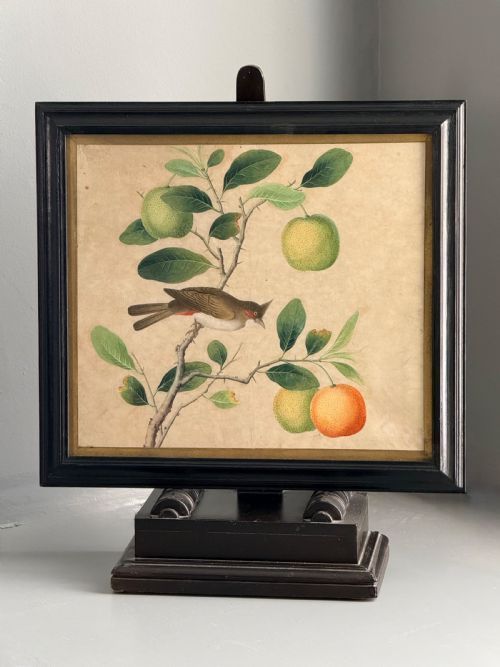
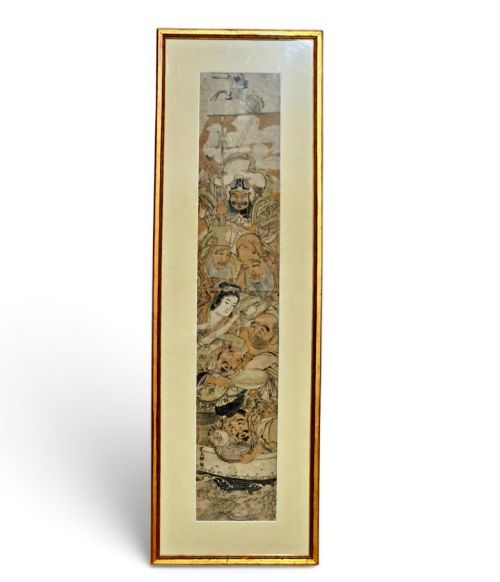
The selections frequently feature pith paper paintings, watercolours, gouache, and Japanese woodblock prints housed within protective frames. Chinese export works and Mughal school miniatures also appear frequently among the available offerings on this page.
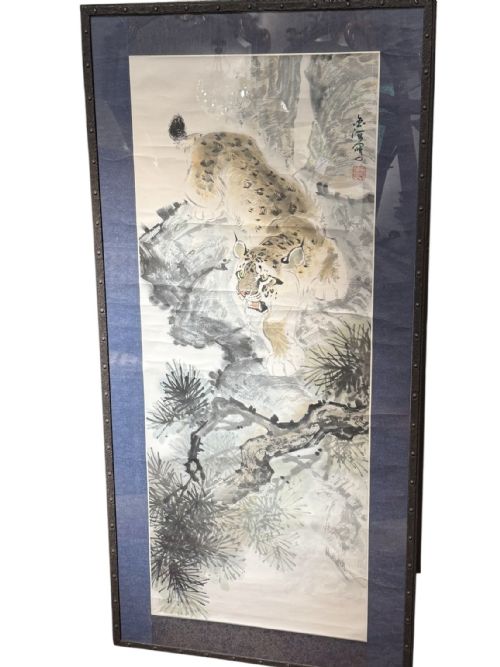
Traditional subjects range from ancestor portraits and landscape scenes to mythical figures and scholarly animals such as snow leopards. Each piece reflects the specific aesthetic conventions and artistic techniques of its region of origin.
Materials and techniques
Artisans executed these works primarily using ink, gouache, and pigments applied directly onto surfaces like pith paper, standard paper, and occasionally silk. Pith paper, derived from the pith of the Tetrapanax papyrifer plant, provides a unique velvety texture that absorbs vibrant mineral colours.
Woodblock prints involved carving intricate designs into wooden blocks, which were then inked and pressed onto paper to create detailed multi-coloured impressions. Painters employed fine brushes to render precise botanical, figurative, and narrative details across scrolls and individual sheets.
Factors of quality and execution
Quality in these works rests upon the precision of the brushwork, the preservation of the original pigments, and the delicacy of the printed lines. Superior examples display confident, expressive strokes and harmonious colour retention despite the passage of time.
The integrity of the paper support and the appropriateness of the framing also influence the overall character of the piece. Works that retain their original mountings or frames provide a more complete historic context for the collector.
Katsukawa Shunshō·Kunisada
The Framed Asian Artwork Paper Glossary
- Pith paper
- A delicate material made from the cellular pith of a shrub, commonly used for nineteenth-century Chinese export paintings. It has a distinctive spongy texture that holds gouache pigments with striking depth.
- Ukiyo-e
- A genre of Japanese art translating to pictures of the floating world, flourishing from the seventeenth through the nineteenth centuries. These works frequently take the form of woodblock prints depicting popular culture and landscapes.
- Gouache
- An opaque water-based paint composed of pigment, water, and a binding agent such as gum arabic. It allows for dense, saturated colour application on paper supports.
- Woodblock print
- A technique where an image is carved into a wooden block, inked, and transferred to paper. This method enabled the mass production of detailed artistic prints in Japan and China.
- Ancestor painting
- A formal portrait commissioned to honour deceased family members in traditional Chinese culture. These works often emphasise formal posture and detailed ceremonial attire.
Framed Asian Artwork Paper: Frequently Asked Questions
How do I care for framed paper art?
Keep these works away from direct sunlight to prevent the fading of delicate gouache and watercolour pigments. Maintaining stable indoor humidity levels also protects fragile paper supports from warping.
Ensure the pieces remain securely sealed behind glass to guard against airborne pollutants and dust accumulation over time.
What is pith paper?
Pith paper is a historic painting surface created from the internal spongy pith of a specific Asian plant rather than beaten wood pulp. It possesses a unique tactile quality that interacts distinctively with traditional water-based pigments.
Artists during the nineteenth century utilised this material extensively for export paintings destined for western markets.
How are Japanese woodblock prints dated?
Dating relies heavily on stylistic conventions, publisher marks, and the specific active periods of the printmakers involved. Historical context and subject matter further help narrow down the production era.
Many prints correspond to specific imperial eras such as the Edo or Meiji periods.
Are these paintings original antiques?
The selections encompass historic works originating from the eighteenth, nineteenth, and early twentieth centuries. Each piece reflects the authentic materials and methods of its specific period.
Documentation of styles includes Qing dynasty pieces, Mughal school paintings, and traditional Japanese woodblock prints.