
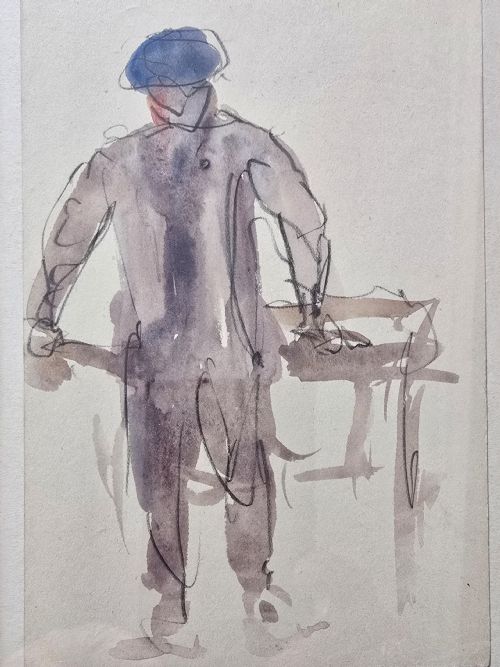


Framed Ink Wash Painting
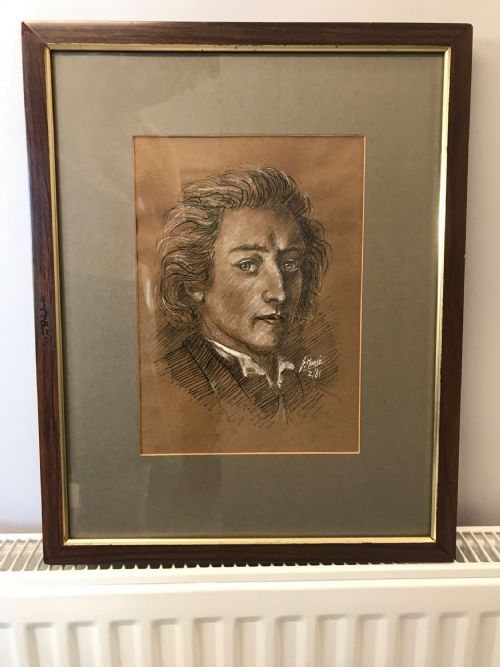
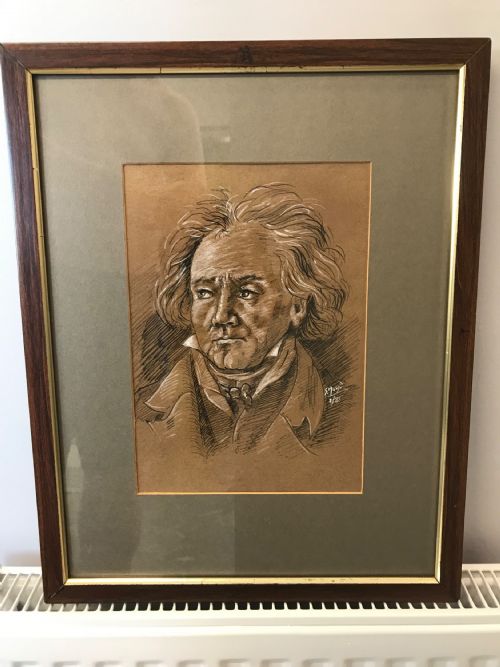
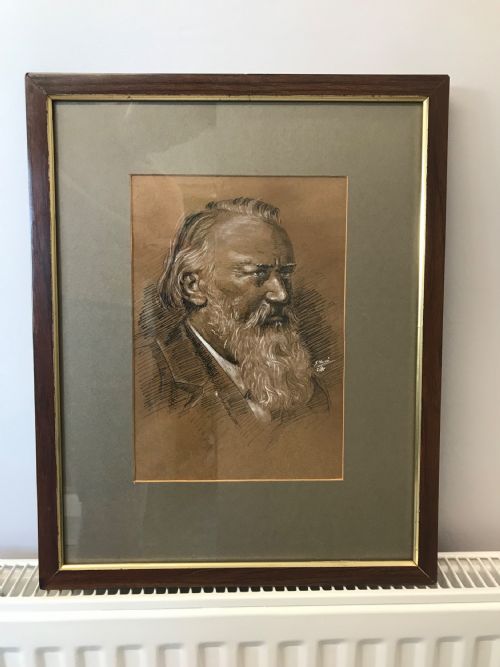
These framed ink wash painting works bring together monochrome depth and paper surfaces, offering collectors a direct link to historic draughtsmanship.
Framed Ink Wash Painting
A framed ink wash painting combines liquid pigment on paper with a protective wooden frame and glass cover. These works capture tonal depth through washes of black or sepia pigment, often supported by watercolour or gouache.
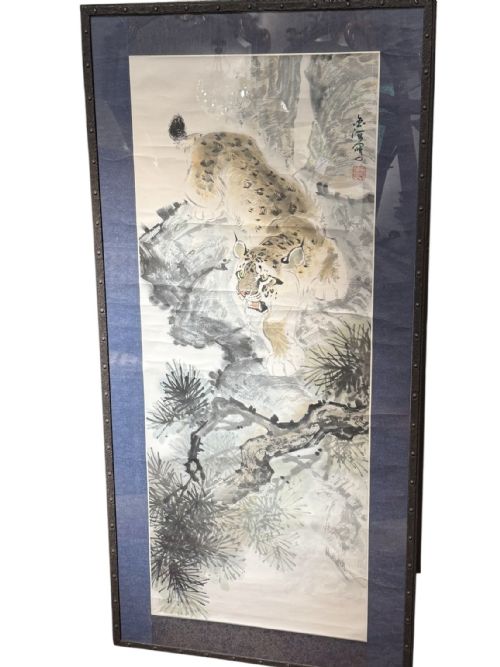
The selections span from eighteenth-century architectural studies and nineteenth-century pastoral scenes to early twentieth-century British townscapes and Chinese scroll formats. Buyers encounter both delicate portrait drawings of composers and expansive landscape watercolours.
Examples range across distinct periods including the nineteenth century, the nineteen-thirties, and pieces created later than nineteen-sixty. Each format relies on the interaction between ink marks and paper grounds to define form and shadow.
What varies in quality
Control over ink density and brushwork defines the graphical clarity of each sheet. Finer examples display confident tonal transitions and precise line work that establish immediate spatial depth.
The harmony between the artwork and its mounting contributes significantly to the visual success of the piece. Well-chosen wooden frames and stable paper supports preserve the integrity of the monochrome washes over decades.
Current listings feature works executed on paper using ink, watercolour, and gouache, housed in wood frames with glass.
Stanley Orchart·Pio Panfili·Fred Lawson·Thomas Lound
The Framed Ink Wash Painting Glossary
- Ink wash
- A painting technique where ink is diluted with water to create varying tones of grey or brown on paper. It forms the primary monochrome foundation of these artworks.
- Gouache
- An opaque watercolour medium often used alongside ink to add highlights or solid colour areas. It provides a dense contrast to translucent washes.
- Watercolour
- A paint consisting of pigment suspended in a water-soluble vehicle, frequently combined with ink drawings in these listings. It allows for subtle colour layering.
- Scroll
- A length of paper or silk intended to be rolled up or hung, seen in traditional Chinese formats. These pieces offer an alternative mounting style to standard western framing.
Framed Ink Wash Painting: Frequently Asked Questions
How should I hang a framed ink wash painting?
Position the piece away from direct sunlight to protect the paper and water-based pigments from fading over time. Maintain stable indoor humidity levels to safeguard both the paper support and the wooden frame.
Ensure the hanging wire and wall fixings adequately support the weight of the glass and wooden enclosure. Regular placement adjustments help prevent uneven environmental exposure.
What is the difference between ink wash and watercolour?
Ink wash relies primarily on monochrome tones created by diluting black or sepia pigment with water. It emphasises shadow, line, and tonal gradation rather than a full spectrum of hues.
Watercolour introduces a wider palette of transparent colours, though many works combine both techniques on the same paper sheet. Artists often use ink to outline forms before applying transparent washes.
How do I identify the period of a framed painting?
Examine the paper type, framing materials, and stylistic conventions visible within the composition. Nineteenth-century works frequently feature pastoral or academic realism subjects, while later decades show shifts towards regional townscapes.
Signatures, dates inscribed on the sheet, and biographical details of the artist provide precise chronological markers. Comparison with documented works from specific eras helps confirm the origin.
Are these artworks original pieces?
The listings comprise original drawings and paintings executed directly onto paper by hand. Each sheet represents a unique creation rather than a modern mechanical reproduction.
Hand-applied brushstrokes and distinct ink variations distinguish these individual works from printed copies. The presence of initialed signatures and period framing further confirms their authenticity.