


Framed Leaded Glass
Framed antique leaded glass brings architectural character into a room through coloured panels, painted roundels, and sturdy timber or metal surrounds.
Framed Leaded Glass
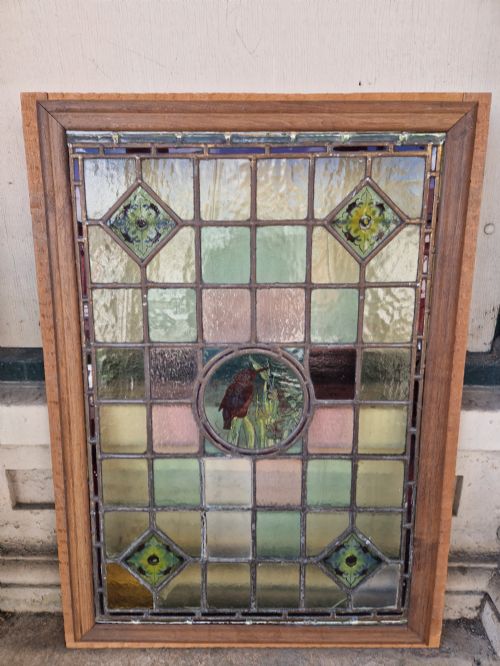
Framed antique leaded glass encompasses architectural salvage, hanging panels, and domestic windows originating from the nineteenth and early twentieth centuries. These pieces combine coloured and clear glass held together by lead cames, frequently secured within wooden or metal frames.
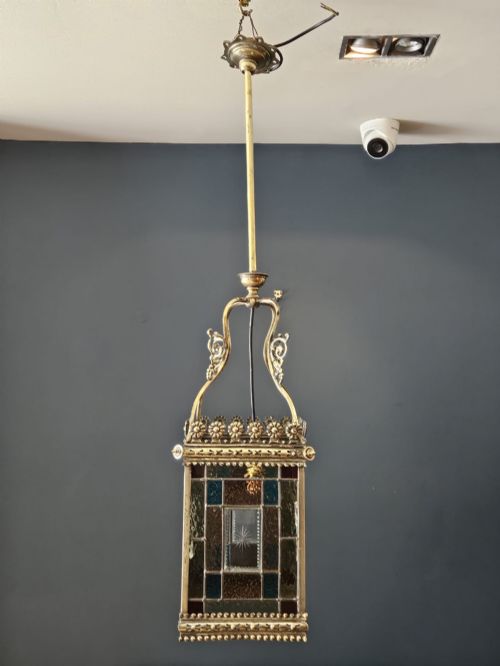
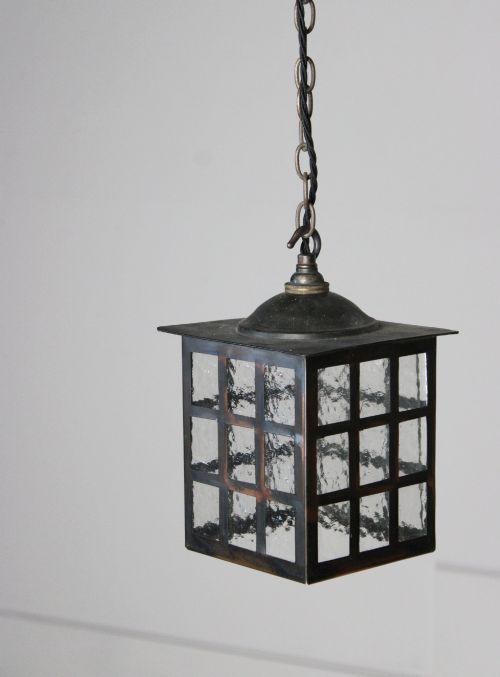
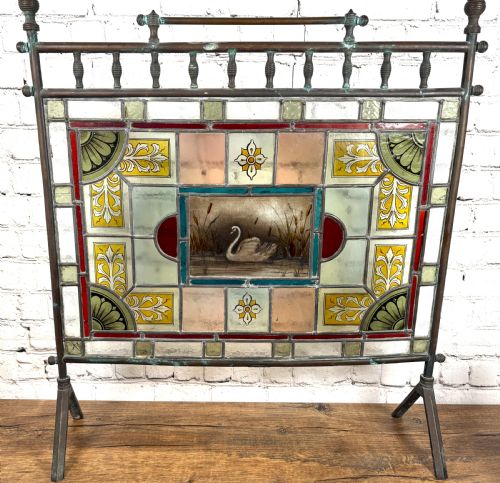
Buyers encountering this search phrase find domestic windows, religious scenes, fire screens, and pendant lanterns spanning Victorian, Edwardian, and later periods. The selection ranges from plain diamond panes to intricate hand-painted figurative designs featuring knights, birds, and landscapes.
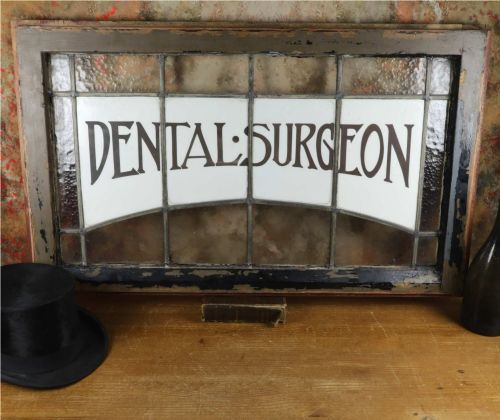
Many examples derive from ecclesiastical buildings, vestibule doorways, and practice windows, retaining their original structural supports in brass, copper, timber, or iron. Their application shifts easily between wall hanging, window replacement, and freestanding interior screens.
How they were made
Maker workshops constructed these panels by joining individual pieces of coloured and clear glass with soft lead cames, soldering the joints by hand. Artisans frequently applied enamel paint directly onto the glass surface before firing, creating permanent pictorial details such as castles, figures, and floral motifs.
Structural stability relied upon sturdy surrounds fabricated from timber, brass, copper, or iron, depending on whether the piece served as a hanging lantern, a fireguard, or an architectural window. These frames were tailored to support the heavy weight of the leaded matrix and protect the brittle glass edges during installation.
Among the painted scenes, a stoic Victorian knight in full armour stands guard alongside mischievous Dutch boys and curious birds.
What varies in quality
Quality rests principally upon the artistry of the painted details and the complexity of the glass selection, such as incorporating amber bullseyes or figurative subjects. Panels executed by skilled hands display precise enamel work and harmonious colour blending that elevate them above standard geometric patterns.
The integrity of the structural frame and the stability of the lead matrix dictate long-term durability. Original mounts in brass, copper, or seasoned timber command greater regard than later replacement surrounds.
The Framed Leaded Glass Glossary
- Came
- The H-section lead strip used to hold individual pieces of glass together in a window. These strips are soldered at the junctions to form a rigid matrix.
- Bullseye
- A small, circular centre piece of blown glass showing a concentric swirl or knop. These are often incorporated into panels to catch the light.
- Architectural salvage
- Building elements rescued from structures slated for demolition or remodeling. This category includes church windows, doorways, and interior screens.
- Fireguard
- A protective screen placed in front of a fireplace. In this context, they utilise stained and leaded glass panels within metal frames.
Framed Leaded Glass: Frequently Asked Questions
How do I hang a heavy leaded glass window?
Heavy windows require substantial weight-bearing fixings secured directly into wall studs or masonry rather than relying on standard picture wire. Using a custom metal bracket that supports the base of the frame ensures the lead matrix does not warp under its own weight over time.
Positioning the panel in front of an existing light source or internal window maximises the visual impact of the coloured glass without requiring exterior installation.
Can these windows be fitted into modern walls?
These panels adapt well to interior partition walls by creating a bespoke aperture that allows light to pass between adjacent rooms. A carpenter can rebate the timber or metal frame securely into the drywall or studwork.
For exterior use, secondary glazing provides a protective outer layer that shields the fragile antique lead and painted surfaces from weathering.
How do I identify a Victorian church window?
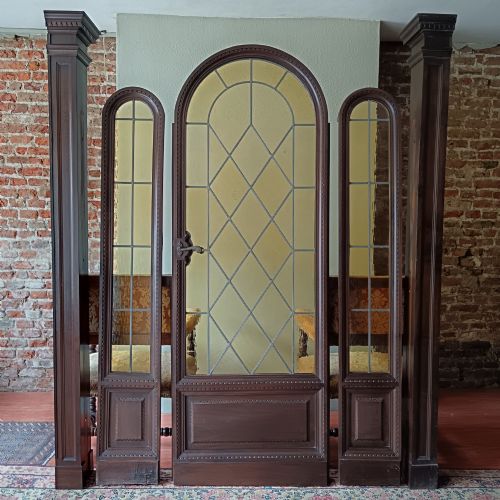
Victorian church windows typically feature distinctive architectural shapes such as arch tops, paired configurations, and strict geometric arrangements like square or diamond panes. The glass often incorporates thicker lead cames and heavy iron support bars to withstand large spans and external pressures.
Religious iconography, muted ecclesiastic colour palettes, and heavy timber or stone surrounds further distinguish ecclesiastical pieces from domestic door panels.