

Framed Etching
These framed antique etching works bring centuries of fine ink work and paper artistry directly to your walls.
What framed antique etching pieces are
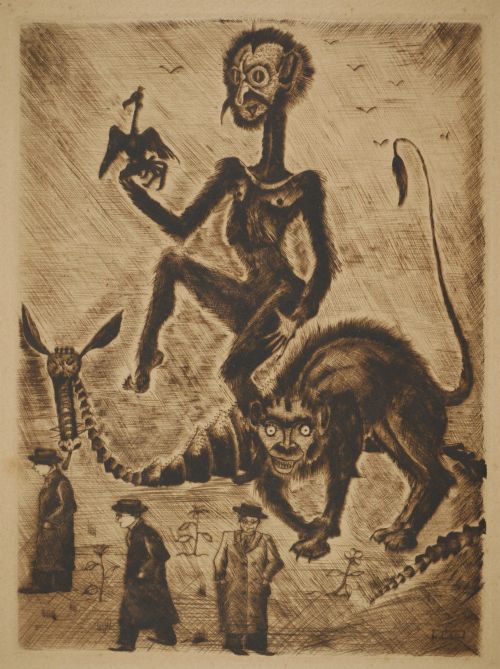
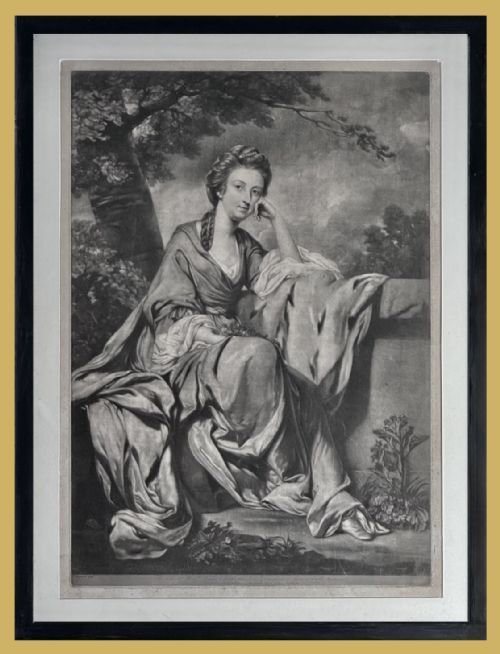
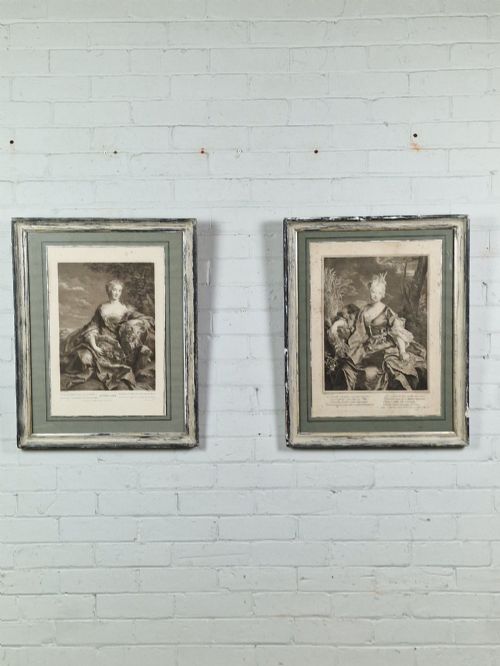
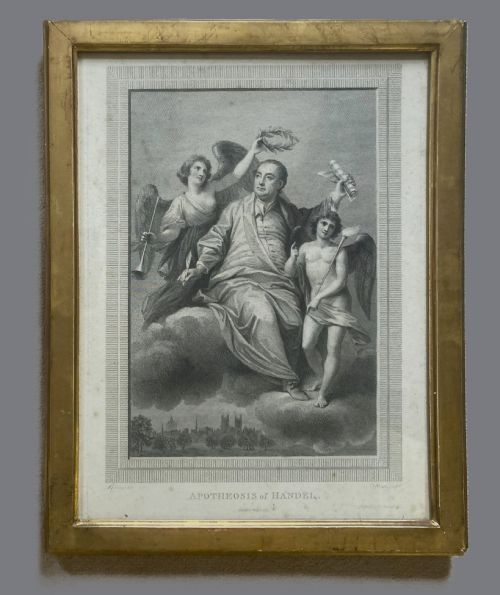
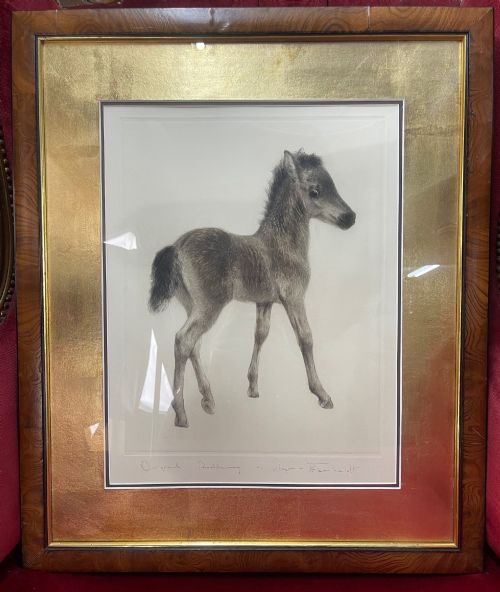
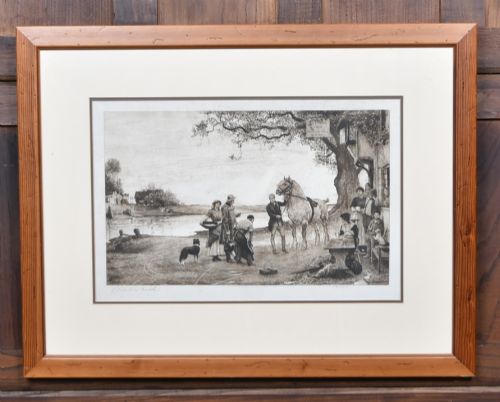
When you search for framed antique etching, you encounter historic prints preserved behind glass in period surrounds. The selection ranges from eighteenth-century French social scenes to nineteenth-century sporting prints and collegiate views.
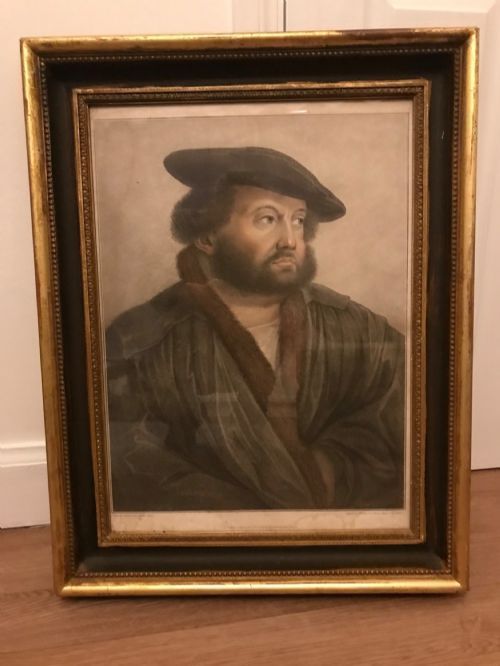
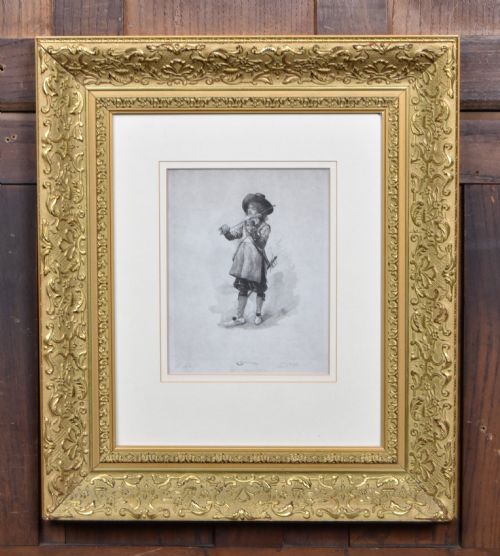
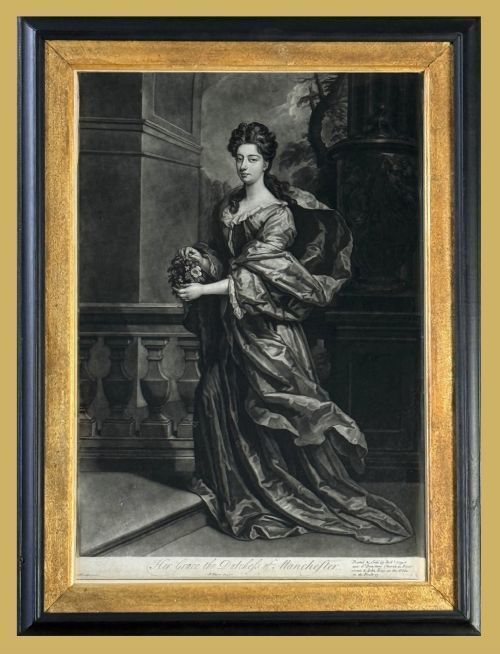
Most examples you meet on this page date from the nineteenth century and the Georgian or Regency eras. These works include hand-coloured engravings, miniature portraits, and topographical scenes mounted in wooden or gilt wood frames.
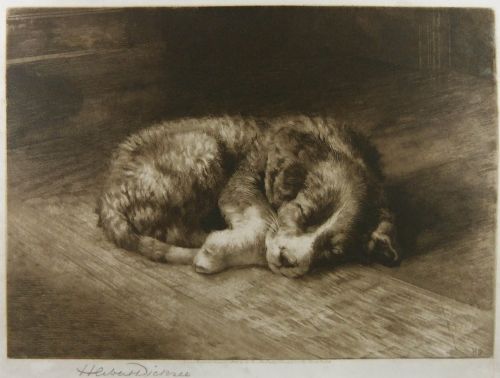
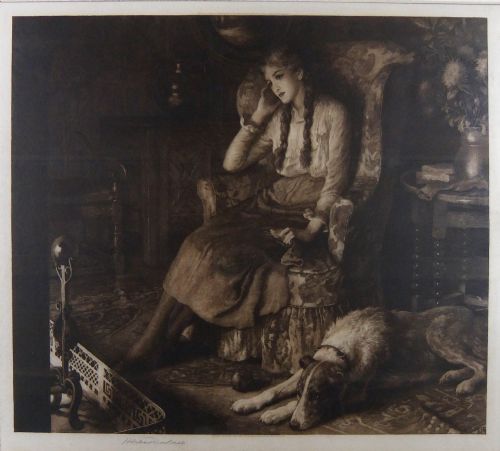
The objects function primarily as wall art, capturing past social activities, canine subjects, and architectural landmarks. They offer a direct link to historical printmaking traditions through original paper and black ink mediums.
How they were made
Maker processes rely on laid paper and fine black ink applied through traditional plate techniques. Many pieces incorporate subsequent hand-colouring with watercolour pigments applied over the printed lines.
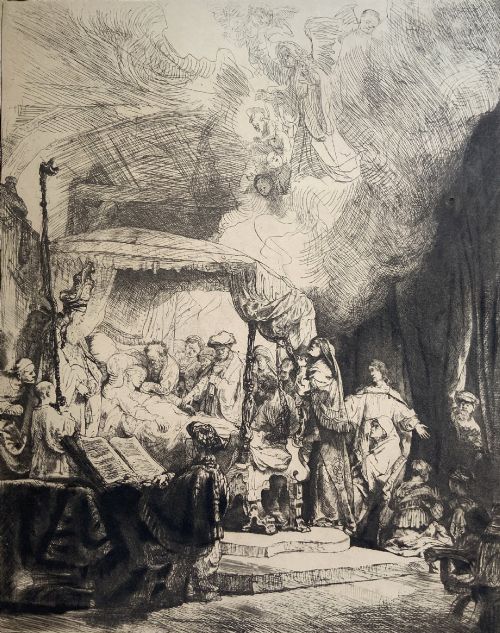
Protective presentation involves wood and gilt wood framing paired with glass to shield the fragile paper surfaces. Master printmakers often worked after paintings by notable artists, transferring canvas compositions onto printed plates.
Retail Price Guide 2026
Typical UK retail prices for framed etching, calculated from the Sellingantiques database of over a million retail prices indexed since 2003. This retail price guide relies exclusively on Sellingantiques data; no external sources or auction records are used, so the figures do not describe the wider market.
Dogs make robust historical companions here, starring as celebrated bull bitches bred by gentlemen alongside classic human portraits.
What varies in quality
Quality differences emerge in the clarity of the ink lines and the precision of the plate impression. Finer examples retain sharp detail in complex compositions, whereas inferior prints show softening or blurred passages from worn plates.
The character of the surrounding frame and the preservation of the original paper significantly influence the overall standard. Hand-applied watercolour details exhibit varying degrees of skill, separating hurried washes from meticulous tinting.
The Framed Etching Glossary
- Etching
- A printmaking method where acid bites lines into a metal plate to hold ink. This technique allows for fluid, expressive lines resembling freehand drawing.
- Engraving
- A process of cutting design lines directly into a metal plate using a sharp tool called a burin. The resulting lines offer distinct precision and clean edges compared to acid-bitten marks.
- Laid paper
- Handmade paper featuring visible parallel wire lines and lighter chain lines formed during manufacture. It provides a textured, durable surface typical of older print editions.
- Hand-coloured
- The practice of applying watercolour by hand to a monochrome print after the impression is pulled. This adds specific hues to clothing, landscapes, or subjects.
Frequently Asked Questions
How should I hang framed antique etching pieces?
Position these works away from direct sunlight to protect the fragile paper and any watercolour pigments from fading over time.
Keep them in rooms with stable humidity levels to prevent warping in the wood frames and damage to the underlying paper.
Are all framed antique etching works one of a kind?
Print runs produce multiple impressions from a single plate, meaning sister prints often exist in other collections. Hand-colouring variations and unique framing choices make individual surviving examples distinct.
How do I identify the age of a framed antique etching?
Examine the characteristics of the paper, such as visible laid lines and watermarks, which point to specific historical production periods. Frame styles and handwritten inscriptions on the margin also offer reliable chronological clues.
What subjects appear in framed antique etching collections?
Common themes include sporting scenes, canine portraits, literary figures, architectural landmarks, and social gatherings from past centuries. These subjects reflect the decorative tastes and cultural interests of Georgian and Victorian buyers.