

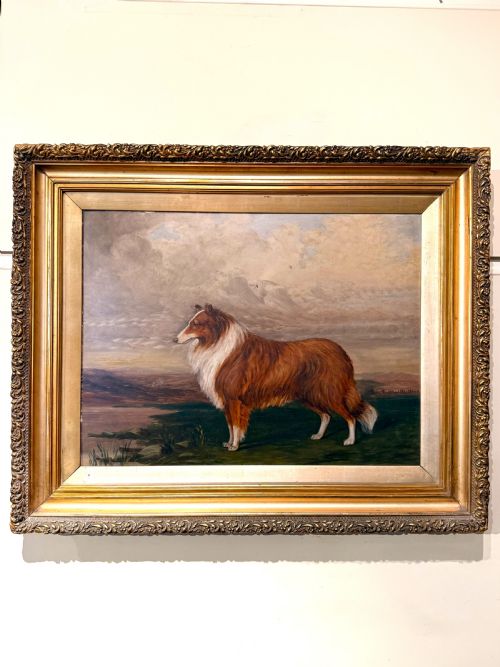

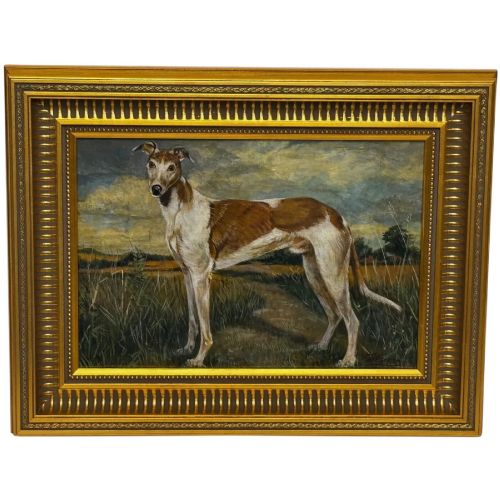
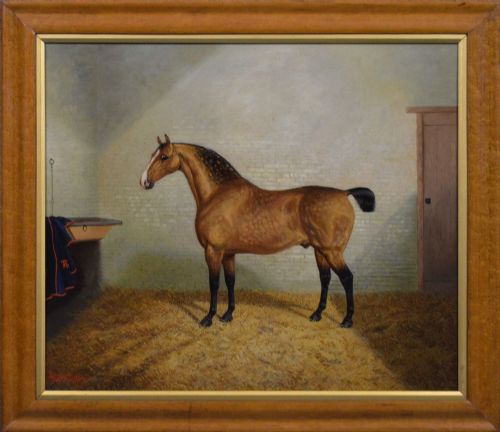
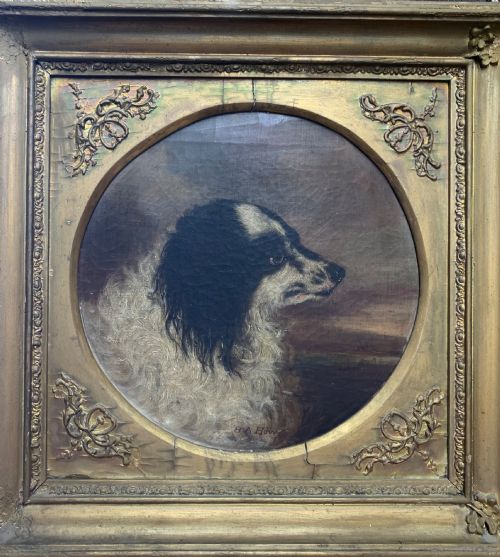
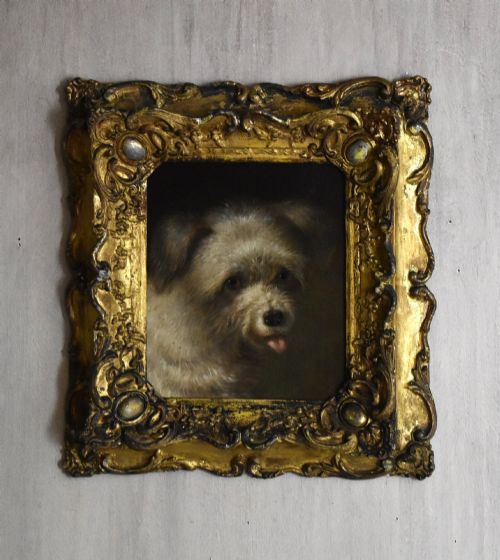
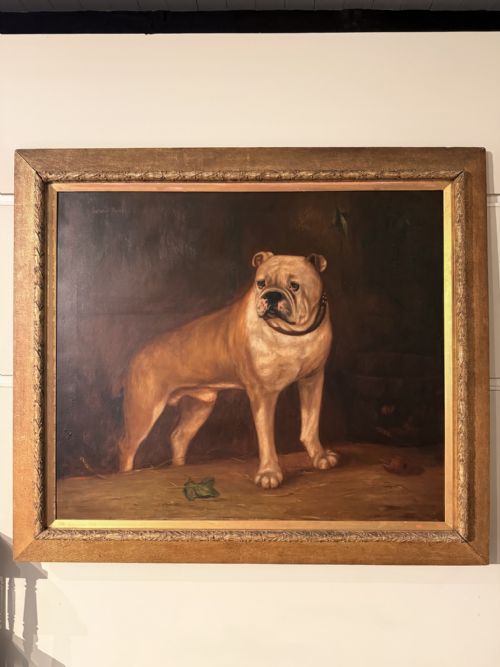
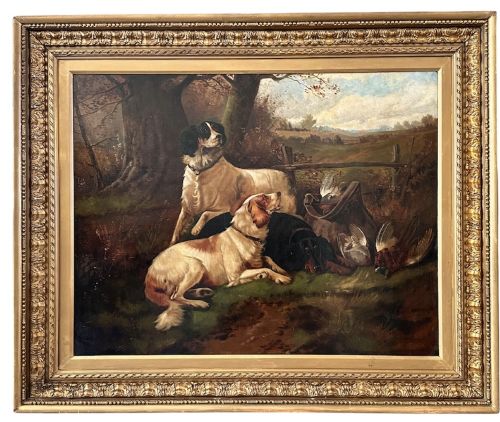
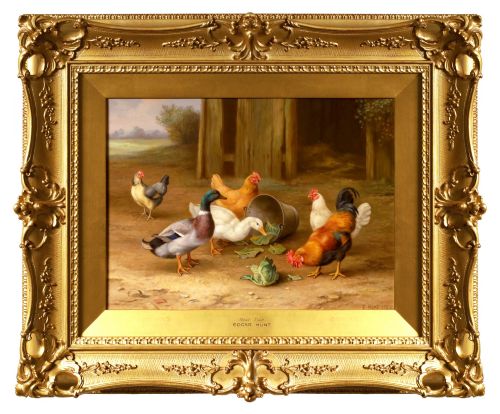
Framed Animal Oil Portrait
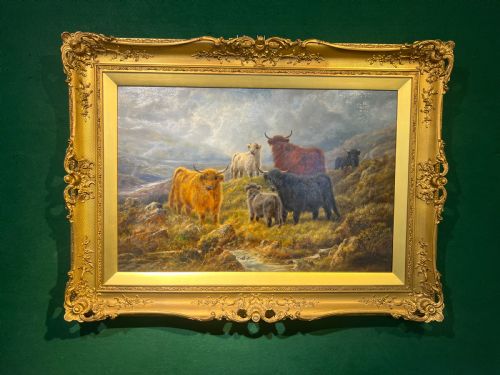
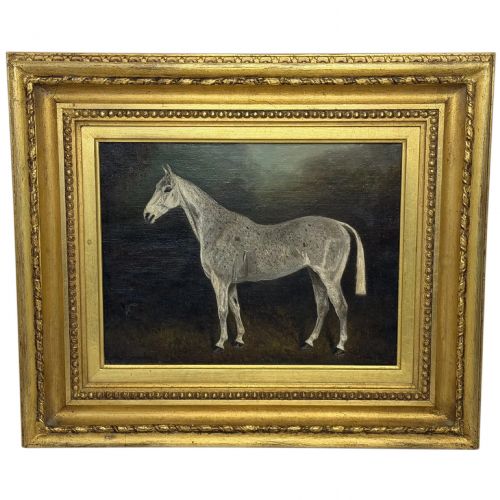
A framed animal oil portrait captures the distinct character of horses, dogs, and livestock through traditional brushwork.
Framed Animal Oil Portrait
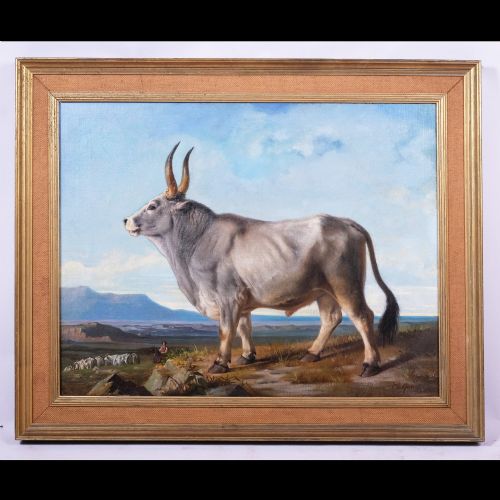
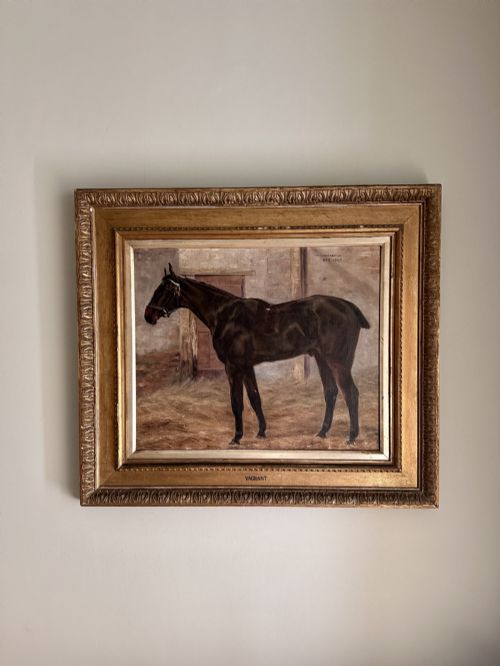
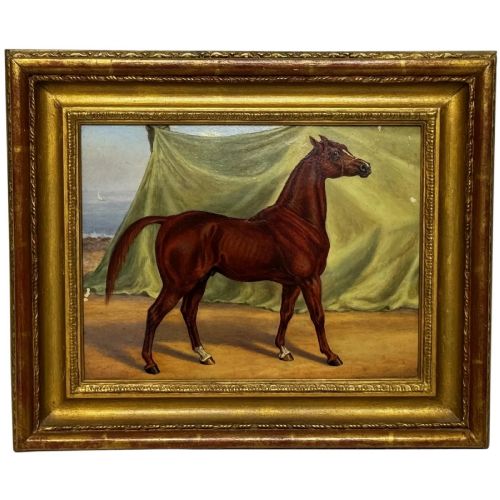
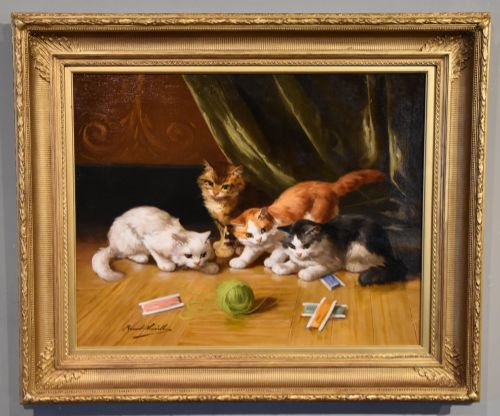
A framed animal oil portrait focuses on individual beasts, from working lurchers and prize shorthorn bulls to domestic cats and horses, rendered with keen observation.
The selection ranges across the nineteenth century into the mid-twentieth century, encompassing British sporting art, Victorian realism, and rural agricultural scenes.
Surviving examples frequently pair oil paint on canvas or board with heavy giltwood frames that complete the traditional presentation.
Materials and technique
Painters applied oil paint directly onto stretched canvas, prepared wooden panels, or board, building up textures in fur, feather, and hide.
Finishing touches often involved gold leaf and intricate moulding applied to wood frames, providing a structured boundary for the canvas.
Several canvases faithfully record the severe expressions of prize-winning bulls and pampered lapdogs who clearly took their modelling duties very seriously indeed.
Distinctions in execution
Superior works demonstrate a precise command of animal anatomy and light, conveying the specific musculature and alert posture of the subject rather than a generic template.
The sophistication of the accompanying giltwood frame and the clarity of the artist's signature or recorded provenance elevate the standing of the piece.
Eugène Verboeckhoven·Albert Clark·Martin Theodore Ward·Edgar Hunt·Robert Watson·Fred Fitzpatrick·Alfred Arthur Brunel de Neuville·David Orr Kerr·John Emms·LM Webb·William Henry Mander·Thomas Sidney Cooper·E H Windred·George Lance·William Barraud·Samuel Raven·Sir Edwin Landseer·Colin Graeme Roe·Valentine Thomas Garland·Agnes Augusta Talboys
The Framed Animal Oil Portrait Glossary
- Giltwood
- Wood carved and coated with gold leaf or metallic paint. This material forms the ornate borders common on traditional oil paintings.
- Canvas
- Heavy woven fabric stretched across a wooden stretcher frame to serve as a painting surface. It provides the primary support for most historical oil portraits.
- Sporting Art
- A genre of painting dedicated to horses, hounds, shooting dogs, and agricultural livestock. These works often document specific animals and rural pursuits.
- Realism
- An artistic movement focused on depicting subjects truthfully without idealisation. In animal portraits, this appears in the accurate rendering of weathered coats and working environments.
Framed Animal Oil Portrait: Frequently Asked Questions
How do I date a framed animal oil portrait?
Dating relies on stylistic clues, framing methods, and the canvas construction. Victorian and Georgian works often carry specific signatures, exhibition labels, or recorded provenance on the reverse.
Clothing styles in human figures within the background or the specific breed characteristics can also narrow down the decades of production.
Where should I hang an oil portrait?
These paintings suit traditional studies, living rooms, or hallways where natural light illuminates the textured brushwork without causing fading. Pairing the gilt frame with neutral wall colours helps the dark tones of the oil paint stand out.
Avoid placing the artwork in areas subject to high humidity or direct sunlight to protect the canvas and wooden frame.
What subjects are most common?
Dogs, horses, and livestock dominate these historical compositions. Terriers, spaniels, prize bulls, and hunting horses reflect the rural and sporting interests of nineteenth-century patrons.
Cats and farmyard birds also appear, capturing domestic life and agricultural scenes from the period.