


Vintage Canine Oil Painting
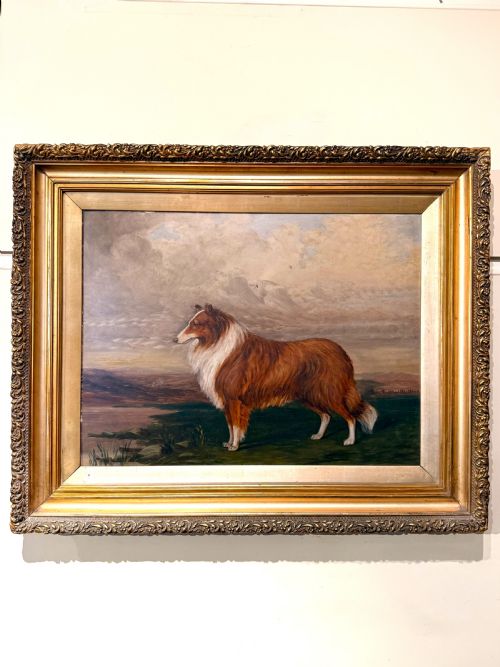
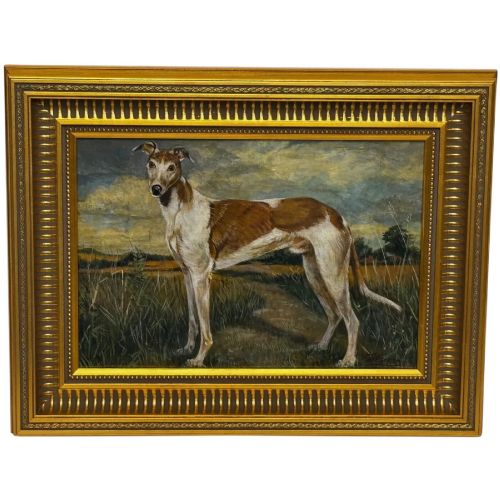
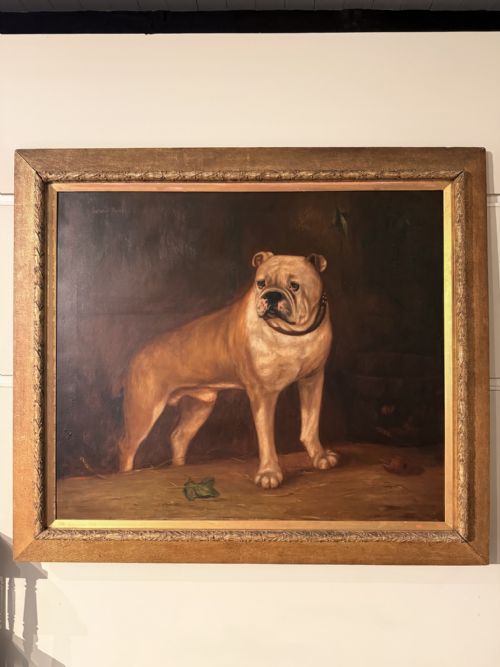
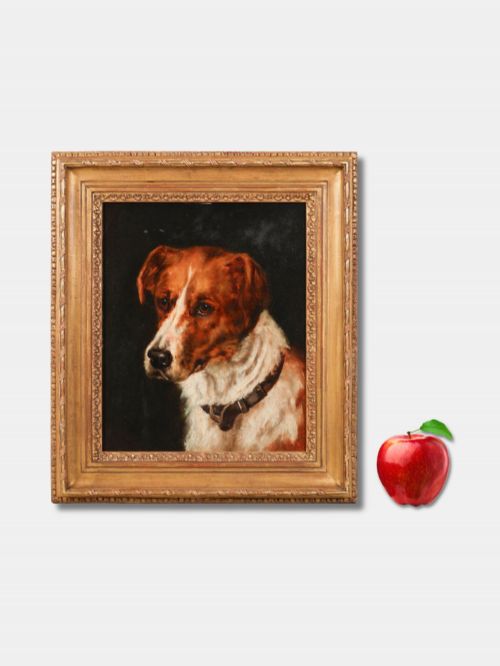
A vintage canine oil painting captures the enduring character of a companion animal through historic brushwork and layered pigments.
Vintage Canine Oil Painting
A vintage canine oil painting presents domestic dogs and sporting hounds rendered through historical painting traditions. These works range from intimate head studies of individual terriers to expansive depictions of working packs in rural landscapes.
The selections span the nineteenth century into the mid-twentieth century, capturing shifts in portraiture from formal Victorian realism to more relaxed twentieth-century compositions. Canvases and wooden panels serve as the primary supports for these canine subjects.
Makers include recognised sporting artists alongside naive and continental school painters who documented specific breeds like collies, spaniels, and spaniels. Each piece reflects the relationship between human and animal during its specific period.
Materials and Techniques
Artists built these works utilising oil paint applied to stretched canvas, wooden panels, or board supports, often finished with protective varnish layers. The pigments capture the texture of fur, the glint in an eye, and the subtle tones of natural landscapes.
Substantial wood frames, frequently highlighted with gold leaf or gilt detailing, enclose many of the pieces and provide structural support as well as period context.
One determined terrier stands guard while a caged rat waits nearby in a tense dramatic standoff.
Evaluating Quality
Anatomical accuracy and the convincing rendering of bone structure under fur distinguish superior animal portraiture from stiffer, formulaic representations. Painters who understood canine movement produced work with vitality and presence.
Brushwork precision in rendering facial expressions and texture determines the success of a composition, separating skilled academic hands from simpler naive school interpretations.
John Emms·John Frederick Herring Senior·William Barraud·Sir Edwin Landseer·George Earl·Florence Mabel Hollams·James Ward
The Vintage Canine Oil Painting Glossary
- Oil on Canvas
- A painting medium where pigments suspended in drying oil are applied to woven fabric stretched across a wooden frame. This combination allows for rich blending and textured brushwork.
- Board
- A rigid flat support made of wood or compressed material used instead of stretched fabric. Painters often favoured this surface for smaller studies and quick sketches.
- Gilt
- A thin layer of gold leaf or gold paint applied to the surface of a wooden frame. This finish adds decorative brilliance and protects the underlying wood.
- Victorian Realism
- An artistic style from the nineteenth century that depicts subjects with strict attention to optical truth and detail. In animal painting, this meant accurate breed characteristics and true-to-life textures.
- Sporting Art
- A genre dedicated to the depiction of hunting, hounds, horses, and field sports. These paintings celebrate rural pursuits and working animals.
Vintage Canine Oil Painting: Frequently Asked Questions
How do I date a dog painting?
Dating relies on the clothing style of any human figures, the frame construction, the type of canvas or board, and the specific breed characteristics shown.
Signatures and biographical dates of the artist provide the most precise chronological markers for these works.
Where should I hang an animal portrait?
These works suit traditional studies, hallways, or living spaces where they can be viewed at eye level. Proper placement avoids direct sunlight to protect the oil pigments and canvas.
Pairing a framed piece with neutral wall colours allows the historic tones of the canine subject to stand out.
What is the difference between naive and academic dog art?
Naive school paintings display a charming disregard for formal perspective and proportion, created by self-taught artists with a direct approach to observation.
Academic works follow strict rules of anatomy, lighting, and composition taught in formal art academies.
How do I care for a vintage oil painting?
Maintenance involves keeping the canvas in a stable environment away from excessive humidity and temperature fluctuations. Dusting should be done gently with a soft, dry brush.
Professional conservators should handle any cleaning of the varnish layer or structural repairs to the canvas.