

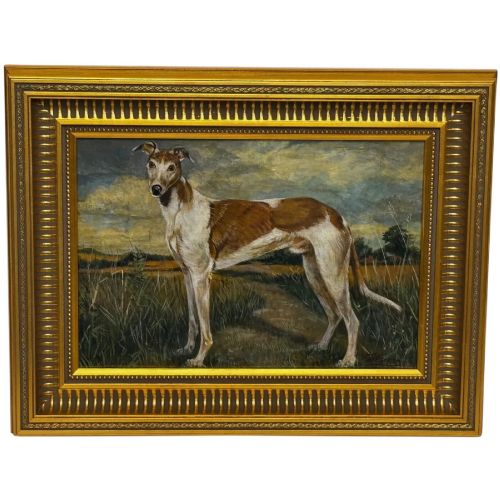
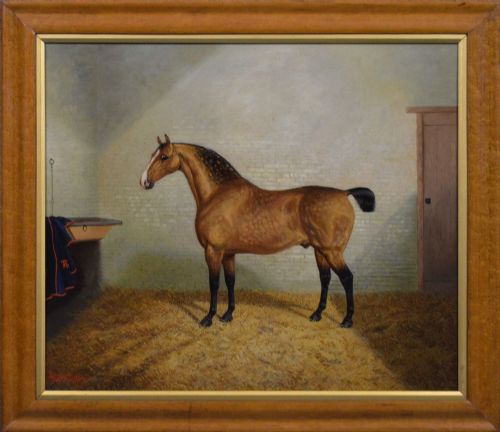
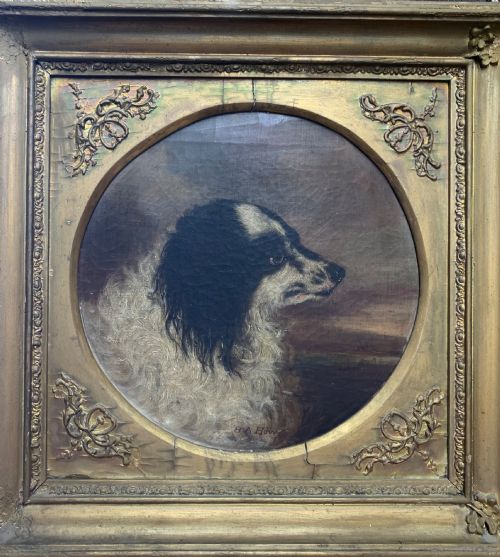
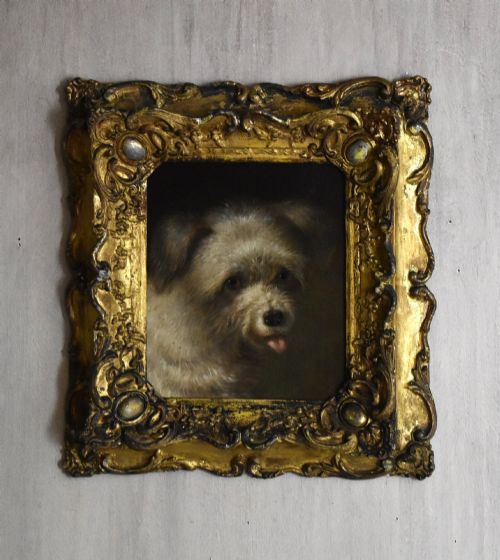
Framed Animal Oil Painting
A framed animal oil painting brings the character of livestock, pets and sporting subjects onto the wall in rich pigment.
Framed Animal Oil Painting
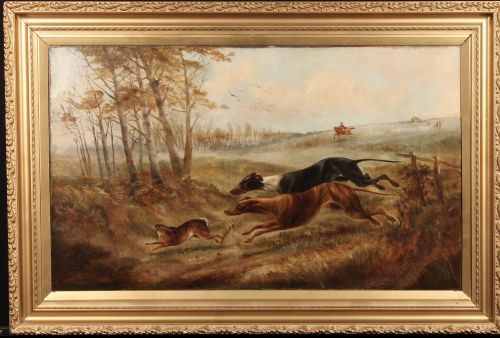
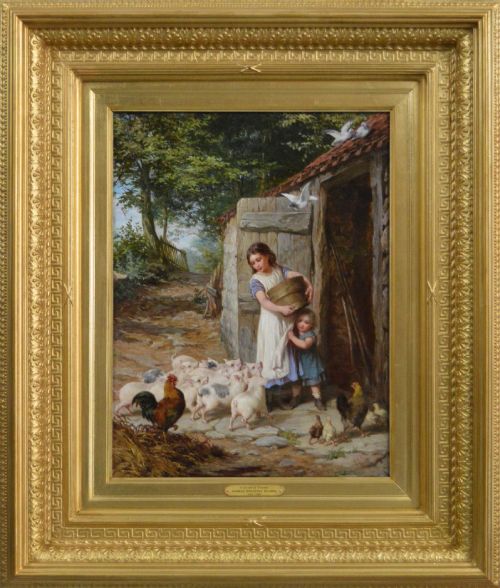
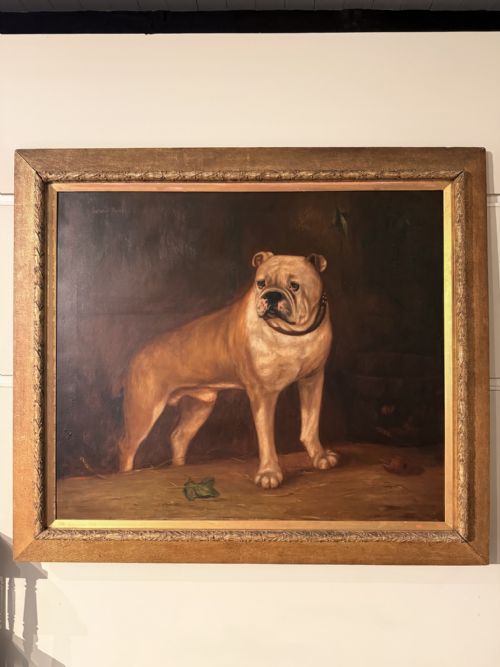
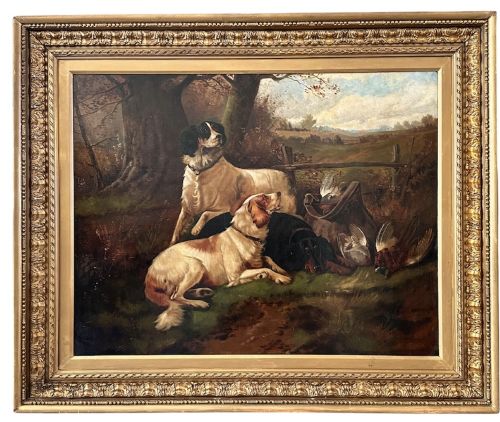
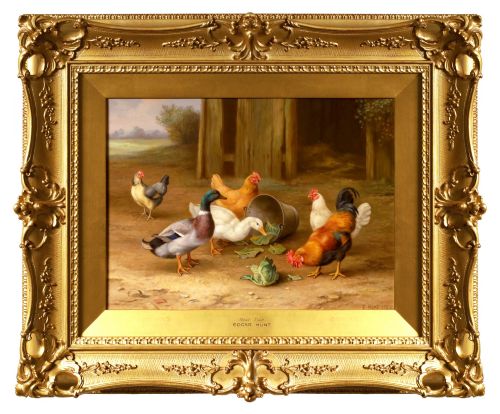
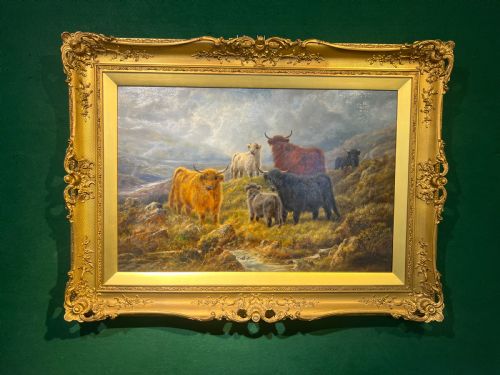
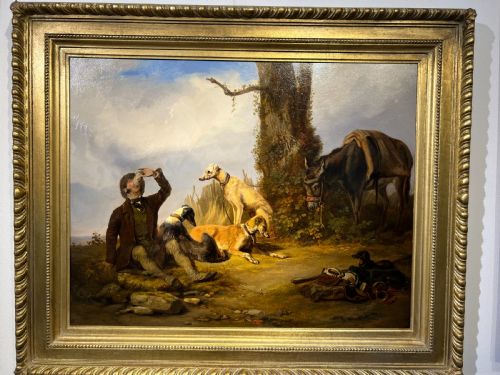
A framed animal oil painting captures domestic beasts, livestock and wildlife across centuries of British and European art. When exploring this selection, buyers encounter everything from intimate dog portraits and farmyard scenes to grand equine studies and Highland cattle landscapes.
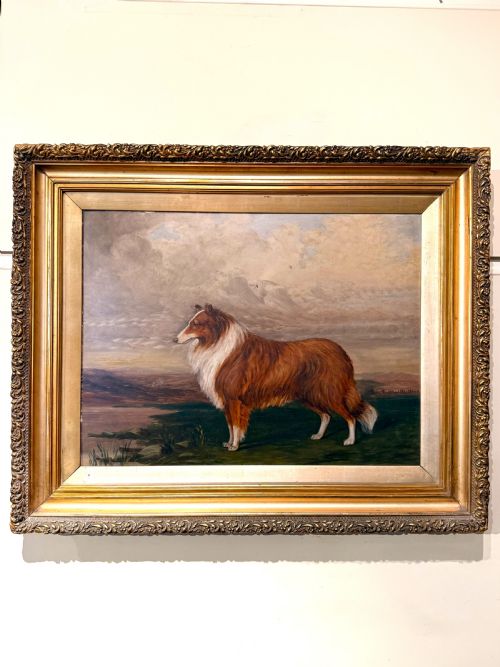
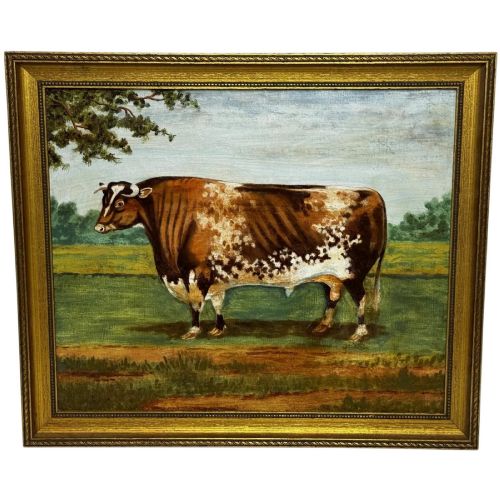
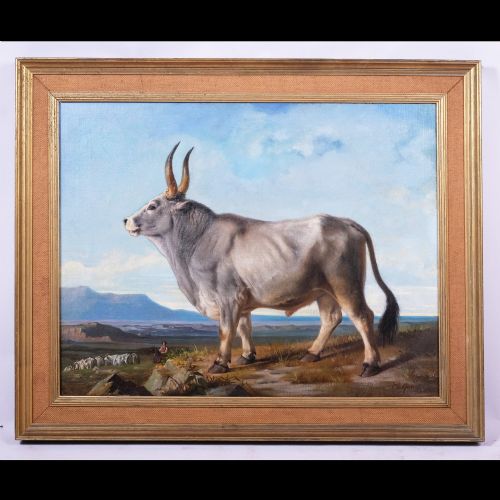
The prevailing examples originate in the nineteenth century, spanning Victorian realism, romanticism and sporting art traditions. Artists focus heavily on individual animals, such as prize bulls, spaniels, terriers and horses, often set within detailed rural or stable backgrounds.
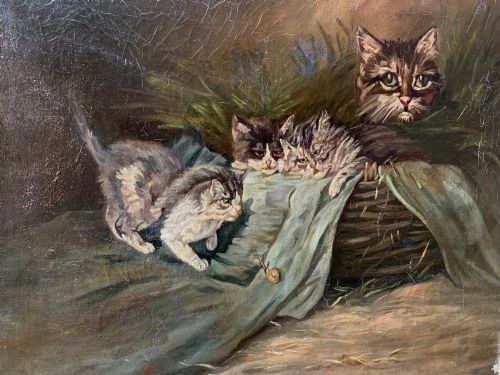
Works range from modest panels depicting kittens or poultry to expansive canvases featuring sheep flocks, stags and hunting dogs. Collectors find pieces attributed to named painters alongside works originating from established continental and British schools.
How They Were Made
Giltwood and gesso frames provide the traditional Victorian housing for these canvases, often featuring ornate moulded details. The physical combination of oil on canvas within a heavy gilded frame defines the standard presentation of period animal art.
Materials in this selection span traditional oil paint on canvas and board, housed within period giltwood and gesso frames dating from the eighteenth to the twentieth century.
What Varies in Quality
The distinction between standard works and finer examples lies in the precision of brushwork and the anatomical accuracy of the subject. Master painters capture the texture of fur, the play of light on a horse's flank and the distinct personality of a dog with striking fidelity.
Composition and provenance elevate certain pieces above routine decorative art. Paintings bearing signatures of accomplished nineteenth-century animaliers, or retaining documentation of their exhibition history, command greater attention from serious collectors.
Eugène Verboeckhoven·Albert Clark·Martin Theodore Ward·George Augustus Holmes·Edgar Hunt·Sir Edwin Henry Landseer·Henry Barraud·Carl Whitfield·Fred Fitzpatrick·William Watson Jnr·Alfred Arthur Brunel de Neuville·David Orr Kerr·Henry Schouten·Claude Cardon·John Emms·LM Webb·Margaret Maitland Howard·Henry Robinson Hall·William Henry Mander·Thomas Sidney Cooper·E H Windred
The Framed Animal Oil Painting Glossary
- Giltwood
- Wood carved and covered with a thin layer of gold leaf. This material forms the ornate borders common on nineteenth-century artwork.
- Gesso
- A plaster mixture applied to wooden frames as a base for moulding and gilding. It allows artisans to shape complex decorative reliefs around the edge of the canvas.
- Equine art
- Depictions specifically centred on horses. This genre encompasses racing portraits, stable scenes and depictions of notable hunters.
- Sporting art
- Paintings recording field sports, hunting dogs and prize livestock. These works often celebrate rural pursuits and valued agricultural breeds.
- Oil on board
- Pigment applied directly to a rigid wooden panel rather than stretched fabric. This support frequently appears in smaller historical animal studies.
Framed Animal Oil Painting: Frequently Asked Questions
How do I date an animal oil painting?
Dating relies heavily on stretcher construction, canvas type, costume details in accompanying figures and the framing style. Victorian and Georgian works often carry specific stylistic markers that distinguish them from later twentieth-century interpretations.
Signatures, dates inscribed on the reverse and historical artists' supply stamps also help narrow the decade of creation. Comparing the subject matter to known periods of sporting and animalier popularity provides further chronological context.
What is sporting animal art?
Sporting animal art specifically depicts horses, hounds, game and livestock associated with country pursuits and rural estates. These works served to record prized possessions, notable hunting dogs and successful agricultural breeds for landowners.
Unlike general domestic animal painting, sporting art places strong emphasis on breed standards, anatomical correctness and the specific traditions of nineteenth-century field sports.
How should I hang a framed oil painting?
Oil paintings require stable wall environments away from direct sunlight, heating vents and dampness. Secure picture hooks rated well above the weight of the heavy giltwood frame ensure safe mounting.
Positioning the artwork at eye level allows the fine brushwork on the canvas to be properly appreciated without straining against natural glare from nearby windows.
Are these paintings signed by the artist?
Many listings feature artist signatures, monograms or contemporary inscriptions on the front or reverse of the canvas. Signed works by documented nineteenth-century painters are frequently recorded alongside pieces from regional British and continental schools.
Unsigned paintings are often attributed to specific periods or schools based on technique, subject matter and the overall construction of the panel and frame.