

Framed Animal Oil Canvas
A framed animal oil canvas captures domestic livestock, working dogs and horses across Victorian and early twentieth-century British and European art.
Framed Animal Oil Canvas
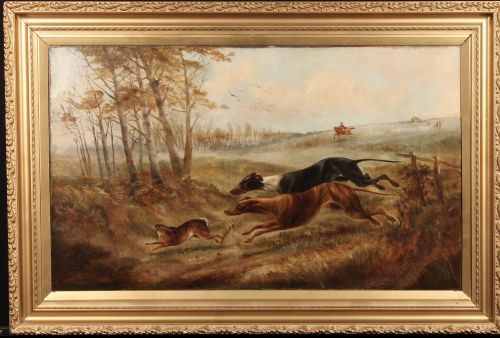
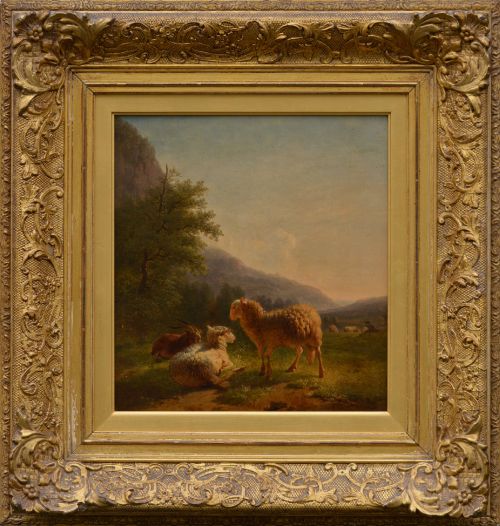
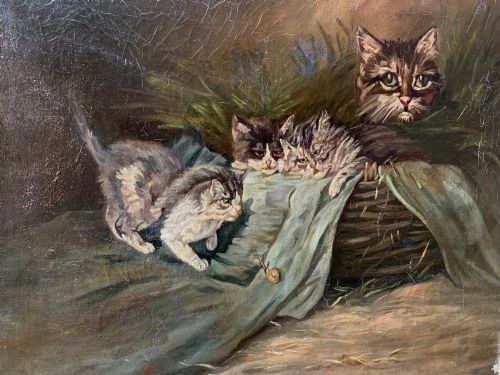
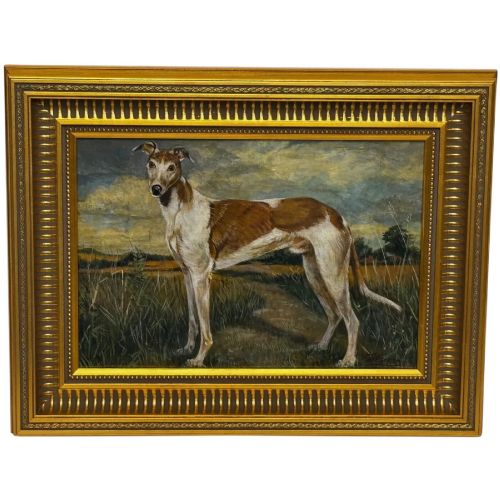
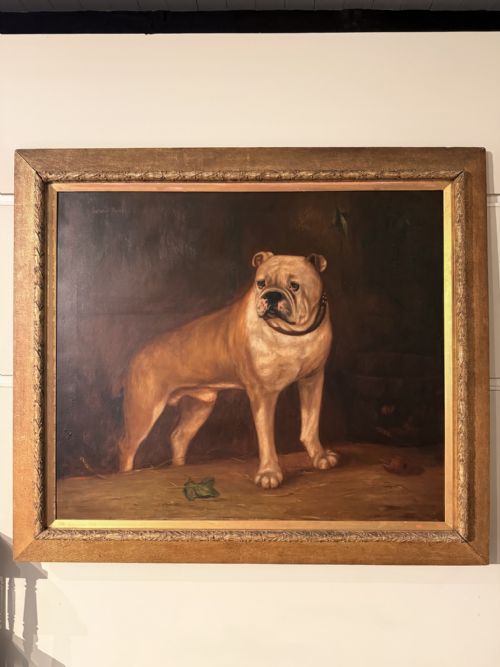
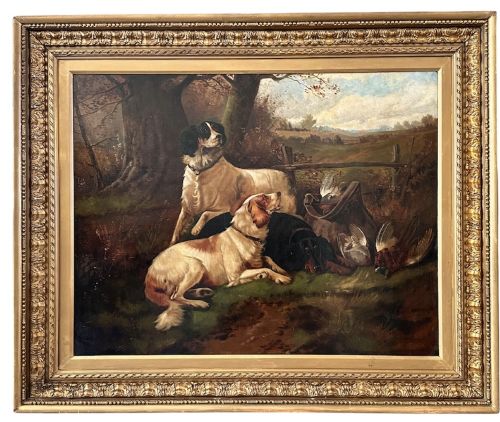
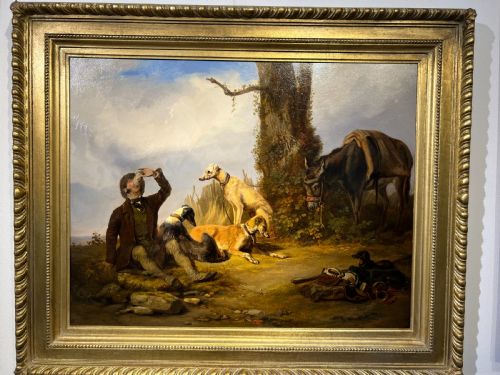
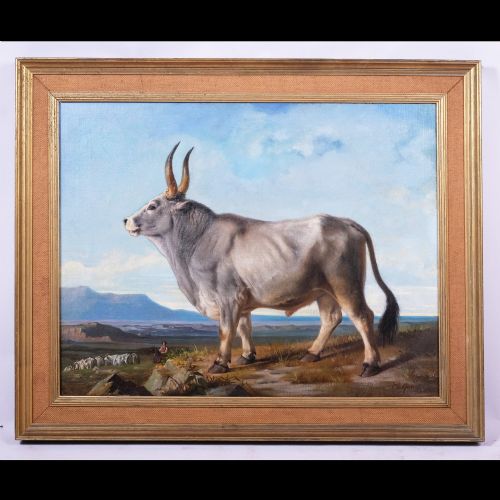
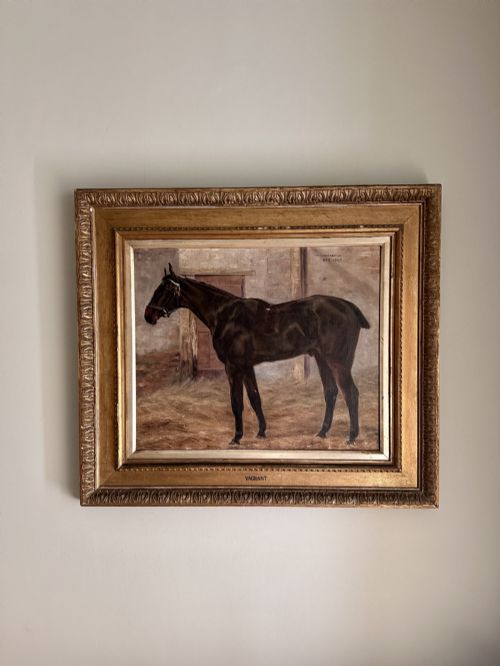
A framed animal oil canvas represents subjects ranging from prized shorthorn bulls and working lurchers to resting sheep flocks and playful kittens. These works span the eighteenth, nineteenth and early twentieth centuries, capturing agrarian life, sporting pursuits and domestic animal portraits.
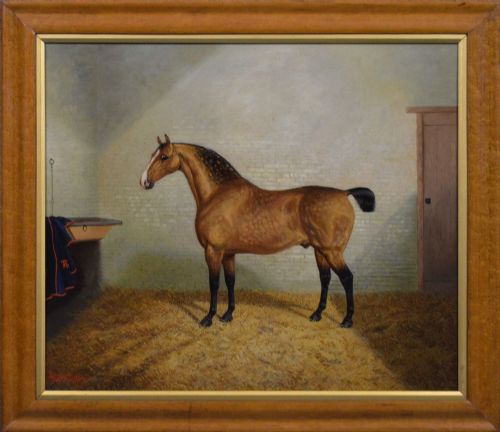
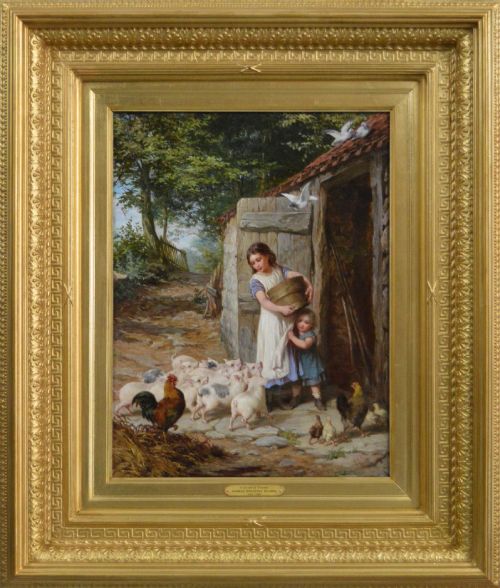
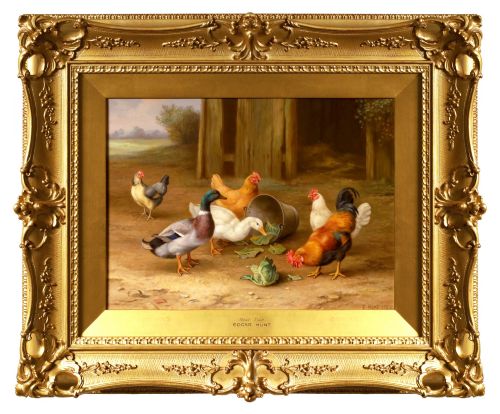
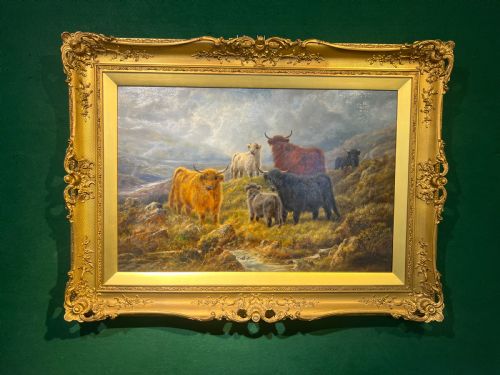
Buyers encounter British and French school compositions most frequently, often attributed to named artists working within Victorian realism or sporting art traditions. The selection includes solitary horse portraits, farmyard scenes with poultry, and cattle resting in Highland landscapes.
The physical presentation relies on period wood and giltwood frames that complement the depth of the oil paint surface. These canvases record historical breeds and rural scenes through the lens of nineteenth-century romanticism and realism.
Materials and Technique
The primary construction combines oil paint applied to stretched woven canvas, mounted within timber frames. Giltwood, gold leaf and plain wood mouldings provide the structural housing for the painted surfaces.
Artists built depth through layered oil pigments, capturing the texture of animal coats, feathers and landscape backgrounds. Canvas supports were prepared with grounds before brushwork established the final portraiture or genre scene.
Listings feature oil on canvas supports housed in wood, gilt, and giltwood frames across nineteenth-century and early twentieth-century periods.
Judging Quality and Execution
Quality rests upon the artist's anatomical accuracy in rendering skeletal structure, muscle tone and fur texture. Superior examples demonstrate skilled handling of light across the subject and a convincing sense of space within the landscape or interior background.
The integrity of the original canvas support and the preservation of the pigment layers influence the overall standard. Frame craftsmanship also matters, with period giltwood mouldings enhancing the presentation of nineteenth-century fine art paintings.
George Armfield·Eugène Verboeckhoven·Albert Clark·Edgar Hunt·Sir Edwin Henry Landseer
The Framed Animal Oil Canvas Glossary
- Oil on Canvas
- Pigment mixed with drying oil applied to a woven fabric stretched across a wooden frame. This medium allowed artists to build rich textures and subtle tonal gradations in animal portraits.
- Giltwood
- Wood carved and coated with a thin layer of gold leaf or metallic paint. Antique frames utilising this technique provide a reflective border that separates the painted scene from the wall.
- Sporting Art
- Genre of painting depicting field sports, horses, dogs and rural pursuits. These works document prized livestock and working animals with specific attention to breed characteristics.
- Victorian Realism
- Artistic movement focusing on everyday subjects rendered with high fidelity to visual appearance. Works in this style record farm animals and domestic pets with descriptive precision.
Framed Animal Oil Canvas: Frequently Asked Questions
What periods do these paintings date from?
The pieces span from the eighteenth century through the nineteenth century and into the early twentieth century. Victorian works and 1900s productions form the majority of the available selection.
Earlier examples include Regency and eighteenth-century compositions, while later pieces extend into the nineteen-twenties and thirties.
Which animal subjects appear most often?
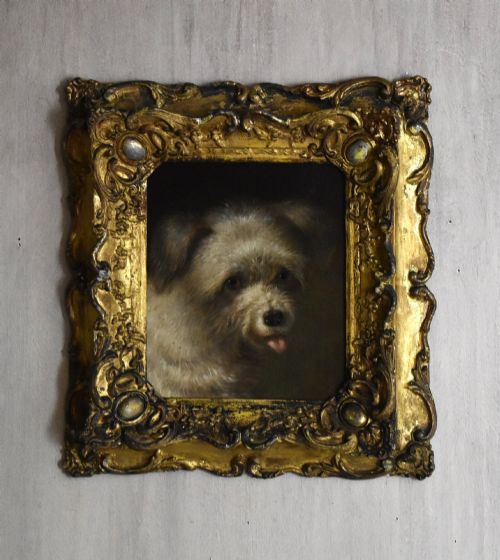
Horses, dogs, cattle and sheep dominate the subject matter across the selection. Portraits of individual working dogs and prize-winning livestock sit alongside multi-species farmyard scenes.
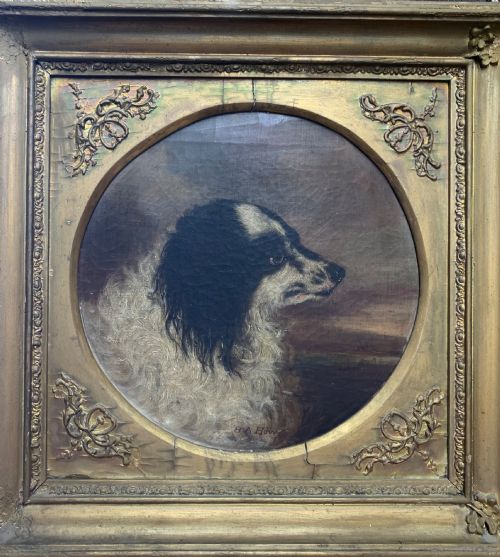
Views feature lurchers, spaniels, collies, st bernards, shorthorn bulls, draught horses and Highland cattle in pastoral landscapes.
Are the frames original to the canvases?
Many works retain period wooden or giltwood frames that date alongside the painting. These surrounds often feature moulded ornamentation typical of nineteenth-century framing workshops.
Buyers should examine the fit and ageing of the wood to understand the relationship between the canvas and its housing.
How do I identify the school of painting?
Signatures, subject matter and stylistic conventions point towards specific regional schools such as British or French traditions. Sporting art and rural genre scenes carry distinct compositional markers established by nineteenth-century practitioners.
Attributions often reference contemporary artist registries and exhibition records from the period.