

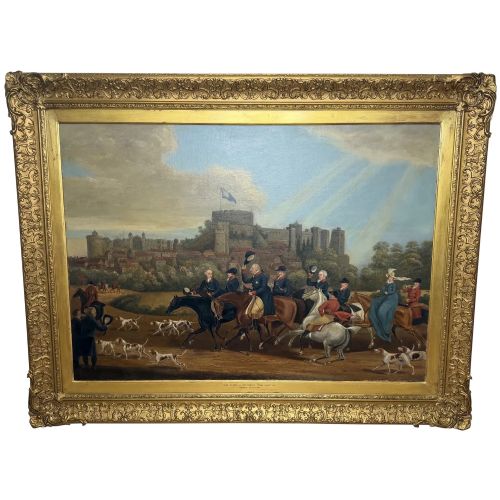
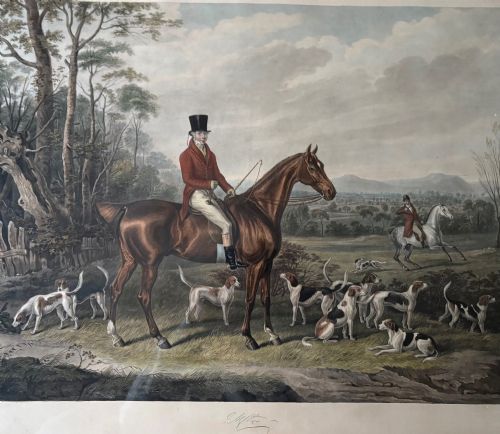


Fox Hunting Artwork
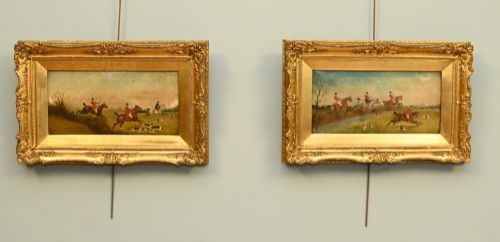
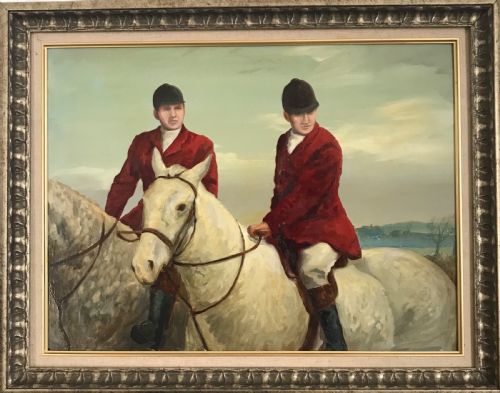
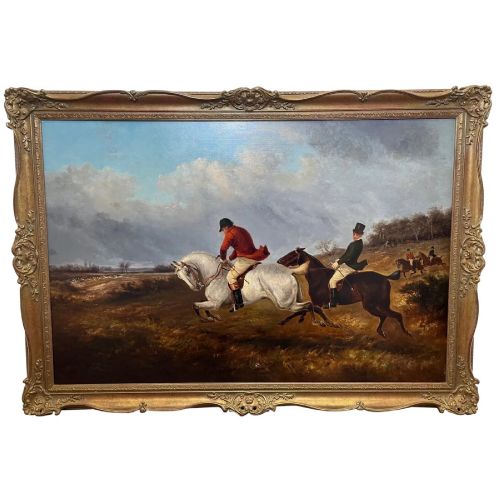
Fox hunting artwork brings the thunder of hooves and the chase into the room through Victorian oils and early watercolours.
Fox Hunting Artwork
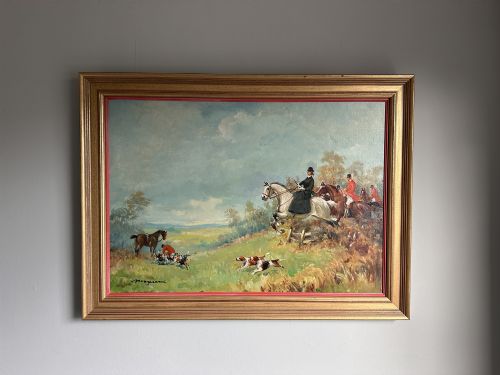
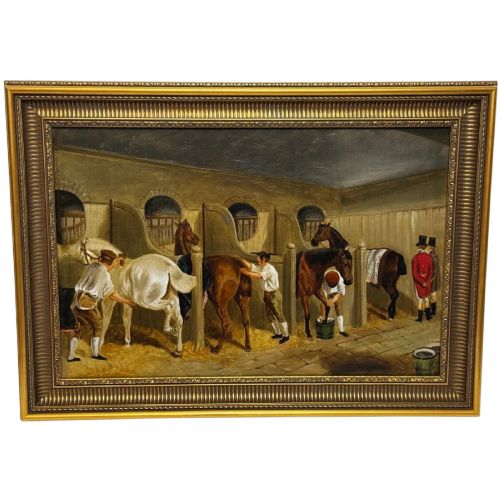
When someone searches for fox hunting artwork, they encounter centuries of sporting tradition captured across oil on canvas, watercolours, and hand-coloured engravings. These pieces record hounds in full cry, mounted huntsmen crossing country, and stable portraits from the Georgian, Victorian, and Edwardian eras.
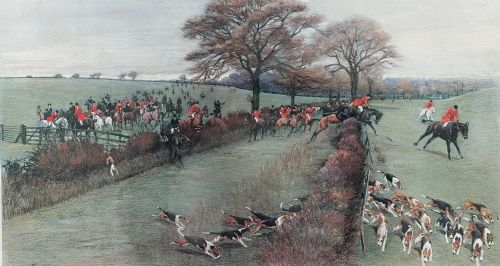
The most common examples on this page are nineteenth-century oil paintings and framed prints depicting famous packs like the Quorn, Belvoir, and Berkeley hunts. Alongside canvases, buyers find works on paper, pencil and chalk drawings, and original prints by notable sporting artists.
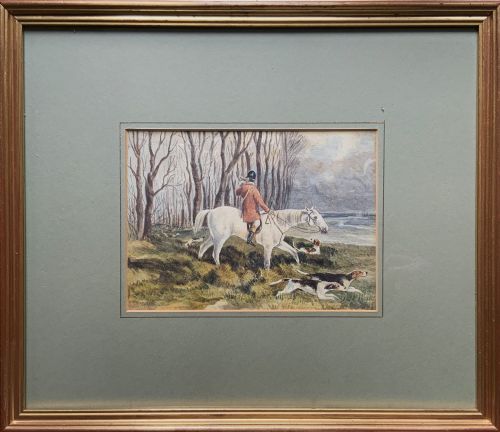
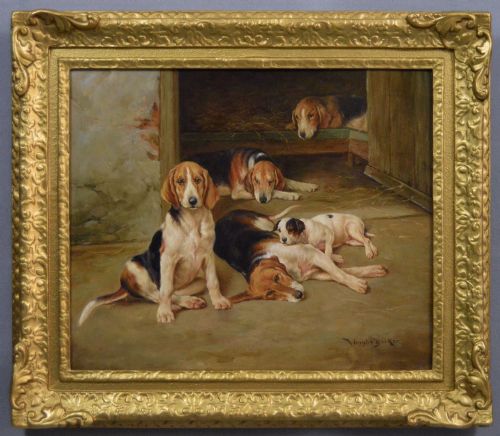
Subjects range from expansive landscape scenes with grey and chestnut horses to intimate portrayals of hunting dogs and hounds in winter snow. The selection spans straightforward topographical hunts to characterful works by named practitioners of equestrian art.
How they were made
Artists working in this genre relied primarily on oil on canvas, oil on wood, or watercolour and gouache on paper to render the dynamic movement of horses and hounds. Canvases are frequently housed in period gilt wood frames that complement the rich tones of the hunting pinks and rural landscapes.
Works on paper encompass aquatints, pencil and chalk drawings, and hand-coloured engravings that required skilled printing and delicate tinting by hand. Original prints by artists such as Snaffles often incorporate printed elements alongside hand-colouring or unique marginal remarques.
Fox Hunting Artwork Retail Price Guide 2026
Typical asking prices for fox hunting artwork among the pieces listed under this phrase on Sellingantiques today, from the lower quarter to the upper quarter. They describe what is for sale here now, not the wider market.
Listings feature works spanning the Georgian, Victorian, Edwardian, and mid-twentieth-century periods in oil, watercolour, and print.
What varies in quality
Quality in these works rests upon the artist's anatomical accuracy in depicting horses in motion and the expressive handling of hounds and riders. Master practitioners like Thomas Smythe or George Goodwin Kilburne capture the tension of the chase and the individuality of the animals with a vitality that lesser hands miss.
The preservation of the paint surface or paper, the crispness of the original engraving lines, and the appropriateness of the framing all contribute to the standing of an individual piece. Works that retain their original gilt frames and clear artist signatures command greater attention from collectors of British sporting art.
Thomas Smythe·John Arthur Lomax·Basil Nightingale·Philip Henry Rideout·George Armfield·Michael Lyne·Charles Faulkner·Fannie Moody·John Frederick Herring Jnr·John Sanderson-Wells·Charles Clifford Turner·Charles Johnson Payne Snaffles·Guillaume Urban Régamey·George Goodwin Kilburne·William J Hodgson·H. Alken
The Fox Hunting Artwork Glossary
- Full Cry
- The point in a hunt when the pack of hounds has found the scent and gives tongue collectively while pursuing the quarry at speed. In artwork, this moment is depicted with maximum energy and forward motion.
- The Meet
- The initial gathering of huntsmen, hounds, and followers before setting off into the field. Painters often use this subject to arrange static portraits of horses, riders, and dogs in a pastoral setting.
- Aquatint
- A variant of etched printmaking that produces areas of tone resembling watercolours or wash drawings. It was widely utilised in the nineteenth century for reproducing sporting prints.
- Gilt Wood
- Timber framing coated in a thin layer of gold leaf or gold paint. Period frames of this type are characteristic of nineteenth-century oil paintings.
- Hunting Pink
- The traditional bright red coat worn by huntsmen and members of the hunt. The term derives from a famous tailor named Pink or simply describes the distinctive scarlet cloth.
Fox Hunting Artwork: Frequently Asked Questions
How do I identify a genuine nineteenth-century hunting painting?
Examine the canvas construction, stretcher bars, and the ageing of the oil paint layer under natural light. Nineteenth-century works often feature hand-written inscriptions on the reverse and framing materials consistent with the period.
The style of dress, saddlery, and the specific breed characteristics of the horses and hounds also provide clear chronological markers for dating the artwork accurately.
What is the difference between an original oil and a framed print?
An original oil painting is a unique, hand-painted work created directly on canvas or wood panel by the artist using brushwork and layered pigments. Brush texture and impasto are typically visible upon close inspection.
Framed prints and engravings are mechanical reproductions or print-based multiples, sometimes hand-coloured afterwards, designed to make popular sporting subjects accessible to a wider audience.
Who was Snaffles?
Snaffles was the pseudonym of Charles Johnson Payne, a celebrated early twentieth-century British sporting artist known for his characterful watercolours and prints of military and hunting life. His works often feature witty captions and distinctive hand-tinted details.
Original prints and watercolours by this artist are highly sought after by collectors for their humorous observation and technical skill.
How should I care for antique works on paper?
Watercolours, drawings, and prints require protection from direct sunlight and high humidity to prevent fading of the pigments and foxing on the paper. Displaying them away from heat sources preserves both the paper and the surrounding mount.
Ensure framing uses acid-free materials and UV-filtering glass to maintain the condition of the artwork over the long term.