

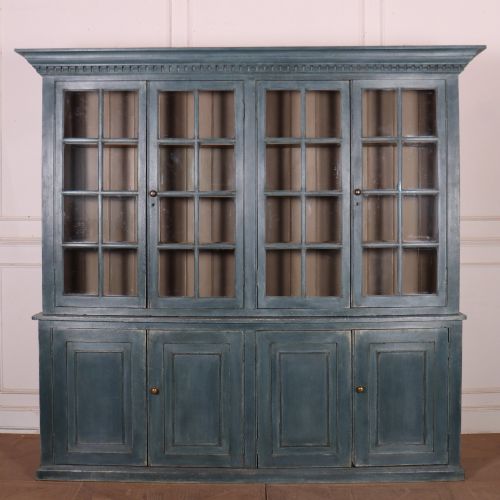
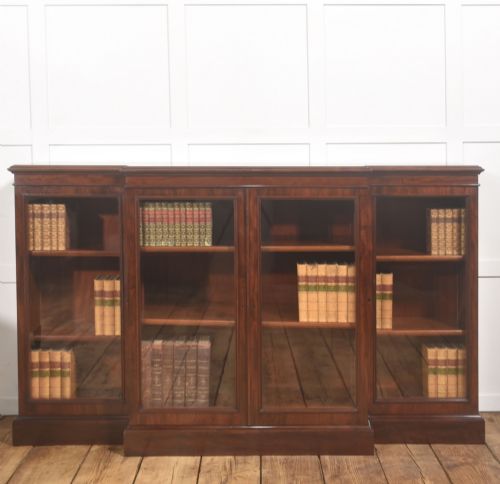
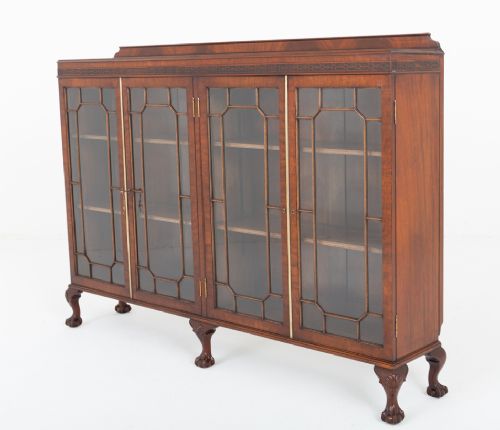
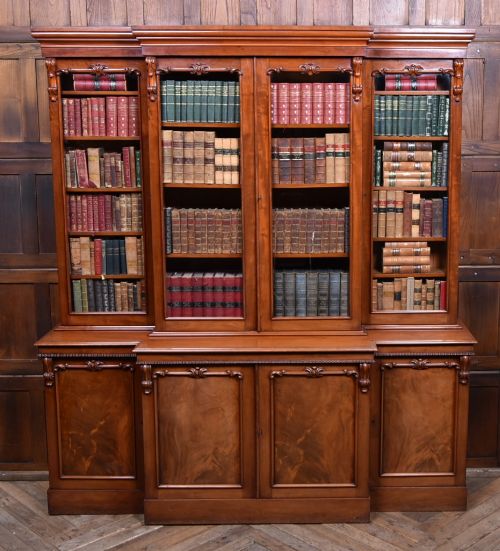


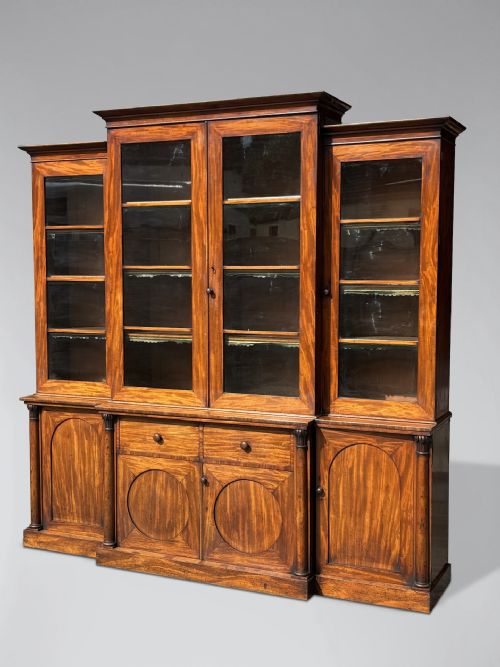

Four Door Glazed Bookcase
A four door glazed bookcase commands a room, housing large libraries behind timber-framed glass.
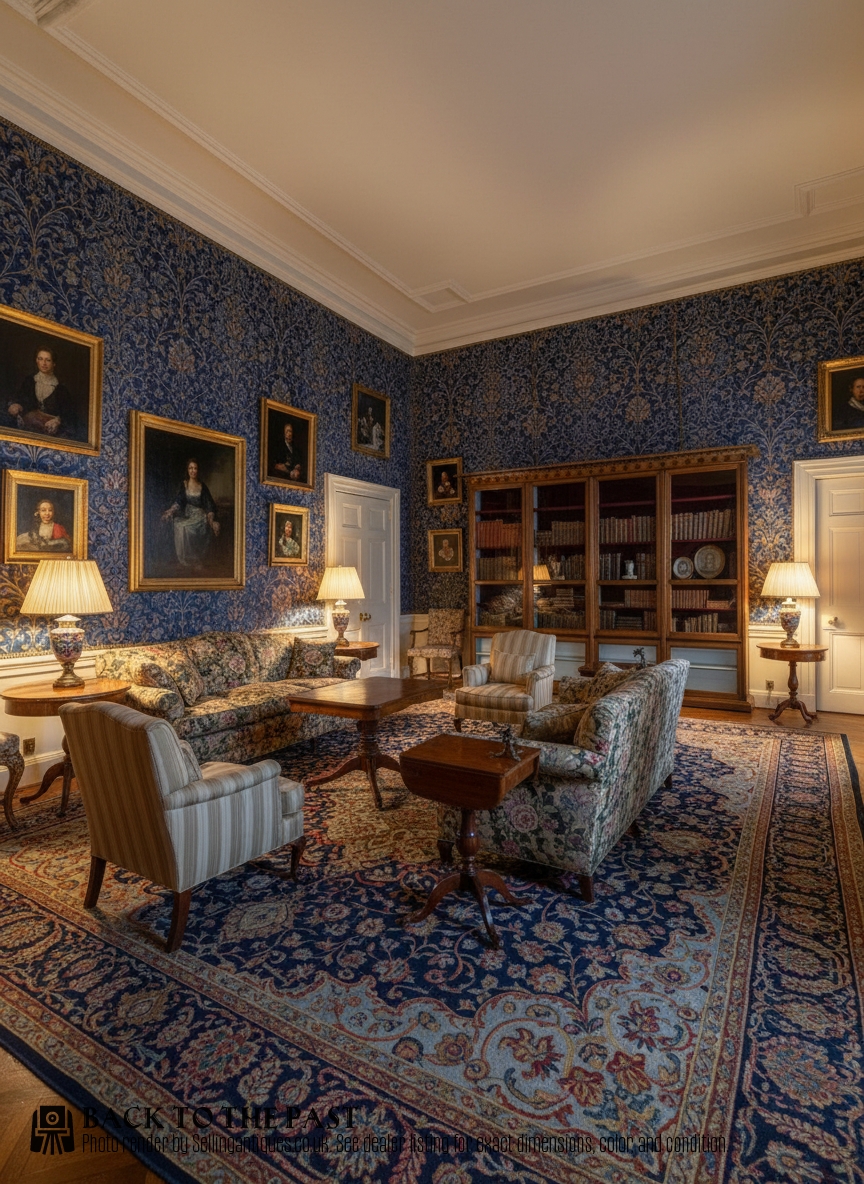
Four Door Glazed Bookcase
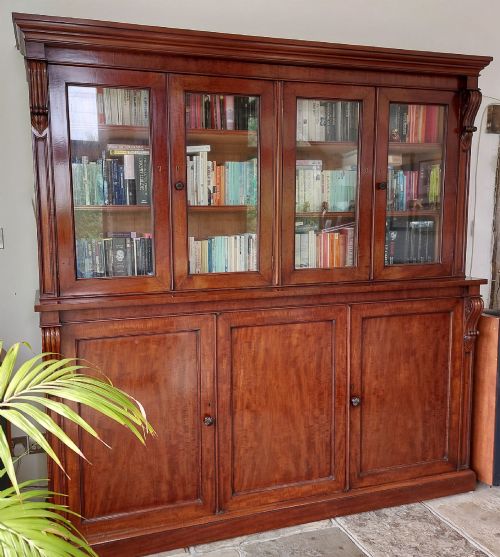
A four door glazed bookcase is a substantial piece of furniture designed to protect and display extensive private libraries. When you search for a four door glazed bookcase, you encounter large timber cabinets spanning the nineteenth century alongside Edwardian and later interpretations.
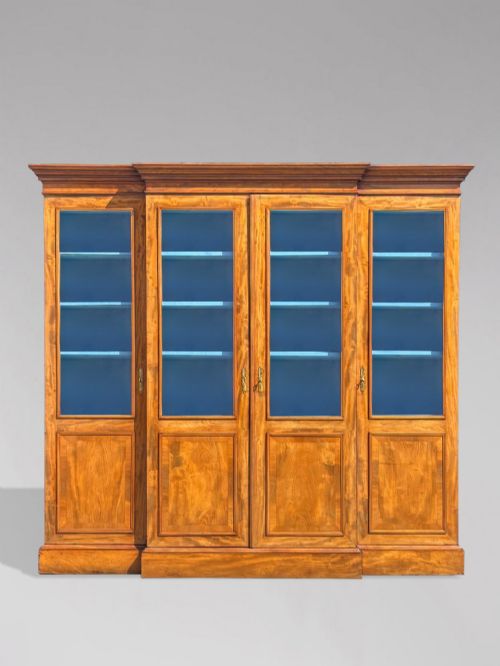
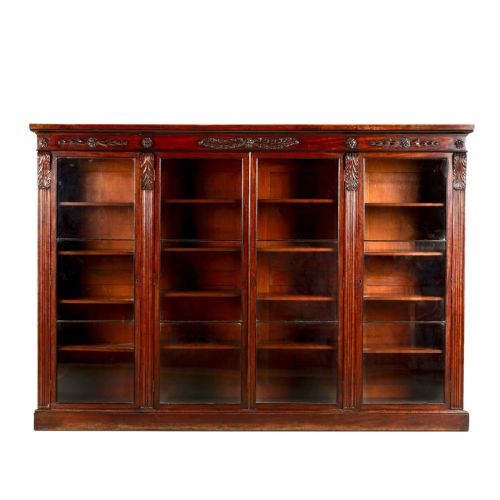
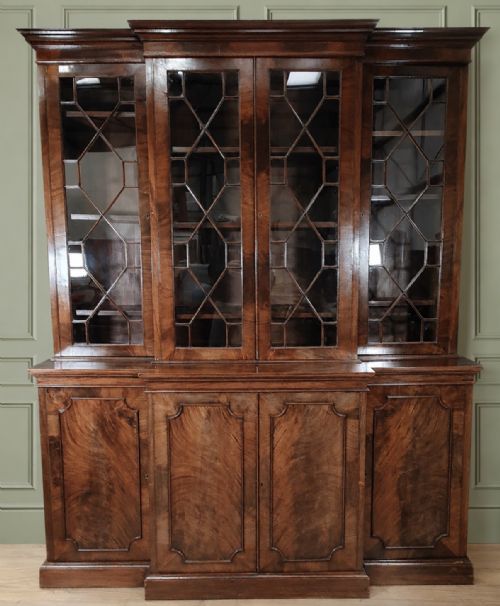
The prevailing format on this page is the breakfront mahogany bookcase, where the central section projects forward from flanking wings. Pieces range from austere early nineteenth-century country house Gothic designs to heavily carved Victorian library cabinets and refined Regency examples.
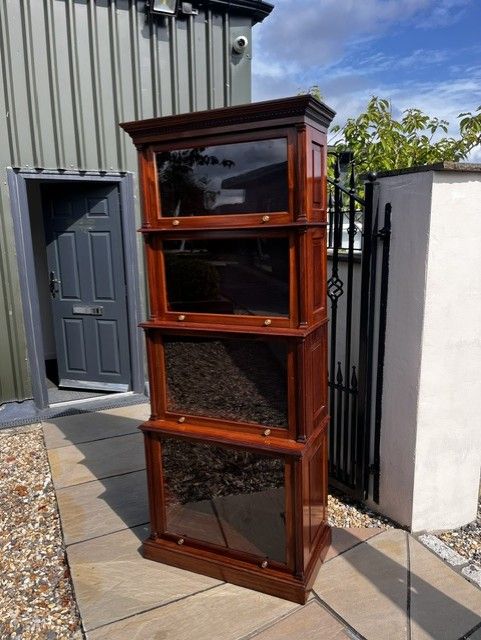
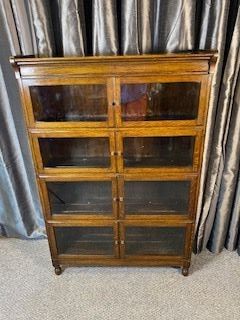
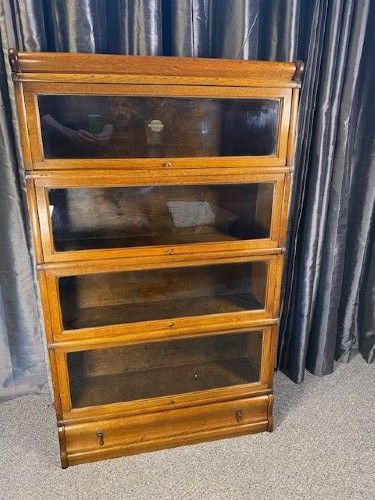
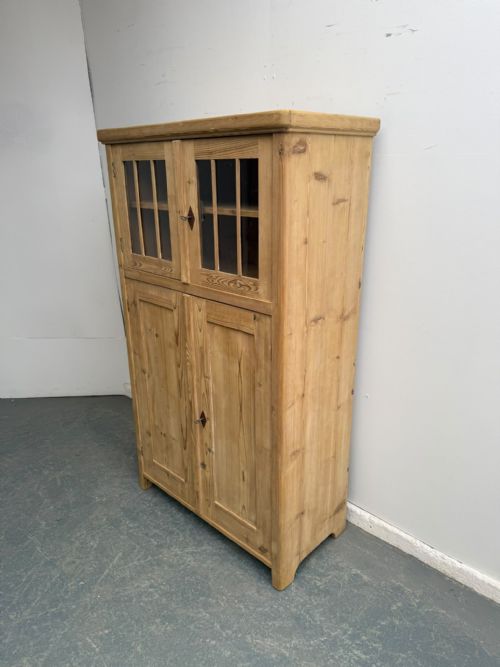
Alternative forms include French walnut armoire-style bookcases, stacked sectional lawyer cabinets in golden oak, and painted pine storage cupboards. Most surviving examples rely on mahogany or oak carcasing fitted with glazed upper doors and lower wooden panels.
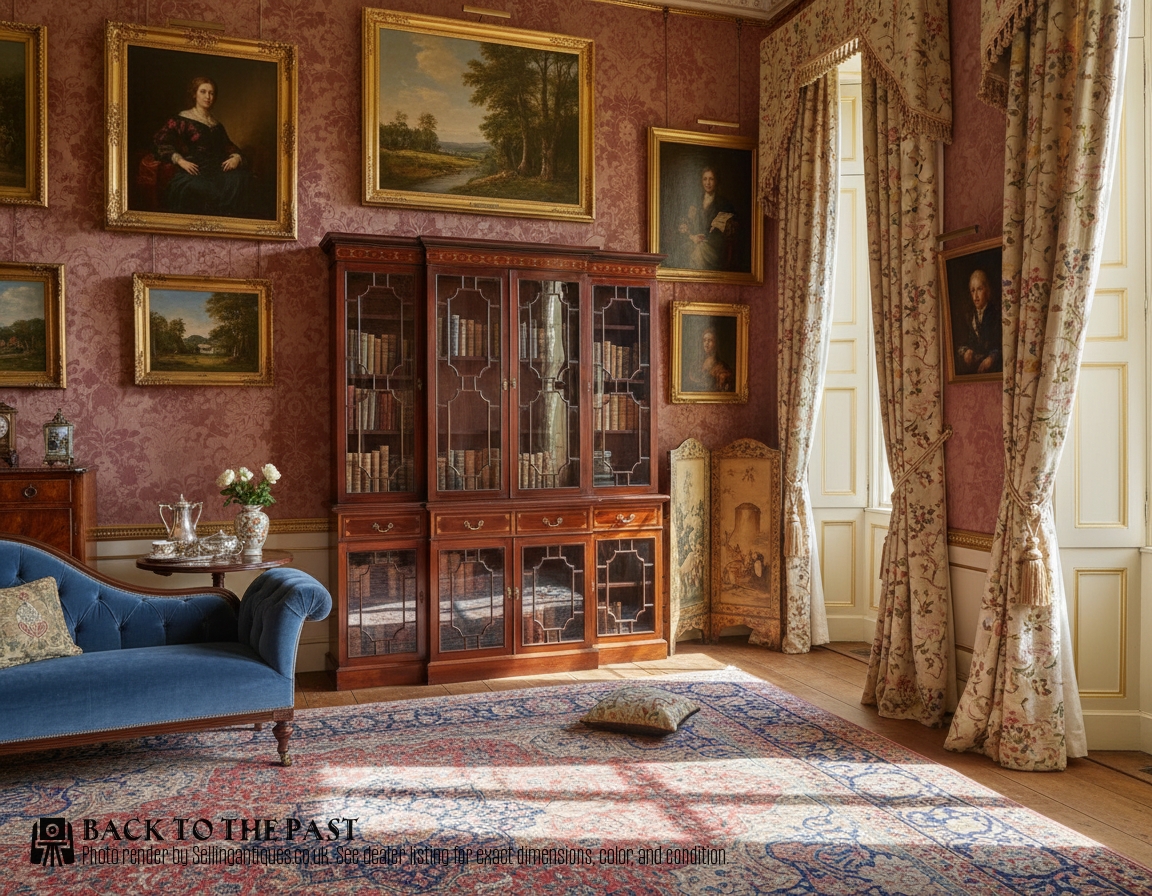
Materials and Construction
Cabinet makers built these large bookcases using dense hardwoods like mahogany, walnut, and oak, often selecting figured veneers and flame mahogany for the primary display surfaces. Carcasing interiors commonly utilise secondary timbers such as pine or oak for shelving and drawer linings.
Glass panels are held within wooden frames using putty or timber glazing bars, frequently arranged in astragal patterns to divide the large openings. Brass hardware secures the doors, while hand-carved ornamentation and inlaid banding define the stylistic periods from Regency through to the Edwardian era.
Four Door Glazed Bookcase Retail Price Guide 2026
Typical asking prices for four door glazed bookcase among the pieces listed under this phrase on Sellingantiques today, from the lower quarter to the upper quarter. They describe what is for sale here now, not the wider market.
The listings on this page span the eighteenth, nineteenth, and twentieth centuries, featuring mahogany, oak, walnut, and pine.
Assessing Quality and Execution
The distinction between standard cabinet work and exceptional craftsmanship lies in the selection of timber and the precision of the joinery. Superior pieces display book-matched flame mahogany veneers or intricate Tunbridgeware inlay that demonstrates superior workshop skill.
Proportion and carving depth separate ordinary production from exhibition quality furniture. Fine examples maintain balanced architectural proportions across their breakfront facades, complemented by crisp, hand-carved mouldings rather than cast plaster ornamentation.
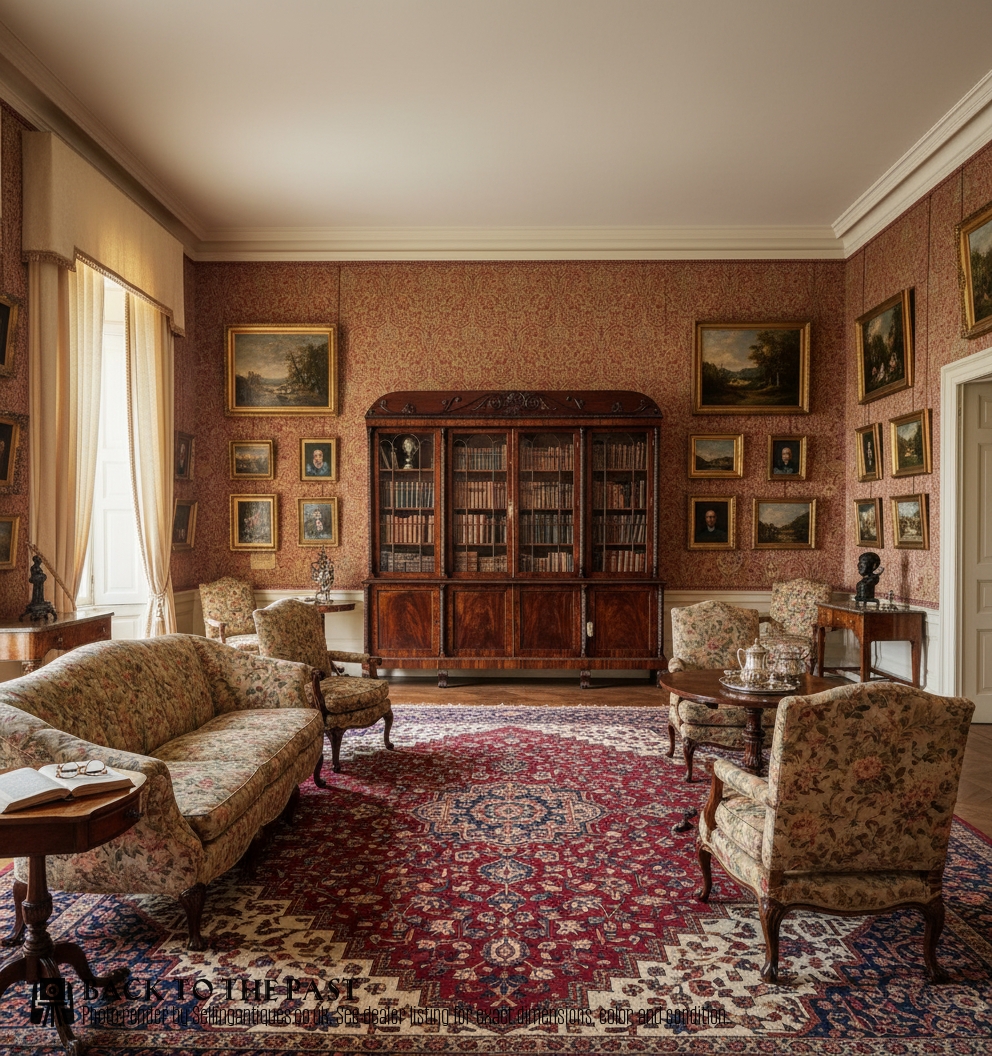
Lamb and Co·Globe Wernicke·Gunn
The Four Door Glazed Bookcase Glossary
- Breakfront
- A cabinet design where the central section projects forward from the recessed left and right wings. This architectural arrangement creates depth and shadow across large library furniture.
- Astragal
- A narrow moulding used to hold glass panes within a door frame, dividing the glazed area into smaller lights. These bars can form simple geometric grids or elaborate gothic arches.
- Flame mahogany
- A veneer harvested from the fork of the mahogany tree where branches join the trunk, producing a rippling, flame-like pattern. It was favoured by master cabinet makers for principal door panels.
- Sectional bookcase
- A modular library system composed of stackable glazed units that can be separated or rearranged. Popularised by makers like Globe Wernicke and Gunn during the early twentieth century.
- Dwarf bookcase
- A low library cabinet designed to sit beneath dado height, keeping books within easy reach without dominating the wall space. These pieces retain glazed doors to protect volumes.
Four Door Glazed Bookcase: Frequently Asked Questions
How do I date a four door glazed bookcase?
Dating relies on combining timber characteristics, architectural styles, and construction methods. Regency and early nineteenth-century pieces often display flame mahogany veneers and classical proportions, whereas Victorian examples tend to be heavier with deeper carved mouldings.
Later Edwardian and 1920s pieces introduce different assembly techniques, such as modular stacking systems in oak. Examining the interior timber linings and drawer dovetails provides further clues to the manufacturing decade.
How were these bookcases used historically?
These large cabinets served as the primary storage and display systems for private libraries in country houses, vicarages, and urban townhouses. The glazed doors protected valuable leather-bound volumes from dust, damp, and soot while allowing titles to be read from across the room.
Lower wooden doors often concealed less attractive reference materials, ledgers, or personal papers away from casual view.
Can adjustable shelves be found in antique bookcases?
Many nineteenth-century library bookcases incorporate rack-and-pinion mechanisms or wooden toothed strips inside the carcass to allow shelf height adjustment. This engineering allowed owners to alter shelf intervals to accommodate varying book sizes.
Early or vernacular pieces may have fixed shelves secured directly into the interior walls.