
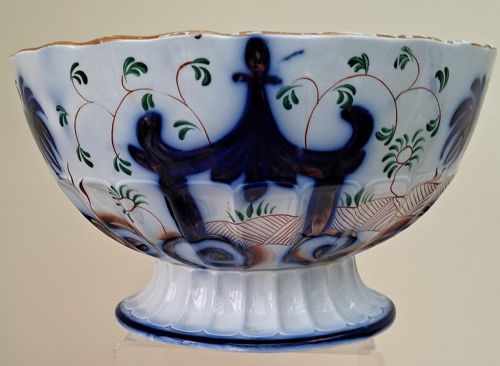
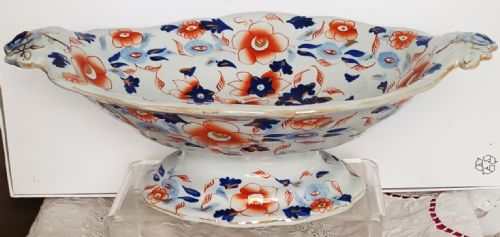
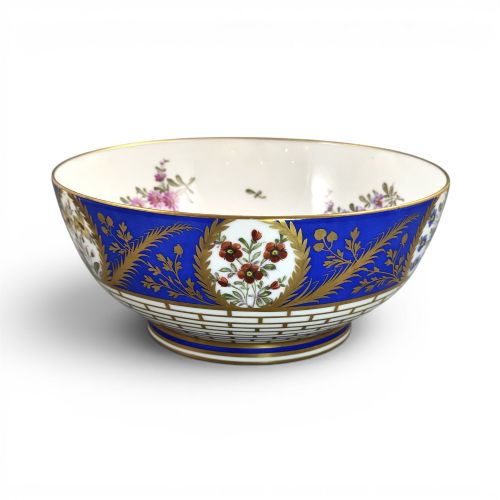
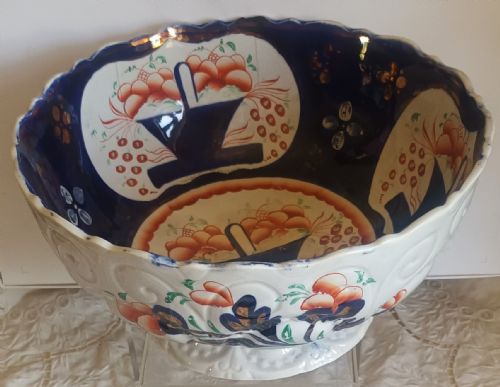
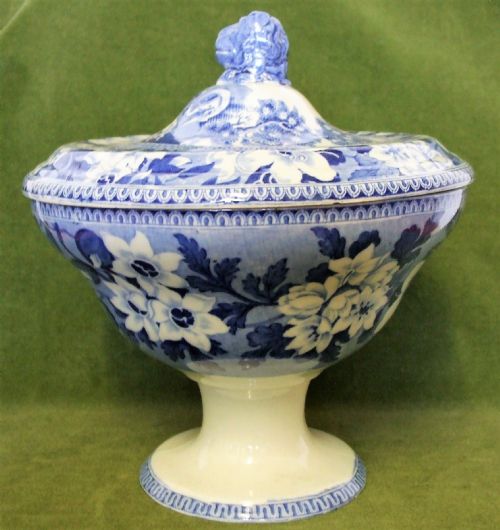


Footed Ceramic Bowl
When you search for a footed ceramic bowl, you encounter raised vessels shaped across centuries in earthenware, ironstone, and porcelain.
Footed Ceramic Bowl
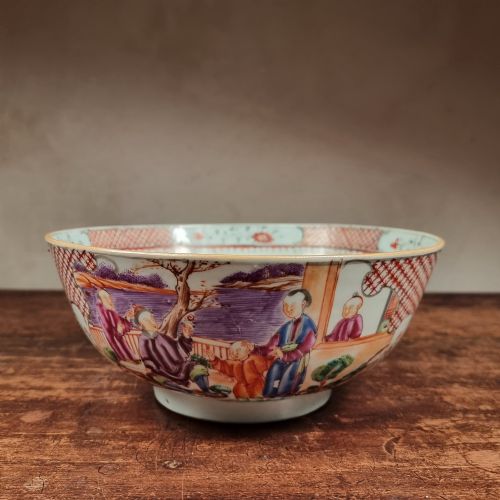
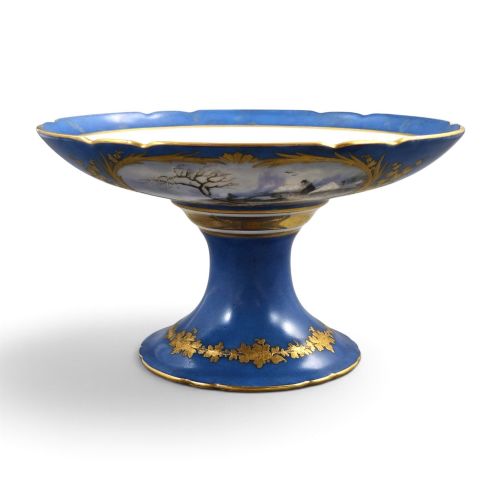
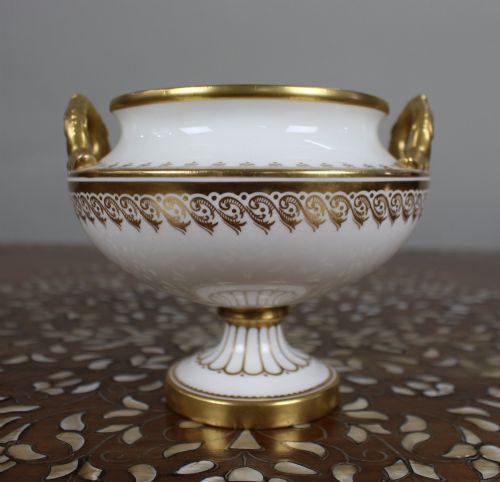
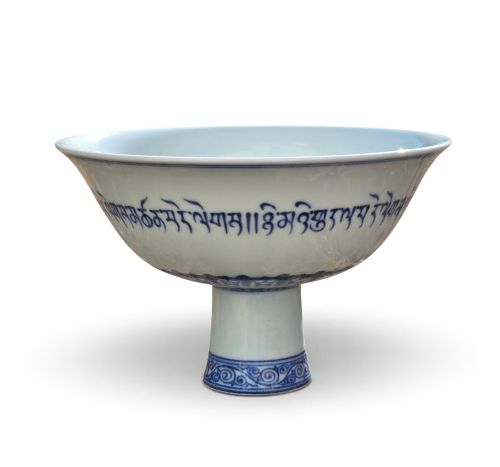
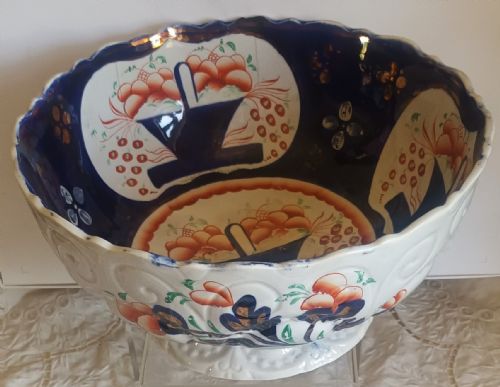
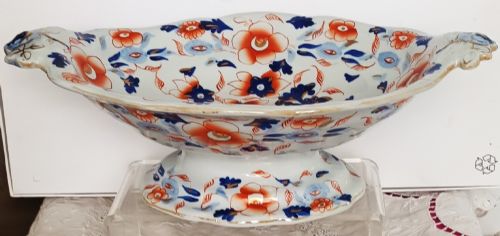
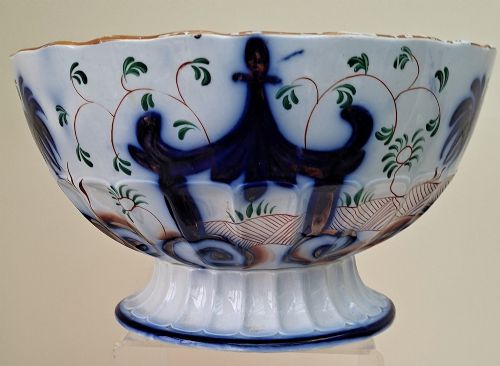
A footed ceramic bowl is a raised vessel designed for display, service, or holding fruit, resting upon a pedestal, base, or tripod feet. These pieces range from Georgian ironstone comports and Victorian pottery bowls to delicate early Chinese stem cups and lustre earthenware.
The selections span diverse origins, including English factories like Minton and Wedgwood, French porcelain works, and Japanese Satsuma or Imari wares. Most examples encountered here date from the nineteenth century, though earlier pieces from the thirteenth century onwards appear.
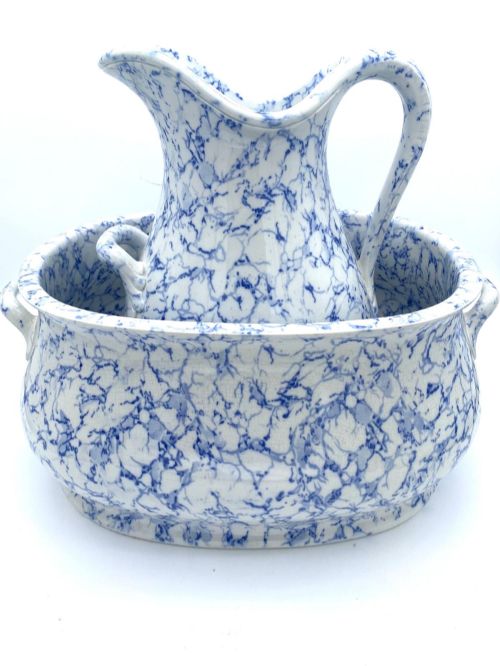
Forms include fruit bowls, comports, tazza vessels, and centrepieces, each employing elevated bases to separate the bowl from the table surface. Buyers find both transfer-printed blue and white patterns and richly hand-painted enamels.
Materials and construction
Potters shaped these vessels using earthenware, ironstone, and fine porcelain, applying glazes to seal the porous clay bodies before firing. Ironstone offered robust durability for heavy comports, whilst porcelain permitted translucent walls and intricate moulded details.
Decoration relied on transfer printing, hand-painting with cobalt blue, or applying enamels and gold leaf highlights. Lustre glazes introduced iridescent metallic sheens, seen particularly in early twentieth-century Wedgwood productions.
Footed bases and pedestals were either thrown on the wheel alongside the main body or moulded separately and joined before the final glaze firing.
The selection encompasses nineteenth-century English transferware, eighteenth-century Chinese export porcelain, and early twentieth-century lustre wares.
Evaluating craftsmanship
Quality rests in the crispness of the moulding, the precision of the hand-painting or transfer printing, and the stability of the raised foot. Superior pieces display even glazes free from excessive firing blemishes and registration errors in multi-coloured patterns.
The integration between the bowl and its pedestal distinguishes standard production from exceptional studio or factory output. Painted details executed by named artists or distinct workshops elevate the artistic merit of individual pieces.
Minton·Sèvres·John Rogers and Son·Ulisse Cantagalli·Schierholz Plaue·Maling·Mason·Wedgwood·Royal Worcester
The Footed Ceramic Bowl Glossary
- Comport
- A raised dish or bowl used for serving fruit or sweetmeats at the table. These vessels stand upon a central pedestal or foot.
- Tazza
- A shallow bowl mounted on a foot or pedestal, originating from Renaissance Italian metalwork and later rendered in porcelain. They function primarily for decorative display.
- Ironstone
- A dense, durable type of earthenware patented in the nineteenth century to imitate Chinese porcelain. It withstands heavy daily use whilst accepting transfer-printed designs.
- Lustre
- A metallic pottery glaze that produces an iridescent sheen through a reduction firing process. Wedgwood utilised this technique extensively for fairy and dragon motifs.
- Stem cup
- A small bowl supported on a tall, narrow foot rather than a flat base. This traditional form appears frequently in early Asian ceramics.
Footed Ceramic Bowl: Frequently Asked Questions
What is a footed ceramic bowl used for?
These elevated vessels served multiple domestic functions, including holding fruit on dining tables, displaying floral arrangements, or presenting sweetmeats during formal meals.
Over time, many shifted from active utility to purely decorative display pieces on sideboards and mantelpieces.
How do I date an antique bowl?
Dating relies on identifying maker marks, transfer-print patterns, glaze characteristics, and the underlying ceramic body type such as ironstone versus porcelain.
Reference numbers, registration marks stamped into the clay, and stylistic traits like Victorian gaudy Welsh patterns or Art Deco lustre provide clear chronological markers.
What is the difference between a comport and a bowl?
A comport specifically includes a raised pedestal foot that elevates the dish well above the table surface, distinguishing it from standard flat-bottomed bowls.
They were traditionally deployed at symmetrical dining table settings to create varying heights amongst serving dishes.
How should I care for antique ceramics?
Antique bowls require gentle hand washing in lukewarm water with mild soap when cleaning is necessary, avoiding abrasive scourers that scratch the glaze or gilding.
Display them away from direct sunlight and sudden temperature shifts to protect fragile enamels and prevent crazing in the ceramic body.